
Understanding Felt Fabric: The Non-Woven Craft Material
When embarking on a new craft, sewing, or school project, choosing the right textile makes all the difference in the final product’s appearance and longevity. For crafters in the Philippines, felt fabric cloth serves as an incredibly versatile, forgiving, and accessible material. Unlike traditional woven textiles that require careful hemming to prevent unravelling, felt offers a unique structure that makes it easy to cut, sew, and glue without the worry of frayed edges. This characteristic makes it a staple in local classrooms, home workshops, and professional design studios alike.
To understand why this material behaves so differently from cotton or linen, it is essential to look at how it is made. Felt is a non-woven textile, meaning it is produced by matting, condensing, and pressing fibers together rather than weaving or knitting them. Through a combination of moisture, heat, and mechanical agitation—or through needle-punching techniques—the individual fibers lock together to form a dense, cohesive sheet. This interlocking structure gives the material its signature structural stability, allowing you to cut intricate shapes, sharp angles, and clean lines that remain perfectly intact.
The behavior, durability, and overall feel of the fabric depend heavily on the raw materials used to create it. Generally, felt falls into three primary fiber categories: natural animal fibers, synthetic polymers, and blended compositions. Each category dictates how the fabric responds to moisture, heat, stitching, and daily wear. Understanding these differences is the first step in selecting the ideal sheet or roll for your specific creative endeavors.
Products mentioned in this guide
![[Local Shipment]40Pcs Felt Fabric Squares DIY Craftwork Felt Crafts Assorted Colors Textile Fuzzy Fabrics for Scrapbooks Sewing](https://img.lazcdn.com/g/p/bddbed62a9b949d21313c876307085ed.jpg_400x400q80.jpg_.webp)
Prices are valid at publication and may change. Please refer to the product page for the latest price.
Main Types of Felt Fabric and Their Characteristics
When browsing local craft stores or online marketplaces in the Philippines, you will encounter a wide variety of felt options. These materials are typically categorized by their fiber content, which directly influences their texture, density, cost, and performance. Selecting the wrong type can lead to frustrating project failures, such as melted fibers under a hot iron or pilling on a frequently handled toy. By familiarizing yourself with the three primary types of felt, you can make an informed decision that balances your budget with your project’s requirements.

Wool Felt: Premium Density and Durability
Wool felt is the traditional, premium standard of the crafting world, made from 100% natural sheep’s wool. Because wool fibers possess microscopic scales that naturally lock together when exposed to heat and moisture, this material boasts an incredibly dense and uniform structure. It feels substantial to the touch, has a matte finish, and retains its shape beautifully even after years of handling. For projects that require intricate embroidery, clean appliqué edges, or three-dimensional structures, wool felt is unmatched in its performance.
However, this premium quality comes with specific considerations. Wool felt occupies the higher end of the price spectrum, often ranging from ₱150 to over ₱400 per sheet or yard depending on the thickness and sourcing. It also requires delicate care; natural wool is prone to shrinking and distortion if exposed to hot water, high dryer heat, or aggressive agitation. If your finished item becomes soiled, it must be gently hand-washed in cold water with a mild, wool-safe detergent or dry-cleaned to preserve its original dimensions and texture.
Synthetic Felt (Acrylic/Polyester): Budget-Friendly and Vibrant
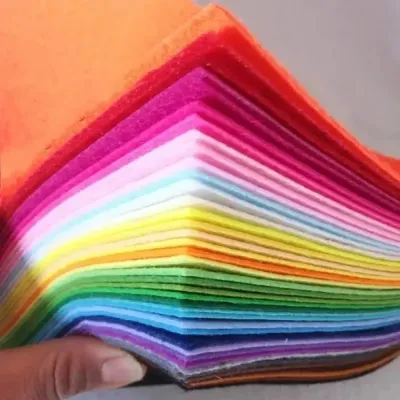
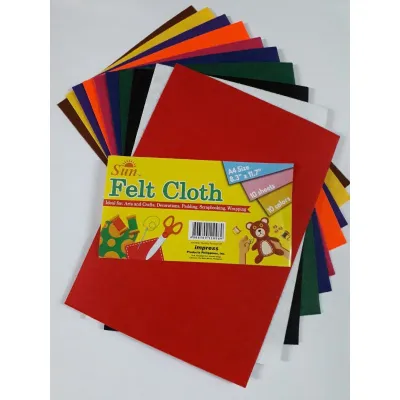
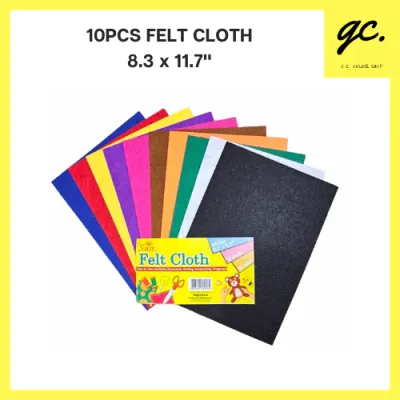
Synthetic felt, typically manufactured from acrylic, polyester, or recycled plastic bottles (often referred to as eco-felt), is the most widely available and affordable option in the Philippine market. If you have ever purchased a multi-colored pack of felt sheets for a school project or a quick holiday ornament, you have likely worked with synthetic felt. These sheets are incredibly budget-friendly, often costing as little as ₱10 to ₱30 per standard A4 or 9×12-inch sheet, making them highly accessible for bulk crafting and classroom activities.
While synthetic felt is excellent for temporary decorations, kids’ crafts, and prototype designs, it has notable limitations. The fibers are typically needle-punched rather than naturally felted, resulting in a looser structure that is highly prone to pilling and stretching under physical stress. Additionally, synthetic fibers are highly sensitive to heat. Using a high-temperature hot glue gun or a hot iron directly on synthetic felt can quickly melt, warp, or scorch the plastic-based fibers, ruining your hard work in seconds.
Blended Felt: Balancing Quality and Cost
For crafters who find wool felt too expensive but find synthetic felt too flimsy, blended felt offers an exceptional middle ground. Usually composed of a mix of wool and rayon (or wool and polyester), blended felt combines the best properties of both worlds. The inclusion of natural wool fibers gives the fabric a softer, more luxurious texture and improved structural integrity, while the synthetic fibers keep the cost reasonable and expand the available color palette.
Blended felt behaves similarly to pure wool during cutting and stitching, holding clean edges and resisting pilling much better than pure acrylic sheets. This makes it a favorite for detailed plushies, decorative cushions, and everyday sewing projects. However, because the exact ratio of wool to synthetic fibers varies by manufacturer, care requirements can differ significantly. Always check the product label or manufacturer specifications; some blends can tolerate gentle machine washing, while others with higher wool content still require hand washing or dry cleaning.
How to Choose the Right Felt Fabric Cloth for Your Specific Project
Selecting the perfect felt fabric cloth involves more than just picking a color; you must match the physical characteristics of the material to the functional demands of your project. In the tropical climate of the Philippines, where high humidity can affect how materials hold their shape and resist moisture, making the right choice is crucial for ensuring your creations stand the test of time.
First, consider the thickness and density required for your design. Felt is available in various thicknesses, typically ranging from 1mm to 5mm or more. Thin, pliable felt (around 1mm to 1.5mm) is ideal for flat appliqué, scrapbooking, lining drawer interiors, or creating delicate details on plush toys. On the other hand, if you are crafting three-dimensional structures like storage bins, heavy-duty tote bags, coasters, or protective laptop sleeves, you will need a stiff, dense felt of at least 3mm to 5mm in thickness to ensure the item can support its own weight.
Second, evaluate the format and dimensions you need. For small, multi-colored projects like keychains, quiet books, or educational felt boards, purchasing pre-cut standard craft sheets (usually 9×12 inches or A4 size) is highly efficient and cost-effective. However, if you are planning larger installations, such as table runners, wall hangings, or theatrical backdrops, buying felt by the yard or meter from specialized textile suppliers is much more practical and ensures seamless visual continuity.
Third, ensure your tools and equipment are compatible with the density of your chosen felt. While thin synthetic felt can be cut easily with standard household scissors, thick wool or blended felt requires high-quality, sharp fabric shears or a rotary cutter to achieve clean, un-frayed edges without hand fatigue. When machine sewing dense felt, swap your standard needle for a sharp or universal needle (size 80/12 or 90/14) to prevent skipped stitches or needle breakage, and adjust your presser foot pressure if the machine struggles to feed the thick material smoothly.
Finally, always match the fabric’s care requirements to the final item’s intended use. If you are making children’s toys, baby bibs, or kitchen accessories that will inevitably require frequent washing, opt for washable synthetic felt or high-polyester blends. Avoid using premium, dry-clean-only wool felt for items that will be exposed to spills, sweat, or heavy handling, as the washing process required to keep them clean will eventually ruin the material’s shape and texture.
Practical Tips for Working with and Maintaining Felt
Working with felt is a joyful and rewarding experience, but applying a few professional techniques can elevate your crafting results and extend the lifespan of your finished pieces. Whether you are constructing a simple school banner or an intricate hand-sewn heirloom, proper handling and maintenance are key.
When cutting felt, always prioritize tool sharpness. Dull blades will drag against the dense, matted fibers, resulting in jagged, uneven edges and stretching the material out of shape. For intricate designs, try taping your paper pattern directly onto the felt using painter’s tape, then cut through both the tape and the fabric simultaneously. This technique stabilizes the fibers and prevents the pattern from shifting during delicate cuts.
Adhesive safety is another critical factor, particularly when working with synthetic varieties. If you prefer using hot glue for quick assembly, always opt for a low-temperature glue gun. High-temperature glue can easily melt the acrylic or polyester fibers, creating hard, unsightly plastic burns and compromising the bond. For a more permanent, flexible hold that won’t stiffen the fabric, use a dedicated fabric glue, and always check the manufacturer’s instructions for drying and curing times.
Proper cleaning and storage are vital for preserving your felt creations, especially in humid environments. To clean dust or lint from felt, use a standard lint roller or a piece of masking tape wrapped around your hand. If a spill occurs, spot-clean the area immediately with a damp cloth and a drop of mild detergent; avoid rubbing vigorously, as this can cause the fibers to pill. Always air-dry the felt flat in a well-ventilated space out of direct sunlight. To store your unused felt sheets, lay them completely flat or roll them gently around a cardboard tube; folding felt for long periods can create stubborn, permanent creases that are difficult to remove.
Frequently Asked Questions (FAQ)
Does felt fabric cloth fray when cut?
No, felt fabric cloth does not fray when cut. Because it is a non-woven material made by interlocking and pressing fibers together rather than weaving threads, there are no warp or weft yarns to unravel. This unique property allows crafters to cut raw edges cleanly without the need for hemming, serging, or edge-finishing.
Can I iron felt fabric to remove wrinkles?
Yes, but the method depends entirely on the fiber content. Wool felt can be ironed safely on a low-to-medium heat setting, ideally using a clean pressing cloth between the iron and the felt to prevent scorching. Synthetic felt, however, should never come into direct contact with a hot iron, as it will melt. To remove wrinkles from synthetic felt, use a garment steamer or press it under a damp cloth on the lowest heat setting.
Is synthetic felt safe for baby toys?
Not all synthetic felts are automatically safe for infants. When crafting baby toys, always check the product packaging or manufacturer specifications for non-toxic, child-safe, or certified chemical-free labels. Additionally, ensure all seams are securely stitched with heavy-duty thread to prevent tearing, and avoid using small, glued-on parts like plastic safety eyes or sequins, which can pose choking hazards.

Community discussion
Share your experience or ask a question. Comments are reviewed before publication.