
Fusible interfacing is an essential sewing material coated with a heat-activated adhesive on one side, designed to bond with your fashion fabric to add structure, stability, and strength. Choosing the right weight—lightweight, medium, or heavyweight—requires matching the interfacing to the weight and drape of your fabric, as well as the specific structural needs of your project. In the warm, humid climate of the Philippines, selecting the correct weight is especially critical to ensure garments remain breathable and comfortable while maintaining their shape through repeated washing.
When you select the wrong weight, your project can quickly become either too stiff or too limp. By understanding how these materials interact under the heat of an iron, you can confidently choose the perfect stabilizer for everything from lightweight summer blouses to structured tote bags.
What Is Fusible Interfacing?
Fusible interfacing serves as the hidden support system of a sewn garment or craft project. Applied to the inner or wrong side of the fabric, it reinforces specific areas to prevent stretching in high-stress zones like buttonholes, necklines, and pocket openings, while helping collars, cuffs, and waistbands retain their crisp, professional shape.
Products mentioned in this guide
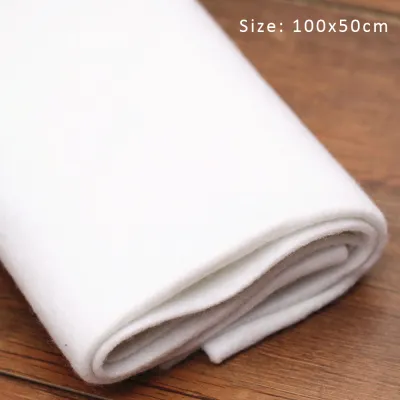
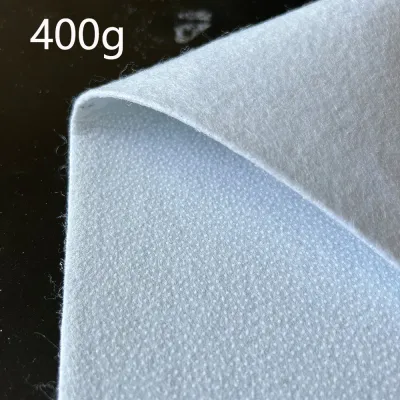
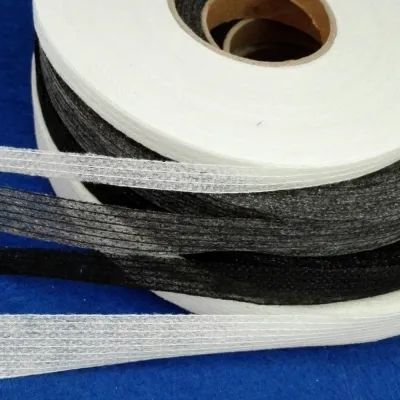
Prices are valid at publication and may change. Please refer to the product page for the latest price.
The primary functional difference between fusible (iron-on) and traditional sew-in interfacing lies in how they attach to the fabric. Sew-in interfacing is basted or sewn directly into the seam allowances, allowing the fashion fabric to move independently. Fusible interfacing features a layer of heat-activated adhesive dots or a fine web of adhesive on one side. When heat and pressure are applied with an iron, this adhesive melts and fuses the interfacing directly to the fibers of the fashion fabric, creating a single, unified layer with enhanced body.
Before applying any fusible product, it is critical to verify the heat tolerance of your fashion fabric. Because fusible interfacing relies on heat, steam, and pressure to activate the bond, delicate synthetic fibers can easily melt or scorch under the iron. If your fabric is highly textured or heat-sensitive, a traditional sew-in interfacing is often the safer choice.
Understanding Interfacing Weights
Selecting the correct weight of fusible interfacing is a balancing act that directly influences the final look and feel of your project. The general rule of thumb is to choose an interfacing that is slightly lighter than, or equal to, the weight of your fashion fabric. This ensures that the stabilizer supports the fabric without overpowering it or altering its natural movement.

Using an interfacing that is too heavy can cause the fabric to pucker, bubble, or feel unnaturally rigid. Conversely, using an interfacing that is too light will result in a lack of structure, causing collars to sag and button plackets to warp after washing.
Lightweight Fusible Interfacing
Lightweight fusible interfacing is designed for delicate, sheer, or highly fluid fabrics. It is the ideal choice for materials such as silk, chiffon, voile, lawn, and lightweight cottons. When applied, it adds just enough body to prevent the fabric from stretching out of shape during sewing, particularly along curved necklines and bias-cut edges, without compromising the fabric’s airy quality.
In garment construction, lightweight interfacing is commonly used for soft collars, delicate cuffs, and the facings of summer dresses or blouses. Because these delicate fabrics are highly sensitive to heat, applying lightweight interfacing requires a lower iron temperature and careful monitoring. Always conduct a test on a scrap piece of fabric first to avoid scorching delicate fibers.
Medium-Weight Fusible Interfacing
Medium-weight fusible interfacing is the most versatile and widely used category in everyday sewing. It is perfectly suited for standard cottons, linens, medium-weight polyesters, rayon, and light wools. This weight provides a reliable balance of structure and flexibility, making it a staple for creating crisp shirt collars, stable waistbands, sturdy cuffs, and reinforced buttonholes on daily wear garments.
For sewing enthusiasts in the Philippines, medium-weight interfacing is highly valuable when working with linen and cotton-linen blends. These natural fibers are incredibly popular for their breathability but are prone to excessive wrinkling and stretching. Applying a medium-weight stabilizer to the collar and button placket of a linen shirt helps the garment maintain a polished, professional appearance even in high humidity, without making the fabric feel heavy.
Heavyweight Fusible Interfacing
Heavyweight fusible interfacing is engineered to provide maximum rigidity, support, and durability. It is designed for heavy-duty fabrics such as denim, canvas, duck cloth, corduroy, and thick upholstery materials. Because of its thickness and density, heavyweight interfacing is rarely used in standard apparel, as it can make garments feel stiff, bulky, and uncomfortable to wear.
Instead, heavyweight interfacing is the go-to choice for structured craft projects, home decor, and accessories. It is essential for shaping the brims of hats, reinforcing the bases and walls of structured tote bags, and stabilizing heavy-duty home textiles. When working with heavyweight interfacing, ensure your iron is set to a higher heat setting to fully melt the thick adhesive layer, and apply firm, steady pressure.
How to Match Interfacing to Your Fabric and Project
To find the perfect match, you must evaluate both the physical drape of the materials and the functional requirements of the finished item. A practical way to test the compatibility is to hold a piece of your fashion fabric and a piece of the candidate interfacing together over your hand. Let them drape naturally; if the combined layers feel too stiff or fold awkwardly, the interfacing is likely too heavy. If the drape remains virtually unchanged and lacks support, you may need a slightly heavier weight.
The intended use of the project also dictates the level of support required. For instance, a casual linen blouse requires only a lightweight or light-medium interfacing to keep the collar neat, whereas a fabric handbag made from the exact same linen fabric would require a heavyweight or even multiple layers of medium-weight interfacing to stand upright on its own.
Before committing to your project, check the manufacturer’s instructions for specific fusing guidelines, including recommended iron temperatures, pressing times, and whether to use steam or dry heat. To prevent ruined fabric and wasted materials, always perform a test patch on a scrap piece of your fashion fabric. Inspect the fused scrap for any signs of bubbling, puckering, or adhesive bleeding through to the right side of the fabric.
Application and Care Guidelines
Proper application technique is just as important as choosing the right weight. To protect your iron and your fabric, always use a clean pressing cloth or a sheet of parchment paper over the interfacing. This simple barrier prevents any stray adhesive from melting onto your iron’s soleplate, which can ruin subsequent projects. Ensure the rough, textured adhesive side of the interfacing is facing the wrong side of your fashion fabric before applying heat.
When fusing, use an up-and-down pressing motion rather than a sliding, gliding motion. Sliding the iron across the interfacing can shift the layers, stretch the fabric out of shape, and cause the adhesive to smear or bunch up, leading to permanent wrinkles. Press firmly in one spot for the recommended number of seconds, lift the iron completely, and move to the next section.
Once you have pressed the entire piece, allow the fused piece to cool completely flat on your ironing board or cutting table. Moving the fabric while the adhesive is still warm and semi-liquid can break the bond, leading to premature peeling or bubbling later on. For long-term care, line-drying your garments in the shade helps preserve the adhesive bond over time.
Frequently Asked Questions (FAQ)
Can I use fusible interfacing on stretchy or knit fabrics?
Standard woven or non-woven fusible interfacing is designed for stable fabrics and will restrict the natural stretch of knit materials. If applied to a stretchy fabric like jersey or spandex, the rigid interfacing will prevent the fabric from expanding, leading to puckered seams, popped stitches, or torn fabric when the garment is worn.
To maintain the elasticity and recovery of knit fabrics, you must use specifically labeled stretch or knit fusible interfacing. These stabilizers are constructed with a built-in crosswise stretch that moves in harmony with your knit fabric, providing necessary reinforcement for necklines and shoulder seams without sacrificing comfort or fit.
What should I do if the interfacing does not stick properly?
If your fusible interfacing is peeling or failing to adhere, first verify that you placed the rough, adhesive-coated side of the interfacing against the wrong side of the fabric. If the placement is correct, your iron may not be hot enough to melt the adhesive, or you may not have applied enough downward pressure for a sufficient amount of time.
Try re-pressing the area using a damp pressing cloth to introduce a small amount of moisture, which can help conduct heat deeper into the fibers. If the fashion fabric is highly heat-sensitive and cannot tolerate the temperature required to melt the adhesive, do not force it; instead, switch to a sew-in interfacing to avoid scorching or melting your project.

Community discussion
Share your experience or ask a question. Comments are reviewed before publication.