
Gouache paint is a versatile, water-soluble medium beloved by artists for its rich opacity and flat, matte finish. While traditional gouache has long been packaged in metal tubes, the rise of Himi Miya gouache—frequently recognized by its distinctive jelly cup design—has introduced a different approach to the medium’s consistency, storage, and daily use. Understanding how this specific formulation compares to regular gouache brands helps you choose the right medium for your creative workflow, especially when painting in warm, humid climates like the Philippines where drying times and paint preservation require careful attention.
Understanding the Basics of Gouache Paint
Gouache is essentially an opaque watercolor. It consists of natural or synthetic pigments, a binder (typically gum arabic or dextrin), and sometimes an added white pigment or chalk to increase opacity. Unlike transparent watercolors that rely on the white of the paper to reflect light, gouache forms a physical, light-blocking layer on your painting surface. This opacity allows you to paint light colors over dark colors, a technique that is highly difficult to achieve with traditional transparent watercolors.
When compared to acrylic paint, gouache offers a completely different post-drying behavior. Acrylics dry into a permanent, water-resistant plastic film due to their polymer binder. Gouache, however, remains water-soluble even after it dries completely on the paper. This rewettability allows you to reactivate, blend, and lift paint layers long after your initial session, though it also means your finished work must be protected from moisture.
Products mentioned in this guide
Prices are valid at publication and may change. Please refer to the product page for the latest price.
The choice of binder heavily influences how the paint handles. Gum arabic, the traditional binder in professional-grade gouache, provides excellent flexibility and a smooth flow but can be more costly. Dextrin, a starch-based binder often found in student-grade or design gouache, yields a thicker, more paste-like consistency. The binder type directly dictates how much water you need to add to achieve a creamy, workable texture and how the paint behaves when layered.
When working with gouache, paper compatibility is crucial. Because gouache is water-based, using thin paper can lead to warping or bleeding. It is best to pair your paint with heavyweight watercolor paper (ideally 300 gsm or higher) or thick mixed-media boards that can handle wet washes without buckling.
Key Traits to Look for in Himi Miya Gouache
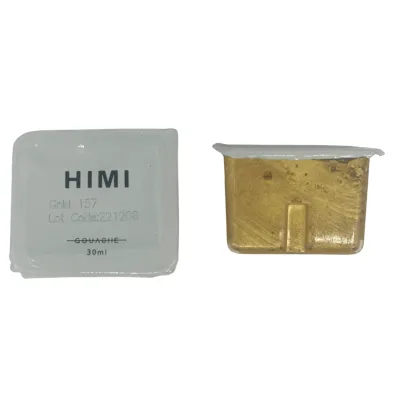
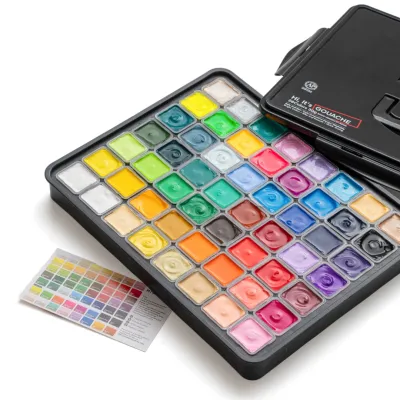
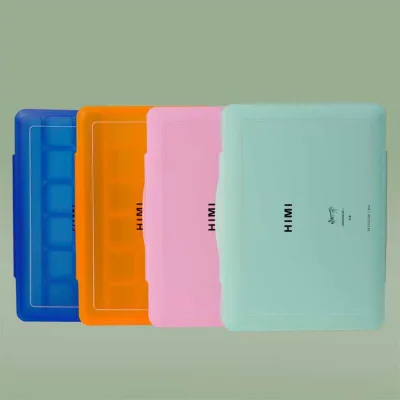
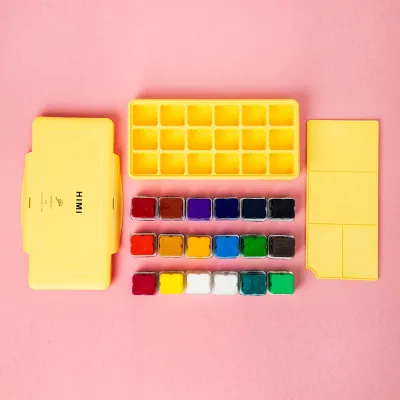
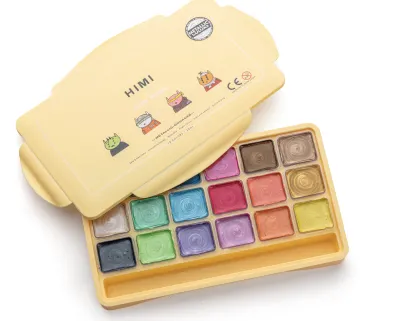
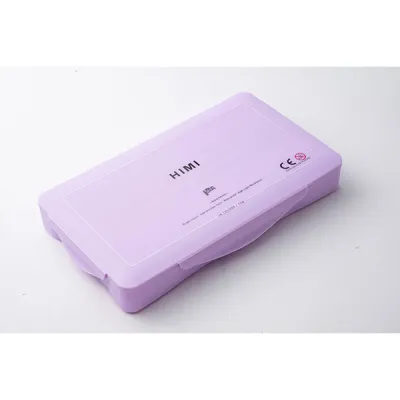
The most striking difference between Himi Miya and regular gouache is the packaging format. Traditional brands package their paint in airtight tubes, which excel at preserving moisture and are highly portable for outdoor sketching. Himi Miya is famous for its jelly cup design, where individual cups of wet paint sit in a shared, sealed plastic palette box. This setup allows you to dip your brush directly into a large pool of fresh paint without constantly squeezing tubes, though it demands a dedicated flat workspace to prevent spills.

Upon opening a jelly cup set, you can observe a distinct, pudding-like consistency that differs from the stiffer paste of traditional tube gouache. This formulation is designed to be used straight from the cup with minimal water addition. The pigment load is formulated to offer vibrant, saturated colors that appeal to illustrators and hobbyists, though the exact pigment concentration and binder ratio can vary compared to professional-grade artist brands.
When evaluating these paints, it is essential to check the manufacturer’s packaging and labels for technical specifications. Look for lightfastness ratings, which indicate how well the colors resist fading when exposed to light over time. While professional tube brands often list specific pigment codes (such as PW6 or PB29) and lightfastness grades on each tube, student-oriented jelly sets may provide more generalized safety and color information on the outer box.
How to Compare Himi Miya Gouache with Regular Brands
To determine which paint suits your needs, you can conduct a simple opacity test. Apply a single, even stroke of paint over a black waterproof ink line or on dark-toned paper. High-quality gouache should cover the dark background in one coat without appearing chalky or translucent. Comparing Himi Miya against a traditional brand in this manner reveals how much filler is used in the formulation and whether you can achieve clean, flat color blocks without multiple layers.
Rewetting capability is another critical point of comparison. Try letting a small amount of both paints dry completely on a plastic palette. Once dry, apply a wet brush to see how quickly and smoothly each paint reactivates. Some traditional gouaches reactivate instantly into a smooth wash, while others might dry into a hard, crusty cake that requires vigorous scrubbing, which can damage your brush bristles over time.
The drying shift is a characteristic behavior of all gouache, but its intensity varies by brand. Generally, light values of gouache dry slightly darker, while dark values dry lighter. By painting side-by-side swatches and letting them dry completely, you can observe how much the color value and saturation shift. A predictable drying shift makes color matching and blending much easier during complex painting sessions.
Keep in mind that performance traits like smoothness, drying speed, and bleed resistance are not universal; they depend heavily on the exact combination of your paint formulation, water ratio, and paper surface. Always perform a small trial on a scrap piece of your intended medium to verify how the paint behaves before committing to a final piece.
Finally, consider the value assessment based on volume and cost. Calculate the cost per milliliter by dividing the retail price in ₱ by the total volume of paint provided in the set. Jelly cup sets often provide a significantly larger volume of paint per peso compared to small tubes of professional gouache. However, you must weigh this initial cost advantage against the potential for waste if the open cups dry out before you can use them up.
Choosing the Right Gouache for Your Art Style
Your preferred painting style should guide your final choice. If your work involves detailed illustration, graphic design, or flat color fields, the creamy, ready-to-use consistency of jelly cup gouache can streamline your workflow. For plein air painters who travel light, a compact set of traditional tubes or a dry travel palette might be more practical than carrying a heavy, liquid-filled jelly cup container.
Beginners often find the low barrier to entry of jelly cup sets highly encouraging, as they do not have to worry about squeezing out the right amount of paint or mastering complex water-to-paint ratios immediately. Advanced artists, however, may prefer the precise control over consistency, mixing, and lightfastness that premium tube gouache offers, especially when creating pieces intended for long-term exhibition or sale.
Storage and maintenance are particularly vital in tropical climates like the Philippines, where high humidity can encourage mold growth on damp art supplies. While tube gouache remains sealed and protected from airborne spores until squeezed out, open jelly cups are continuously exposed to the air. To maximize the shelf life of your jelly cups, keep the palette lid tightly sealed when not in use, store it in a cool place away from direct sunlight, and consider using a mild cosmetic-grade preservative spray or distilled water to mist the cups occasionally.
Frequently Asked Questions (FAQ)
Can You Mix Himi Miya Gouache with Regular Watercolors?
Yes, you can mix Himi Miya gouache with regular watercolors because both mediums share a water-soluble binder system. Mixing them allows you to adjust the opacity of your paint; adding watercolor to gouache will make the mixture more translucent, while adding white gouache to watercolor creates a semi-opaque pastel tint. It is always best to test your custom mixtures on a scrap piece of your chosen paper first, as different binder concentrations can affect how smoothly the paint flows and dries.
How Do You Prevent Jelly Cup Gouache from Drying Out?
To prevent jelly cup gouache from drying out, ensure the container’s lid is completely latched and the airtight seal is intact after every painting session. In warm climates, the water content in open cups evaporates quickly, so lightly misting the paint surface with distilled water before sealing the box helps maintain moisture. If a cup does begin to dry or crack, you can add a few drops of distilled water and use a clean palette knife to thoroughly mix the paint back to its original creamy consistency.
Is Himi Miya Gouache Safe for Children?
To verify if a specific Himi Miya gouache set is safe for children, you should always check the product packaging for recognized non-toxic certifications, such as the ACMI AP seal or EN71 compliance markings. While many student-grade gouache formulations are designed with non-toxic ingredients, younger children should still be supervised to prevent accidental ingestion or prolonged skin contact. Always review the manufacturer’s age recommendations printed on the box before letting young artists use the paints.
Community discussion
Share your experience or ask a question. Comments are reviewed before publication.