
What Is Journal Paper and Why Does It Matter for Scrapbooking?
Journal paper is a specialized stationery medium designed to serve as the canvas for writing, sketching, and light creative layering. Unlike standard office paper, it is manufactured with specific fiber densities, surface treatments, and chemical properties that cater to creative layouts. In scrapbooking, this paper acts as the physical foundation that holds your handwritten memories, anchors photo corners, and supports decorative elements like stickers and washi tape.
Standard printer paper or basic school notebook paper is generally manufactured for high-speed, dry printing or simple pencil writing. These everyday papers are typically thin, highly acidic, and lacking in surface sizing, which makes them highly susceptible to tearing, ink feathering, and adhesive bleed-through. In contrast, dedicated journal paper is engineered to withstand the mechanical and chemical stresses of crafting, ensuring that your tools glide smoothly and your adhesives hold firm.
Choosing the right paper is one of the most critical decisions for a scrapbooking beginner, especially when it comes to preserving your projects over time. In tropical climates like the Philippines, high relative humidity can soften weak paper fibers, accelerate the breakdown of cheap adhesives, and cause low-quality sheets to warp or buckle. Investing in the correct journal paper ensures that your hard work remains flat, intact, and visually vibrant, preventing the heartbreak of wrinkled pages and detached photos down the line.
Products mentioned in this guide
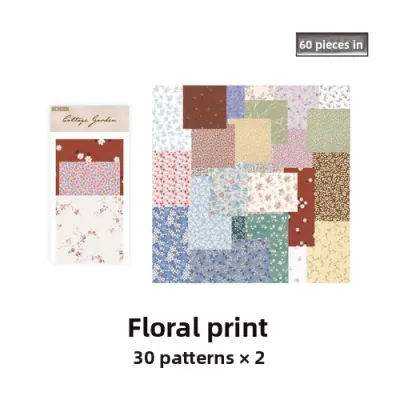
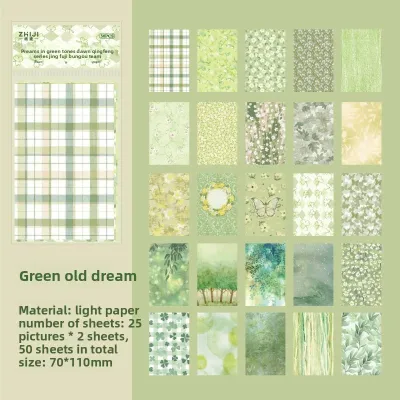
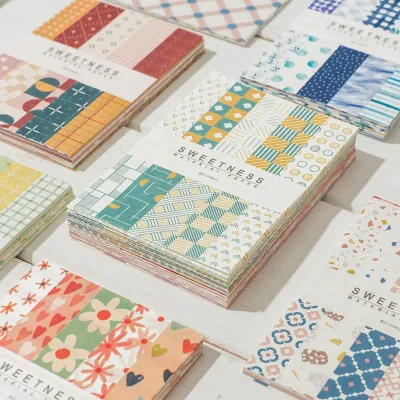
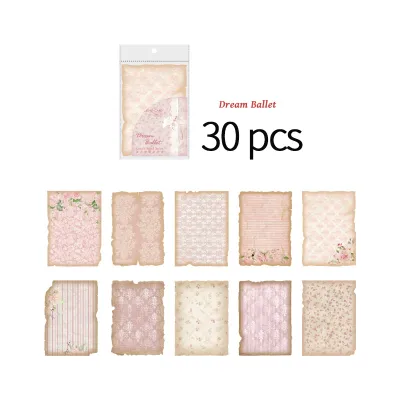
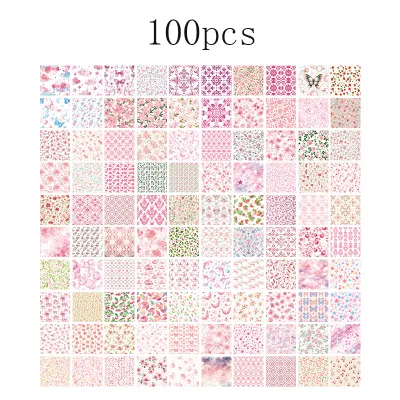
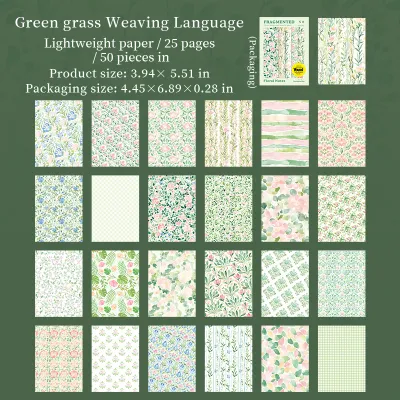
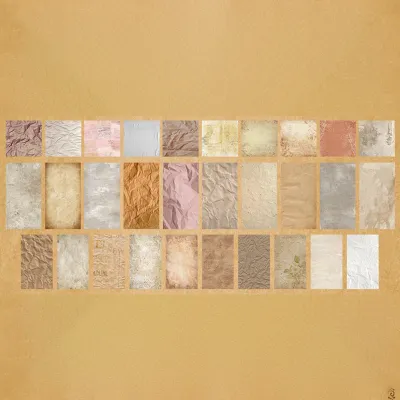
![ENWEI 10 Pcs [Romantic Encounter Series] Aesthetics Journal Material Paper Cassia Paper Deco Paper Scrapbooking Sticker Scrapbook Kit](https://img.lazcdn.com/g/p/717fc9e32cfc9fcf641e3262e12c8c4a.jpg_400x400q80.jpg_.webp)
Prices are valid at publication and may change. Please refer to the product page for the latest price.
Key Material Characteristics to Check Before You Buy
Paper Weight and Thickness
Paper weight is measured in grams per square meter (gsm), which indicates the density and thickness of the sheet. For scrapbooking beginners, understanding gsm is essential for choosing paper that can support your chosen mediums without sagging or tearing. Lightweight papers (60 gsm to 80 gsm) are highly prone to ghosting and tearing, making them unsuitable as primary scrapbooking pages. A weight of 100 gsm to 120 gsm is the ideal baseline for everyday journaling, as it easily supports standard gel pens, light stickers, and decorative tapes. For heavier layouts involving wet glues or light paint washes, look for papers rated at 150 gsm or higher to ensure structural integrity.

Texture and Finish
The surface finish of journal paper heavily influences how your writing instruments and adhesives interact with the page. Smooth finishes, often referred to as hot-pressed or calendered papers, offer a slick surface that allows fine-liner pens, brush calligraphy markers, and gel pens to glide effortlessly without fraying. Smooth paper also ensures crisp, clear impressions when using rubber stamps. Textured finishes, such as cold-pressed, laid, or linen textures, provide a tactile, organic feel that holds dry adhesives and heavy glue exceptionally well. However, textured surfaces can cause brush pen tips to wear out prematurely and may result in slightly distressed or uneven stamped images.
Archival and Acid-Free Properties
When purchasing journal paper, always check the packaging for “acid-free” and “lignin-free” labels. Lignin is a natural organic polymer found in wood pulp that, if left untreated, breaks down over time into acidic compounds, causing paper to turn yellow, brittle, and dark. In warm, humid environments, this acidic degradation is accelerated. If non-archival paper comes into direct contact with physical photographs, the acid can migrate into the photo emulsion, causing permanent fading, yellow spots, and deterioration. Choosing acid-free, archival-grade journal paper guarantees that your layouts and photographs will remain chemically stable for decades.
Opacity
Opacity refers to how much light—and consequently, how much ink or adhesive—shows through to the opposite side of the page. Low-opacity paper results in “ghosting,” where the shadow of your writing, drawing, or glue on one side of the sheet is visible on the other, ruining the clean look of double-sided layouts. To verify opacity before committing to a purchase, hold a single sheet of the paper up to a light source or place a page with dark printed text directly underneath it. If the text or light is highly visible, the paper has low opacity, meaning you should limit your designs to one side of the sheet or choose a thicker option.
Common Journal Paper Styles for Scrapbooking Beginners
Grid, Dotted, and Lined Papers
For beginners who appreciate structure, grid, dotted, and lined papers provide built-in alignment guides that make layout design much easier. Dotted journal paper, typically featuring a subtle 5mm dot grid, is highly favored because it offers the perfect balance of guidance and freedom. The dots help you write in straight lines, align photo corners perfectly, and position stickers evenly, yet they virtually disappear into the background once the page is filled. Lined paper is excellent for long-form storytelling and capturing daily thoughts, while square grid paper is ideal for structured, geometric, or block-style scrapbooking layouts.
Blank and Unlined Papers
Blank journal paper offers absolute creative freedom, making it the preferred choice for freeform collaging, sketching, and mixed-media backgrounds. Without the visual constraint of lines or dots, you can place large focal photos, diagonal text, and organic paper scraps anywhere on the page without worrying about aligning them to a pre-printed grid. Blank pages also allow you to use large background stamps or ink blending techniques without any underlying patterns interfering with your design.
Kraft and Natural-Toned Papers
Kraft paper is made from unbleached wood pulp, giving it a characteristic brown, rustic appearance. Because kraft paper is manufactured using a process that retains strong wood fibers, it is naturally sturdy and highly resilient. Visually, its warm, earthy tone provides an excellent contrast for bright, glossy photo prints, white ink gel pens, and colorful washi tapes. Using kraft paper as a backing layer or a middle frame behind your photos instantly adds a vintage, cozy, or industrial aesthetic to your scrapbook.
Vellum and Translucent Overlays
Vellum is a specialized, semi-transparent paper with an ultra-smooth, plastic-like finish. It is not designed to be used as a primary writing surface or a heavy layout base. Instead, beginners use vellum as a decorative overlay to soften busy background patterns, create elegant see-through pockets for holding memorabilia, or act as a protective barrier sheet over delicate, glossy photographs. Because vellum is non-porous, writing on it requires specialized pigment inks or permanent markers, and standard liquid glues will show through, requiring the use of dry adhesive runners or decorative brads to secure it.
How to Match Paper Types to Your Scrapbooking Mediums
For Wet Media (Watercolors, Ink Washes, Liquid Glue)
If your scrapbooking style involves watercolor washes, wet blending, or heavy applications of liquid craft glue, you must use paper specifically rated for mixed media or wet techniques. Standard journal paper will immediately warp, buckle, or pill—forming small, unsightly paper fibers on the surface—when exposed to moisture. Look for heavyweight papers (at least 160 gsm to 200 gsm) that feature internal and external “sizing.” Sizing is a chemical treatment applied during paper manufacturing that regulates how quickly water is absorbed, allowing wet mediums to sit on the surface long enough to blend without immediately soaking through and tearing the page.
For Dry Media and Adhesives (Stickers, Washi Tape, Gel Pens)
If your scrapbooking routine consists primarily of dry elements, such as adhesive-backed stickers, paper ephemera, washi tape, and gel or ballpoint pens, a smooth, medium-weight journal paper (100 gsm to 120 gsm) is highly efficient. Smooth surfaces allow washi tape to be peeled and repositioned easily during the design phase without tearing the underlying paper fibers. This weight also provides sufficient density to prevent standard gel pen inks and fine-liners from bleeding through to the back of the page, ensuring that both sides of your journal sheet remain completely usable.
For Heavy Embellishments (Metal Charms, Thick Fabrics, Layered Chipboard)
Dimensional scrapbooking involves adding physical depth using thick materials like wooden shapes, metal charms, ribbons, and layered chipboard. These heavy items exert significant mechanical pull and gravity-induced stress on a page. If your journal paper is too thin, the page will sag, crease, or eventually tear away from the binding rings or thread. For layouts featuring heavy embellishments, you must use heavy cardstock-weight journal paper (typically 200 gsm to 300 gsm) or reinforce your standard pages with a sturdy backing board, ensuring that your album’s binding system is robust enough to handle the added physical weight.
Practical Buying and Testing Tips for Your First Purchase
Reading Product Labels
When shopping for journal paper online or in physical craft stores, look past the decorative cover designs and read the technical specifications on the product label. Always verify the paper weight (expressed in gsm), the sheet count, and explicit preservation claims such as “acid-free,” “lignin-free,” or “archival quality.” If a product listing or packaging does not clearly state these specifications, it is highly likely to be standard, non-archival paper that will yellow over time. Additionally, check if the paper is described as “bleed-resistant” or “fountain pen friendly,” as these terms indicate a high-quality surface treatment.
Size and Binding Compatibility
Before purchasing loose-leaf journal paper or replacement inserts, carefully verify that the physical dimensions and binding configuration match your scrapbooking album. Common standard sizes include A5 (148mm x 210mm), B6, and Traveler’s Notebook sizes. If you are using a multi-ring binder, a disc-bound system, or a spiral-bound album, measure the spacing between the holes or rings. Proprietary binding systems often have unique hole configurations, so buying paper that is pre-punched for your specific brand or purchasing a compatible single-hole punch is vital to ensure a perfect fit.
Conducting a Simple Home Test
Because the performance of paper depends entirely on the unique combination of the paper fibers, your specific pens, and your chosen adhesives, you should always conduct a simple home test. Dedicate a single sheet of your new paper—ideally at the very back of your journal—as a test page. Apply a small stroke of each pen, marker, and stamping ink you plan to use, and place a small drop of your craft glue or a strip of double-sided tape. Let the page dry completely, keeping in mind that high tropical humidity can extend drying times. Once dry, inspect the reverse side of the sheet for any signs of ink bleeding, ghosting, feathering, or paper warping, allowing you to adjust your tools before starting your formal layouts.
Frequently Asked Questions (FAQ)
Can I use regular printer paper for scrapbooking?
Regular printer paper, which typically ranges from 70 gsm to 80 gsm, is not recommended for primary scrapbooking pages. It is too thin to support the physical weight of photographs, stickers, and decorative elements without sagging, and wet adhesives will cause it to warp and buckle immediately. Furthermore, standard printer paper is highly acidic and contains lignin, meaning it will yellow and degrade over time, potentially causing irreversible damage to your physical photographs. You should limit the use of printer paper to temporary layout planning, sketching out design ideas, or creating structural templates before cutting into your high-quality, archival-grade journal paper.
What is the difference between journal paper and cardstock?
The primary differences between journal paper and cardstock lie in their weight, stiffness, and intended crafting applications. Journal paper is lighter (usually ranging from 80 gsm to 150 gsm), highly flexible, and designed to be bound into books or inserts for comfortable writing, drawing, and flat collage work. Cardstock is significantly heavier and more rigid, typically starting at 200 gsm and exceeding 300 gsm. While journal paper serves as the medium where you write and arrange flat elements, cardstock is used to construct the structural base of the album itself, create sturdy photo mats, cut out durable decorative shapes, or provide heavy-duty backing for thick, dimensional embellishments.
Community discussion
Share your experience or ask a question. Comments are reviewed before publication.