
Liquid polymer clay is a versatile, bakeable liquid medium that opens up a world of creative possibilities for crafters, jewelry makers, and sculptors. Unlike the traditional solid blocks of clay that you must knead and sculpt, this fluid version can be poured, brushed, squeezed, and drizzled. Once baked in a standard home oven, it cures into a flexible, durable, and water-resistant plastic. Whether you want to bond clay pieces together, seal a finished design, or create glass-like window clings, this unique material serves as an essential tool in any modern craft kit.
Understanding how this liquid medium behaves is the key to unlocking its full potential. Because it shares the same chemical foundation as solid polymer clay, it integrates seamlessly into existing clay projects while offering entirely different handling properties. By mastering its unique flow and curing characteristics, you can elevate your handmade projects from simple clay models to intricate, professional-grade art pieces.
What Is Liquid Polymer Clay?
At its core, liquid polymer clay consists of fine polyvinyl chloride (PVC) particles suspended in a liquid plasticizer. Before it is exposed to heat, this mixture behaves like a viscous syrup or gel. Unlike water-based clays, it will not dry out or harden when left exposed to the air, allowing you to work at your own pace without worrying about the material stiffening on your work surface.
Products mentioned in this guide
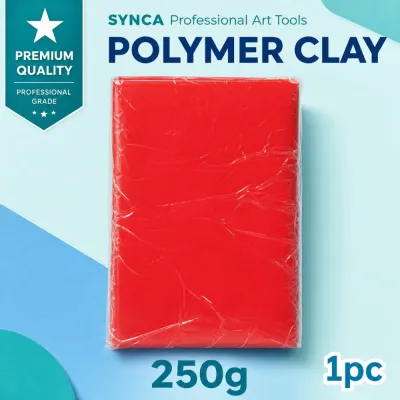
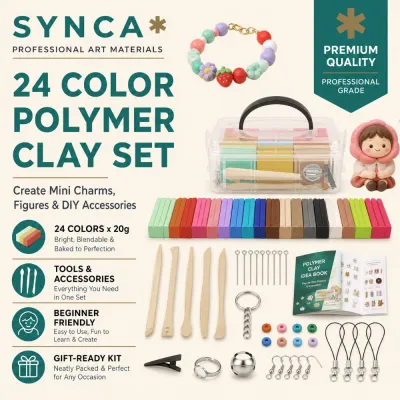
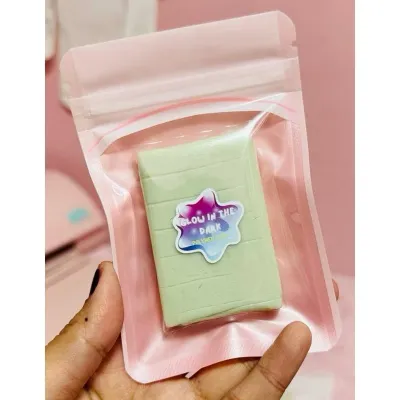

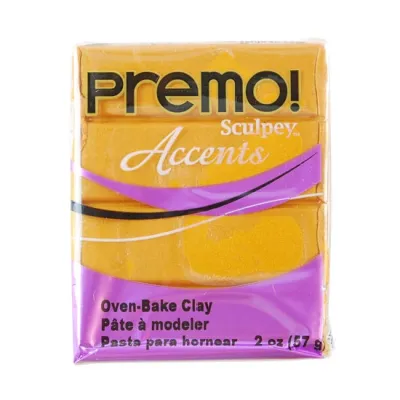
Prices are valid at publication and may change. Please refer to the product page for the latest price.
When introduced to other crafting mediums, this liquid clay acts as an excellent vehicle for pigments and inclusions. You can easily blend it with alcohol inks, mica powders, fine glitters, or oil paints to create custom colors and shimmering effects. It also bonds exceptionally well to porous and non-porous surfaces alike, making it a popular choice for mixed-media projects involving wood, metal, glass, and paper.
Upon curing in an oven, the liquid undergoes a chemical transformation called fusion, where the PVC particles absorb the plasticizer and lock together. The resulting cured material is highly flexible, lightweight, and remarkably durable. Depending on the specific formula you choose, the final cured state can range from a milky translucency to a crystal-clear, glass-like finish, or even a vibrant, opaque color.
Liquid vs. Solid Polymer Clay: Key Differences
Choosing between liquid and solid polymer clay depends entirely on the techniques your project requires. Solid polymer clay is dense and structural, requiring physical conditioning, kneading, and rolling before you can sculpt it into three-dimensional shapes. Liquid polymer clay, by contrast, is completely fluid and cannot hold a self-supporting three-dimensional shape on its own without a mold or a backing material.

The curing behavior and final texture of these two mediums also differ significantly. Solid clay typically cures to a rigid or semi-rigid state with a matte or satin finish, making it ideal for structural figurines and sturdy jewelry beads. Liquid clay cures to a highly flexible, almost rubbery state when baked in thin layers, and it can achieve a high-gloss, glass-like transparency that solid clay simply cannot replicate.
Adhesion is another major point of divergence. Solid clay pieces do not naturally stick to one another once they have been baked, and raw solid clay can struggle to cling to cured clay surfaces. Liquid clay solves this issue by acting as a powerful bakeable adhesive and grout, filling tiny gaps and fusing separate clay elements together during the baking process.
| Feature | Liquid Polymer Clay | Solid Polymer Clay |
|---|---|---|
| Consistency | Viscous liquid, pourable or spreadable | Firm, moldable solid block |
| Handling Method | Squeezing, brushing, pouring into molds | Kneading, sculpting, rolling, cutting |
| Primary Uses | Adhesion, glazing, image transfers, molds | Sculpting figures, jewelry, structural pieces |
| Cured Flexibility | High flexibility, rubber-like in thin layers | Semi-rigid to rigid, structural |
| Cured Finish | Translucent, glossy, satin, or matte | Typically opaque, matte, or satin |
Practical Uses and Techniques for Liquid Clay
One of the most popular applications for liquid polymer clay is creating stunning faux finishes. By mixing clear liquid clay with a few drops of alcohol ink, you can pour the mixture into metal bezels or wire frames to mimic the look of stained glass. You can also layer different tinted liquid clays on a glass tile to create realistic faux stone, marble, or watercolor effects that cure into durable, lightweight cabochons.
As a bonding agent, this material is indispensable for complex clay assemblies. You can use it to attach delicate raw clay details to a pre-baked base, ensuring they do not fall off after the final bake. It also works beautifully as a grout for miniature mosaics; simply press cured clay tiles into a thin layer of liquid clay spread over a base, then bake the entire piece to lock the tiles permanently in place.
For jewelry makers, liquid clay serves as an excellent protective glaze and dimensional sealer. Applying a thin coat over raw mica powders, chalk pastels, or acrylic paint treatments prevents them from scratching or wearing off over time. You can also use a thick, clear formula to create a raised, domed effect on earrings, giving them a professional, resin-like finish without the complex mixing ratios and chemical sensitivity of epoxy resins.
How to Choose the Right Liquid Clay for Your Project
When shopping for liquid polymer clay, clarity and viscosity are the two most important factors to evaluate. If your goal is to create clear glazes, protective domes, or image transfers, look for formulas specifically labeled as “clear” or “translucent.” Some general-purpose liquid clays cure to a slightly milky or off-white translucent finish, which may obscure fine details underneath.
Viscosity determines how the liquid behaves on your work surface. Thinner, highly fluid formulas are ideal for pouring into detailed silicone molds, as they flow easily into intricate crevices and allow trapped air bubbles to rise to the surface quickly. Thicker, paste-like formulas are much better suited for vertical applications, drawing dimensional lines, or acting as a heavy-duty adhesive that will not run or drip before baking.
Compatibility with your existing solid clay supplies is also worth verifying. While most major brands of liquid and solid clay can be mixed and matched safely, using products from the same manufacturer often ensures optimal chemical bonding and matching curing temperatures. Always read the product labels carefully to identify the cured finish type—such as high-gloss, satin, or matte—and to check the recommended baking temperature for that specific bottle.
Baking, Handling, and Safety Guidelines
Successful curing relies entirely on following the manufacturer’s exact temperature and time instructions. Because home ovens can have significant temperature fluctuations, relying solely on the oven’s built-in dial can lead to underbaked, brittle clay or scorched, ruined projects. Investing around ₱300 to ₱600 in a dedicated standalone oven thermometer will allow you to monitor the internal temperature accurately.
In tropical climates like the Philippines, ambient heat and high humidity can make uncured liquid clay slightly runnier than usual. Always work in a comfortable, shaded space and store your materials away from direct sunlight. Ensure your workspace is well-ventilated by opening windows or using an exhaust fan, especially during the baking process, to disperse any mild fumes that may escape from the oven.
Keeping your tools and work surfaces clean is much easier before the clay is baked. Uncured liquid clay does not dry out, but it will easily attract dust, lint, and pet hair if left uncovered. Use rubbing alcohol and a soft microfiber cloth to wipe down glass mats, metal tools, and silicone molds immediately after use, ensuring your equipment remains clean and ready for your next creative session.
Frequently Asked Questions (FAQ)
Can I mix liquid polymer clay with regular solid clay?
Yes, you can mix liquid polymer clay directly into solid clay to alter its consistency. Adding a few drops of liquid clay to dry, crumbly solid clay helps soften and rehydrate it during the conditioning process. Mixing larger amounts of liquid clay into solid clay will create a thick, spreadable paste often used for creating faux frosting on miniature sweets or seamless joins between sculpted pieces.
Why did my liquid clay turn out cloudy or bubbly after baking?
Cloudiness is usually a sign of underbaking, which occurs when the oven temperature is too low or the baking time is too short to fully fuse the plasticizer and PVC. Bubbles are typically caused by trapped air introduced during vigorous mixing, or by baking at too high a temperature, which causes the liquid plasticizer to boil. To prevent bubbles, let your mixed liquid clay sit for a few minutes before baking to allow air to escape, or gently pass a heat gun over the surface to pop them.
How should I store opened bottles of liquid polymer clay?
Opened bottles of liquid polymer clay should be stored upright in a cool, dry place away from direct sunlight and extreme heat sources. In warm tropical environments, avoid storing your bottles in unventilated metal sheds or hot storage boxes, as prolonged exposure to high temperatures can cause the liquid to thicken or partially cure inside the bottle. Keep the caps tightly sealed, and avoid storing uncured liquid clay in direct contact with polystyrene or soft plastic containers, as the plasticizers can chemically degrade those materials over time.
Community discussion
Share your experience or ask a question. Comments are reviewed before publication.