
Porcelain clay is a highly refined ceramic material celebrated for its exceptional whiteness, fine texture, and translucent finish when fired at high temperatures. Unlike coarser clays, it is composed primarily of pure kaolin, which gives it a smooth, glass-like quality but also makes it highly demanding to work with. When shopping for porcelain clay, you must look closely at its firing temperature range (Cone rating), shrinkage rate, and plasticity to ensure it matches your kiln’s capabilities and your personal skill level.
Choosing the right clay body is one of the most critical decisions in pottery, as it directly impacts your throwing experience, drying success, and final fired results. Whether you are a hobbyist looking to experiment with delicate forms or an experienced ceramicist aiming for flawless translucent vessels, understanding the unique physical properties of porcelain will help you select the ideal formulation for your studio.
Understanding Porcelain Clay and Its Key Properties
At the heart of porcelain’s appeal is its mineral composition, dominated by kaolin, silica, and feldspar. Kaolin is a pure, iron-free clay mineral that gives porcelain its characteristic white color. Lacking the iron oxides and organic impurities of stoneware or earthenware, porcelain does not discolor under high heat, allowing glazes to appear exceptionally vibrant.
Products mentioned in this guide
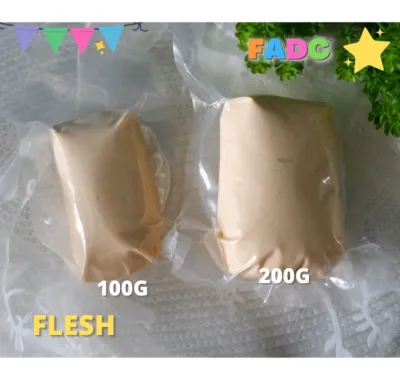
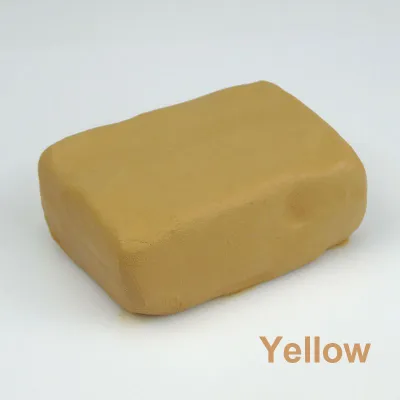
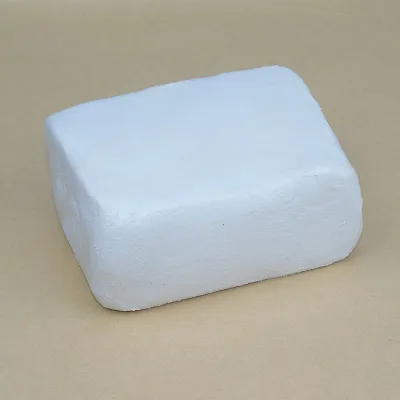
Prices are valid at publication and may change. Please refer to the product page for the latest price.
The particle size of porcelain clay is incredibly small and uniform, resulting in an ultra-smooth, buttery texture. However, this fine particle size is a double-edged sword. The lack of varied particle sizes means the clay has low plasticity, often feeling short or crumbly when stretched. It lacks the structural forgiveness of stoneware, making it prone to collapsing on the wheel if too much water is used.
Furthermore, porcelain possesses a strong “memory.” During throwing or hand-building, any stress, uneven pulling, or bending of the clay is recorded within its molecular structure. Even if you smooth out a warp while the clay is wet, the memory of that stress often reemerges during the firing process, causing the piece to warp or crack in the kiln. This characteristic requires a highly disciplined and gentle touch during the forming stage.
Firing porcelain requires exceptionally high temperatures to achieve vitrification, the process where the silica melts into a glass-like matrix that fills the pores of the clay. This high-fire nature is what gives finished porcelain its signature strength, a clear ring when tapped, and a beautiful translucency when thrown thin. Without reaching these precise high temperatures, the clay remains underfired, porous, and fragile.
Essential Factors to Check Before Buying Porcelain Clay
When browsing options at local ceramic supply shops or online marketplaces, the firing temperature range—indicated by Cone ratings—is the most critical specification to verify. Traditional porcelain typically fires at high temperatures, usually between Cone 8 and Cone 11. However, many manufacturers formulate mid-range porcelain bodies designed to vitrify at Cone 5 or Cone 6. You must match the clay’s Cone rating to your kiln’s maximum safe operating temperature to avoid underfiring or melting your pieces.

Shrinkage rate is another vital factor that affects your final dimensions. Because of its fine particle size and high water retention, porcelain experiences significant shrinkage during both drying and firing, often totaling 12% to 15%. If you are crafting functional ware like lidded jars or nested bowls where precise dimensions are required, you must check the manufacturer’s specification sheet to calculate your wet dimensions accurately.
The physical form of the clay when purchased also dictates your preparation workflow. Pre-mixed wet clay, sold in plastic-wrapped blocks, is pugged and de-aired by the manufacturer, making it ready for immediate use after light wedging. Dry powder is highly economical for large-scale studios or those who specialize in slip-casting, as it allows you to mix custom liquid slips, though it requires dedicated mixing equipment and strict dust-management protocols.
When evaluating the cost per kilogram in Philippine Pesos (₱), look beyond the initial purchase price and consider the overall yield of finished pieces. Pure, high-grade porcelain is generally more expensive than stoneware due to the refined nature of kaolin. A cheaper porcelain body might seem like a bargain, but if it has a high warping or cracking rate during drying and firing, your actual cost per finished piece will be much higher. Investing in a slightly more expensive, highly reliable clay body often saves money and frustration in the long run.
Matching Porcelain Clay to Your Skill Level and Project
For beginners transitioning from stoneware, starting with pure, traditional porcelain can be highly discouraging. Instead, look for porcelain blends, often marketed as domestic porcelain or porcelainous stoneware. These formulations incorporate ball clay or plasticizers to improve workability, making the clay more plastic, easier to throw, and less prone to tearing. While they may not achieve extreme translucency, they offer a much gentler learning curve.
Advanced potters aiming for maximum translucency and a pristine white finish should opt for pure, high-quality porcelain bodies. These clays require precise water control, minimal handling, and swift throwing techniques to prevent the walls from oversaturating and collapsing. If your focus is hand-building or sculpting, look for porcelain bodies specifically formulated with fine grog or paper fibers, which provide the wet strength needed to support complex shapes and reduce drying cracks.
For slip-casting, where liquid clay is poured into plaster molds to create uniform, thin-walled vessels, you should purchase specialized casting slip or dry casting powder. Slip-casting bypasses the physical challenges of throwing porcelain on the wheel, allowing you to easily produce delicate, translucent items like lampshades, thin cups, and intricate decorative objects. Always check the manufacturer’s label to ensure the clay body is optimized for your intended forming method.
Storage, Handling, and Safety Considerations
In a tropical climate with variable humidity, keeping your porcelain clay at the correct moisture level is essential. Store wet clay blocks in heavy-duty plastic bags, sealed tightly, and place them inside airtight plastic bins. Keep these bins in a cool, shaded area away from direct sunlight, which can cause moisture to evaporate and condense on the inside of the bag, resulting in hard spots and uneven consistency.
Reclaiming porcelain scraps requires meticulous cleanliness to avoid contamination. Collect all dry trimmings and scraps in a dedicated clean bucket, ensuring no stoneware clay, plaster dust, or foreign debris mixes in, as even tiny impurities will ruin the pure white appearance and cause structural defects during firing. Once you have accumulated enough scraps, slake them completely in water, mix into a smooth slurry, pour onto a clean plaster bat to dry to a workable consistency, and wedge thoroughly.
Safety is a paramount concern when working with porcelain due to its high silica content. When handling dry clay powder, mixing slips, or sanding bone-dry greenware and bisqueware, always wear a properly fitted N95 or N100 respirator to protect your lungs from hazardous crystalline silica dust. To keep dust levels low in your studio, avoid dry sweeping; instead, use wet sponges, mops, and HEPA-filtered vacuums to clean work surfaces and floors regularly.
Frequently Asked Questions (FAQ)
Can I fire porcelain clay in a standard home oven or low-fire kiln?
No, true porcelain clay cannot be fired in a standard home oven or a low-fire kiln. Home ovens only reach temperatures up to around 250°C, which is far too low to initiate the chemical changes required to turn clay into ceramic. True porcelain requires high-temperature kilns capable of reaching at least Cone 5 to Cone 10 (approximately 1180°C to 1300°C) to achieve vitrification and develop its characteristic strength and translucency. Firing porcelain in a low-fire kiln will result in an underfired, fragile, and porous material that behaves more like chalk than ceramic.
Why does my porcelain clay crack more easily than stoneware?
Porcelain cracks more easily than stoneware primarily due to its extremely fine particle size and low plasticity. The uniform, tiny particles of kaolin hold onto water tightly, resulting in high shrinkage as the water evaporates during drying. Because porcelain lacks the varied particle sizes and coarser materials (like grog) found in stoneware, it cannot easily relieve the internal stresses caused by uneven drying. To prevent cracking, you must dry your porcelain pieces very slowly and evenly, keeping them away from drafts and wrapping them loosely in plastic to ensure all parts of the piece dry at the exact same rate.
Community discussion
Share your experience or ask a question. Comments are reviewed before publication.