
Twill fabric is easily recognized by the distinct diagonal lines running across its surface. Unlike simple over-and-under weaves, this textile is constructed using an offset pattern that creates a sturdy, textured material. Whether you are sourcing fabric for school uniforms, durable workwear, or structured craft projects, understanding how twill behaves is essential before purchasing your next roll or yard. This guide explores the structure, physical properties, and selection criteria for twill to help you make an informed decision for your sewing needs.
Selecting the right textile requires looking beyond the color and pattern. The way threads are woven together dictates how a fabric drapes, how well it resists daily wear, and how it feels against the skin in warm, humid climates. By understanding the unique characteristics of twill, you can confidently choose the correct weight and fiber blend for your specific sewing or upholstery projects.
Understanding the Diagonal Weave Structure
To identify authentic twill, you must look closely at how the threads intersect. In a standard plain weave, the horizontal threads (the weft) go over and under the vertical threads (the warp) in a simple one-to-one pattern. Twill modifies this pattern by passing the weft thread over one or more warp threads and then under two or more warp threads. This step-by-step interlacing is offset by one thread in each successive row, creating a characteristic diagonal pattern known as a wale.
Products mentioned in this guide
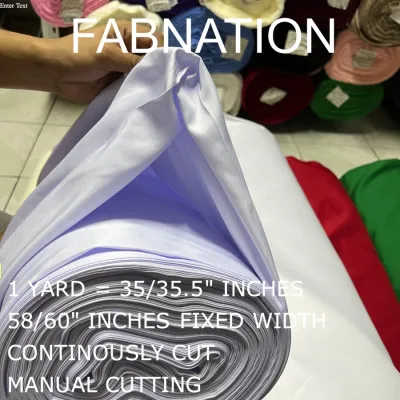
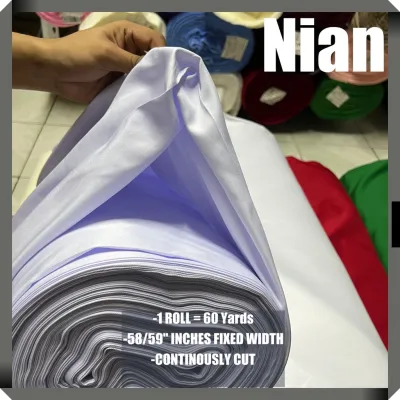
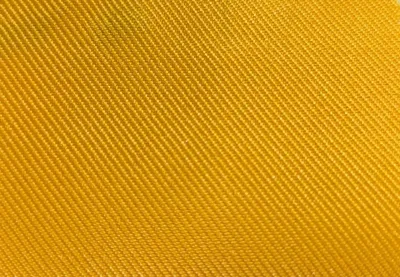
Prices are valid at publication and may change. Please refer to the product page for the latest price.
This diagonal wale is not just a visual feature; it is a structural element that defines the fabric’s physical integrity. The angle of the diagonal line can vary depending on the spacing and thickness of the yarns, ranging from steep angles to more gradual slopes. Because the threads are allowed to float over multiple yarns before dipping underneath, the fibers pack together tightly, resulting in a denser and more substantial fabric than a basic plain weave.
When working with twill, identifying the technical face—the front side of the fabric—is crucial for proper garment construction. The technical face typically features the most pronounced, raised diagonal ribs and has a slightly smoother texture. The back of the fabric, or the technical back, generally shows a much flatter, less defined diagonal pattern. Always examine your fabric under clear, bright light to ensure you align the technical face consistently across all cut pieces of your project.
Identifying Key Texture and Drape Properties
The offset structure of twill directly influences how the fabric feels and moves. Because the yarns have fewer intersections per square inch compared to a plain weave, the threads can slide more freely against one another. This structural freedom gives twill a softer hand feel and a more fluid, natural drape. Even heavyweight twill fabrics retain a degree of flexibility, allowing them to conform comfortably to curves and movement.

Wrinkle resistance is another notable benefit of this weaving technique. The diagonal alignment of the fibers helps distribute stress and bending forces across a wider area, making the fabric less prone to sharp creasing. When creases do form, they tend to relax more quickly than those in tightly woven plain fabrics. This characteristic makes twill an excellent choice for everyday apparel, travel wear, and home textiles that must maintain a neat appearance throughout the day.
The diagonal pattern also creates visual depth by catching light at different angles, giving the surface a subtle, rich texture. This textured surface is highly practical, as the diagonal lines and shadows help mask minor surface stains, dust, and wear. For busy environments or items subjected to frequent handling, this inherent camouflaging ability helps keep products looking clean and presentable between washes.
In warm and humid tropical environments, the physical comfort of twill depends heavily on its fiber composition and weight. While the dense weave naturally blocks wind and dust, a lightweight cotton or rayon twill allows for sufficient air circulation. Choosing the correct fiber blend ensures that the fabric remains comfortable to wear even when the humidity levels rise.
Comparing Twill to Plain and Satin Weaves
Understanding how twill compares to plain and satin weaves helps you select the best material for your specific application. A plain weave features the highest frequency of yarn intersections, which makes it highly stable but also stiffer and more prone to wrinkling. Satin weaves, on the other hand, feature long “floats” where warp or weft yarns pass over several threads at once, creating an exceptionally smooth, lustrous surface that is prone to snagging.
Twill sits comfortably between these two extremes, offering a balanced combination of durability and flexibility. It lacks the high-gloss sheen of satin but provides far more luster and drape than a standard plain weave. Because the yarns are packed tightly together, twill is generally more resistant to tearing and abrasion than plain weave fabrics of a similar weight, while remaining much more durable and snag-resistant than delicate satin.
When deciding which weave to use, consider the primary requirements of your project. If you need a crisp, lightweight structure for basic crafts or light summer shirts, a plain weave is often the most straightforward choice. If your project demands a luxurious, high-shine finish for formal wear or decorative accents, satin is the ideal option. Choose twill when your priority is a balance of durability, soft drape, wrinkle resistance, and a textured, professional appearance.
Selecting the Right Twill for Your Project
When purchasing twill fabric from local textile distributors or online marketplaces, evaluating the fabric weight is your first step. Fabric weight is typically measured in grams per square meter (GSM) or ounces per square yard. Lightweight twills (under 150 GSM) are ideal for breathable shirts, summer dresses, and lightweight linings. Medium-weight options (150 to 250 GSM) work well for trousers, skirts, and school uniforms, while heavyweight twills (above 250 GSM) are best suited for jackets, workwear, bags, and home upholstery.
The fiber content of the twill significantly alters its performance, care requirements, and comfort. Cotton twill is highly breathable, soft, and comfortable against the skin, making it a popular choice for tropical clothing. Polyester twill offers excellent color retention, high resistance to shrinking, and enhanced durability, though it may feel warmer in humid weather. Blended fabrics, such as polyester-cotton (poly-cotton) twill, combine the breathability of cotton with the strength and wrinkle resistance of polyester, making them highly practical for daily wear.
Before finalizing your purchase, always verify the manufacturer’s specifications for shrinkage and colorfastness. Cotton-heavy twills can shrink significantly during the first wash, so purchasing a slightly larger quantity to allow for pre-washing is a wise precaution. Check the product listing or label for care symbols and application limits to ensure the fabric is rated for your intended use, whether that involves heavy-duty sewing machines or standard home crafting tools.
If you are sourcing materials locally, prices can vary widely per yard depending on the fiber blend, width, and origin of the textile. Comparing specifications across different suppliers on your preferred online marketplace helps ensure you receive a high-quality weave that matches your budget and project requirements.
Navigating Care and Maintenance Instructions
Proper maintenance preserves the distinct diagonal texture and structural integrity of twill fabric over time. Washing and drying instructions should always be guided by the fiber content of the fabric rather than the weave pattern alone. For instance, pure cotton twill may require cool water washes and low-heat drying to prevent shrinkage, while synthetic blends can tolerate warmer temperatures. Always refer to the manufacturer’s care label for specific temperature and cycle recommendations.
When ironing twill, take care to preserve the raised diagonal ribs. Pressing the fabric with excessive heat or pressure on the technical face can flatten the texture and leave a shiny, permanent mark. To prevent this, iron the fabric on the reverse side (the technical back) whenever possible. If you must iron the front, use a low to medium heat setting and place a clean, damp pressing cloth between the iron and the fabric surface.
Certain high-end or heavily structured twill items, such as tailored jackets or heavy upholstery covers, may require professional dry cleaning to maintain their shape. If the manufacturer’s label specifies dry clean only, avoid attempting to wash the item at home, as water exposure can distort the internal interfacing or cause uneven shrinkage. Regularly brushing the surface of heavy twill items with a soft-bristled clothes brush can remove surface dust and prolong the time between deep cleanings.
Frequently Asked Questions (FAQ)
Is twill fabric always made of cotton?
No, twill is a method of weaving threads, not a specific fiber. While cotton is one of the most common fibers used to make twill, you can find twill fabrics woven from polyester, wool, silk, rayon, and various synthetic or natural blends. Always check the product label or manufacturer specifications to confirm the exact fiber content, as this determines how the fabric feels, breathes, and should be washed.
Does the diagonal pattern affect how I cut the fabric?
Yes, the diagonal wale of twill fabric requires careful alignment during the cutting process. You must align your pattern pieces accurately with the fabric’s grainline to ensure the diagonal lines run consistently across the finished item. Additionally, because of the offset weave, twill can have slightly more stretch along the bias (diagonal) than plain weaves, so handle cut edges gently to avoid stretching them out of shape before sewing.
Can twill fabric be used for heavy-duty projects?
Twill can be highly suitable for heavy-duty projects, but its durability depends on the fiber content, yarn thickness, and weave density rather than just the diagonal structure itself. A heavyweight polyester or nylon twill will offer significantly more abrasion resistance than a lightweight cotton twill. For demanding applications like bags, outdoor gear, or upholstery, always check the manufacturer’s weight specifications and abrasion ratings to ensure the fabric is designed to withstand heavy wear.
Community discussion
Share your experience or ask a question. Comments are reviewed before publication.