
Crafting with fuzzy wires—traditionally known as chenille stems—has evolved from a simple classroom activity into a highly popular medium for intricate DIY projects, home decor, and handmade gifts. Whether you are planning to create realistic flower bouquets, adorable animal figurines, or festive holiday ornaments, having the right materials on hand makes all the difference. A truly complete fuzzy wire set provides a seamless crafting experience by bundling high-quality wires with the exact tools and embellishments needed to bring your designs to life.
For crafters in the Philippines, finding a well-curated kit means balancing variety, quantity, and material durability against local environmental factors like tropical humidity. A complete set saves you the time and effort of sourcing individual components separately, ensuring that your creative flow is never interrupted by a missing tool or an insufficient color supply. Understanding what goes into a high-quality kit will help you make an informed purchase that perfectly matches your project goals.
What to Look for in a Complete Fuzzy Wire Kit
Standard fuzzy wires, typically measuring around six millimeters in diameter and thirty centimeters in length, form the backbone of most DIY projects. However, a truly complete set should offer a thoughtful mix of wire sizes and textures. Jumbo wires, which range from ten to twelve millimeters in thickness, are excellent for creating fluffy animal bodies, thick flower petals, or structural bases that require extra volume. Textured, wavy, or striped wires add immediate visual depth to your creations, allowing you to achieve complex patterns without needing to twist multiple strands together manually.
Products mentioned in this guide
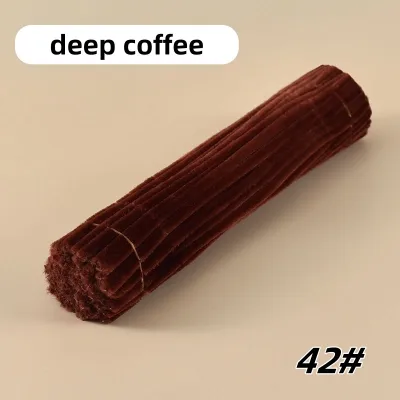
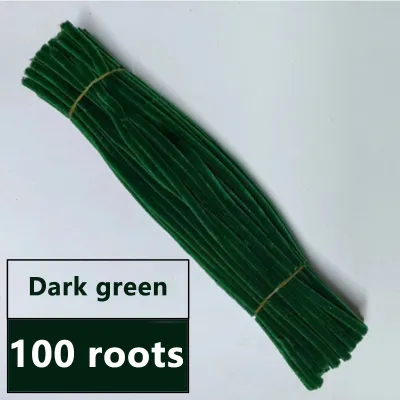
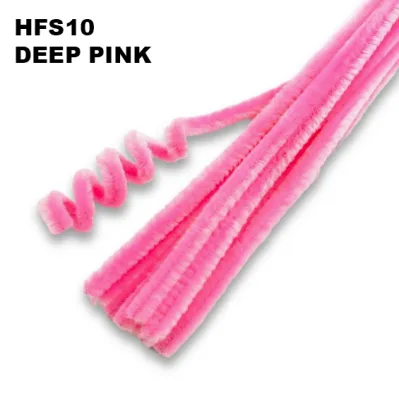
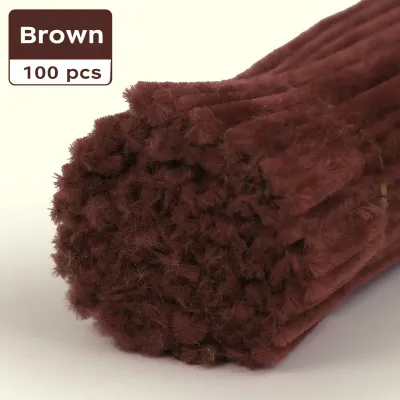
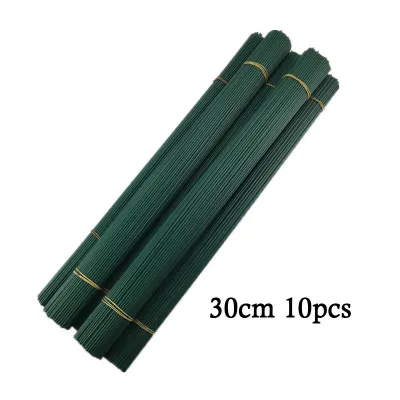
Prices are valid at publication and may change. Please refer to the product page for the latest price.
Many beginners overlook the practical tools required to work with metal-core stems safely and efficiently. Standard school scissors can quickly become dull, nicked, or completely ruined if they are repeatedly used to cut through the inner metal wire of a chenille stem. A comprehensive craft kit often addresses this by including a small, dedicated pair of wire cutters or robust craft shears designed to slice through thin metal cleanly. Additionally, look for kits that supply appropriate adhesives, such as non-toxic white craft glue for younger crafters or clear instructions on using low-temperature glue guns for adult hobbyists who require a faster, stronger bond for complex structures.
To transform simple bent wires into expressive characters and detailed models, a complete set must feature a generous assortment of embellishments. Look for kits that include googly eyes in various sizes, ideally with self-adhesive backings to eliminate the mess of liquid glue. Colorful plastic beads with wide center holes are also highly valuable, as they can be easily threaded onto the wires to create jointed limbs, decorative patterns, or structural spacers. Soft pom-poms of varying diameters round out the essential embellishments, serving as excellent noses, cheeks, or core shapes around which you can wrap your fuzzy wires.
How to Choose the Right Color Palette and Piece Count
When browsing online marketplaces or local stationery stores, you will encounter fuzzy wire sets in a wide range of quantities. A basic starter pack of 50 to 100 pieces is ideal for a single afternoon project, a quick school assignment, or for beginners who want to test their interest in the hobby without a significant upfront investment. For classrooms, birthday parties, or community workshops, bulk sets containing 300 to 500 or more pieces offer the best value per unit and ensure that multiple participants have ample material to work with. Advanced hobbyists planning intricate, multi-layered sculptures should seek out specialized kits of 150 to 250 pieces that prioritize material variety and unique textures over sheer volume.

A balanced color distribution within the set is just as important as the total piece count. Standard sets usually feature a bright, high-contrast mix of primary and secondary solid colors, which are perfect for general crafting and children’s projects. However, specialized DIY projects often require a more nuanced color palette. For example, crafting realistic floral arrangements benefits greatly from pastel shades like soft pink, lavender, cream, and mint green, while festive holiday decorations shine brightest when using metallic tinsel wires in gold, silver, and crimson. Ensure the set you select offers a healthy balance of these specialty tones rather than just basic bright colors.
One of the most common frustrations in DIY crafting is running out of a specific, dominant color halfway through a project. Creating a single medium-sized fuzzy wire rose, for instance, can easily consume five to eight green wires for the stem and leaves, and up to ten red or pink wires for the petals. If you purchase a multi-color set of 100 pieces that only contains five wires of each color, you will quickly find yourself unable to complete even a single full flower. To prevent this, always calculate your project requirements beforehand and look for sets that specify the quantity per color rather than just advertising a high total piece count.
How to Verify Material Quality and Safety Before Buying
The density and attachment of the fuzzy fibers around the wire core are the primary indicators of overall quality. Low-grade fuzzy wires tend to shed excessively when bent, twisted, or cut, leaving unsightly bare patches of metal wire exposed and creating a messy workspace. To verify quality before committing to a large purchase, read user feedback for mentions of fiber density and shedding resistance. If you are purchasing in person at a local craft store, you can perform a simple manual check: gently tug the fibers near the tip of a single stem to observe if they slide off easily or remain firmly locked within the twisted wire core.
The inner core of a chenille stem must strike a delicate balance between flexibility and structural integrity. It should bend smoothly under light finger pressure without snapping, yet remain stiff enough to hold its shape under the weight of added embellishments or heavy paper elements. In the tropical climate of the Philippines, high humidity can cause cheap, untreated iron wire cores to rust over time. This rust can seep through the fibers, leaving brown stains that ruin white, pastel, or light-colored crafts. Look for product specifications that indicate rust-resistant or coated wire cores to ensure your handmade creations remain beautiful for years to come.
Safety is a paramount consideration, especially when crafting with young children or during prolonged body contact. Because fuzzy wires are cut to length during manufacturing, their ends often feature sharp, exposed metal points that can easily scratch sensitive skin. High-quality kits designed specifically for children may feature folded or protected ends to minimize this risk. Regardless of the kit you choose, it is excellent practice to teach crafters to fold the sharp metal tips inward using a small pair of pliers before starting. Additionally, verify that the set carries non-toxic material certifications and keep small embellishments like beads and googly eyes out of reach of children under three years old to prevent choking hazards.
Which Set Specifications Match Your Crafting Needs?
If you are crafting occasionally at home or looking for a fun weekend activity to share with your family, a small to medium-sized multi-color set is your best option. Look for kits containing 100 to 150 pieces that bundle standard six-millimeter wires with a colorful assortment of googly eyes, pom-poms, and basic project instructions. These sets are highly accessible, typically ranging from ₱150 to ₱350, making them an affordable way to spark creativity and complete a few charming projects without creating excess storage clutter in your home.
For teachers organizing classroom activities, camp coordinators, or party planners, cost-efficiency and quantity are the primary drivers. Opt for bulk packs of 300 to 500 or more pieces that focus heavily on standard solid colors. These bulk options offer the lowest cost-per-piece and ensure that every participant has access to a wide range of colors for their designs. You can purchase supplementary items like glue, child-safe scissors, and embellishments separately in bulk to keep overall expenses within your school or event budget while maximizing the number of active crafters.
Experienced crafters focusing on detailed projects, such as realistic chenille flower bouquets, holiday wreaths, or complex animal sculptures, require specialized materials. Instead of standard bulk packs, look for curated sets that feature extra-thick jumbo wires, metallic tinsel stems, and a wide spectrum of gradient or pastel colors. While these sets may have a lower overall piece count for the price, the superior texture, density, and unique color options are essential for achieving professional-looking, durable results that stand out.
Frequently Asked Questions (FAQ)
How should I store leftover fuzzy wires to prevent damage?
To keep your unused fuzzy wires in pristine condition, store them in dry, airtight plastic containers or heavy-duty zip-top bags. This is particularly important in humid tropical environments, as sealing the wires protects the inner metal cores from moisture-induced rust and keeps the outer fibers free from dust, lint, and pet hair. Always store the stems flat or coiled very gently; placing heavy craft books, tools, or storage boxes on top of them can permanently bend, kink, or flatten the fluffy chenille pile, making them difficult to shape during future projects.
Can fuzzy wires be washed if they get dirty during a craft project?
Fully immersing fuzzy wires in water is highly discouraged. The inner core is typically made of iron or steel, which rusts rapidly when exposed to water, causing unsightly brown stains to bleed through and ruin the colorful outer fibers. If your craft gets dusty or slightly dirty, opt for gentle spot cleaning instead. Use a soft, dry brush to sweep away dust, or lightly dab the soiled area with a barely damp cloth. Always check the manufacturer’s packaging for specific care instructions, as some synthetic fibers may tolerate mild spot treatments better than others.
Community discussion
Share your experience or ask a question. Comments are reviewed before publication.