
Quick Answer: What Defines a High-Value Kids' Bracelet Kit?
A high-value DIY bracelet kit set for kids is defined by its balance of safety, structural durability, and creative variety, rather than a massive but unusable piece count. A well-rounded kit must include high-quality acrylic, wooden, or silicone beads with smooth edges, durable elastic cords that resist snapping under tension, and kid-friendly clasps that do not require advanced motor skills to operate. Additionally, the inclusion of a sturdy, compartmentalized storage container and essential crafting tools prevents the inevitable mess and lost components that frustrate young creators.
True value lies in a kit’s replayability. This means ensuring that the elastic string does not dry out or snap, the bead colors do not fade under tropical humidity, and the alphabet beads contain enough vowels to actually spell out names. By prioritizing material integrity over sheer volume, parents can avoid the disappointment of broken bracelets and provide a satisfying, independent crafting experience that keeps children engaged for hours.
Essential Bead Materials and Shapes for Maximum Creativity
The beads are the heart of any jewelry-making set, and their material composition directly dictates both the safety of the child and the longevity of their creations. When evaluating a kit, understanding the characteristics of different bead types helps you determine if the set is worth your investment.
Products mentioned in this guide
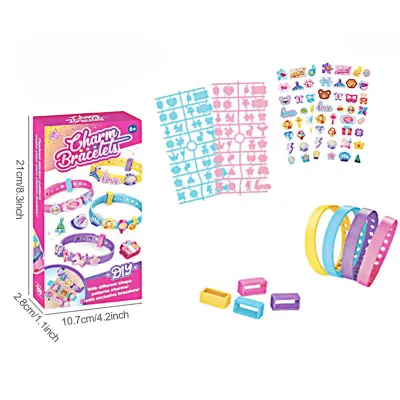
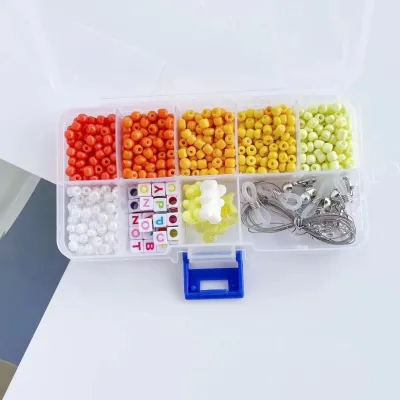
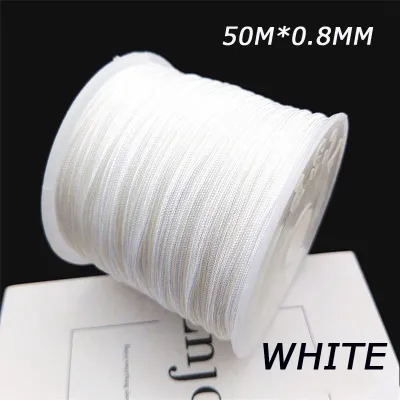
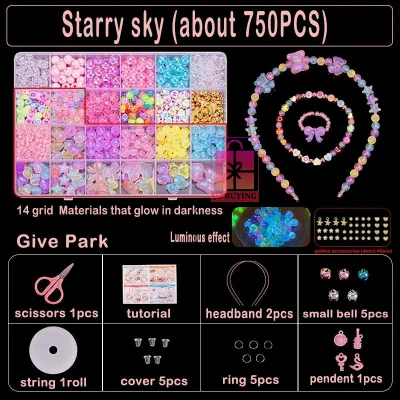
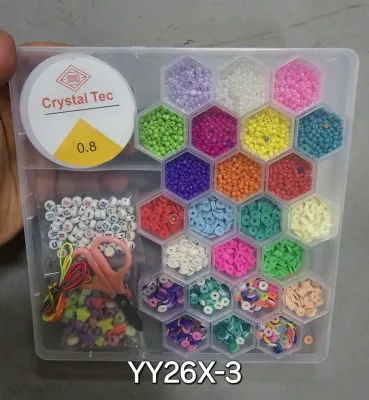
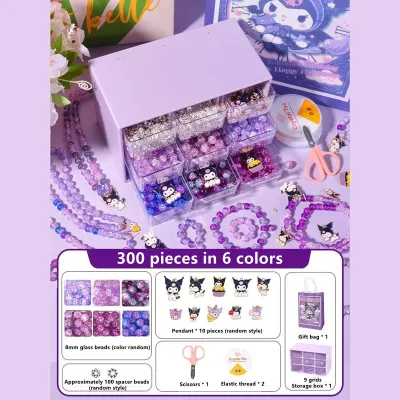
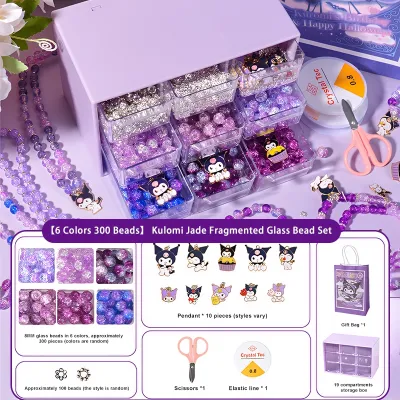
Prices are valid at publication and may change. Please refer to the product page for the latest price.

Acrylic and Plastic Beads
Acrylic and plastic beads are the most common components in children’s crafting sets because they are lightweight, vibrant, and highly budget-friendly. However, quality varies significantly between manufacturers. Low-quality plastic beads often feature sharp, unfinished edges from the injection molding process, which can scratch sensitive skin or cut through elastic cords.
In warm, humid tropical environments, cheap plastics can also develop a sticky texture or fade rapidly when exposed to sunlight and sweat. Look for kits that feature smooth, polished acrylic beads with consistent, pre-drilled holes that allow strings to pass through without resistance.
Wooden Beads
Wooden beads introduce a wonderful tactile, organic element to jewelry making. They are excellent for sensory play and offer a classic, rustic aesthetic that appeals to older children. When choosing a kit with wooden components, verify that the surfaces are completely splinter-free and finished with non-toxic, water-based sealants. Unsealed wood can absorb moisture from sweat or humid air, leading to mold growth or discoloration over time. High-quality wooden beads should feel smooth to the touch and feature vibrant, lead-free painted finishes.
Alphabet and Number Beads
Personalization is a major driver of engagement in kids’ jewelry making. Alphabet and number beads allow children to spell out names, school team names, or friendship phrases. The key to a good alphabet bead set is the print quality and the letter distribution. Cheap kits often feature misaligned, blurry letters that rub off within days of wear.
Furthermore, lower-tier kits frequently distribute letters randomly, leaving children with an abundance of uncommon consonants and a severe shortage of essential vowels like A, E, I, O, and U. Premium kits solve this by guaranteeing a balanced distribution or including extra vowel packs.
Glass or Crystal Beads
Glass and faux-crystal beads add a beautiful, light-catching sparkle that instantly elevates a bracelet’s appearance. However, because glass can shatter upon impact and poses a severe choking risk, these materials require strict age verification.
Glass beads are generally unsuitable for children under the age of eight. If a kit includes glass beads, ensure they are made of tempered, thick glass that resists cracking when dropped on hard tiled floors, which are common in many households.
How to Evaluate Bead Variety
To get the best value, look for a kit that balances solid-colored spacer beads with high-interest specialty shapes. A set that advertises 5,000 pieces but consists of 95% microscopic plastic seed beads is incredibly frustrating for young children whose fine motor skills are still developing. A high-value kit should offer a curated mix of round spacers, disc beads, and specialty shapes like pastel stars, metallic hearts, and cute animal figures to inspire diverse design combinations.
Choosing the Right Strings and Clasps for Little Hands
A bracelet is only as strong as the string holding it together. The choice of stringing material and fastening mechanisms determines how easily a child can complete their project and how long the bracelet will survive daily wear.
Elastic Cords
Elastic cord is the gold standard for beginner-friendly, slip-on bracelets because it eliminates the need for complex clasps. However, cord thickness is a critical factor. Cords that are too thin (under 0.5mm) will snap easily under the tension of being stretched over a hand. Cords that are too thick (over 1.0mm) will not fit through the holes of standard alphabet or spacer beads.
Look for kits that provide high-quality TPU (thermoplastic polyurethane) or polyester-covered rubber elastic cords with a thickness of 0.7mm to 0.8mm. This range offers the perfect balance of strength, flexibility, and compatibility with most bead sizes. Additionally, the cord should have good stretch retention, snapping back to its original shape rather than remaining permanently stretched out after a single use.
Nylon and Waxed Cotton Threads
For older children who want to explore advanced techniques like macramé, braiding, or friendship knotting, nylon or waxed cotton threads are superior options. These materials are incredibly durable, resist fraying, and hold knots tightly.
Because these threads do not stretch, they require children to learn basic knot-tying skills or use mechanical clasps to make the bracelets wearable. Waxed cotton is particularly excellent for tropical climates because the wax coating provides a level of water resistance, preventing the thread from rotting or smelling damp after exposure to water.
Kid-Friendly Clasps
Standard metal spring-ring clasps are notoriously difficult for young children to manipulate and often lead to frustration during independent play. High-value kits replace these with accessible fastening options:
- Magnetic Clasps: These are highly recommended for younger children because they self-align and snap together effortlessly. They also serve as a safety feature, breaking away easily if the bracelet gets caught on an object during active play.
- Large Lobster Claws: These are easier to pinch and open than tiny jewelry clasps, making them suitable for children developing their fine motor skills.
- Toggle Clasps: Consisting of a metal bar and a ring, toggle clasps are highly visual and incredibly simple to secure, adding a professional look to finished pieces.
Ensuring Adequate Consumables
Because mistakes, accidental cuts, and knots are a natural part of the learning process, string is always the first component to run out. A high-value kit must include a generous amount of extra cordage—ideally at least 5 to 10 meters of elastic cord—along with a surplus of clasps and jump rings so that children can rebuild their designs without running out of essential structural parts.
Accessories, Tools, and Storage That Boost Long-Term Value
What separates a mediocre bag of loose parts from a premium crafting experience is the inclusion of thoughtful accessories, tools, and storage solutions. These additions keep the workspace organized and help children work independently.
Storage Solutions
Bead crafting can quickly turn into a household mess if components are not stored properly. A high-value kit should always come in a sturdy, compartmentalized plastic organizer box with a secure, tight-fitting lid.
If the lid does not seal flush against the internal dividers, beads will slide underneath and mix together during transport, ruining hours of sorting. Look for boxes with robust latches that won’t accidentally pop open if the container is dropped or packed in a school bag.
Basic Crafting Tools
To make the kit truly self-contained, look for the inclusion of basic, child-safe tools:
- Blunt-Tip Scissors: Safe for small hands to cut elastic and thread without risk of injury.
- Tweezers or Bead Scoops: Crucial for picking up tiny spacer beads or sorting colors.
- Bead Mats or Trays: A soft felt mat or a molded plastic tray prevents round beads from rolling off wooden tables or tiled floors, keeping the crafting session focused and tidy.
Charms and Pendants
Charms serve as the focal point of a bracelet, allowing children to express their personal style. High-quality metal alloy charms (which must be lead-free and nickel-free) or thick, colorful acrylic pendants instantly elevate a simple beaded strand. Ensure the kit includes sturdy, open jump rings that allow these charms to be easily attached to the main bracelet cord.
Instruction Booklets and Visual Guides
Do not underestimate the value of a well-designed instruction booklet. Instead of single-sheet, text-heavy black-and-white printouts, a premium kit provides a colorful, step-by-step visual guide. These guides should illustrate essential techniques, such as how to tie a secure surgeon’s knot (which prevents elastic from untying) and how to construct basic color-blocking patterns. Clear visual aids foster independent learning and reduce the need for constant adult assistance.
Safety Checks and Quality Verification for Parents
When purchasing a DIY bracelet kit set for kids, safety must always be the top priority. Because these items involve small parts and prolonged skin contact, parents should perform a few quick checks before purchasing or opening a kit.
Age Appropriateness and Choking Hazards
Always strictly adhere to the manufacturer’s age recommendations, which are typically set at ages 3+ or 6+ depending on the size of the components. Small beads, metal jump rings, and clasps are inherent choking hazards.
Even if your child is within the recommended age range, adult supervision is highly recommended during their first few crafting sessions to ensure they handle the small components safely. If you have younger toddlers in the household, establish a strict rule that bead crafting must take place at a high table out of reach of crawling hands.
Material Safety Labels
Because children wear these handmade bracelets directly against their skin for hours, the chemical safety of the materials is paramount. Look for recognized non-toxic certifications on the packaging, such as ASTM D-4236 (standard for labeling art materials for chronic health hazards) or EN71 (European toy safety standard).
Avoid unlabeled, generic bulk sets from unverified online sellers, as these may contain high levels of lead in painted wooden coatings, phthalates in cheap plastic beads, or nickel in metal charms, which can trigger allergic skin reactions.
Performing a Physical Inspection
When you first open a new kit, take a moment to inspect the quality of the components:
- Touch Test: Run your fingers over the plastic and metal pieces to check for sharp, jagged edges that could scratch skin.
- Tension Test: Cut a small piece of the included elastic cord and stretch it firmly several times to ensure it does not fray, snap, or lose its elasticity.
- Smell Test: A strong, noxious chemical or gasoline-like odor coming from the plastic container or beads is a clear sign of low-grade, poorly cured plastics that should not be handled by children.
Durability versus Price
In the local market, kids’ bracelet kits can range anywhere from ₱150 to over ₱1,200. While a massive 10,000-piece set for ₱200 on an online marketplace might seem like an incredible bargain, it often results in broken strings, fading colors, and frustrated children.
Investing ₱500 to ₱800 in a slightly smaller, well-curated, and certified non-toxic kit with durable elastic, fade-resistant beads, and secure clasps offers far better long-term value. It ensures a safe, happy crafting experience and results in beautiful, wearable jewelry that actually lasts.
Community discussion
Share your experience or ask a question. Comments are reviewed before publication.