
Selecting the right air dry clay set involves evaluating several critical material properties to ensure your finished projects are durable, detailed, and resistant to environmental damage. Unlike traditional ceramic clays that require a high-temperature kiln, air dry clay cures at room temperature through the simple evaporation of its water content. However, because it cures under ambient conditions, its performance is highly sensitive to its base ingredients, the surrounding humidity, and the techniques you use during the sculpting process.
To find a set that matches your crafting goals, you must look beyond colorful packaging and generic product descriptions. Prioritizing properties such as base composition, texture, drying behavior, shrinkage rates, and post-cure finish quality will save you from the frustration of cracked sculptures, warped details, or mold growth. Understanding these characteristics allows you to choose a medium that behaves predictably from the moment you open the package to the final application of a protective sealant.
Understanding the Base Composition of Air Dry Clay
The primary ingredients of air dry clay dictate its weight, strength, flexibility, and overall behavior during and after the drying process. When browsing online marketplaces or local craft supply stores, decoding the manufacturer’s ingredient keywords will help you predict how the clay will handle. Most commercial air dry clays fall into three distinct categories, each offering unique physical properties.
Products mentioned in this guide
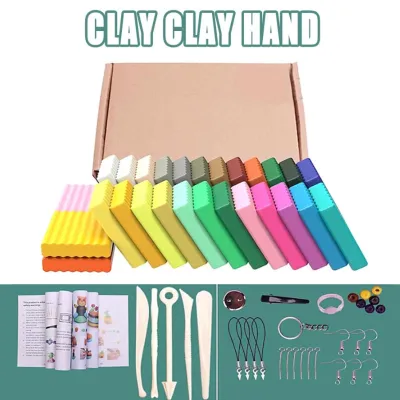
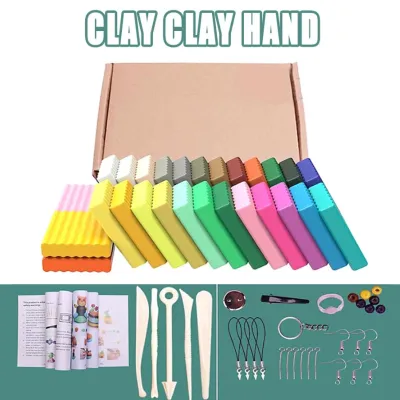
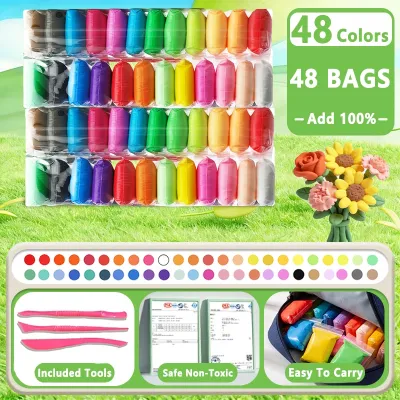
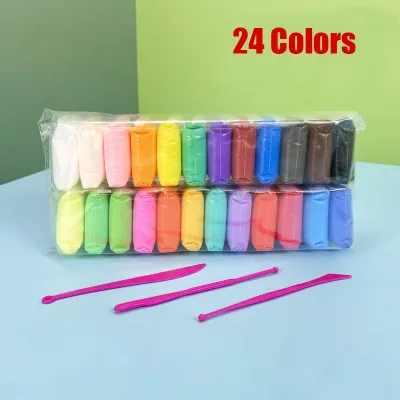
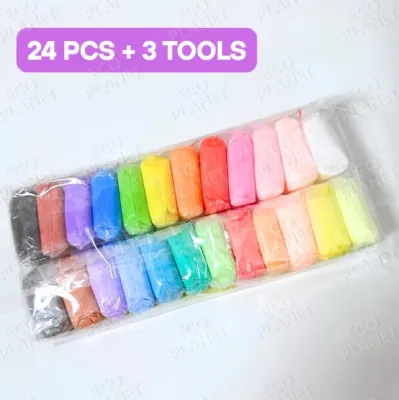
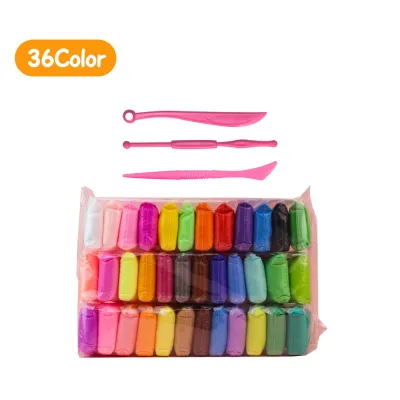
Prices are valid at publication and may change. Please refer to the product page for the latest price.
Paper-based clays, often labeled as cellulose clay, lightweight clay, or foam clay, utilize natural paper fibers as their primary structural binder. These clays are exceptionally lightweight, soft to the touch, and easy to knead, making them popular for classroom projects, school crafts, and large, hollow structures. When dry, paper-based clay retains a slightly velvety, paper-like texture and is highly drop-resistant, though it remains highly sensitive to moisture and is prone to tearing if pulled too thin during sculpting.
Resin-based clays, frequently sold under names like cold porcelain, resin clay, or polymer air dry clay, incorporate synthetic or natural resin binders. This composition yields a highly elastic, dense, and slightly translucent material that can be rolled into paper-thin sheets without tearing. Once fully cured, resin-based clay dries to a firm, slightly flexible, plastic-like finish that resists shattering, making it the premier choice for crafting delicate flower petals, intricate jewelry, and miniature figurines.
Mineral-based clays, commonly marketed as stone clay, terracotta, or earthy air dry clay, consist of natural clay minerals mixed with specialized binders. These clays mimic the heavy, cool, and plastic feel of traditional pottery clay. Mineral-based clays are excellent for carving, sanding, and achieving a classic ceramic-like aesthetic, but they are heavier, more brittle when dry, and require careful structural support to prevent sagging.
Texture and Workability: Matching the Clay to Your Project
Workability refers to how the clay responds to the pressure of your hands and sculpting tools. A clay’s texture determines whether it can hold microscopic details or support its own weight in larger structures. When shopping online, you can assess workability by looking closely at product demonstration photos and reading customer feedback for specific behavioral terms.

High-quality listings often showcase the clay being stretched, rolled, or stamped. If the clay stretches significantly before snapping, it possesses high elasticity, which is ideal for fine detail work. If it crumbles or tears quickly, it is likely a short, low-plasticity clay better suited for blocky, rustic shapes. Reading reviews for mentions of stickiness, oiliness, or grittiness will also give you a clear picture of what to expect when you first handle the material.
Smooth and Fine-Grained Clays
Smooth, fine-grained clays are formulated without coarse fillers, allowing them to capture highly intricate impressions from silicone molds, stamps, and fine detailing needles. Out of the package, these clays feel buttery, uniform, and highly cohesive, offering minimal resistance when you press into them.
Because they lack internal fibers, these clays respond beautifully to smoothing tools and a damp fingertip, allowing you to erase seams and fingerprints with ease. They are the ideal choice for creating delicate miniatures, custom jewelry beads, and realistic doll parts where a flawless, porcelain-like surface is required.
Fibrous and Coarse Clays
Fibrous and coarse clays contain added structural fibers or fine grit that provide internal tensile strength. When you handle these clays, you may notice a slightly rougher texture or visible fibers when the clay is torn apart.
These fibers act as an internal skeleton, preventing the clay from sagging, drooping, or collapsing under its own weight while wet. This structural stability makes coarse clays highly suitable for building larger sculptures, wrapping clay around complex wire armatures, and introducing children to sculpting without the frustration of collapsing shapes.
Drying Time and Tropical Humidity Considerations
Because air dry clay cures through water evaporation, the ambient environment plays a massive role in how quickly and evenly your project dries. In tropical climates like the Philippines, where relative humidity levels frequently exceed 80%, the drying process behaves very differently than it does in dry, temperate regions.
High humidity naturally slows down the rate of evaporation, extending the curing time of your projects. While a standard mineral-based or paper-based clay might dry within 24 hours in a dry climate, it can easily take 48 to 72 hours to cure fully in humid conditions. If the clay remains damp for too long, there is an increased risk of surface mold developing, particularly on paper-based clays that contain organic cellulose fibers.
Resin-based clays generally dry faster on the surface than mineral-based clays, forming a skin within minutes. However, the inner core of a thick resin piece can take several days to cure completely. To avoid structural failure, always check the manufacturer’s guidelines for “touch dry” versus “fully cured” estimates, and keep in mind that these estimates are typically calculated under controlled laboratory conditions of 50% relative humidity.
To manage these environmental challenges, the thickness of your project is a critical factor. Any solid clay structure thicker than 1 centimeter is highly susceptible to uneven drying, which can cause the exterior to shrink and crack while the interior remains wet and soft. When planning a thick or bulky piece, you should use lightweight, non-absorbent armatures—such as crumpled aluminum foil, polystyrene foam, or wire mesh—to reduce the overall thickness of the clay layer.
Shrinkage and Cracking Resistance
Shrinkage is a physical reality for all water-based air dry clays. As the water mixed into the clay body evaporates into the air, the solid particles draw closer together, causing the entire piece to contract. The degree of shrinkage varies significantly depending on the clay’s base composition.
On average, paper-based and mineral-based clays experience a shrinkage rate of 5% to 15%, while high-quality resin-based clays typically shrink much less, often between 1% and 5%. When buying a set, look for explicit “low shrinkage” or “crack-resistant” claims on the packaging. To verify these claims, read user reviews specifically searching for photos of dried pieces to see if other crafters have experienced severe cracking, warping, or distorted dimensions.
Even with a premium, low-shrinkage clay set, you must employ proper structural techniques to prevent cracking during the drying phase:
- Scoring and Slipping: When joining two pieces of clay together, scratch both surfaces with a needle tool (scoring) and apply a small amount of water or wet clay paste (slip) to create a strong, unified bond.
- Gradual Thickness Transitions: Avoid joining extremely thick sections directly to paper-thin sections, as the different drying rates will pull the joint apart.
- Armature Buffering: If you are sculpting over a rigid armature like wire or glass, wrap the armature in a thin layer of compressible material, such as masking tape or aluminum foil, so the clay can shrink slightly without splitting against an unyielding core.
- Controlled Drying: If your working space is highly drafty or air-conditioned, cover your drying piece loosely with a sheet of plastic wrap to slow down the evaporation process, ensuring the outer shell does not dry too much faster than the core.
Finish Quality: Sanding, Painting, and Sealing
The usability of your air dry clay set does not end once the piece is dry. Depending on your project, you may need to sand away rough edges, carve in fine details, paint the surface, and apply a protective coating to shield it from dust and ambient moisture.
Once fully cured, mineral-based clays dry to a hard, chalky finish that is highly receptive to carving tools, drills, and sandpaper. You can easily smooth out imperfections using fine-grit sandpaper (400 to 800 grit). Resin-based clays, conversely, dry to a tough, slightly rubbery state that is highly durable but difficult to sand or carve without specialized rotary tools. Paper-based clays dry to a soft, velvety texture that can be trimmed with a craft knife but may fray if sanded aggressively.
Most air dry clays are highly compatible with common craft mediums. Acrylic paints are the industry standard, offering excellent coverage and vibrant color without introducing excessive moisture back into the dried clay. Watercolors and diluted acrylic washes can create beautiful, soft gradients on porous mineral and paper clays, but you must apply them sparingly to prevent the surface from softening. Alcohol-based markers and acrylic paint pens are excellent for drawing fine details on resin-based clays.
Because cured air dry clay remains sensitive to humidity and water, applying a high-quality sealant is essential, especially in tropical environments. Unsealed clay will gradually absorb moisture from the humid air, leading to softening, warping, and eventual mold growth. To protect your work, apply a clear acrylic varnish, polyurethane sealant, or UV resin coat. Always ensure the clay is 100% cured before sealing; trapping moisture inside the clay body with a waterproof barrier can cause the interior to rot or the sealant to bubble and peel.
Safety Labels and Age Appropriateness
When purchasing an air dry clay set, especially for children, classroom settings, or prolonged crafting sessions, safety certifications should be a primary consideration. Because you will be handling the material with your bare hands for hours, verifying the safety profile of the clay ensures a worry-free creative experience.
Look for recognized safety seals on the product packaging or online listing, such as the Art & Creative Materials Institute’s AP (Approved Product) Non-Toxic seal, or compliance with international standards like EN71 (European Toy Safety Standard) or ASTM D-4236. These certifications verify that the formulation does not contain harmful levels of toxic substances, heavy metals, or hazardous chemical preservatives.
Additionally, check user reviews for any complaints regarding strong chemical odors, artificial perfumes, or skin irritation. Some budget-friendly clay sets use heavy chemical preservatives to prevent mold growth in the package, which can emit a strong, unpleasant smell or cause contact dermatitis on sensitive skin. If you notice a strong chemical odor upon opening a package, work in a well-ventilated room.
It is important to remember that a “non-toxic” label does not mean the product is edible. Young children should always be supervised to prevent them from putting the clay in their mouths. Establish clear hygiene habits, such as washing hands thoroughly with soap and water after sculpting, keeping crafting surfaces clean, and avoiding touching your eyes or face while handling wet clay.
Frequently Asked Questions (FAQ)
Can I speed up the drying process with a hairdryer or oven?
Attempting to accelerate the drying process of air dry clay using direct heat sources like a hairdryer, heat gun, or kitchen oven is highly discouraged. Rapid, uneven heating causes the outer surface of the clay to dry, shrink, and harden quickly while the interior core remains wet and expanded. This extreme temperature and moisture gradient inevitably results in severe cracking, warping, bubbling, and structural failure.
Furthermore, baking air dry clay in a kitchen oven can be dangerous. Many resin-based and paper-based clays contain synthetic binders, plastics, or chemical preservatives that can melt, burn, or release harmful fumes when exposed to high temperatures. The safest way to dry your clay is to place the piece in a clean, well-ventilated room away from direct sunlight. To gently encourage drying in humid conditions, you can place a desk fan nearby on a low, indirect setting to maintain steady air circulation around the sculpture.
Is air dry clay waterproof after it dries?
No, air dry clay is not waterproof after it cures. Because air dry clay does not undergo the chemical and physical transformations that occur during kiln-firing, it remains water-soluble or highly susceptible to moisture degradation. If an unsealed, cured piece is exposed to water, splashed, or left in a highly damp environment, it will absorb the moisture, soften, lose its shape, and eventually dissolve back into mud.
To make your air dry clay projects water-resistant, you must apply an external waterproof sealant, varnish, or liquid epoxy resin once the piece is completely dry. While a sealed piece can withstand light wiping with a damp cloth for cleaning, it should never be used for functional tableware, flower vases that hold standing water, or outdoor displays exposed to heavy rain. Always perform an observable trial by applying your chosen sealant to a small, cured scrap piece of clay first to verify that it cures smoothly, does not dissolve the clay surface, and does not cause your paints to bleed.
Community discussion
Share your experience or ask a question. Comments are reviewed before publication.