
Finding the perfect Christmas gift bag is a practical decision that ensures your presents arrive safely and look beautiful under the tree. To choose the right size, you must match the physical dimensions of your gift—length, width, and depth—to the bag’s usable interior space, leaving a clear margin for tissue paper and easy handling. Selecting the correct bag prevents unsightly tears, keeps heavy items secure, and ensures your holiday presentation looks polished and intentional.
Quick Guide to Christmas Gift Bag Sizes
When selecting christmas bags for gift items, the core rule of thumb is that the bag must comfortably accommodate the item’s largest dimension while leaving enough clearance for wrapping materials. It is easy to focus solely on the height of a bag, but checking both the physical dimensions (including the depth or gusset) and the weight capacity is essential. A bag that is too small will stretch, warp, or tear at the seams, while a bag that is too large can cause the gift to shift awkwardly, potentially damaging the contents.
Different gift categories dictate specific bag shapes and structures. For example, lightweight but voluminous items like clothing require wide, flexible spaces, whereas heavy, compact items like electronics demand thick, reinforced materials. By matching the structural style of the bag to the physical characteristics of your present, you can ensure a secure fit that looks professional and keeps your gifts safe during transport.
Products mentioned in this guide
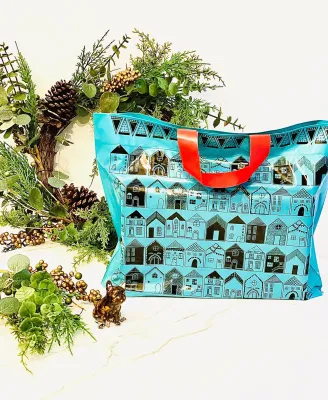
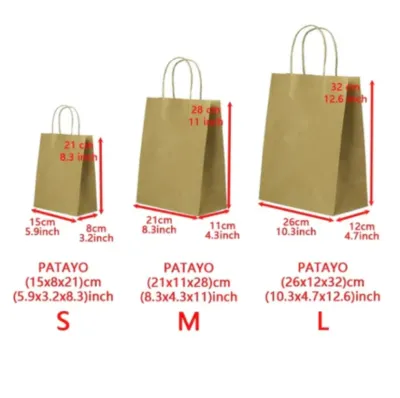

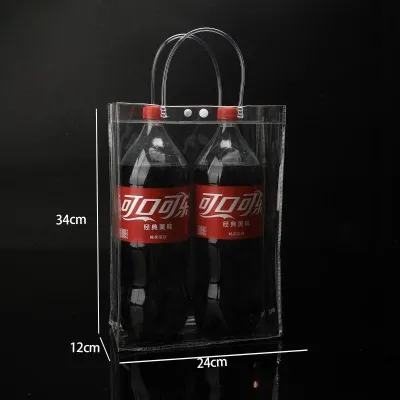
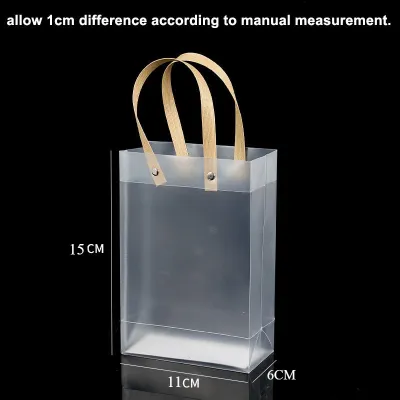
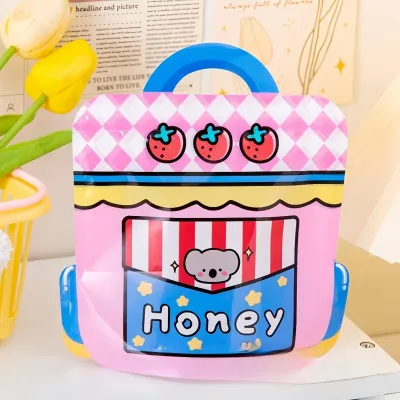
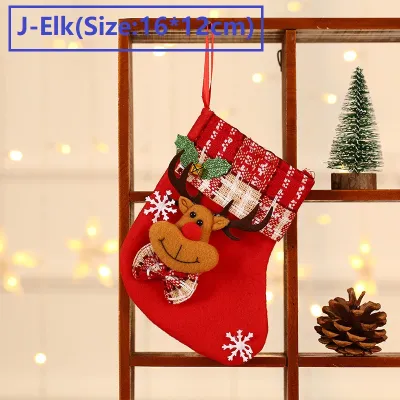
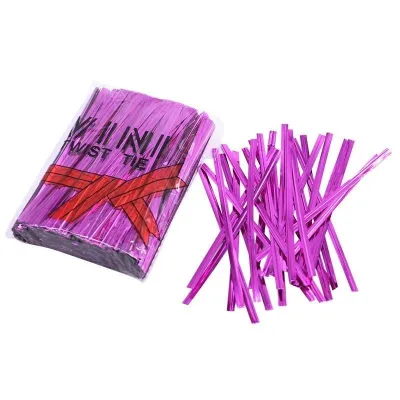
Prices are valid at publication and may change. Please refer to the product page for the latest price.
How to Measure Your Present for the Perfect Bag Fit
To avoid guesswork, always measure your gift before purchasing your wrapping supplies. For standard boxed items, use a ruler or measuring tape to find the exact length, width, and depth. If you are wrapping an unboxed or irregularly shaped item, measure the widest points along each of these three axes.

When comparing these measurements to a bag’s listed dimensions, pay close attention to the gusset, which is the fold on the sides and bottom that allows the bag to expand. The usable interior space of a bag is always slightly smaller than its flat, external dimensions. If your gift is 4 inches deep, a bag with a 4-inch gusset will be extremely tight; instead, opt for a bag with at least a 5-inch depth to prevent the paper from stretching to its breaking point.
Additionally, you must account for a clearance margin at the top of the bag. Leave at least 1 to 2 inches of space above the gift to allow the bag’s top to fold over naturally or to let decorative tissue paper fan out without exposing the item. Always verify the manufacturer’s listed dimensions on the product packaging or online store descriptions before purchasing.
Recommended Bag Sizes for Common Gift Categories
Different item shapes require different bag proportions to maintain structural integrity and visual appeal. Tall and narrow items need vertical support, while wide and flat items require a broad base to prevent tipping. Understanding these unique physical characteristics will help you evaluate the specific categories below.
Clothing and Accessories
Folded garments and accessory boxes are highly versatile but require specific bag shapes to look their best. For soft, folded items like sweaters, shirts, or local tropical wear, wider and shallower horizontal bags work best. This allows you to lay the folded fabric flat, minimizing deep creases. If you are gifting shoes or accessories in structured boxes, measure the box’s corners carefully and select a deep, square-bottomed bag. When gifting multiple heavy clothing items, such as thick denim jeans or structured jackets, prioritize bags with sturdy, reinforced handles to ensure they can carry the weight without tearing.
Toys and Board Games
Toy packaging is notoriously irregular, often featuring protruding plastic blisters, display windows, or odd angles. To find the right bag size, measure the longest diagonal of the toy box rather than just the flat sides, as this diagonal determines the minimum opening size the bag must have. For standard board games, choose flat, wide-bottomed bags that allow the game to lie horizontally. Forcing a wide board game box vertically into a narrow bag can bend the corners. Additionally, look for reinforced cardboard bases when gifting heavier items like building block sets or interactive electronic toys to prevent the bottom of the bag from sagging.
Electronics and Gadgets
Fragile, high-value tech items require a secure, snug fit to prevent excessive shifting during transport. A bag that is too large allows the device to slide around, increasing the risk of impact damage to delicate internal components. Select bags made from thick, durable materials, such as heavy-duty kraft paper or laminated cardstock, which can easily support the concentrated weight of smartphones, tablets, or portable speakers. Leave just enough room for a protective layer of tissue paper to cushion the device, keeping the package stable and compact.
Food Containers and Fragile Items
Holiday treats, baked goods, and bottled delicacies are popular gifts, but they require careful structural support to prevent messy spills. Always select bags with flat, rigid bottoms to keep food containers perfectly upright during transit. The opening must be wide enough to allow straight-down insertion without tilting. In warm, humid tropical climates, moisture can quickly soften standard paper bags; therefore, look for bags with moisture-resistant or coated interior materials when gifting chilled bottles, fresh pastries, or local delicacies. This simple check ensures the bag remains strong and dry, even if condensation occurs.
Material and Handle Considerations for Different Weights
Whether you are purchasing a budget-friendly ₱20 kraft bag or a premium ₱150 laminated option, the bag’s material determines its weight-bearing capacity. Lightweight paper bags are excellent for light items like cards or socks, but tear easily under pressure. Kraft paper offers superior tear resistance and a classic, rustic holiday look, making it highly reliable for medium-weight gifts. For heavy, fragile, or premium items, laminated paper or heavy cardstock provides the highest structural integrity and resistance to tearing.
The type of handle is equally important for carrying comfort and safety. Ribbon handles add an elegant, festive touch but can slip or stretch under heavy loads. Twisted paper handles are surprisingly strong and budget-friendly, though they can cut into your hands if the bag is heavy. For the best combination of comfort and strength, look for bags with soft, thick rope or cotton cord handles.
Before placing any gift inside, perform a quick inspection of the bag’s construction. Check that the bottom glue seam is fully sealed, the cardboard base insert is flat, and the handle knots or plastic T-ends are firmly anchored inside the metal grommets. If you are gifting a particularly heavy item that stretches the bag’s seams, consider double-bagging or switching to a rigid gift box to prevent accidents. When writing on the bag or tag, test your pen on a small corner first to ensure the ink dries quickly without smudging on glossy surfaces.
Tips for Packing Oddly Shaped or Oversized Gifts
Some holiday presents simply do not fit standard bag proportions. For oversized plush toys, sports equipment, or soft, irregular items, a large, flexible fabric or plastic gift bag is often the most practical solution. You can gather the top of the bag and tie it securely with a wide, festive ribbon, creating a beautiful, sack-like presentation that accommodates any shape.
To stabilize an awkward or top-heavy item in a standard bag, cut a piece of thick cardboard to match the bottom’s dimensions and place it inside. This simple base insert distributes weight evenly and prevents tipping. For exceptionally bulky items, consider alternative wrapping approaches, such as wrapping directly in decorative holiday fabric or using a reusable storage bin that serves as part of the gift.
Frequently Asked Questions (FAQ)
Can I use one bag size for multiple small gifts?
Yes, you can easily use a single bag for multiple small gifts, but you must calculate the total volume and footprint of the grouped items rather than just looking at their individual sizes. Arrange the items together on a flat surface exactly as you want them to sit inside the bag, then measure the overall length, width, and height of the entire grouping. A wider, gusseted bag with a flat, sturdy bottom is ideal for this setup, as it allows you to place the items side-by-side or stack them securely without them crushing each other or causing the bag to tilt.
How much extra space should I leave for tissue paper?
Tissue paper plays both a decorative and protective role, filling empty gaps and cushioning your items. As a general rule, choose a bag that is at least 2 to 3 inches taller than your gift. This extra height ensures that the tissue paper can be tucked securely around the item and fan out elegantly above the rim of the bag, completely concealing the present while creating a festive, professional, and voluminous look.
Community discussion
Share your experience or ask a question. Comments are reviewed before publication.