
When selecting thread for your next sewing project, encountering “Ticket 50” on a spool label can be confusing if you are accustomed to standard retail weight systems. In the sewing industry, Ticket 50 represents a sturdy, medium-weight thread designed for general garment construction and everyday sewing tasks. It offers a reliable balance of strength and thickness, making it a versatile choice for a wide variety of fabrics, particularly when working with standard domestic or industrial sewing machines.
Understanding the Sewing Thread Ticket Numbering System
The ticket numbering system is an industrial standard used by manufacturers to designate the thickness of a sewing thread. Historically, this system was established to help commercial garment makers quickly identify thread sizes without relying on complex mathematical formulas. It is fundamentally based on the relationship between the length of the thread and its weight, though the exact calculation can vary depending on the raw material, such as cotton, polyester, or core-spun blends.
In the metric ticket system (often abbreviated as Tkt. or No.), there is an inverse relationship between the ticket number and the actual thickness of the thread. This means that as the ticket number increases, the thread becomes finer and thinner. Conversely, a lower ticket number indicates a thicker, heavier thread. However, because numbering conventions can vary by region and manufacturing standard, a higher number does not universally guarantee a finer thread across every single brand or material type.
Products mentioned in this guide
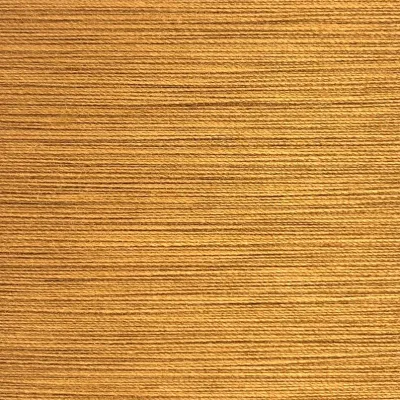
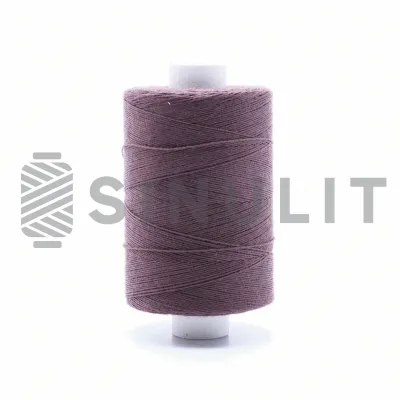
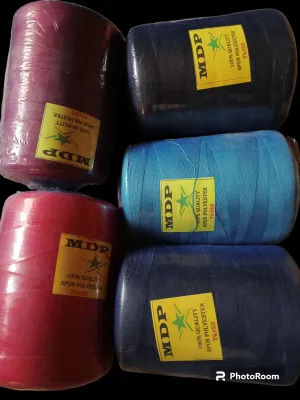
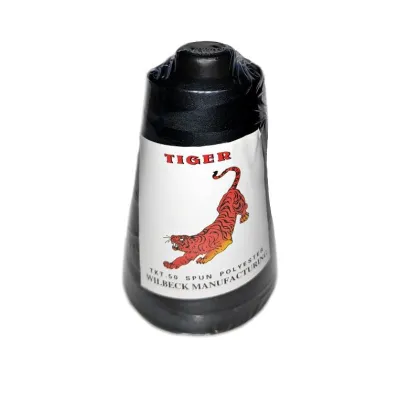
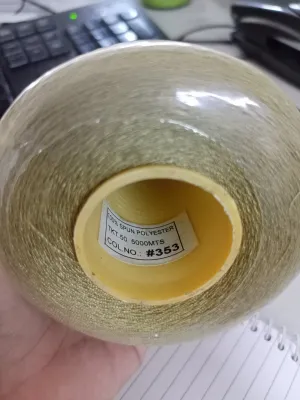
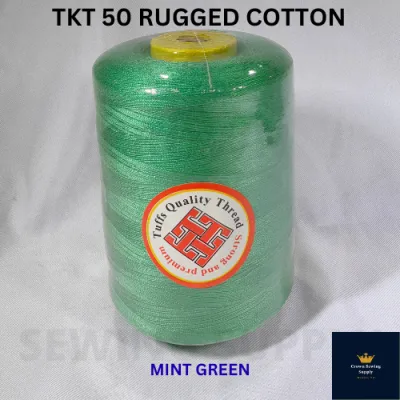
Prices are valid at publication and may change. Please refer to the product page for the latest price.
To avoid confusion and ensure you are purchasing the exact thickness required for your project, it is highly recommended to look for secondary, standardized metrics on the spool label. Look for the Tex value or Denier rating, which are direct measurement systems where a higher number always equals a thicker thread. Checking these standardized values provides a reliable baseline, especially when comparing threads from different manufacturers on local online marketplaces.
What Ticket 50 Means for Thickness and Fabric Compatibility
Ticket 50 is generally categorized as a medium-weight, all-purpose thread. It is robust enough to handle the stress of daily wear while remaining thin enough to blend smoothly into the seams of standard apparel. In tropical climates like the Philippines, where lightweight and breathable clothing is essential, this thread weight is highly suitable for sewing medium-weight cottons, linen blends, and standard polyester-cotton fabrics used in everyday wear, school uniforms, and casual shirts.

While Ticket 50 is highly versatile, it does have its limitations. It is typically too thick and heavy for delicate, sheer materials like chiffon, organza, or fine silk, where a heavy thread can cause unsightly seam puckering or fabric distortion. On the other end of the spectrum, it lacks the sheer tensile strength required for heavy-duty applications like thick denim jeans, canvas bags, or outdoor upholstery, where a much thicker thread is necessary to prevent seam failure.
Achieving clean, professional stitches with Ticket 50 also requires matching your sewing machine needle to the thread thickness. Using a needle that is too small can cause the thread to shred, jam, or skip stitches, while a needle that is too large can leave permanent, visible holes in your fabric. For Ticket 50 thread, a standard universal or sharp needle in size 80/12 or 90/14 is generally the ideal starting point to ensure smooth feeding and balanced tension.
Comparing Ticket 50 to Other Common Thread Sizes
To understand where Ticket 50 fits on the sewing spectrum, it helps to compare it directly with other common thread sizes you might encounter at your local haberdashery or craft store.
| Thread Size / Ticket | Relative Thickness | Typical Fabric Weight | Common Applications |
|---|---|---|---|
| Ticket 30 to 40 | Thick / Heavy | Heavyweight | Denim, canvas, upholstery, decorative topstitching |
| Ticket 50 | Medium | Medium-weight | Cottons, linens, synthetic blends, casual apparel |
| Ticket 120 to 150 | Fine / Thin | Lightweight | Chiffon, silk, lingerie, delicate heirloom sewing |
Heavier threads, such as those designated as Ticket 30 or Ticket 40, are noticeably thicker and are engineered to withstand high tension and heavy friction. These are the threads you would choose for structural seams on workwear or for creating bold, visible topstitching on jeans.
In contrast, finer threads like Ticket 120 or Ticket 150 are designed to disappear into lightweight fabrics. They are excellent for delicate hand-sewing, intricate embroidery, or constructing lightweight summer dresses where bulky seams would ruin the drape of the fabric. Choosing Ticket 50 gives you a reliable middle ground that handles most standard sewing tasks without the bulk of heavy thread or the fragility of ultra-fine options.
How to Verify and Choose the Right Thread for Your Project
When exact ticket numbers are unclear, inconsistently labeled, or missing from a budget-friendly spool, you can use practical verification methods to ensure the thread is right for your fabric. Whether you are purchasing a budget-friendly spool for under ₱100 or investing in premium industrial cones, start with a simple visual inspection: drape a single strand of the thread across a scrap piece of your project fabric. The thread should sit comfortably within the weave of the fabric without looking excessively bulky or completely disappearing. You can also perform a gentle pull test to gauge its strength and check for any immediate fraying or weak spots.
Before sewing your actual garment or project, always test your machine’s tension and stitch quality on a scrap piece of the same fabric. Sew a few straight and zigzag lines to check for puckering, skipped stitches, or unbalanced tension. If the fabric puckers, you may need to loosen the upper tension or switch to a slightly finer needle.
Finally, remember to consult your specific sewing machine’s user manual. Manufacturers often provide detailed charts recommending specific thread weights and needle size combinations for different fabric types. Following these guidelines will help you achieve optimal stitch quality and protect your machine’s tension mechanism from unnecessary wear.
Frequently Asked Questions (FAQ)
Is Ticket 50 the same as 50-weight (50wt) thread?
No, Ticket 50 is not the same as a 50-weight (50wt) thread. While the numbers are identical, they belong to entirely different measurement systems. In the consumer-facing weight (wt) system, a higher number also indicates a finer thread, but the scale is calibrated differently; a 50wt thread is actually quite thin and is commonly used for quilting or delicate piecing. Ticket 50, being an industrial metric designation, is significantly thicker and closer to a standard 30wt or 40wt consumer thread. To avoid mistakes, always verify the Tex or Denier value printed on the spool label.
Can I use Ticket 50 thread in my serger or overlock machine?
Yes, you can use Ticket 50 thread in a serger or overlock machine, but it requires careful consideration. Because sergers use multiple threads simultaneously to wrap fabric edges, using a medium-weight Ticket 50 thread in all loopers and needles can result in a bulky, stiff seam, especially on lightweight tropical fabrics. It is often better to use Ticket 50 only in the needles for structural strength, while using a finer, specialized overlock thread (such as Ticket 120) in the loopers to keep the finished edge soft and flexible. Always consult your serger’s manual for specific tension adjustments when mixing thread weights.
Community discussion
Share your experience or ask a question. Comments are reviewed before publication.