
Selecting a high-quality pony beads set is the foundation of any successful jewelry-making, hair-braiding, or school crafting project. While these classic, barrel-shaped plastic beads may look identical in online listings, subtle differences in plastic grades, manufacturing precision, and accessory quality can quickly turn a fun afternoon into a frustrating exercise. A poor-quality set often leaves you with mismatched bead sizes, clogged thread holes, and colors that bleed onto skin or clothing after a single day of wear.
Before clicking “add to cart” on an e-commerce platform or picking up a box at your local craft store, you must know how to inspect the physical characteristics of the beads. Checking these details beforehand ensures your creations remain durable, uniform, and safe to wear.
Quick Checklist for Evaluating Pony Beads
Not all pony bead sets are created equal. To save time and avoid crafting mishaps, keep this quick-reference checklist in mind when evaluating any potential purchase:
Products mentioned in this guide
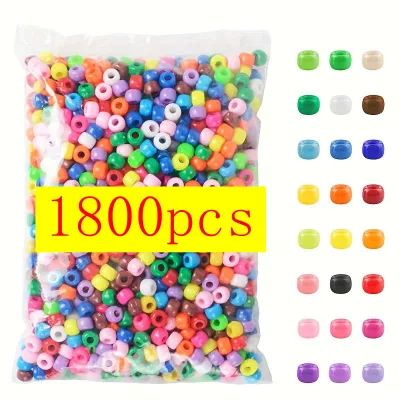
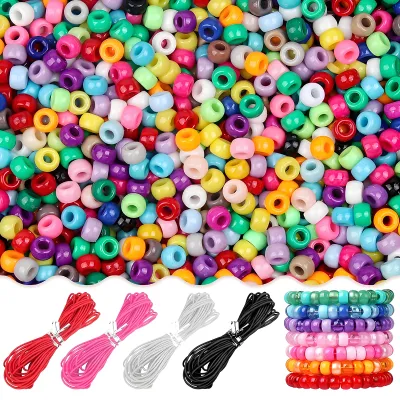
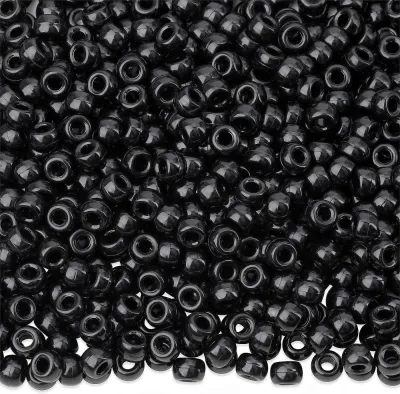
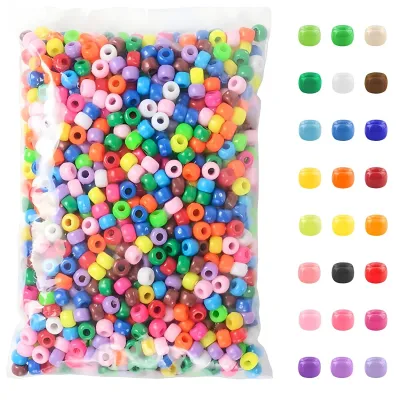
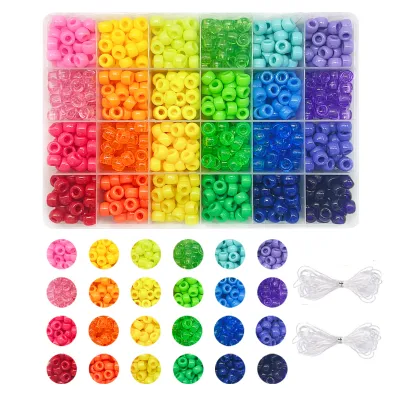
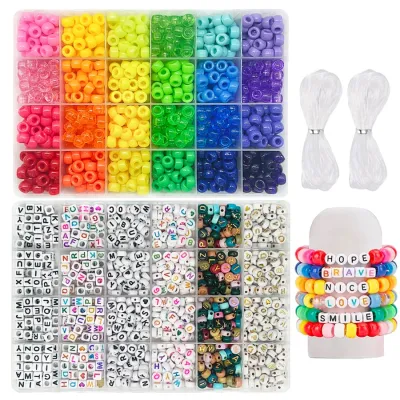
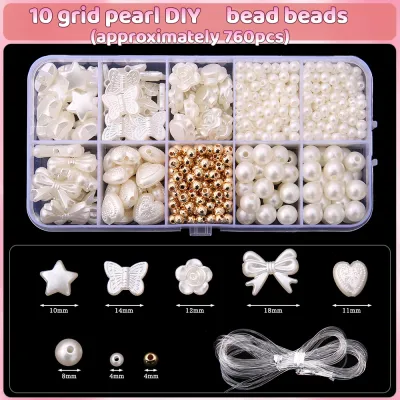
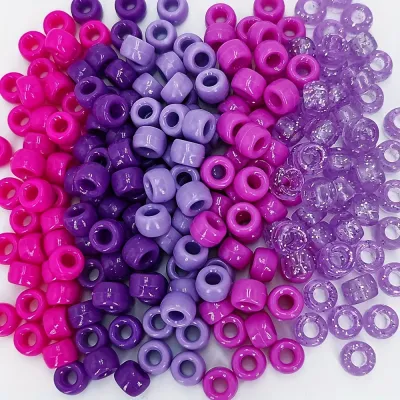
Prices are valid at publication and may change. Please refer to the product page for the latest price.
- Size Consistency: Check if the beads maintain a uniform shape and clean edges without excess plastic mold lines.
- Hole Diameter: Ensure the inner opening matches your intended stringing material, whether it is elastic thread, leather cord, or pipe cleaners.
- Material and Color Quality: Look for non-toxic, BPA-free plastics with colors that resist fading and bleeding under humid conditions.
- Storage and Extras: Opt for secure, compartmentalized containers and durable accessories that offer genuine utility rather than cheap fillers.
Let us explore each of these critical pillars in depth to understand how they impact your crafting experience and final designs.
Bead Size Consistency and Uniformity
Standard pony beads typically measure approximately 9mm in diameter and 6mm in height. This specific ratio gives them their iconic barrel shape, which has been a staple of school crafts and recreational projects for decades. When you buy a premium pony beads set, you expect every single piece in the box to adhere closely to these measurements.

Symmetrical beadwork relies entirely on dimensional uniformity. If you are weaving a flat banner, creating a structured keychain, or assembling a multi-row bracelet, even a half-millimeter variance in bead height can distort the entire pattern. Inconsistent beads cause the rows to buckle, warp, or sit at awkward angles, ruining the clean, professional finish of your hard work.
When sourcing beads, look closely for common manufacturing defects that plague lower-grade plastic sets. The most frequent issue is “flashing,” which refers to the thin, sharp ridges of excess plastic left along the seam lines where the two halves of the injection mold met. Other defects include flat spots, sunken walls from premature cooling, and beads that are fused together in pairs.
To verify consistency when shopping in a physical store, inspect the transparency and edges of the beads through the packaging. Give the container a gentle shake to see if the shapes look uniform or if there is a noticeable mix of thick and thin barrels. If you are shopping on online marketplaces, zoom in on the product images—especially macro photos showing close-up details—and read customer reviews specifically searching for terms like “misshapen,” “melted,” or “uneven.”
Using poorly molded beads also compromises the structural integrity of your projects. When beads have uneven edges, they do not sit flush against one another. This gap puts uneven tension on your stringing material, which can lead to premature fraying or snapping of elastic bands over time.
Hole Diameter and Stringing Compatibility
The usability of any pony beads set depends heavily on the inner diameter of the bead holes. Standard pony beads generally feature a hole size ranging from 3mm to 4mm, but this dimension can vary significantly between different manufacturers. Never assume a universal standard; always verify the exact hole specifications listed by the seller before purchasing.
Matching the bead hole to your intended stringing medium is essential for a smooth crafting process. Different projects require completely different cords, and a mismatch can halt your work entirely. Consider how standard hole sizes interact with these common materials:
- Elastic Threads: Thin elastic cords (0.8mm to 1.0mm) pass through 3mm to 4mm holes easily, but they require large, secure knots to prevent the beads from sliding right over the tie.
- Leather and Suede Cords: Thick cords (2mm to 3mm) require a wide, clean 4mm hole. If the inner channel has plastic obstructions, threading becomes incredibly difficult without a needle.
- Pipe Cleaners: Standard chenille stems measure about 3mm to 4mm in diameter. They fit perfectly inside a 4mm pony bead, making them excellent for children's motor-skill exercises.
- Paracord: Crafting with 550 paracord (approximately 4mm thick) demands a true 4mm hole or larger. Any minor manufacturing defect inside the hole will prevent the cord from passing through.
Mismatched dimensions introduce several practical problems. If the hole is too small or contains rough plastic burrs, it will scrape against delicate threads, causing them to fray and eventually snap. Conversely, if the hole is excessively large for a thin thread, the beads will wobble, slide awkwardly, and fail to hold a structured shape.
Before purchasing a set, determine whether the kit contains uniform hole sizes across all colors or if there is a mix of different styles. Some specialized sets include a variety of shapes—such as stars or hearts—which often have smaller, more restrictive holes than the classic barrel-shaped beads in the same box.
Color Fastness and Material Quality
The environmental conditions in tropical climates—specifically high humidity and intense sunlight—pose a unique challenge for plastic crafts. Cheap colorants can fade rapidly when exposed to ultraviolet rays, or worse, bleed onto your skin when mixed with sweat. Color fastness is a non-negotiable quality factor if you plan to wear your finished jewelry outdoors.
To assess color fastness, verify whether the plastic itself is colored throughout (pigment-infused) or if the color is simply painted or coated onto the surface. Surface-coated beads, particularly those with cheap metallic or shiny finishes, tend to flake, peel, or tarnish within a few weeks of daily wear. Pigment-infused plastic, on the other hand, retains its vibrant shade even if the bead gets scratched or wet.
Pony beads come in a wide array of visual finishes, each offering a distinct aesthetic and level of durability:
- Opaque: Solid, classic colors that offer the highest durability and resistance to fading, making them ideal for everyday wear.
- Translucent: Clear, jewel-toned beads that catch the light beautifully but can sometimes show internal bubbles if made from low-grade plastic.
- Metallic and Pearlescent: These finishes add a premium, shiny look but require careful inspection to ensure the reflective coating does not rub off easily.
- Glow-in-the-Dark and Neon: Fun, specialty options that are highly popular for kids' crafts, though their glowing intensity depends on the quality of the phosphorescent additives used.
Material safety must be a priority, especially when crafting with young children. Always check the product description or packaging for clear indications that the beads are non-toxic and BPA-free. High-quality beads are typically made from polystyrene or acrylic, which are stable, odorless, and safe for prolonged skin contact.
Avoid sets made from low-quality, recycled plastics of unknown origin. These inferior materials are often brittle, crack easily under light pressure, and emit a strong, unpleasant chemical odor when you first open the container. If a set smells strongly of petroleum or harsh solvents, it is best to avoid using it for wearable crafts.
Included Accessories and Storage Solutions
Many pony bead sets are sold as all-in-one kits, complete with stringing materials, metal findings, and a plastic storage box. While these kits offer excellent convenience, the quality of the included accessories can vary wildly. A set is only as good as its weakest component, so it is important to evaluate the entire package.
Examine the specifications of the included stringing cords and metal hardware. Cheap kits often include thin, low-stretch elastic that loses its elasticity quickly or snaps during knotting. If the kit includes metal clasps, jump rings, or earring hooks, verify if they are labeled as rust-resistant or nickel-free, as standard iron findings will tarnish rapidly in warm, humid climates.
The storage container itself is a major factor in the long-term value of your purchase. In humid environments, a secure, airtight seal is essential to protect your crafting supplies from dust, insects, and moisture. Look for organizers with sturdy plastic hinges, secure snap-locks, and adjustable dividers that prevent different colored beads from mixing together if the box is tipped over.
Before buying, perform a quick value calculation to decide between an all-in-one kit and a bulk bead pack. If you already own high-quality elastic thread, jewelry pliers, and storage organizers, buying a bulk, beads-only pack is usually more cost-effective. However, if you are starting from scratch or gifting the set, a well-reviewed kit with durable tools and a solid storage case offers unmatched convenience.
Choosing the Right Pony Beads Set for Your Crafting Goals
Your ideal pony beads set depends entirely on what you plan to create and who will be doing the crafting. Matching the quality factors to your specific goals ensures you do not overspend on professional-grade materials for simple school projects, nor frustrate yourself with budget beads for intricate jewelry designs.
Kits for Kids and Educational Crafts
For children’s activities, prioritize safety, ease of use, and vibrant colors. Look for sets that feature large 4mm hole diameters, which easily accommodate pipe cleaners, thick yarn, or plastic safety needles.
Highly opaque, bright primary colors are excellent for teaching color recognition, sorting, and pattern-making. Ensure the packaging explicitly guarantees non-toxic, BPA-free materials. Choose a storage case with simple, durable latches that are easy for small hands to open and close, encouraging kids to clean up their own supplies after crafting.
Kits for Jewelry Making and Adult Crafters
Adult crafters and jewelry makers require a much higher level of precision. Focus on sets that guarantee high size uniformity (9x6mm) with minimal mold lines, allowing for clean, symmetrical bead-weaving and professional-looking patterns.
Opt for premium finishes like pearlescent, metallic, or high-clarity translucent acrylic that mimic the look of glass beads without the added weight. Ensure the kit includes or is paired with high-tensile elastic thread and rust-resistant metal findings, such as lobster clasps and jump rings, to ensure your wearable creations last for years.
Frequently Asked Questions (FAQ)
How many beads do I need for a standard bracelet?
For a standard adult wrist size (about 17 to 18 centimeters), you will typically need between 25 and 30 standard 9x6mm pony beads, depending on how tightly they are strung. For children’s bracelets, 18 to 22 beads are usually sufficient. It is always wise to add a 10% buffer to your calculations to account for knotting space, design adjustments, or accidental drops.
Can I use standard pony beads for hair braiding?
Yes, you can use standard pony beads for hair braiding, but you must inspect them carefully first. Standard craft beads sometimes have sharp plastic flashing or rough edges inside the hole that can snag, fray, or break hair strands during installation or removal. If you plan to use them in hair, look for beads with smooth, rounded inner rims, or purchase sets specifically labeled as hair-safe.
How should I store plastic beads in a humid climate?
To preserve the quality of your plastic beads and accessories in a humid climate, store them in airtight plastic containers away from direct sunlight. Toss a few silica gel packets into the compartments to absorb any trapped moisture. This simple step prevents the elastic cords from degrading or becoming sticky and protects any included metal clasps or findings from tarnishing.
Community discussion
Share your experience or ask a question. Comments are reviewed before publication.