
To safely buy a vintage fountain pen, you must evaluate its physical condition, functional integrity, and historical authenticity. Specifically, you need to inspect the nib for alignment and wear, examine the barrel and cap for structural cracks, test the filling mechanism’s movement, verify the model markings against historical records, and calculate any potential restoration costs. Taking these steps ensures you acquire a reliable writing instrument rather than an expensive, non-functional display piece.
In the Philippines, where high relative humidity and warm tropical temperatures can accelerate the degradation of certain vintage materials like celluloid or natural rubber sacs, a careful inspection is even more critical. Moisture can trap acids inside closed pen cases, leading to metal corrosion or material warping over decades of storage. Whether you are browsing a local estate sale, visiting a specialty pen meet in Manila, or evaluating listings on an online marketplace, understanding how to spot hidden defects will save you from costly mistakes.
Inspect the Nib and Feeding System
The nib is the heart of any fountain pen, and on a vintage model, it is often the most valuable and difficult component to replace. Begin your inspection by examining the nib tines under a jeweler’s loupe, ideally with 10x magnification. The two tines must be perfectly aligned at the tip; if one is bent upward or downward, the pen will scratch the paper and restrict ink flow. Look closely at the tipping material, which is the hard alloy welded to the tip of the gold or steel nib. Years of writing can wear this tipping unevenly, creating a “foot” that only writes smoothly at a specific, highly personalized angle.
Products mentioned in this guide
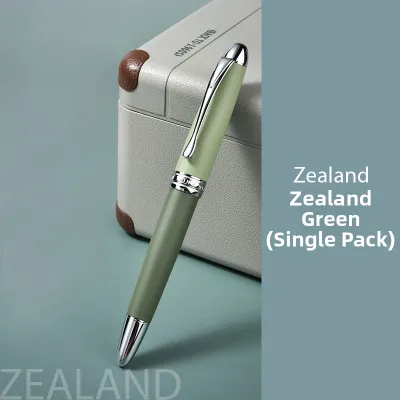
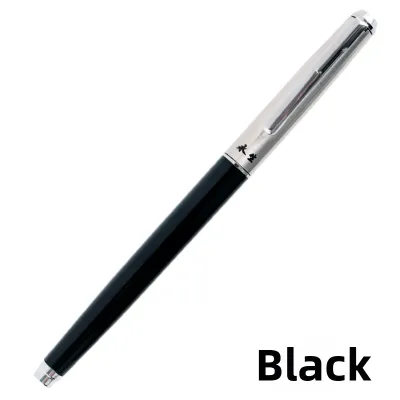
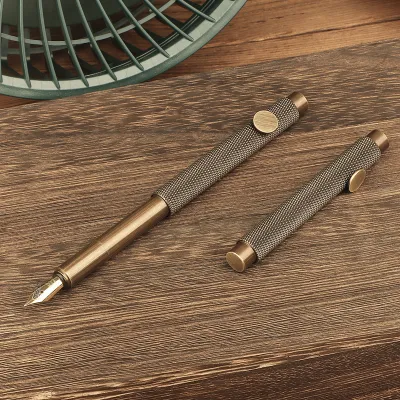
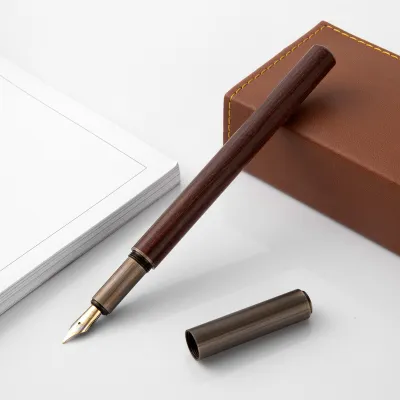
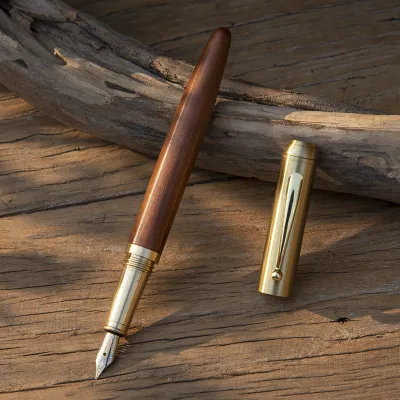
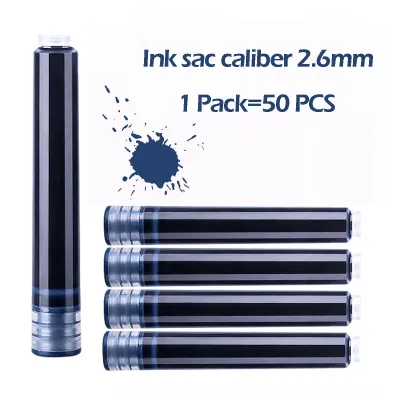
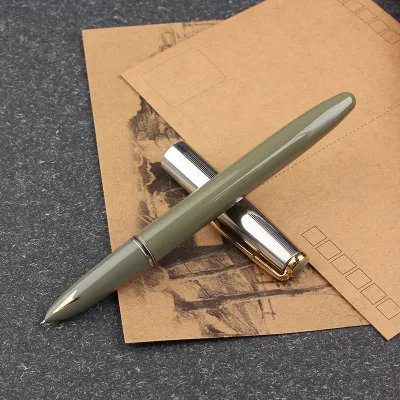
Prices are valid at publication and may change. Please refer to the product page for the latest price.
Hairline cracks are another critical defect to watch for, particularly around the breather hole or along the base of the nib where it enters the section. These tiny fractures often expand under the pressure of writing, eventually causing the nib to fail entirely. Be cautious of nibs that show signs of amateur grinding or smoothing, which can thin the metal excessively and ruin the original writing characteristics. Check gold nibs for signs of past straightening, which often leaves subtle ripples on the metal surface.
The feed, which sits directly beneath the nib and regulates the flow of ink, requires equally close scrutiny. Vintage feeds are typically made of ebonite (hard rubber) or early plastics, both of which can become brittle over time. Inspect the feed for missing fins, chips, or deep scratches that could disrupt capillary action and cause the pen to leak or skip. Heavy, dried ink buildup is common in vintage finds and can usually be cleaned, but it can also hide deeper structural damage. If possible, verify that the feed is properly seated against the underside of the nib, as any gap will prevent consistent ink delivery.
Examine the Barrel, Cap, and Filling Mechanism
The body of a vintage fountain pen houses its ink reservoir and protects its delicate internal parts, making structural integrity paramount. Celluloid, a material widely used from the 1920s through the 1950s, is susceptible to chemical degradation known as celluloid rot or outgassing. This process causes the material to become brittle, discolor, and eventually crumble. Inspect the barrel and cap for any signs of crystallization, warping, or localized browning, especially near metal trim rings where chemical reactions often start.

Examine the surface of the barrel and cap for deep scratches, gouges, or micro-fractures, paying close attention to the threads where the cap screws onto the barrel. These threads endure significant stress, and tiny cracks here can quickly lead to a complete structural failure. Check any gold-plated or gold-filled trim, such as the clip and cap bands, for “brassing.” Brassing occurs when the thin layer of gold wears away to reveal the base brass underneath, which can tarnish quickly in humid tropical environments. While brassing is a cosmetic issue, extensive wear can lower the pen’s overall value.
A secure cap seal is essential to prevent the nib from drying out between writing sessions. Inspect the inner cap—a small plastic or rubber sleeve inside the main cap—for deep ink stains or cracks, which indicate that ink has leaked in the past or that the seal is compromised. Next, identify the specific filling mechanism of the pen, whether it is a lever filler, button filler, vacuum filler, or piston system. Gently test the mechanism to see if it actuates smoothly; any stiffness, grinding noises, or complete resistance suggests that the internal rubber sac, diaphragm, or plunger seal has hardened and must be replaced.
Verify Authenticity and Model Markings
The vintage pen market contains many “frankenpens”—instruments assembled from mismatched parts of different models, eras, or even brands. While these hybrid pens can sometimes make decent daily writers, they do not hold the historical or monetary value of an all-original piece. To verify authenticity, you must cross-reference the pen’s physical features with established historical databases and collector guides. Pay close attention to the barrel imprints, which typically include the manufacturer’s name, model designation, and sometimes a patent number or manufacturing code.
Compare the style of the clip, the shape of the feed, and the specific markings on the nib with the barrel imprint to ensure they all align with the same production era. For example, a 1930s barrel should not be paired with a nib style that was only manufactured in the 1950s. Mismatched caps are particularly common, as caps are easily lost or damaged and replaced with whatever fits the threads. Check that the color, pattern, and plastic chasing of the cap perfectly match the barrel, and verify that the cap band style is correct for that specific model tier.
While faded imprints are common from decades of handling, they should still match the expected font and placement of the original manufacturer. Be highly suspicious of imprints that look unevenly deep, freshly cut, or feature modern typography, as these can indicate a counterfeit or a poorly executed modern re-engraving. If a seller claims a pen is a rare transitional model or a specific limited color, demand clear, high-resolution photos of all markings to verify the claim before committing to a purchase.
Assess Restoration Needs and Daily Usability
Before purchasing a vintage fountain pen, you must decide whether you want a ready-to-write instrument or a restoration project. Most vintage pens found in “wild” settings like antique shops or flea markets will require some level of servicing before they can safely hold ink. Factor in the cost and availability of specialized replacement parts, such as latex ink sacs, synthetic O-rings, or silicone diaphragms. Some filling systems, like simple lever fillers, are relatively easy to restore, while complex vacuum or plunger systems require specialized tools and professional expertise.
It is helpful to categorize potential purchases into “user” grade or “collector” grade instruments based on your intended use. User-grade pens often feature cosmetic blemishes, such as brassing, mild discoloration, or personalized engravings, but remain structurally sound and excellent for daily writing. Collector-grade pens, on the other hand, are preserved in near-mint condition with crisp imprints and flawless finishes, making them more suitable for display or occasional, careful use. Be honest about your writing habits and choose a grade that matches your lifestyle and comfort level.
Establish a strict stop condition to avoid purchasing pens that are beyond reasonable repair. Avoid pens with cracked barrels near the section, sheared-off filler threads, or severely corroded internal metal mechanisms, as these parts are incredibly difficult to source or repair. If a pen requires a complete nib replacement or professional crack welding, the cost of these services can easily exceed the market value of the restored pen. Unless you have access to a trusted professional restorer and a generous budget, walk away from pens with major structural damage.
Evaluate Pricing and Seller Reliability
Determining a fair price for a vintage fountain pen requires active research rather than relying solely on the seller’s asking price. Search online marketplaces and specialized pen forums for recent sold listings of the exact model in a similar condition. Ignore active listings with highly inflated prices, as these do not reflect actual market value. A fully restored pen sold by a reputable dealer will command a premium over an unrestored, untested pen, as the price includes labor, parts, and a guarantee of functionality.
When buying online, high-resolution photos are your primary tool for evaluation. Request clear, well-lit close-ups of the nib tip from multiple angles, the barrel imprints, the feed, and any areas showing wear or damage. A reliable seller should be willing to provide these photos and answer specific questions about the pen’s writing characteristics and filling system. If a seller uses blurry photos, avoids answering direct questions, or refuses to show the nib close up, it is best to look elsewhere.
Finally, always review the seller’s return policy and authenticity guarantees before finalizing your purchase. A reputable vintage pen seller will typically offer a reasonable return window, allowing you to inspect the pen in person and return it if it does not match the description. Ensure that the shipping method used includes tracking and adequate insurance to protect against loss or damage during transit. This is especially important for international shipments traveling to the Philippines, where packages can experience delays and rough handling during customs processing.
Frequently Asked Questions (FAQ)
Is it safe to use modern ink in a vintage fountain pen?
Yes, but you must choose your ink carefully to protect the delicate materials of a vintage pen. Standard, non-pigmented, water-soluble inks from established manufacturers are generally the safest choice because they are easy to flush out and have a neutral pH. Avoid highly saturated modern inks, shimmering inks with metallic particles, and permanent iron-gall inks, as these can clog narrow vintage feeds and stain celluloid barrels. Never use calligraphy, India, or drawing inks in any fountain pen, as these contain binders that will permanently clog and ruin the feed system.
How do I safely ship or transport a vintage fountain pen?
To safely transport a vintage fountain pen, always empty and thoroughly flush the pen with clean water before packing it. Changes in temperature and atmospheric pressure, especially during flights, can cause air inside the reservoir to expand and force ink out of the nib, creating a messy leak. Wrap the dry pen securely in several layers of bubble wrap or place it inside a rigid, padded pen tube to protect the cap and barrel from impact. If shipping the pen, place the padded tube inside a sturdy cardboard box filled with packing peanuts or crumpled paper to prevent any movement during transit.
Community discussion
Share your experience or ask a question. Comments are reviewed before publication.