
Starting your journey into DIY crafting can be incredibly rewarding, but standing in front of a wall of individual craft supplies can quickly feel overwhelming. For a complete beginner, the ideal DIY keychain set should serve as a fully self-contained ecosystem. This means the kit must contain not only the decorative base materials but also the connecting hardware and the specific tools required to assemble them. Without these three pillars, you may find yourself pausing mid-project to make secondary purchases online or at a local craft store.
In tropical climates like the Philippines, where high humidity and warm temperatures are daily realities, choosing the right kit involves unique considerations. Humidity directly affects how paints dry, how glues cure, and how certain metals resist tarnish over time. By selecting a comprehensive, high-quality starter kit, you can bypass the trial-and-error phase and focus entirely on the joy of creating personalized accessories.
Essential Components Every Beginner DIY Keychain Set Should Include
To ensure you can begin crafting the moment your package arrives, you must verify that the kit includes three distinct categories of items: base materials, hardware, and assembly tools.
Products mentioned in this guide
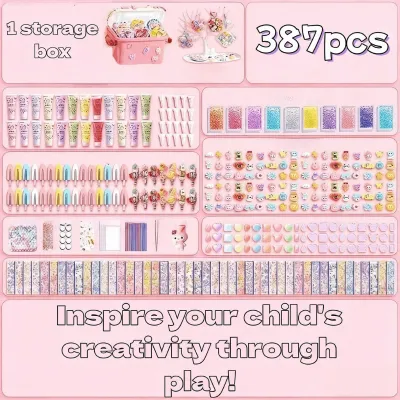
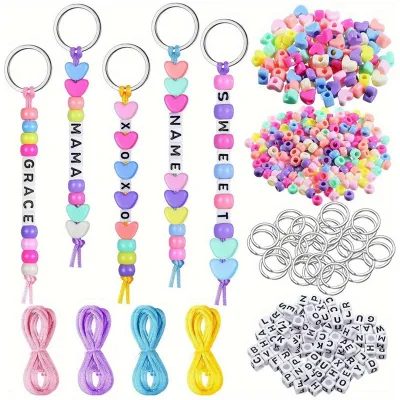
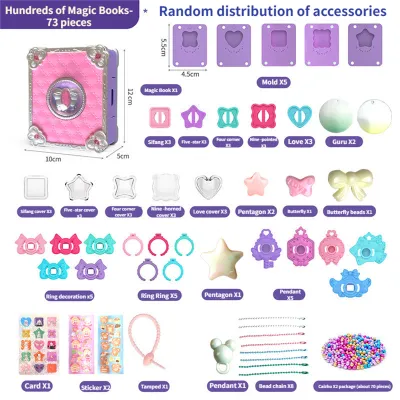
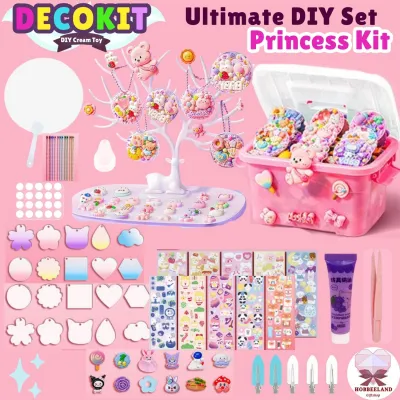
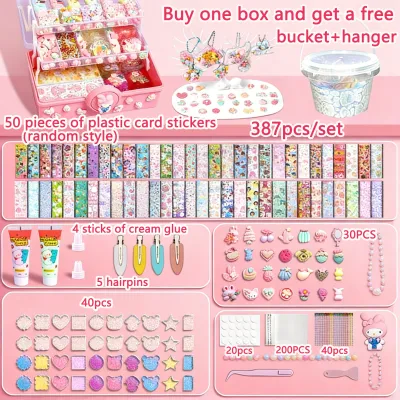
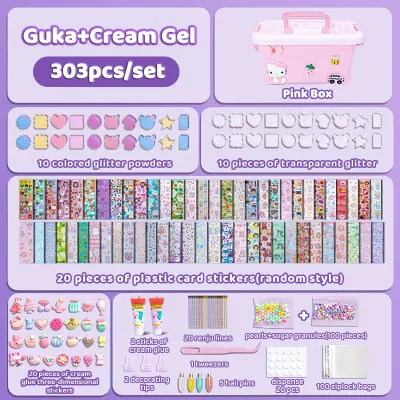
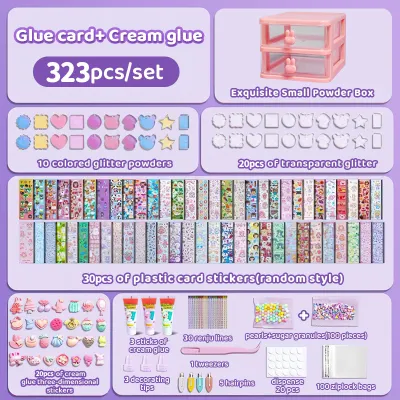
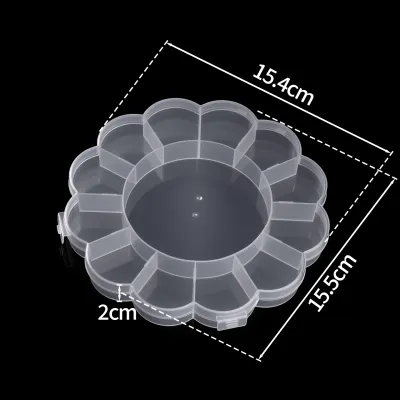
Prices are valid at publication and may change. Please refer to the product page for the latest price.
The base materials are the canvas of your keychain. Depending on the style of kit you choose, these bases typically consist of acrylic blanks, wood cutouts, leather pieces, or silicone molds for resin casting. For beginners, acrylic blanks are highly popular because they are lightweight, durable, and versatile. If you opt for wood, ensure the cutouts are pre-sanded to prevent splinters. Leather pieces should ideally come with pre-punched holes, as punching holes through thick leather requires specialized tools that are rarely included in basic starter kits. If you are drawn to resin, the kit must provide high-quality silicone molds that are flexible enough to allow easy removal of the cured pieces without tearing.
Next, examine the hardware selection. A complete kit must provide more than just the standard split keyring. Look for sets that include jump rings, which are small, open metal loops used to connect your decorated blank to the main keyring. Without jump rings, you will struggle to attach your designs securely. Other valuable hardware additions include lobster clasps, which allow the keychain to be easily clipped onto bags or belt loops, and tassel charms or decorative chain links that add visual depth to your finished piece. Ensure the hardware count matches or exceeds the number of blanks provided, as these small metal pieces are easy to drop and lose during assembly.
Finally, the inclusion of basic assembly tools is what separates a truly beginner-friendly kit from a frustrating one. Opening and closing jump rings requires precision that cannot be achieved with bare hands or household scissors. A proper starter set should include at least one pair of jewelry pliers—preferably chain-nose or flat-nose pliers—which allow you to grip and twist metal rings without scratching their finish. Other helpful tools to look for include fine-tipped tweezers for placing small stickers, decals, or glitter, and a jump ring opening tool, which is a small metal ring worn on your finger with slots designed to twist jump rings open effortlessly.
Evaluating Material Quality and Safety for Crafting
When purchasing a DIY kit online, you cannot physically touch the materials, making it essential to scrutinize product descriptions, specifications, and user feedback to evaluate quality and safety.

Safety should always be your primary concern, especially when working with chemical consumables like paints, glues, or resins. Look for explicit product labels indicating that the included liquids are non-toxic and acid-free. Standard safety certifications, such as ASTM D-4236 or EN71, provide peace of mind that the materials have been evaluated for safety. If the kit includes UV resin or epoxy, check the manufacturer’s instructions regarding ventilation. Working with resin releases fumes that require a well-ventilated workspace, which is particularly important to set up near an open window or in an outdoor area to maintain clean indoor air.
To assess the quality of the physical blanks, pay close attention to their dimensions and finishes. For acrylic blanks, a thickness of 2mm to 3mm is the standard for durability; anything thinner may crack easily under pressure or when dropped. High-quality acrylic blanks should always feature a protective peel-off film on both sides. This film protects the plastic from scratches during manufacturing and shipping, ensuring a crystal-clear surface when you are ready to decorate. For wooden blanks, look for descriptions that specify smooth, laser-cut edges, which minimize the risk of rough, charred borders that can stain your hands or ruin your paint.
Lastly, review the manufacturer’s guidelines regarding tool usage. If the kit includes sharp objects like craft knives, fine-point tweezers, or metal punches, the instructions should clearly outline safe handling practices. Understanding these safety parameters before you begin prevents accidents and ensures a relaxed, enjoyable crafting experience.
Matching the Kit to Your Preferred Crafting Technique
DIY keychain kits span a wide variety of artistic styles, and matching the kit to your personal preferences, workspace, and patience level is key to a satisfying project.
Acrylic painting and vinyl decal kits offer a low-barrier entry point for beginners. These kits require minimal workspace and dry relatively quickly, making them excellent for casual crafting sessions. However, in humid tropical conditions, acrylic paint can take slightly longer to dry completely. If you choose this route, verify that the kit includes fine-tipped paint pens or high-quality brushes, as standard thick brushes make detailed work on small keychain blanks difficult.
If you prefer a more tactile, rustic aesthetic, leather stamping or wood-burning kits might be your ideal match. Leather stamping requires a sturdy, flat work surface that can withstand the impact of a mallet. While this technique produces highly durable keychains with no drying time, it does generate noise, which is worth considering if you live in a shared apartment or close-quarters neighborhood.
For those seeking a highly creative and glossy finish, resin pouring kits are incredibly popular. These kits allow you to embed glitter, dried flowers, or small charms inside a clear, glass-like plastic. However, resin crafting has a steeper learning curve and requires strict environmental control. High humidity can interfere with the curing process of two-part epoxy resins, sometimes leaving the finished keychains sticky or cloudy. If you live in a humid area, look for kits that utilize UV resin instead of epoxy, as UV resin cures within minutes under a UV lamp, bypassing many of the environmental challenges posed by ambient humidity.
Regardless of the technique, always check if the kit’s instructions match your skill level. A good beginner kit should feature clear, step-by-step written guides, preferably accompanied by detailed illustrations or a QR code linking to high-definition video tutorials that demonstrate the process from start to finish.
Assessing Value: Price vs. Included Supplies
Evaluating the true value of a DIY keychain set requires looking beyond the initial price tag. To determine if a kit is genuinely cost-effective, you must calculate the cost per project and assess the longevity of the included tools.
To calculate the cost per keychain, divide the total price of the kit in Philippine Pesos (₱) by the number of complete keychains you can actually produce with the provided materials. For example, a kit priced at ₱500 that contains enough blanks, tassels, and hardware to make 10 complete keychains yields a base cost of ₱50 per keychain. Compare this to a kit priced at ₱350 that only contains materials for three keychains, which results in a much higher cost per unit. This simple calculation helps you identify which kits offer the best material value for your budget.
However, the calculation should also factor in the reusability of the tools. A kit that includes durable metal jewelry pliers, a reusable silicone mixing mat, or a sturdy UV flashlight represents a much higher long-term value than a kit that relies on disposable plastic tools. These reusable implements can be transitioned to future crafting projects, saving you money down the line when you only need to purchase inexpensive refill packs of blanks and hardware.
Be on the lookout for hidden costs that can quickly inflate your spending. Some beginner kits may seem complete but omit crucial finishing supplies. For instance, an acrylic painting kit might require a clear acrylic sealant to prevent your painted designs from scratching off over time, but fail to include it in the box. Similarly, resin kits might include a UV lamp but omit the necessary USB power adapter or batteries required to run it. Always read the “what’s in the box” section carefully to ensure you will not need to make immediate, unplanned purchases to finish your first keychain.
Building Your Shortlist: A Pre-Purchase Checklist
Before you click the purchase button on an online marketplace, take a moment to run your top choices through a final verification process. This checklist will help you avoid incomplete kits and ensure a smooth crafting experience.
First, confirm the completeness of the components. Does the kit explicitly list the exact number of blanks, jump rings, and keyrings? Ensure that the hardware count matches the number of blanks so you do not run out of connectors before finishing your designs. Next, verify the age-appropriateness of the kit, especially if you are purchasing it as a family activity. Kits containing sharp metal tools or chemical resins should be reserved for older teens or adults, while sticker-based or simple paint-by-number acrylic kits are better suited for younger crafters.
Second, check the educational support provided. A high-quality kit should not leave you guessing. Look for product listings that highlight the inclusion of a printed instruction manual or direct links to video tutorials. Reading user reviews on the ecommerce platform can also give you valuable insight into whether other beginners found the instructions easy to follow or confusing.
Finally, verify the seller’s return and replacement policies. Because keychain kits contain many small, delicate parts, there is always a minor risk of receiving cracked acrylic blanks or missing jump rings. Purchasing from a reputable seller on an established online marketplace that offers a clear return window or a hassle-free replacement policy ensures that you can craft with confidence, knowing any shipping mishaps will be quickly resolved.
Frequently Asked Questions (FAQ)
Do I need special glue for attaching keychain hardware?
Yes, the type of adhesive you need depends entirely on the materials you are joining. Standard school glue or paper glue will not create a strong enough bond to hold metal hardware to acrylic, wood, or leather. If your kit does not include adhesive, look for specialized jewelry glue, a high-strength cyanoacrylate (super glue), or a multi-surface adhesive like E6000. When working with acrylic blanks, UV resin can also act as an incredibly strong, clear adhesive when cured under a UV light. Always check the manufacturer’s recommendations on your kit’s instruction sheet to ensure compatibility between your adhesive and the keychain materials.
Can children use these DIY keychain sets safely?
Many DIY keychain sets are highly suitable for children, but safety depends heavily on the specific crafting technique and the child’s age. Always check the manufacturer’s age recommendation on the packaging before purchasing. Kits that involve acrylic paint, vinyl stickers, or simple bead-stringing are generally safe for younger children, though adult supervision is still recommended to manage small parts that pose choking hazards. Conversely, kits that require sharp tools, hot glue guns, shrink plastic ovens, or chemical resins are not suitable for young children and require strict adult supervision and proper safety gear, such as gloves and well-ventilated workspaces, for older youth.
Community discussion
Share your experience or ask a question. Comments are reviewed before publication.