
A sketching slate board serves two distinct purposes: it is either a direct drawing canvas for dry media like chalk and pastels, or a rigid, flat backing board that supports sketching paper. When buying one in the Philippines, you must evaluate the material composition (natural stone versus lightweight composite), surface texture (or “tooth”), physical dimensions, weight, and safety features like polished edges.
To make an informed purchase, first determine your primary sketching medium. Natural stone slate provides an authentic, high-friction surface for chalk and charcoal but is heavy and fragile. Conversely, a slate-finish wood or composite board offers a lightweight, ultra-smooth backing surface ideal for graphite, ink, and colored pencils. Because the tropical climate in the Philippines brings high relative humidity (often exceeding 80 percent), selecting materials that resist warping, moisture absorption, and mold is essential for longevity. Weight and edge finishing are also critical safety and comfort factors, especially if you plan to transport natural stone options. Price points in the local market vary widely, ranging from budget-friendly composite boards at around ₱150 to ₱400, up to premium imported natural slate boards that can exceed ₱3,000.
Beginners often start with budget-friendly composite backing boards because they are versatile and work with standard graphite pencils. Professional artists or those specializing in chalk and pastel mediums will invest in premium natural slate boards to leverage the unique textural properties of stone. Matching your skill level and medium to the correct board type prevents unnecessary expenses and ensures a smoother creative process.
Products mentioned in this guide
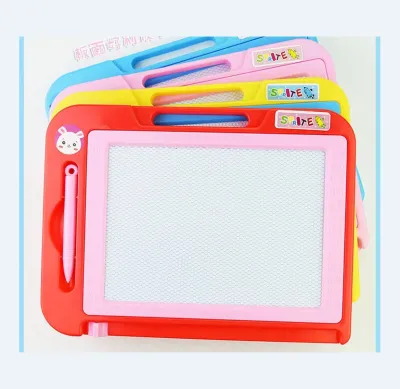
Prices are valid at publication and may change. Please refer to the product page for the latest price.
Clarifying Your Need: Natural Slate vs. Standard Drawing Boards
The term “slate board” can be highly ambiguous in art supply stores and online marketplaces. Artists frequently search for slate boards with completely different intentions, and buying the wrong type can disrupt your creative workflow. Understanding the fundamental differences between authentic stone slate and composite boards with a slate-like finish is the first step toward a successful purchase.
Historically, small slate tablets were used in schools across the Philippines for basic writing and arithmetic. Today, while digital tablets and paper have replaced them in classrooms, artists have rediscovered natural slate for its tactile quality. This historical association sometimes leads to confusion when modern artists search for a “slate board” online, as they might find vintage school slates instead of professional artist-grade drawing boards. Clarifying whether you need a direct drawing surface or a rigid backing support will narrow down your options immediately.
Natural Slate Boards (Direct Drawing)
Genuine natural slate boards are carved from real metamorphic rock. These surfaces are designed as the actual canvas rather than a support structure. When you draw directly on natural slate, you use soft, powdery mediums such as chalk, soft pastels, and charcoal. The natural stone grain grabs the loose pigments, allowing for unique blending techniques, deep contrasts, and a distinct rustic aesthetic that paper cannot replicate.
However, working with authentic stone comes with clear trade-offs. Natural slate is heavy, making it difficult to carry during outdoor sessions or urban sketching trips in busy metropolitan areas. It is also inherently fragile; a single drop on a hard concrete floor can shatter the board. Furthermore, because the surface is non-porous, preserving your finished artwork requires specialized fixative sprays designed specifically for stone, as standard paper fixatives may bead up or alter the color values.
Additionally, in the humid Philippine climate, natural stone can feel cold to the touch, which sometimes causes ambient moisture to condense on the surface. This condensation can damp your chalk or pastels, altering their blending properties and making dry-erasing more difficult. If you store natural stone in dark, unventilated spaces during the wet season, mold can develop on any organic residue left on the board, requiring careful maintenance and regular inspection.
Slate-Finish or Standard Drawing Boards (Paper Backing)
For many sketchers, a “slate board” refers to a rigid backing board—often made of medium-density fiberboard (MDF), compressed wood, or high-density plastic—finished in a deep slate-gray or black color. These boards are not meant to be drawn on directly; instead, they serve as a stable, flat support for sketching paper, drawing pads, or loose sheets.
These composite boards are highly compatible with graphite pencils, fine liners, ink pens, and colored pencils. Because you are drawing on paper resting on the board, the board’s primary job is to provide a consistent, unyielding surface. When selecting a backing board, a smooth, non-abrasive surface is critical. Any microscopic bumps, splinters, or rough wood grain will transfer through thin sketching paper (such as newsprint or low-gsm sketch paper), creating unwanted textures and ruining detailed shading or fine linework.
In the Philippines, cheap, unsealed MDF boards are highly susceptible to the local humidity, which can cause them to absorb moisture from the air, swell at the edges, and warp over time. This makes choosing a sealed, moisture-resistant composite board crucial for long-term use. High-density fiberboard (HDF) or melamine-coated options offer much better resistance to tropical moisture, ensuring your drawing surface remains perfectly flat for years.
Surface Texture and Tooth: Matching Your Sketching Medium
The relationship between your drawing tool and the board’s surface texture—often referred to as the “tooth”—determines how pigment adheres to the surface and how smoothly your hand moves. Matching the texture to your preferred medium prevents frustration and ensures your tools perform as intended.

For natural slate boards, the surface finish is categorized as either honed or cleft. Honed slate has been mechanically sanded to a smooth, satin-like finish. This is ideal for fine chalk work or detailed charcoal sketches, as it offers a consistent texture. Cleft slate retains the natural, uneven ridges of the split stone. While cleft slate provides an organic, highly textured look, an overly rough surface will shred blending stumps, rapidly wear down charcoal sticks, and break soft pastels.
Different dry media require different levels of tooth. Soft pastels contain more pigment and less binder, making them highly powdery; they require a medium tooth to hold the particles. Hard pastels and chalks have more binder and can work on a smoother, honed slate. Oil pastels, which contain oil and wax, do not adhere well to natural slate because the non-porous stone cannot absorb the oils, leading to smearing. For most direct drawing applications, look for a “honed” or “fine-grain” designation to ensure a balance of grip and control.
To verify the suitability of a natural slate board, perform a simple observable trial: rub a small piece of soft charcoal on an inconspicuous corner of the board. If the charcoal glides smoothly and leaves a solid, unbroken line without crumbling instantly, the tooth is well-suited for sketching. If the pigment sweeps away entirely with a light finger brush, the surface may be too smooth, requiring a coarser finish or a specialized primer.
When evaluating backing boards, the surface must be completely free of texture. If you use a wooden or MDF board as a support for graphite or colored pencil sketching, any surface imperfection acts like a rubbing template. To prevent this, check product descriptions for terms like “sanded,” “double-coated,” or “ultra-smooth finish.” If you are shopping in a local physical store, run your fingertips across the board to check for raised grain, splinters, or uneven laminate edges.
You can also perform a quick paper-fit test: place a single sheet of standard 80gsm copy paper on the board and shade lightly over it with a 2B pencil. If any underlying texture or pattern transfers onto the paper, the board is too rough for high-precision sketching and should be avoided in favor of a smoother, sealed laminate surface. In high-humidity environments, paper naturally absorbs moisture from the air, making it softer and more prone to tearing if the backing board has even minor imperfections. Therefore, an ultra-smooth, non-abrasive board is essential to protect your delicate paper mediums.
Size, Thickness, and Weight: Balancing Canvas Space and Portability
Selecting the right physical dimensions requires balancing your workspace needs with how you plan to transport and store the board. In the Philippines, where artists often commute via public transportation like jeepneys, tricycles, or crowded trains, portability is just as important as drawing area.
Standard board sizes generally correspond to international paper standards:
- A4 or Letter-sized boards (approximately 21 x 29.7 cm) are highly portable and fit easily into a standard backpack, making them excellent for quick urban sketching, cafe drawings, or casual outdoor studies.
- A3 or Tabloid-sized boards (approximately 29.7 x 42 cm) are the versatile middle ground, offering ample space for detailed anatomical studies, landscapes, and portraiture while remaining relatively easy to carry.
- A2 boards (approximately 42 x 59.4 cm) provide a sprawling canvas but are cumbersome to transport, making them better suited for permanent studio setups.
The thickness of the board directly impacts its structural integrity. Thicker boards, ranging from 6mm to 12mm, offer superior rigidity. They will not bend or warp when you press down firmly or when they are subjected to the high relative humidity typical of the Philippine climate. However, this thickness adds substantial weight.
Warping is a major issue for artists in high-humidity regions. When a backing board warps, it creates a subtle curve. This curve prevents you from applying even pressure across your sketch, leading to inconsistent line weights and shading. To test for warping before buying, lay the board flat on a glass counter or a flat tabletop and press on the corners. If the board rocks or wobbles, it has already warped and will not provide a reliable sketching surface.
Weight is a critical limiting factor for natural stone slate. A medium-sized natural slate board can easily weigh over two kilograms, making it impractical for outdoor or plein air sketching. It is best kept as a dedicated studio tool on a sturdy tabletop easel. If you plan to sketch outdoors, travel, or attend art meetups, look for lightweight alternatives. Thinner MDF boards, aluminum composites, or high-density foam core backing boards offer the necessary rigidity of slate without the physical strain. Always verify the exact weight in the product specifications before purchasing if you intend to carry the board in your bag for extended periods.
Ergonomic Add-ons and Edge Finishing for Safe Handling
The usability of a sketching board depends heavily on its physical design details. Small ergonomic features can make the difference between a comfortable drawing session and physical strain or accidental damage.
Edge Finishing: This is a crucial safety factor, particularly for natural slate. Raw, cleft stone edges can be incredibly sharp and prone to micro-chipping, which poses a risk of cuts during handling. Ensure any natural slate board you buy features polished, beveled, or sealed edges. For composite backing boards, rounded corners and sealed edges prevent the board from snagging on your clothing, scratching your workspace, or chipping when bumped during transport.
Paper Securing Mechanisms: If you are using a backing board, look for integrated methods to secure your paper. Built-in metal clips are highly convenient, but they must have a low profile so they do not obstruct your hand, arm, or drawing tools. High-tension elastic bands or magnetic strips are excellent alternatives that hold paper flat against the board without leaving indentations or tearing the sheets. If your board does not come with built-in clips, you can easily adapt it using local stationery staples like heavy-duty binder clips (often called double clips) or low-tack masking tape, provided the board’s surface is durable enough to resist peeling when the tape is removed.
Handling Features: Features like integrated finger holes or carrying handles make holding the board on your lap much easier, especially during long live-drawing sessions where an easel is unavailable. Non-slip rubber backing pads are also highly beneficial; they prevent the board from sliding off your lap or shifting on a polished wooden desk.
Storage and Transport: Because natural slate is fragile and composite boards can warp if exposed to moisture, a protective sleeve is a valuable accessory. A padded canvas cover or water-resistant sleeve protects natural stone from impact and shields other items in your backpack from residual graphite, charcoal, or chalk dust. This is especially vital during the monsoon season in the Philippines, where sudden downpours can easily damage unprotected art gear. For artists who travel frequently, look for boards that feature a built-in shoulder strap or those that can easily slide into a protective portfolio bag.
Summary Table: Choosing the Right Board Type for Your Skill Level
To help you decide which board fits your specific sketching habits, the table below compares the three primary categories available on the market.
| Board Type | Best Medium Compatibility | Weight & Portability | Surface Texture | Ideal Use Case |
|---|---|---|---|---|
| Natural Slate Board | Chalk, soft pastels, charcoal | Heavy; poor portability; fragile | Honed (smooth) to cleft (rough) | Dedicated studio drawing, textured pastel art |
| MDF/Wood Backing Board (Slate Finish) | Graphite, ink, colored pencils, paper sheets | Moderate weight; fair portability; susceptible to humidity | Ultra-smooth, non-abrasive | Studio backing support, classroom sketching |
| Portable Composite Sketching Board | Graphite, charcoal paper, mixed media | Lightweight; excellent portability; water-resistant | Smooth, sealed finish | Outdoor urban sketching, travel, plein air drawing |
Evaluate the trade-offs carefully. While natural slate provides an authentic, high-friction texture for direct pigment application, composite and backing boards offer the practical portability and smooth surfaces needed for everyday paper-based sketching.
Frequently Asked Questions (FAQ)
Can I use graphite pencils directly on a natural slate board?
No, graphite pencils are not suitable for direct use on natural slate surfaces. Graphite requires a surface with specific microscopic properties to transfer and adhere correctly. Natural stone slate is either too smooth (which causes the graphite lead to slide without leaving a visible mark) or too abrasive (which rapidly wears down the pencil lead, causing uneven lines and constant breakage). Additionally, graphite is incredibly difficult to erase from natural stone without leaving dark, smudged stains. For graphite sketching, it is highly recommended to use a slate-finish backing board as a support and sketch on paper instead. Keep natural slate reserved for dry, powdery mediums like chalk, charcoal, and soft pastels.
How do I clean and maintain a natural slate sketching board?
Cleaning a natural slate board requires gentle, non-abrasive methods to preserve its surface texture. After a sketching session, use a dry, lint-free microfiber cloth to wipe away loose chalk or charcoal dust. For residual pigment ghosting, wipe the board with a slightly damp microfiber cloth. Avoid soaking the board in water or using harsh chemical cleaners, window sprays, or abrasive scrubbing pads, as these can strip the stone’s natural finish, cause discoloration, or leave permanent chemical stains. If a deeper clean is necessary, use a tiny amount of mild, pH-neutral soap mixed with water, wipe gently, and dry the board immediately with a clean towel to prevent water spots.
If you are using a wooden backing board and notice mold or mildew due to high tropical humidity, wipe it down with a highly diluted vinegar solution on a damp cloth, then dry it immediately in a well-ventilated area under indirect sunlight; however, never use vinegar or acidic cleaners on natural stone slate, as acid can chemically react with the minerals and permanently damage the stone.

Community discussion
Share your experience or ask a question. Comments are reviewed before publication.