
Choosing a sweet candy ballpen that actually works for daily writing requires looking beyond the cute exterior. While these novelty writing instruments are incredibly appealing with their bright colors, dessert-themed toppers, and playful designs, they often prioritize aesthetics over basic writing ergonomics. To find a pen that transitions smoothly from a cute desk accessory to a reliable daily driver, you must evaluate specific mechanical and material factors.
In the Philippines, where high tropical humidity can affect how ink behaves on paper and warm hands can make glossy plastic barrels slippery, a novelty pen needs to be more than just a visual treat. By systematically checking the ink formulation, tip size, physical balance, and structural build, you can enjoy the cheerful aesthetic of a candy-themed pen without sacrificing the comfort and clarity of your daily notes.
The Novelty Trap: Diagnosing Why Cute Pens Struggle with Daily Tasks
Novelty stationery often suffers from an inherent conflict between playful design and functional ergonomics. Standard writing instruments are engineered with a balanced center of gravity and uniform barrel shapes to minimize hand strain. In contrast, sweet candy ballpens frequently feature oversized resin toppers—such as molded lollipops, gummy bears, donuts, or cupcakes—that alter the physical dynamics of the pen. These decorative elements are eye-catching, but they often turn a simple writing tool into an unbalanced desk toy.
Products mentioned in this guide
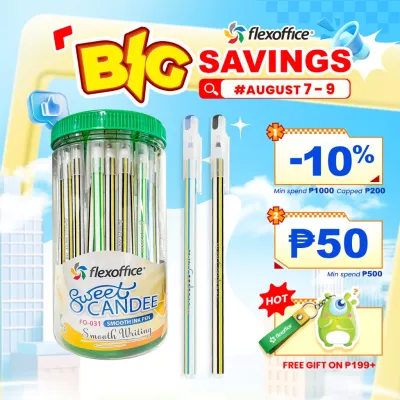
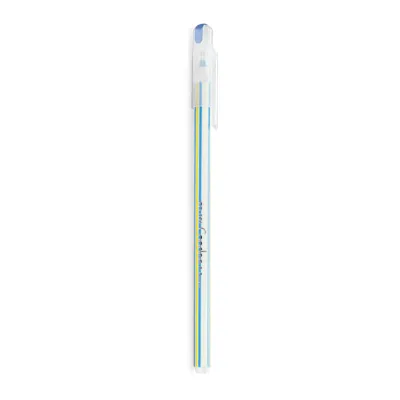
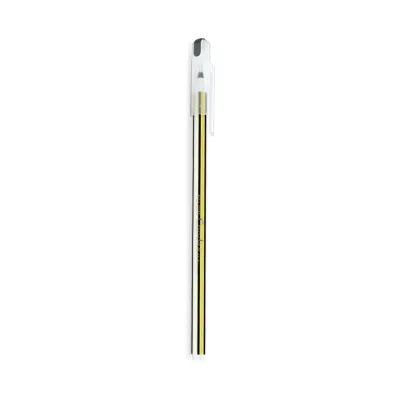
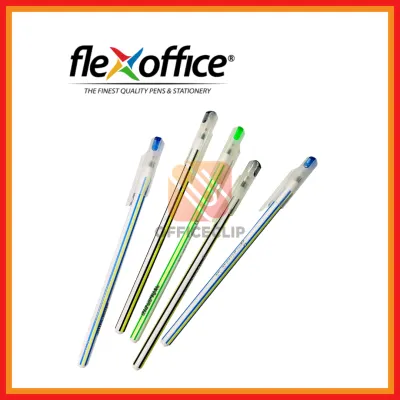
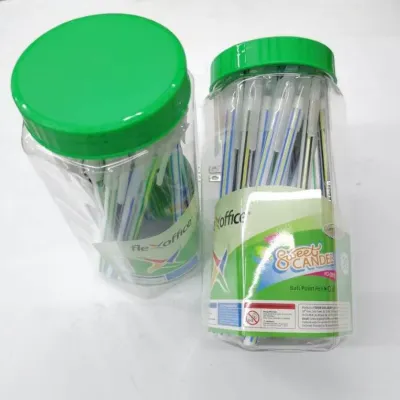
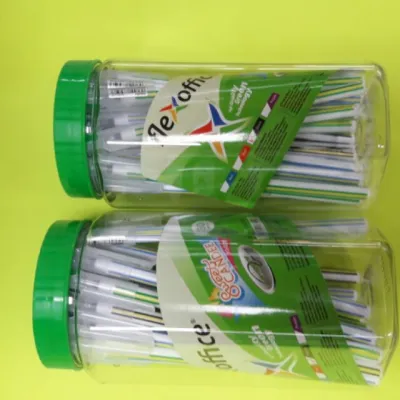
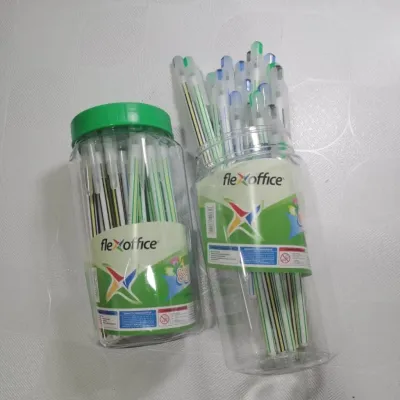
Prices are valid at publication and may change. Please refer to the product page for the latest price.
When a pen is designed primarily for visual appeal, manufacturers sometimes cut corners on the internal writing components. It is common to find cheap, generic ink cartridges housed inside highly detailed, beautiful plastic casings. These low-grade cartridges are prone to drying out quickly, leaking under pressure, or utilizing scratchy metal tips that tear thin paper fibers. This creates a frustrating writing experience where the pen skips, blobs, or requires excessive downward pressure to leave a visible mark.
To distinguish a usable writing tool from a mere decorative novelty, you must look closely at how the pen is constructed. A reliable candy ballpen should feel like a proper writing instrument first and a decorative item second. If the barrel is too irregular to hold comfortably, or if the decorative topper makes the pen wobble wildly during quick writing sessions, the pen is best reserved as a desk ornament rather than a tool for school or office work.
Screening out purely decorative models does not mean you have to settle for boring stationery. Many manufacturers now produce high-quality novelty pens that utilize standard, reliable ink refills and ergonomic barrel shapes. By learning what to look for under the hood, you can easily find a sweet candy ballpen that delivers smooth, consistent lines while still bringing a touch of color and fun to your workspace.
Ink and Tip Verification: Securing Smooth Lines in Tropical Climates
Tip Size and Precision Always check the packaging or product specifications for the exact tip size before purchasing. For everyday note-taking, journal writing, or filling out forms, tip sizes of 0.5mm or 0.7mm are generally ideal. Novelty pens sometimes use broader 1.0mm or thicker tips because they are easier to manufacture without precision tolerances. However, these larger tips lay down a heavy volume of ink that is highly prone to smudging, especially on standard notebook paper or thin intermediate pads.

Ink Type and Climate Performance Comparing oil-based ballpoint ink and gel ink is crucial when choosing a pen for a tropical climate. Traditional oil-based ink uses a thick, paste-like formula that resists moisture and rarely bleeds through paper, but it requires more writing pressure and can feel stiff or scratchy. Gel ink, which uses a water-based gel suspension, flows incredibly smoothly and requires almost no pressure to write. However, in hot and humid conditions, low-quality gel inks can absorb moisture from the air, causing them to dry slowly, feather across the paper fibers, or smudge when your hand brushes against the page.
Observable Quality Signals If you have the opportunity to test the pen before buying, look for specific physical indicators of quality. A high-quality ballpen should glide across the paper without making a scraping sound or feeling like it is digging into the page. Watch out for immediate ink blobbing—where small pools of excess ink collect at the start or end of your strokes. The line should be solid and continuous; frequent skipping or fading indicates that the ink formulation is uneven or that the ball mechanism in the tip is poorly machined.
Weight and Grip Assessment: Balancing Candy Toppers with Hand Comfort
The Center of Gravity The most common ergonomic flaw in sweet candy ballpens is a top-heavy design. Large, detailed resin charms or heavy plastic candy toppers positioned at the top of the pen act as a lever, pulling the pen backward and away from your natural writing angle. To counteract this backward pull, your hand muscles must grip the barrel tighter to stabilize the tip. Over a short period, this constant muscular tension leads to rapid hand fatigue, finger cramping, and a noticeable decline in writing neatness.
Grip Section Materials Inspect the lower portion of the pen barrel where your fingers rest. Many novelty pens feature a continuous, glossy plastic barrel that mimics the smooth texture of a candy stick. While visually appealing, glossy plastic offers virtually no traction, especially when fingers sweat in warm, humid environments. Look for pens that incorporate a dedicated grip section, such as a soft silicone sleeve, a rubberized coating, or subtle molded contours. These features provide the necessary friction to keep your fingers from sliding down toward the tip, allowing you to maintain a relaxed, comfortable grip.
Length and Barrel Diameter Avoid ultra-short, “pocket-sized” novelty pens for any task that requires more than a quick signature. A standard writing pen should measure between 14 and 15 centimeters in length, allowing the upper portion of the barrel to rest comfortably in the soft web of your hand between your thumb and index finger. Additionally, ensure the barrel diameter is neither too thin (which forces a tight, claw-like grip) nor too thick (which prevents precise control). A moderate diameter of 8mm to 10mm is generally the most comfortable range for extended writing sessions.
Structural Integrity Check: Spotting Flimsy Mechanisms and Decor
Retraction and Cap Mechanisms Whether the pen uses a click, twist, or capped design, the mechanism must feel robust and reliable. For retractable pens, press the clicker several times to ensure the internal spring feels snappy and consistent. A mushy clicker or a twist mechanism that gets stuck halfway indicates poor internal alignment, which will eventually lead to the writing tip failing to extend or retract properly. If the pen has a cap, it should snap securely onto the barrel with a clear, audible click, preventing the ink from drying out prematurely.
Pocket Clip Functionality Many candy-themed pens feature highly decorative pocket clips shaped like chocolate bars, lollipops, or cartoon characters. Unfortunately, these clips are often made from brittle, low-grade plastic that snaps easily under the slightest tension. A functional pocket clip is essential if you plan to carry your pen in a planner loop, a shirt pocket, or a binder slot. Look for clips that are either molded as a single, sturdy piece with the pen cap or feature a metal spring-loaded mechanism that can flex without breaking.
Seams, Joints, and Adhesives Take a close look at the physical joints where the decorative candy elements meet the main pen body. Poorly manufactured novelty pens often rely on a messy application of hot glue to secure toppers, leaving visible glue strings, gaps, or misaligned parts. Gently wiggle the decorative topper; if it feels loose, wobbles, or creaks, it is highly likely to snap off the first time the pen is dropped or jostled inside a pencil case. High-quality pens use integrated molding or secure mechanical joints to ensure the decorative elements remain firmly attached over the lifespan of the pen.
The 5-Minute Desk Test: Deciding If Your Pen is a Tool or a Toy
Before committing a new sweet candy ballpen to your daily routine, perform this quick, five-step diagnostic test on a standard sheet of paper to determine its practical usability.
- The Balance Test: Hold the pen in your normal writing grip and let your hand relax slightly. If the pen feels like it is actively pulling backward or tipping out of your hand, the decorative topper is too heavy for comfortable, long-term use.
- The Continuous Loop Test: Draw a series of continuous, rapid figure-eights or tight spirals across the page. A reliable pen will maintain a perfectly consistent line weight without skipping, scratching, or leaving dry patches in the loops.
- The Smudge Test: Write a short sentence using your normal writing speed, then wait exactly three seconds before firmly swiping your finger across the ink. If the ink smears across the page, the formula is not drying fast enough to prevent smudging during fast-paced writing or in humid conditions.
- The Clip Stress Test: Gently flex the pocket clip outward by a few millimeters. It should spring back into its original position immediately without showing any stress marks, cracking, or losing its grip tension.
- The Grip Fatigue Test: Write a full paragraph of at least fifty words. Pay close attention to your hand; if you feel the need to constantly adjust your fingers, if your grip slips due to sweat, or if you experience mild cramping in your palm, the pen's ergonomics are insufficient for daily tasks.
Evaluating Your Test Results
- Pass: If the pen successfully meets all five criteria, it is fully capable of serving as your primary daily writing tool for school, journaling, or office work.
- Partial Pass: If the pen writes beautifully but feels slightly heavy or lacks a comfortable grip, downgrade it to a backup tool, a decorative planner accessory, or use it strictly for short tasks like signing documents or writing quick reminders.
- Fail: If the pen suffers from severe scratching, constant ink skipping, structural wobbling, or causes immediate hand discomfort, keep it strictly as a cute display piece on your desk, or consider returning it to the stationery shop.
Frequently Asked Questions (FAQ)
Can I refill a novelty candy ballpen when the ink runs out?
Whether you can refill a sweet candy ballpen depends entirely on its internal construction. While some premium novelty pens are designed to accept standard international refills (such as D1 or standard gel refills), many budget-friendly models use shortened, non-standard, or proprietary ink tubes to make room for the decorative toppers. To check, carefully unscrew the barrel of your pen to expose the cartridge. Measure the total length and diameter of the empty ink tube, and search for compatible replacements online or at a local stationery store using those exact physical dimensions rather than the pen’s external brand name.
Are sweet-scented candy ballpens safe for kids to use every day?
Safety depends on the brand and the age of the child. Reputable stationery brands manufacture scented pens using non-toxic, food-grade fragrances that are completely safe for daily school use. However, unbranded or extremely cheap novelty pens may use unverified chemical fragrances that can cause mild skin irritation or headaches with prolonged exposure. Always check the packaging for certified non-toxic labels. Additionally, highly realistic candy scents and shapes present a behavioral risk, as they may tempt toddlers or early graders to chew on the pens. For younger children, unsupervised daily use is not recommended.
Community discussion
Share your experience or ask a question. Comments are reviewed before publication.