
Selecting the ideal water color set for school art classes requires balancing a student’s developmental needs with the practical realities of a busy classroom. Unlike professional artists who prioritize archival longevity and lightfastness, school students need paints that are durable, highly portable, easy to clean, and completely safe to use. The right set prevents messy spills in backpacks, simplifies clean-up at the end of a short class period, and provides bright, blendable colors that make learning color theory an enjoyable experience.
In the Philippines, school art supplies must also withstand unique environmental challenges. High tropical humidity can affect how watercolor pans dry and store, while daily transport in crowded school bags demands robust packaging. By focusing on key specifications—such as paint format, non-toxic certifications, and case durability—parents and students can find a budget-friendly set that supports artistic growth without causing unnecessary classroom mess.
Quick Guide: Core Criteria for School Watercolor Sets
Choosing a school art supply set does not have to be overwhelming. When browsing local stationery stores or online marketplaces, keeping a few essential parameters in mind will help you narrow down the options quickly. School-grade watercolors are formulated differently than artist-grade paints, prioritizing affordability and ease of use over expensive, pure mineral pigments.
Products mentioned in this guide
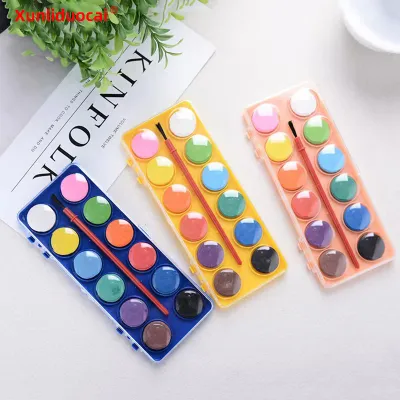
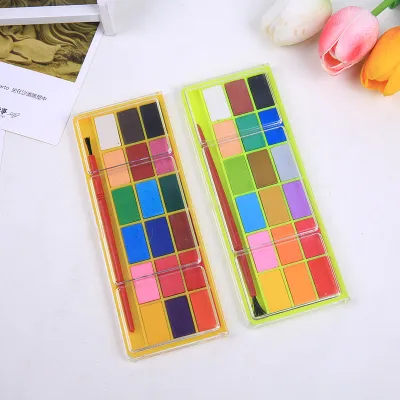
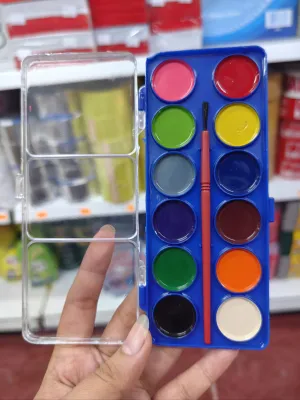
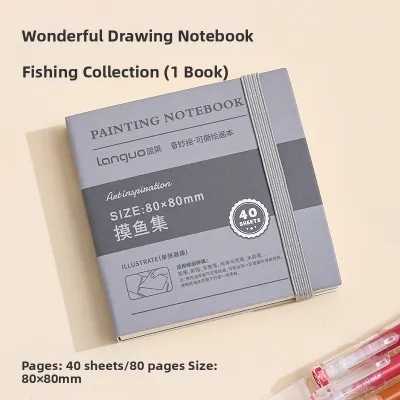
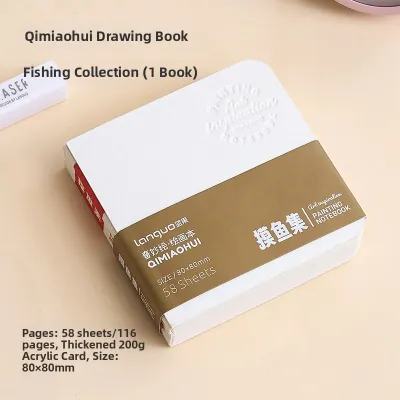
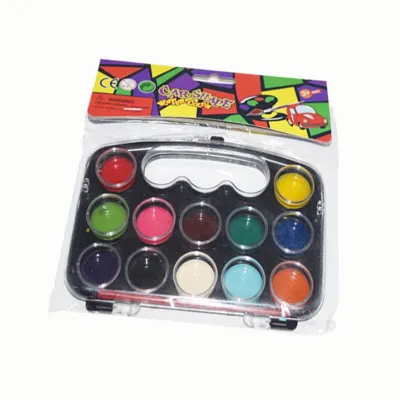
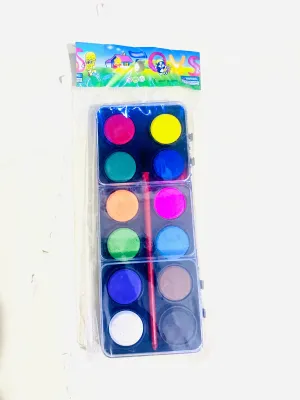
Prices are valid at publication and may change. Please refer to the product page for the latest price.
Here is a quick checklist of the most critical factors to evaluate before making a purchase:
- Format: Solid pan sets are highly recommended for younger students due to their low mess factor, while liquid tubes are better suited for older, advanced art students.
- Color Count: A range of 12 to 24 colors is the ideal sweet spot. Avoid massive sets with 48 or more colors, as they are often bulky and contain low-quality, chalky fillers.
- Safety Certifications: Look for clear non-toxic labels like the ACMI AP seal to ensure the paints are safe for children and free from harmful heavy metals.
- Portability and Case Design: Choose a sturdy plastic case with a secure snap-shut latch and integrated mixing wells in the lid to save desk space.
- Included Accessories: A set that includes a decent synthetic brush or a refillable water brush pen adds excellent value, though you may need to purchase higher-quality paper separately.
Pan vs. Tube: Choosing the Right Format for the Classroom
The debate between pan and tube watercolors comes down to convenience, age, and painting technique. Both formats contain the same basic ingredients—pigment and a binder like gum arabic—but their physical state dramatically changes how they are used in a classroom setting.

Pan Watercolors Solid pan watercolors are small, dried blocks of paint housed in individual plastic cups (known as half-pans or whole pans) inside a travel case. To use them, the student simply dips a wet brush onto the dry cake to activate the pigment. This format is incredibly clean and highly portable. Because the paint is already dry, there is virtually zero risk of major liquid spills inside a backpack or on a shared classroom desk. Cleanup is as simple as wiping down the mixing palette and closing the lid. For elementary and middle school students, pan sets are almost always the preferred choice of art teachers.
Tube Watercolors Tube watercolors contain moist, paste-like paint that is squeezed out onto a separate palette. This format allows students to easily mix large volumes of paint and achieve highly saturated, vibrant washes. However, tubes present a significant “mess factor” in a school environment. Younger students often struggle with portion control, squeezing out far more paint than they need, which leads to waste and messy cleanups. Wet paint left on an open palette is also difficult to transport back home safely. Tubes are best reserved for high school students or advanced art electives where complex color mixing and large-scale washes are part of the curriculum.
The Classroom Verdict For the vast majority of school art classes, pan watercolors are the superior choice. They minimize classroom downtime because setup and cleanup take less than two minutes. If you do opt for tubes for an older student, ensure they also have a folding palette box that seals tightly to keep wet paint from leaking onto school books.
Choosing a Water Color Set for School: Color Count and Pigment Quality
When shopping for a water color set for school, it is tempting to buy the largest set available. However, in art education, quality and usability always triumph over sheer quantity.
The Magic Number of Colors A set containing 12 to 24 colors is ideal for students of all grade levels. This range provides a complete spectrum of primary, secondary, and tertiary colors without overwhelming the user. Buying a set with too many pre-mixed colors (such as 48 or 72 shades) actually deprives students of a crucial learning experience: color mixing. Learning how to combine warm and cool primaries to create custom greens, purples, and oranges is a core objective of school art curriculums. Furthermore, oversized budget sets often cut corners on quality, offering weak, chalky paints to keep the price low.
Understanding Student-Grade Pigments Watercolor paints are generally categorized into student-grade and professional-grade (artist-grade). Student-grade sets, which typically cost between ₱150 and ₱800 in the Philippines, use synthetic alternatives or lower concentrations of organic pigments. They also contain more binders and fillers, such as dextrin or chalk. While this makes the paint slightly more opaque and less vibrant than professional versions, it keeps the product affordable. For school assignments, posters, and learning exercises, high-quality student-grade paint offers excellent performance, smooth application, and plenty of vibrancy.
Testing for Chalkiness and Bleed Lower-quality watercolor sets often dry to a dusty, chalky finish that easily rubs off the paper. When testing a new watercolor set, paint a solid patch of color on a sheet of heavy paper and let it dry. Once dry, rub your finger gently over the paint. If a colored powder transfers to your skin, the paint contains excessive fillers. Additionally, observe how the paint bleeds when wet-on-wet techniques are applied; high-quality student paints should disperse smoothly across the wet paper rather than clumping or freezing in place.
Packaging and Portability: Surviving the School Backpack
A watercolor set is only as good as its container. School art supplies undergo daily wear and tear, being shoved into crowded backpacks, dropped on concrete floors, and exposed to hot, humid climates.
Plastic vs. Metal Cases
- Sturdy Plastic: Most student watercolor sets come in molded plastic cases. Plastic is lightweight, shatterproof, and highly resistant to water damage. Many plastic lids feature built-in circular or square wells, serving as an instant mixing palette. Look for thick, high-impact plastic that won't crack under pressure.
- Metal/Tin Cases: Tin cases are highly durable and offer a classic, professional feel. However, they are heavier than plastic. In the humid Philippine climate, tin cases can rust over time if they are packed away while still wet. If choosing a metal case, students must be diligent about drying the container thoroughly after each class.
Secure Closures and Latches Always inspect the locking mechanism of the watercolor case. A weak latch can easily pop open inside a school bag, exposing the dry or semi-wet paint pans to textbooks, uniforms, and electronic devices. Look for sets with robust snap-locks, sliding latches, or elastic bands that keep the lid firmly sealed during transit.
Integrated Accessories and Refills Many school watercolor sets are sold as all-in-one kits, complete with a brush, a sponge, or even a small water container. While these accessories are convenient, the included brushes are often low-quality plastic-bristled tools that shed hairs onto the painting. It is usually best to treat the included brush as a backup and purchase a separate synthetic round brush (size 6 or 8). Additionally, check if the watercolor set supports individual pan refills. Being able to replace a single highly-used color (like white or blue) without buying an entirely new set is highly cost-effective.
Safety First: Verifying Non-Toxic Certifications
Safety is the absolute priority when choosing art supplies for children. Watercolor painting involves direct skin contact, and younger students may occasionally lick their brushes, bite on brush handles, or accidentally ingest paint.
Recognizing Safety Seals When purchasing a water color set for school, look for international safety certifications printed on the packaging:
- ACMI AP Seal: The Art and Creative Materials Institute "Approved Product" seal certifies that the product has been evaluated by a toxicologist and contains no materials in sufficient quantities to be toxic or injurious to humans.
- EN71 Certification: This is the European standard for toy safety, which strictly limits the migration of heavy metals and other toxic chemical elements in children's art materials.
Why Heavy Metal Content Matters Professional-grade paints often use pigments derived from heavy metals, such as cadmium, cobalt, and lead, to achieve intense, lightfast colors. These substances are highly toxic if ingested or inhaled. Student-grade watercolors replace these hazardous minerals with safe, synthetic organic dyes. Ensuring your child’s set is certified non-toxic guarantees they can paint freely without exposure to harmful chemical residues.
Basic Classroom Hygiene Even with certified non-toxic paints, students should practice safe painting habits. Encourage children to wash their hands thoroughly with soap and water after art class. Remind them never to use their mouth to shape brush tips or drink the water used for rinsing brushes. Keeping a small pack of wet wipes in their school bag is an excellent way to clean up quickly when sink access is limited.
Ideal Watercolor Set Profiles by Grade Level
To help you make the right purchasing decision, we have outlined the ideal watercolor specifications tailored to three distinct educational stages.
Early Elementary (Grades K-3)
For young children entering preschool and early elementary school, art class is all about sensory exploration and motor skill development. The ideal watercolor set for this age group should prioritize safety, ease of use, and quick cleanup.
- Recommended Format: A 12-color half-pan or whole-pan set. Large, oval-shaped pans are highly recommended because they provide a larger target area for clumsy, wide brushes, preventing colors from muddying into adjacent pans.
- Case and Construction: A thick, shatterproof plastic case with a simple, oversized snap latch that small hands can open and close independently.
- Brushes and Accessories: A thick, easy-to-grip flat or round brush with synthetic bristles. The paint must be labeled "washable" to ensure easy removal from school uniforms and skin.
- Price Expectation: Budget-friendly options ranging from ₱100 to ₱200.
Upper Elementary and Middle School (Grades 4-8)
As students progress to middle school, they begin learning formal art concepts, including color theory, shading, and basic wash techniques. They require a set that allows for more precise color mixing and cleaner pigment application.
- Recommended Format: A 12 to 24 color pan set. Standard rectangular half-pans are ideal, as they occupy less space while offering a wider variety of shades.
- Case and Construction: A plastic case featuring a lid with multiple built-in mixing wells. This allows students to experiment with dilution and color blending without needing a separate plastic palette.
- Brushes and Accessories: A medium-sized synthetic round brush (size 6 or 8) which holds a good amount of water and maintains a sharp point for detail work.
- Price Expectation: Mid-range options costing between ₱250 and ₱500.
High School and Advanced Art Electives
High school students and those enrolled in specialized art electives tackle complex projects, such as landscapes, portraits, and mixed-media compositions. They require paints with a higher pigment load, better transparency, and superior blending capabilities.
- Recommended Format: A high-quality student-grade pan set (12 to 18 colors) or an introductory set of 5ml to 12ml tubes.
- Case and Construction: A compact, durable plastic folding palette or a sturdy metal pocket tin with fold-out mixing trays.
- Brushes and Accessories: Students at this level should purchase their brushes separately. A basic starter toolkit includes a size 8 synthetic round brush, a size 4 round brush for details, and a 1/2-inch flat brush for washes.
- Paper Compatibility: Ensure the paints are paired with proper watercolor paper. At this level, standard sketchbooks will warp; students should use cold-pressed watercolor paper pads of at least 300 gsm (140 lb).
- Price Expectation: Quality student-grade sets ranging from ₱600 to ₱1,500.
Frequently Asked Questions (FAQ)
Do students need professional-grade watercolors for high school?
No, high school students do not need expensive professional-grade watercolors. Professional sets are designed for archival gallery displays and can cost several thousand pesos. High-quality student-grade sets from reputable stationery brands offer excellent color vibrancy, smooth blending, and consistent performance at a fraction of the cost. At the high school level, developing proper technique, brush control, and color theory knowledge is far more important than using expensive, professional-grade pigments.
What paper works best with student-grade watercolors?
The success of any watercolor project depends heavily on the paper. Standard printer paper, construction paper, or thin sketchbook pages will instantly buckle, warp, and tear when exposed to water. For school art classes, look for cold-pressed watercolor paper pads with a weight of at least 200 gsm to 300 gsm (140 lb). Cold-pressed paper has a slightly textured surface that grips the pigment beautifully, allowing student-grade paints to dry evenly without pooling or bleeding through the page.
How do I prevent pan watercolors from cracking in a humid climate?
In the tropical climate of the Philippines, high humidity can cause watercolor pans to absorb moisture and remain tacky, making them susceptible to mold. Conversely, sudden exposure to dry air-conditioning can cause the pans to shrink and crack. To prevent these issues, always let the watercolor set air-dry completely with the lid open for a few hours after use before snapping it shut. Store the dry set in a cool, dark drawer away from direct sunlight. If a pan does develop a minor crack, simply spray it with a fine mist of clean water to rehydrate and settle the pigment before the next use.

Community discussion
Share your experience or ask a question. Comments are reviewed before publication.