
Quick Guide to Choosing an A2 Portfolio Bag
Choosing the right A2 portfolio bag is essential for protecting large-format artwork, architectural plans, and presentation boards. A standard A2 sheet measures 420 x 594 mm, meaning your bag must offer slightly larger internal dimensions to prevent bent corners. When evaluating options, focus on three primary specifications: physical rigidity to prevent creasing, water resistance to combat sudden tropical downpours, and ergonomic carrying straps for comfortable transport. Whether you are a student commuting daily or a professional designer presenting to clients, matching these specifications to your routine ensures your work arrives in pristine condition.
Understanding A2 Dimensions and Capacity Specs
To ensure your documents fit perfectly, look beyond the generic “A2” label and examine the exact internal dimensions. Standard A2 paper measures 420 x 594 mm, but a bag with these exact external measurements will be too tight. Always verify that the internal clearance offers at least an extra 15 to 20 mm on each side. This extra space prevents the edges of your paper from rubbing against the zipper teeth, which can cause fraying over time.

The depth of the bag, often listed as the gusset width, determines its overall capacity. A flat, non-gusseted portfolio is ideal if you only need to carry a few loose sheets of drawing paper. However, if you plan to transport thick sketchbooks, multiple mounted boards, or heavy watercolor pads, look for a bag with a gusset of at least 30 to 50 mm.
Products mentioned in this guide
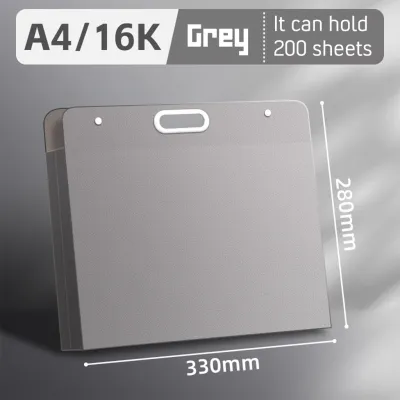
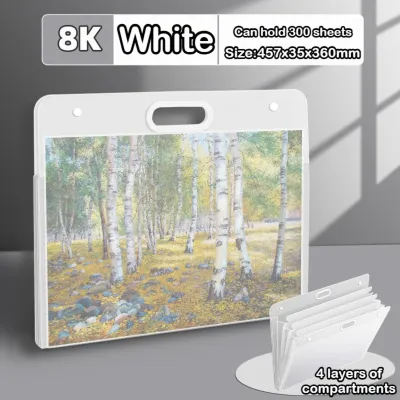
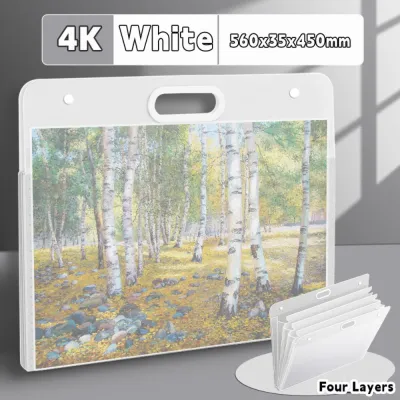

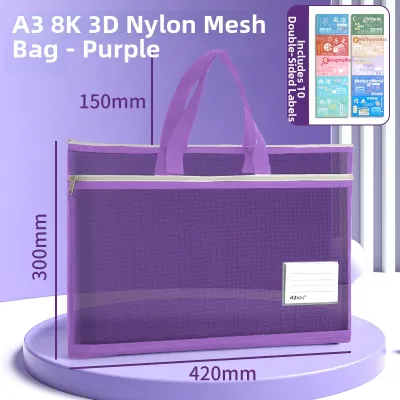
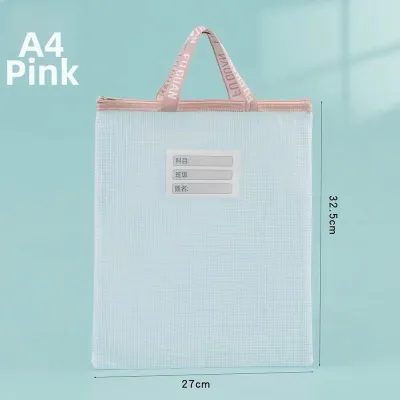
Prices are valid at publication and may change. Please refer to the product page for the latest price.
If your work involves mounting prints on foam boards, standard paper dimensions no longer apply. Foam boards add significant thickness and rigidity, which reduces the usable width of the bag. For these materials, measure the total thickness of your stacked boards and compare it to the bag’s depth spec. Choosing a bag with flexible side panels or an oversized main compartment ensures you can slide these rigid boards in and out without scraping the surfaces.
Material and Protection: What the Specs Actually Mean
The materials used in an A2 portfolio bag directly impact how well your work is shielded from environmental hazards. In tropical climates where high humidity and sudden rainstorms are common, water resistance is a non-negotiable feature. Most bags use synthetic fabrics like nylon or polyester, which are often rated by denier (such as 600D or 1200D). A higher denier indicates a thicker, more durable weave. However, water-resistant coatings on these fabrics only repel light splashes; they do not make the bag fully waterproof. To verify protection, check if the zippers are covered by fabric flaps or if they feature rubberized seals that prevent water from seeping through the teeth during a heavy downpour.
Rigidity is another critical specification to analyze. Soft-sided canvas or nylon bags are lightweight and easy to store when empty, but they offer minimal protection against bending. If you choose a soft bag, you will need to insert a rigid piece of cardboard or a plastic sheet alongside your artwork to keep it flat. Hard-case portfolios, typically made from molded polypropylene or reinforced internal boards, provide excellent structural integrity. These hard cases prevent heavy objects in transit from crushing your delicate prints or creasing your sketch paper.
Finally, pay close attention to the structural reinforcements. The corners of an A2 bag are highly susceptible to wear and tear, especially when placed on rough concrete floors or public transit platforms. Look for bags that feature molded plastic feet on the bottom, reinforced piping along the edges, and heavy-duty metal zippers.
Carrying Options and Internal Layout
Transporting an A2-sized bag can be physically awkward due to its wide profile, making ergonomic carrying options a priority. A good portfolio bag should offer multiple carrying styles to adapt to different situations. Dual carry handles are excellent for quick lifts and short walks, but for longer commutes, a wide, adjustable shoulder strap is indispensable. Look for straps with padded shoulder rests to distribute the weight evenly across your collarbone, preventing the strap from digging in when the bag is fully loaded.
The internal layout of the bag is just as important as its exterior protection. Without proper internal restraints, loose papers will slide to the bottom of the bag during transit, resulting in crumpled edges. High-quality portfolios feature internal elastic straps, X-bands, or hook-and-loop tie-downs that hold your work securely against the back panel. Additionally, look for internal divider sleeves that allow you to separate finished prints from raw sketching materials.
Your daily commute should dictate the carrying style you choose. If you travel primarily by car, a simple hard case with a top handle may be sufficient. However, if you navigate crowded public buses, trains, or walk long distances in busy urban areas, a backpack-style portfolio with dual shoulder straps keeps your hands free and balances the load across your back, making long walks much more manageable.
Which Specs You Can Safely Ignore
When shopping for an A2 portfolio bag, it is easy to get distracted by marketing specifications that add little value to daily use. For instance, the exact empty weight of the bag in grams is often highlighted by manufacturers, but this metric is secondary to how the bag balances when loaded. A slightly heavier bag with robust structural support and a well-padded strap is far more comfortable to carry than an ultra-lightweight bag that sags and pulls unevenly on your shoulder.
You can also overlook bags that boast an excessive number of external pockets. While extra storage seems convenient, bulky external pockets can compromise the flat profile of the main compartment. If you stuff these pockets with bulky pencil cases or chargers, they can press inward, creating pressure points that crease the delicate artwork stored inside.
Lastly, do not be swayed by generic “multi-purpose” labels. These terms are often used loosely and do not guarantee that the bag has been designed with the rigid structural support required for professional A2 prints. Instead, focus on concrete specifications like material denier, internal dimensions, and the presence of rigid internal support panels.
Frequently Asked Questions (FAQ)
Can I fit A1 documents in an A2 portfolio bag?
No, you cannot fit A1 documents in an A2 portfolio bag without folding or rolling them. An A1 sheet (594 x 841 mm) is exactly twice the size of an A2 sheet. Attempting to force an A1 document into an A2 bag will crease the paper and damage the edges. If you must transport A1 documents flat, you need to purchase an A1-specific portfolio bag; otherwise, consider using a protective drafting tube for rolled storage.
How do I clean a canvas or nylon portfolio bag?
To clean a canvas or nylon portfolio bag, start by emptying all contents and shaking out any loose debris. Use a soft cloth or sponge dampened with lukewarm water and a small amount of mild liquid soap to spot-clean dirty areas. Avoid submerging the bag in water or using harsh chemical solvents, as these can degrade the internal water-resistant coatings. Always allow the bag to air-dry completely in a shaded, well-ventilated area before storing your papers inside to prevent moisture buildup and mold.
Community discussion
Share your experience or ask a question. Comments are reviewed before publication.