
Finding the right art materials complete set for school involves balancing curriculum requirements, student age, and material durability. A truly complete set should not just bundle random coloring tools; it must provide a cohesive system of dry media, wet media, and structural accessories that allow a student to complete projects from start to finish. Having the right tools on hand prevents emergency trips to local stationery stores when school projects are assigned.
In tropical climates, choosing the right art supplies requires extra care. High humidity can warp thin paper, cause cheap wax crayons to soften, and affect the drying times of paints and glues. Selecting a set with resilient materials ensures that the student’s work remains intact from the classroom to the display board.
What Makes an Art Set Truly "Complete" for School
A complete art set for school must cover the fundamental needs of a standard academic curriculum. While a basic starter kit might only include a box of crayons and a few markers, a comprehensive, multi-discipline set provides tools for sketching, painting, and basic crafting. This versatility ensures the student is prepared for diverse tasks, from drawing scientific diagrams to creating posters for school events.
Products mentioned in this guide
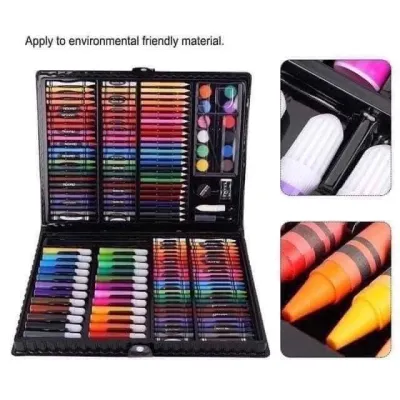
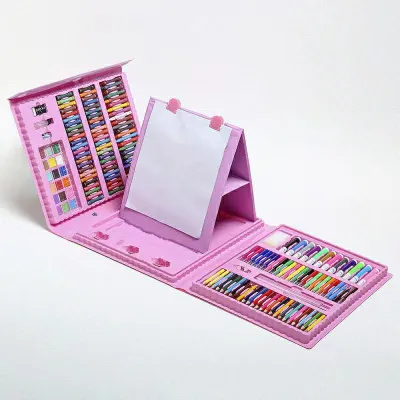
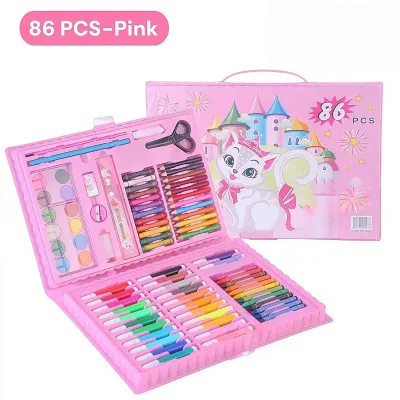
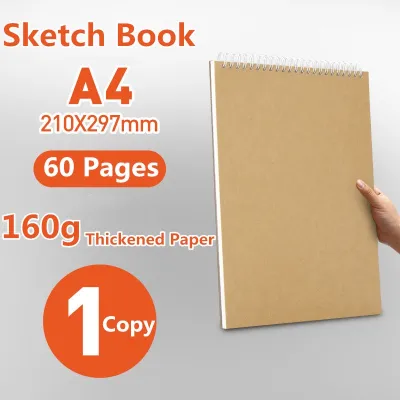
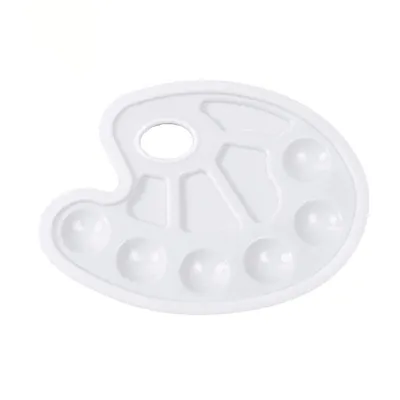
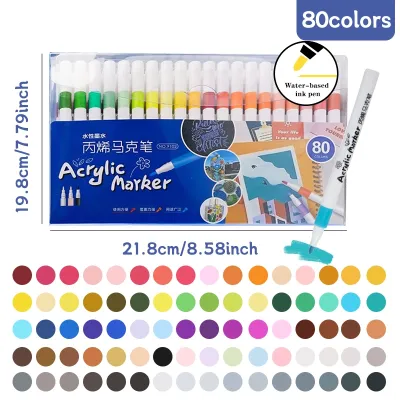
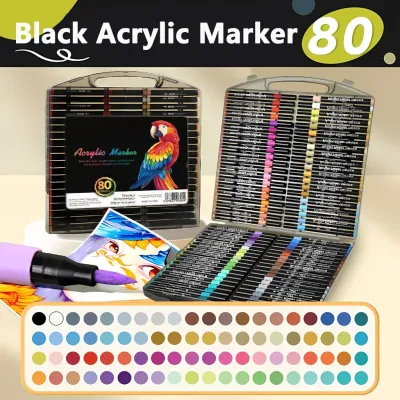
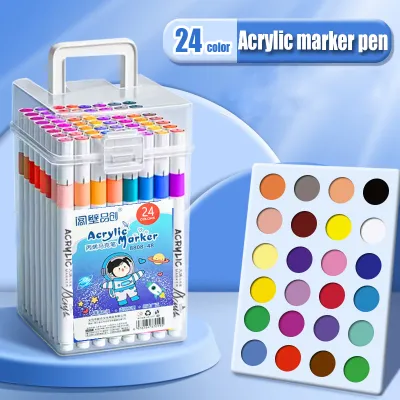
Prices are valid at publication and may change. Please refer to the product page for the latest price.
To evaluate if a set is truly complete, look for a balance across three primary functions: dry media for drawing, wet media for painting, and structural tools for assembly. If a set lacks any of these categories, it is a specialized kit rather than a complete school set. For instance, a set with eighty colored pencils but no scissors, glue, or paint will leave a student searching for additional supplies during a mixed-media project.
Before purchasing, always cross-reference the manufacturer’s item list with the student’s actual syllabus requirements. Many pre-packaged sets advertise a high piece count by including dozens of duplicate paper clips, plastic rulers, or low-quality mixing wells that inflate the number without adding real value. Focus on the variety of functional mediums rather than the sheer quantity of items listed on the box.
Additionally, consider how the materials will be stored and transported. A complete set should include a durable carrying case or organizer. In busy school environments, loose supplies are easily lost or damaged. A sturdy case with dedicated slots for each pencil, brush, and paint tube helps students keep track of their gear and protects delicate items from breaking inside a crowded school bag.
Essential Tools and Mediums to Look For
When shopping for an art materials complete set, verifying the contents against a structured checklist ensures you do not end up with a collection of unusable items. A reliable set focuses on versatile, multi-purpose tools that can adapt to various classroom assignments rather than niche accessories that are rarely used.

Pay close attention to the quality, volume, and refillability of the consumables included in the package. Paint tubes should have secure, airtight caps, and paper pads should feature a high enough sheet count to last at least one school term. Choosing a set that allows you to replace individual items as they run out is far more practical than buying an entirely new kit when a single color finishes.
Drawing, Sketching, and Marking Tools
Foundational art tasks always begin with dry media. A school-ready set should include high-quality graphite pencils, typically ranging from a standard HB pencil for writing and initial layouts to a softer 2B or 4B pencil for shading and depth. A reliable vinyl or plastic eraser is essential for clean corrections without tearing the paper, while a kneaded eraser is highly useful for lifting graphite and charcoal highlights.
For coloring, look for break-resistant colored pencils with soft, wax-based or oil-based cores that lay down color smoothly. Wax crayons and oil pastels are standard for younger grades, but they must be formulated to resist melting or becoming excessively sticky in warm classroom environments. Markers should feature durable fiber tips that resist fraying under heavy pressure and contain non-toxic, water-based ink.
When evaluating these marking tools, check the product labels for smudge resistance and paper compatibility. High-quality colored pencils and markers should glide across standard drawing paper without skipping or bleeding through to the next page. If the packaging mentions lightfastness indicators, it means the colors are formulated to resist fading when exposed to classroom light over time.
Paints, Brushes, and Coloring Mediums
Wet media components require careful inspection to ensure they are practical for classroom use. Watercolors in solid pans or cakes are highly recommended for school because they are portable, dry quickly, and create minimal mess. For projects requiring opaque coverage, look for non-toxic poster paints or tempera cakes that can be easily diluted with water.
Brush variety is critical for successful painting projects. A complete set should include at least three distinct brush types: a wide flat brush for background washes, a medium round brush for general painting, and a fine-tip detail brush. Look for synthetic bristles, such as nylon, which retain their shape and resist shedding much better than cheap natural hair brushes when subjected to rough school use.
Essential painting accessories should also be included in the set. Verify if the kit contains a plastic mixing palette with deep wells to prevent colors from running together, a collapsible water cup for easy storage, and a small sponge for dabbing excess water from brushes. Check the manufacturer’s labels to ensure all paints are explicitly marked as washable, which saves school uniforms from permanent stains.
Paper, Cutting, and Adhesive Accessories
An art set is only as good as the surface on which the art is created. Many low-cost sets include only thin, single-sided paper that buckles, warps, or bleeds when exposed to paint or heavy markers. Ensure the set includes a dedicated sketchpad or mixed-media paper pad with a weight of at least 150 to 200 GSM (grams per square meter) to handle both dry and light wet media.
For crafting and assembly, the set must include reliable cutting and adhesive tools. Look for safety scissors with blunt tips for younger students, or precision stainless-steel scissors for older children. Rulers should have clear, easy-to-read metric markings and a non-slip backing to assist with straight lines and accurate measurements.
Adhesives must be safe, clean, and effective. A solid glue stick is the best choice for paper-to-paper bonding because it does not cause the paper to wrinkle or warp. For heavier materials like cardboard, felt, or wood crafts, a small bottle of non-toxic white liquid glue is necessary. Avoid sets that include generic, low-grade adhesives that dry out in the container before the school year even begins.
Adjusting the Set for the Student's Grade Level
As students progress through school, their artistic needs and motor skills change significantly. A set designed for a preschooler will not suffice for a high school student, and an advanced professional kit will overwhelm a young child. Adjusting your selection criteria based on grade level ensures the tools are both safe and useful.
For early childhood and primary school students, focus on ergonomics and ease of cleaning. Look for chunky, triangular-shaped pencils and crayons that encourage a proper grip and resist rolling off school desks. Highly washable formulas for paints and markers are essential at this stage, as are blunt-tip safety scissors that prevent accidental cuts while developing fine motor skills.
As students enter middle school and high school, the curriculum demands greater technical precision. Older students require standard-diameter drawing pencils in various hardness grades, fine-tip technical pens for ink drawings, and acrylic paints that offer permanent, vibrant coverage. Specialized tools such as blending stumps for charcoal, specific brush shapes like filberts or angled shaders, and drafting compasses become necessary for advanced art electives.
Always check the product packaging for explicit age recommendations and safety warnings. Look for clear labeling regarding small parts that could present choking hazards for younger siblings, or sharp edges on utility knives and compasses intended only for older students. Matching the set to the student’s developmental stage ensures a frustrating-free and safe creative experience.
Pre-Assembled Kits vs. Building Your Own Bundle
When preparing for the school year, parents often face the choice between buying a pre-assembled art kit or building a custom bundle from individual items. Both approaches have distinct advantages and trade-offs depending on your budget, time constraints, and quality expectations.
Pre-assembled kits are highly convenient and often cost-effective. Purchasing a complete boxed set in a single transaction can range from ₱300 to ₱1,500, which is often cheaper than buying each item individually when factoring in separate shipping fees or travel costs to multiple stores. These kits provide immediate readiness, allowing the student to start their art classes with all basic tools neatly organized in a single carrying case.
However, pre-assembled kits often involve compromises in material quality. To keep prices low, manufacturers may include lower-grade brushes that shed bristles, thin paper pads with very few sheets, or generic adhesives that fail to hold projects together. Additionally, if a student runs out of a single popular color, like white paint or black marker, you may still need to purchase individual replacements separately.
| Selection Factor | Pre-Assembled Art Kit | Custom-Built Art Bundle |
|---|---|---|
| Upfront Cost | Generally lower (₱300 – ₱1,500) | Higher initial investment per item |
| Convenience | High; ready to use out of the box | Low; requires sourcing from multiple brands |
| Component Quality | Standard or school-grade; variable | High; individually selected for durability |
| Customization | Fixed contents; potential duplicates | Tailored exactly to the school syllabus |
| Storage | Includes a dedicated carrying case | Requires purchasing a separate pencil case or bag |
For younger students with basic classroom needs, a pre-assembled kit is usually the most practical and economical choice. For older students, art majors, or those participating in specialized school clubs, building a custom bundle is highly recommended. Investing in high-quality individual tools ensures they last for multiple school years and perform reliably under demanding project requirements.
Frequently Asked Questions (FAQ)
Is it better to buy a pre-assembled set or build one from scratch?
A pre-assembled set is ideal if you need a quick, budget-friendly solution for general classroom use, especially for younger students. It saves time and provides a convenient carrying case that keeps everything organized. However, if the student is older or enrolled in a specialized art class, building a set from scratch allows you to select higher-quality brushes, thicker paper, and specific pencil grades that match the syllabus exactly without paying for filler items.
How do I ensure the art supplies are safe for younger students?
To verify safety, look for recognized non-toxic certification seals printed directly on the physical product packaging rather than relying solely on online product descriptions. Standard certifications include the AP (Approved Product) seal from the Art and Creative Materials Institute or compliance with EN71 safety standards. Avoid purchasing sets that have strong chemical odors, lack ingredient labeling, or contain unshielded sharp tools like utility cutters or metal compasses.
Community discussion
Share your experience or ask a question. Comments are reviewed before publication.