
Finding the right envelope with a handle for your child’s daily school use involves balancing physical comfort, structural durability, and functional capacity. In the Philippines, where students frequently navigate sudden tropical downpours, high humidity, and crowded commutes, a simple paper folder is rarely enough to keep schoolwork safe. A portable document bag or expanding file with a built-in handle acts as a dedicated shield for worksheets, art projects, and textbooks. By focusing on key features like water-resistant materials, secure closures, and ergonomic handles, you can ensure your child’s school requirements remain organized and intact throughout the academic year.
Rather than viewing this item as a minor accessory, parents should treat it as a critical component of a student’s daily organizational system. When children have a reliable, easy-to-carry container for their loose papers, they are more likely to develop good habits regarding homework submission and document care. The goal is to select an option that can withstand being stuffed into a crowded backpack, dropped on concrete schoolyards, and carried through humid afternoons without tearing or spilling its contents.
Sizing and Capacity: Matching the Envelope to Your Child's Daily Load
Selecting the correct size for a school envelope requires a clear understanding of the standard paper formats used in local classrooms. In most schools, teachers distribute handouts, worksheets, and exam papers printed on standard Letter (8.5 by 11 inches) or A4 (8.27 by 11.69 inches) paper. Occasionally, art classes or specialized modules may utilize Legal-sized (8.5 by 14 inches) sheets. To prevent the edges of these documents from curling, folding, or tearing, the internal dimensions of the envelope must be slightly larger than the largest paper size your child carries. A standard A4-sized envelope might struggle to accommodate Legal documents, so verifying the exact internal measurements before purchasing is a necessary first step.
Products mentioned in this guide
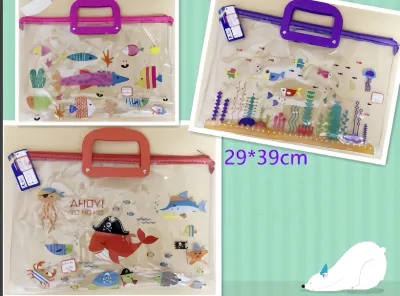
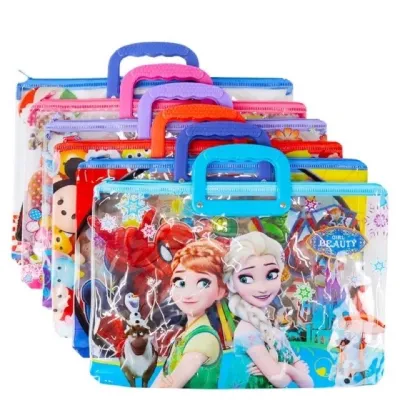
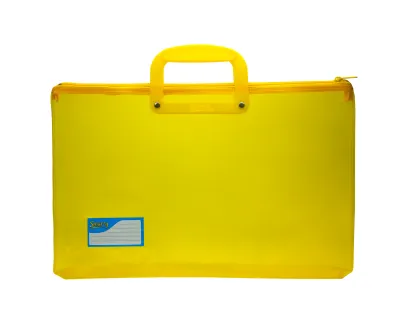
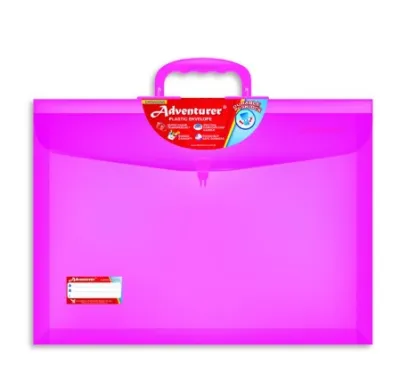
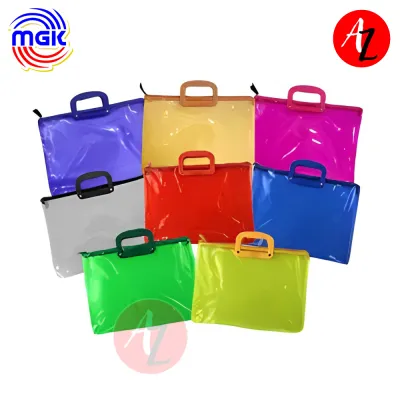
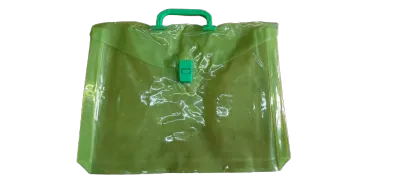
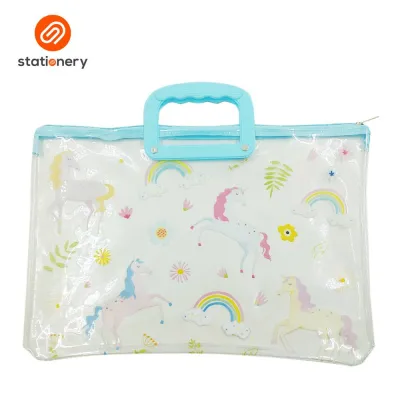
Prices are valid at publication and may change. Please refer to the product page for the latest price.
Beyond flat dimensions, the depth or gusset width of the envelope determines how much material it can hold. A flat, non-expanding envelope is suitable if your child only needs to transport a few thin worksheets or homework slips. However, if they are required to carry thick workbooks, coloring books, drawing pads, or even a slim digital tablet, an expanding file folder with a flexible gusset is highly recommended. These expanding designs typically feature accordion-style sides that can stretch from one to three inches, allowing the envelope to adapt to varying daily workloads without putting excessive pressure on the seams.
While maximizing capacity is tempting, parents must also consider the physical weight of a fully loaded envelope. When filled with multiple textbooks, notebooks, and stationery kits, a large envelope can become surprisingly heavy for a young child to carry in one hand. An oversized, overloaded bag can cause a child to drag the envelope along the ground, leading to rapid wear on the bottom corners. To maintain a safe and manageable load, choose an envelope size that matches the child’s physical stature and daily requirements, leaving unnecessary materials at home or stored safely in their school desk.
Material Durability: Evaluating Weather Resistance and Tear Strength
The daily school run exposes student supplies to significant wear and tear, making material selection a primary factor in the envelope’s longevity. Polypropylene (PP) is one of the most common materials used for school envelopes due to its lightweight nature, inherent water resistance, and high flexibility. Heavy-duty polypropylene envelopes resist scratches and tears well, making them an excellent choice for younger students who may not always handle their belongings gently. When evaluating plastic options, look for labels indicating a thicker gauge or millimeter measurement, as thin, flimsy plastics are prone to cracking along fold lines over time.

For parents seeking a more flexible or fabric-like feel, canvas and nylon are excellent alternative materials. These fabrics offer exceptional tear resistance and can withstand being compressed inside a tight backpack without losing their shape. However, because raw canvas and standard nylon are porous, it is essential to verify that the product features a water-resistant inner lining or a protective outer coating. This moisture barrier is crucial for protecting paper assignments from sudden tropical rain showers, high humidity, or accidental water bottle spills inside the school bag.
Regardless of the primary material, the structural integrity of the envelope often depends on the quality of its seams and stress points. On plastic envelopes, heat-welded seams should be smooth, thick, and free of air bubbles or gaps that could split under pressure. For fabric envelopes, inspect the stitching along the edges, paying close attention to the areas where the handle is attached to the main body. Double-stitching, reinforced fabric piping, or heavy-duty thread are reliable indicators that the envelope is built to handle the physical strain of daily school use without falling apart.
Handle Ergonomics: Ensuring Comfort and Secure Attachment
Because children will carry these envelopes by hand during their commute, school assemblies, or classroom transitions, handle comfort is a vital consideration. A poorly designed handle can quickly cause discomfort, digging into small hands and discouraging the child from using the organizer altogether. Look for handles that feature rounded edges, soft rubber grips, or padded fabric wraps. Avoid thin, sharp plastic handles that offer no flexibility, as these can pinch the skin and cause fatigue when the envelope is fully loaded with heavy schoolbooks.
The drop length of the handle—the distance between the top of the handle and the main body of the envelope—must also be proportionate to the child’s height. If the drop length is too long, the envelope will hang too close to the ground, causing it to bump against the child’s legs or drag on the floor as they walk. Conversely, a handle with a drop length that is too short may not allow the child to grip it comfortably, especially if they are wearing a bulky jacket or carrying other items. Testing the grip or checking product dimensions can help ensure a natural, comfortable carrying position.
Equally important is how securely the handle is attached to the envelope body. The connection points bear the entire weight of the loaded bag, making them the most common failure points. High-quality envelopes reinforce these areas using metal rivets, heavy-duty cross-stitching (often in an “X” pattern), or thick, molded plastic joints that distribute the weight evenly. Before purchasing, inspect these attachment points to ensure there are no loose threads, weak welds, or flimsy plastic tabs that could easily snap under a sudden tug.
Closure Mechanisms: Balancing Security and Child-Friendly Operation
A secure closure mechanism is essential to prevent homework, art supplies, and personal items from spilling out during transit. However, the closure must also be easy enough for a child to operate independently without assistance from a teacher or parent. Snap buttons are a popular and secure option, but they require a certain amount of finger strength to press closed and pull open. If the plastic around the snap button is too thin, repeated pulling can eventually tear the material, rendering the closure useless.
Hook-and-loop fasteners, commonly known as Velcro, offer an incredibly user-friendly alternative for younger students, such as those in kindergarten or early primary grades. Children can open and close Velcro flaps quickly with minimal effort. The primary drawback of Velcro is its tendency to collect lint, dust, and loose threads over time, which can gradually reduce its gripping power. Additionally, the loud ripping sound of opening Velcro can sometimes be distracting in a quiet classroom setting.
For maximum security, zipper closures are highly effective, especially for multi-compartment expanding files. A zipper seals the entire perimeter of the opening, ensuring that small items like pencils, erasers, flashcards, or coins cannot slip out. When choosing a zippered envelope, look for smooth plastic or nylon zipper tracks with large, easy-to-grip pull tabs. Ensure the zipper teeth align correctly and that there is a protective fabric border to prevent paper edges from getting caught in the mechanism, which can cause jams and tears.
Building Your Shortlist: A Pre-Purchase Evaluation Checklist
To help you find the right envelope with a handle for kids, use this step-by-step checklist to evaluate and compare different options before making a purchase:
- Verify the Dimensions: Measure your child's largest school workbook or drawing pad. Ensure the envelope's internal dimensions offer at least an inch of clearance on all sides to allow for easy insertion and removal.
- Assess the Material: Look for heavy-duty polypropylene or lined canvas/nylon. Confirm that the product description or label explicitly mentions water resistance or waterproof properties to guard against spills and rain.
- Inspect the Handle and Seams: Check for reinforced handle attachments, such as metal rivets or cross-stitching. Ensure the edges of the envelope are bound with fabric piping or thick, clean welds.
- Test the Closure: Choose a closure type (zipper, snap, or Velcro) that matches your child's age and fine motor skills. Ensure the closure seals the openings completely to prevent small items from falling out.
- Read Real-World Feedback: When browsing online marketplaces, look at customer reviews specifically mentioning "durability," "handle strength," or "school use." Pay attention to photos uploaded by other parents to verify the actual color and material thickness.
Setting a realistic budget is also an important part of the selection process. In the local market, basic plastic envelopes with handles typically range from ₱50 to ₱150. While these are highly affordable, they may need to be replaced multiple times a year if subjected to heavy use. On the other hand, more robust, multi-compartment expanding files with padded handles and secure zipper closures generally cost between ₱200 and ₱500. Investing in a slightly higher-quality option at the start of the school year often proves more economical, as it reduces the need for frequent replacements and protects expensive school supplies from damage.
Maintenance and Care: Extending the Envelope's Lifespan
Proper maintenance can significantly extend the life of your child’s school envelope, ensuring it remains clean, hygienic, and functional throughout the academic year. For plastic or polypropylene envelopes, routine cleaning is straightforward. Simply empty the contents completely and wipe down both the interior and exterior surfaces with a damp cloth and a small amount of mild dish soap. Avoid using harsh chemical solvents, abrasive scrubbing pads, or bleach, as these can degrade the plastic, scratch the surface, or strip away colorful designs and patterns.
If you have chosen a canvas or nylon envelope, spot-cleaning is the recommended approach. Use a soft-bristled brush or a clean cloth dipped in warm, soapy water to gently scrub away dirt, mud, or ink stains. Because these fabrics can absorb moisture, proper drying is absolutely critical, especially in humid tropical climates. Storing a damp fabric envelope in a dark closet or inside a closed school bag can quickly lead to the growth of mold, mildew, and unpleasant musty odors. Always hang the envelope to air-dry completely in a well-ventilated, shaded area before placing papers back inside.
Finally, encourage your child to perform a quick weekly inspection of their envelope. Checking for early signs of wear—such as loose threads along the handle seams, small cracks in the plastic corners, or a zipper that is beginning to catch—allows you to address minor issues before they lead to a major failure. If a handle seam begins to fray significantly or a closure breaks completely, it is usually time to replace the envelope. Continuing to use a damaged organizer risks losing important homework assignments, school notices, or valuable stationery items during the daily commute.
Frequently Asked Questions (FAQ)
Can an envelope with a handle replace a traditional backpack for school?
No, an envelope with a handle should not be used as a total replacement for a traditional school backpack. Backpacks are designed to distribute weight evenly across both of a child’s shoulders, which is essential for supporting their developing spine and maintaining proper posture. Carrying a heavy load in one hand using a handled envelope over long distances can cause muscle strain, shoulder pain, and unbalanced walking habits. Instead, view the handled envelope as a supplementary organizer. It is ideal for carrying specific items—such as art supplies for a single class, homework folders to be submitted, or library books—while the bulk of their heavy textbooks and daily essentials remain safely distributed inside their primary backpack.
How do I clean a polypropylene envelope if my child spills food or drinks on it?
To clean a polypropylene envelope after a spill, first empty all papers and school supplies from the compartments. Check the manufacturer’s label for any specific care instructions. Next, mix a few drops of mild dish soap with warm water and use a soft microfiber cloth to wipe down the soiled areas. For sticky residues or dried food, let the damp cloth sit on the spot for a minute to loosen the debris before wiping it away. Avoid using boiling water, harsh chemical solvents like acetone, or abrasive scouring pads, as these can warp or permanently damage the plastic. Once clean, wipe the envelope dry with a clean towel and leave it open in a well-ventilated area to air-dry completely before reloading it with schoolwork.
Community discussion
Share your experience or ask a question. Comments are reviewed before publication.