
Selecting the right honeycomb wrapping paper requires balancing structural protection with visual presentation. To find the ideal honeycomb wrapper, you must evaluate its thickness (measured in grams per square meter), roll or sheet dimensions, stretch capacity, and design elements like color and opacity. In a warm, humid climate like the Philippines, understanding how these paper specifications interact with moisture and handling is essential for ensuring your gifts remain secure and beautifully presented.
Unlike traditional flat wrapping paper, a honeycomb wrapper relies on physical expansion to create a protective barrier. This guide explains how to assess these technical specifications, match the paper to your specific gifting needs, and verify product quality before purchasing, whether you are sourcing materials online or from a local stationery supplier.
Understanding the Structure and Benefits of Honeycomb Wrappers
The defining characteristic of a honeycomb wrapper is its engineered three-dimensional hexagonal cell structure. In its unstretched state, the paper appears flat and compact, resembling standard heavy kraft paper with precise, staggered slits. When you pull the paper horizontally, these slits open into a interlocking web of hexagonal cells. This geometric configuration distributes external pressure evenly across the surface, creating a natural cushioning effect that absorbs minor impacts during transit or handling.
Products mentioned in this guide
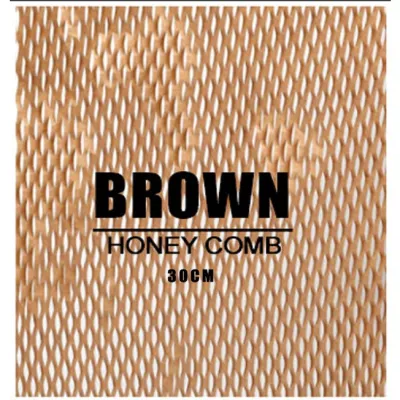
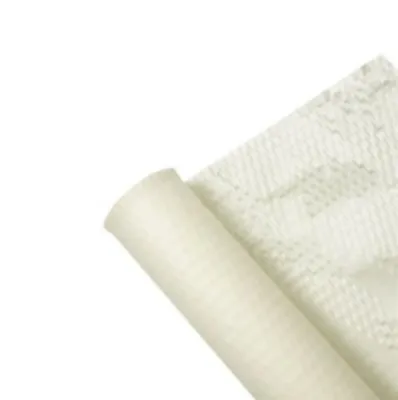
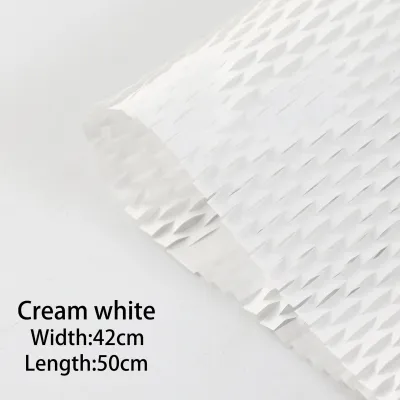

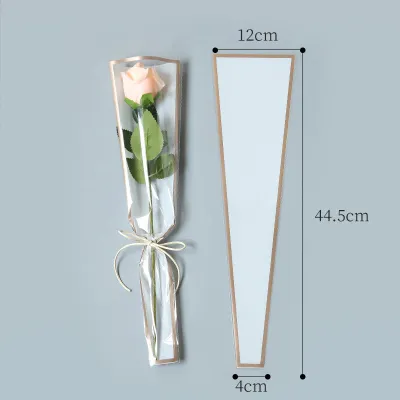
Prices are valid at publication and may change. Please refer to the product page for the latest price.
This expanded structure provides a distinct visual texture and aesthetic appeal that flat wrapping paper cannot replicate. The raised, interlocking pattern creates depth and shadow, giving gifts an organic, artisanal appearance. This textured finish is particularly popular for eco-friendly packaging designs, corporate gifts, and rustic wedding favors, as it eliminates the need for glossy plastic laminates while still delivering a premium presentation.
Beyond aesthetics, the stretch properties of honeycomb paper offer functional flexibility. As the cells expand, the paper naturally contours to irregular shapes, wrapping tightly around spherical, cylindrical, or multi-angled items without bunching or folding awkwardly. The interlocking cells also catch on one another, allowing the paper to hold its shape and seal itself without requiring adhesive tape or plastic ribbons. This self-clinging property simplifies the wrapping process and reduces overall material consumption.
How to Evaluate Thickness and Material Durability
When evaluating honeycomb wrapping paper, thickness is primarily indicated by the paper’s weight, measured in grams per square meter (GSM). Most commercial honeycomb wrappers range from 70 GSM to 90 GSM in their unexpanded state. A higher GSM indicates a denser, thicker paper that offers greater structural rigidity and puncture resistance. To find this information, check the product specifications on the packaging label or the manufacturer’s technical data sheet.

During handling, you can assess the durability of the paper through several observable criteria. High-quality honeycomb paper should allow you to stretch the cells to their full hexagonal shape without premature tearing along the slits. If the paper tears easily before the cells fully open, the fibers may be too short or degraded. Additionally, check the edge integrity of the roll; clean, dust-free cuts along the sides indicate precise manufacturing, which prevents tears from starting at the margins when tension is applied.
The base material of the wrapper significantly influences its stiffness and performance. Virgin natural kraft paper utilizes long, unbleached wood fibers, providing the highest tensile strength and resistance to tearing under tension. Recycled paper options are highly sustainable but feature shorter fibers, which can make the paper slightly softer and more prone to tearing if overstretched. Dyed variants, such as black or white honeycomb paper, undergo chemical coloring processes that can alter the paper’s moisture absorption and stiffness, making them behave differently than standard brown kraft paper under humid conditions.
Because paper performance depends on the exact material combination, you can perform a simple manual test to verify durability. Cut a small, ten-centimeter strip of the paper, hold it firmly at both ends, and stretch it slowly. Note the resistance and observe whether the cells open uniformly. If the paper softens or tears under minimal tension, it may not be suitable for wrapping heavy or sharp-angled items.
Choosing the Right Size, Width, and Roll Format
Selecting the correct dimensions for your honeycomb wrapper prevents unnecessary waste and ensures efficient coverage. Honeycomb paper is commonly available in two formats: continuous rolls and pre-cut sheets. Standard roll widths typically range from 30 centimeters to 50 centimeters. Pre-cut sheets are highly convenient for wrapping uniform, small-to-medium items quickly, whereas continuous rolls allow you to customize the length for larger or irregularly shaped gifts.
To estimate the required length of paper for a specific gift, you must account for the paper’s natural stretch factor. Most honeycomb wrappers feature a stretch ratio of approximately 1:1.5 to 1:1.6. This means that one meter of unexpanded paper on the roll will yield approximately 1.5 to 1.6 meters of usable, expanded wrapping. When calculating your needs, divide the total length required to cover your items by 1.5 to determine the actual length of unexpanded paper you need to pull from the roll.
Additionally, consider the physical dimensions of the roll itself, including the inner core size and overall bulk. Standard rolls often feature a 2-inch or 3-inch inner cardboard core, which must match the spindle of any wrapping dispenser or stand you plan to use. In humid tropical environments, larger, bulkier rolls can absorb ambient moisture over time if left uncovered. Choosing a roll size that matches your immediate wrapping volume helps prevent the outer layers from degrading or flattening during long-term storage.
Selecting Designs, Colors, and Opacity for Your Occasion
The visual design of your honeycomb wrapper should align with the occasion while maintaining practical usability. Natural kraft tones offer a classic, earth-friendly aesthetic that pairs well with jute twine, dried flowers, or simple gift tags. Solid colors, such as deep black, crimson red, or forest green, provide a more formal or festive appearance suitable for holidays and corporate events. Printed patterns, though less common due to the slitted structure, can add a playful touch to birthdays and casual celebrations.
When choosing colored options, verify whether the paper features double-sided coloring or a colored core. Some lower-quality colored wrappers are only printed on one side, leaving the reverse side white or light brown. When these papers are stretched, the uncolored interior of the slits becomes visible, which can disrupt the uniform look of your gift presentation. Opt for papers that are dyed through the pulp to ensure a consistent, rich color across the entire expanded hexagonal web.
Opacity is another critical factor to consider, especially when wrapping items without an inner gift box. Because the honeycomb structure relies on open hexagonal cells, the underlying item will be partially visible through the gaps. To prevent product labels or box designs from showing through, check the opacity of the paper when fully expanded. If you require complete concealment, consider pairing a lighter-colored honeycomb wrapper with an inner layer of thin, solid-colored tissue paper. This double-layer technique adds a contrasting color behind the hexagonal cells while ensuring the gift remains a surprise.
Matching Paper Specifications to Different Gift Types
Different gift items require specific paper characteristics to ensure adequate protection and a clean presentation. By matching the paper’s specifications to the physical properties of the gift, you can optimize both material use and wrapping efficiency.
Fragile and Irregularly Shaped Items
For delicate items like ceramic mugs, glassware, or artisanal cosmetic jars, the primary goal is shock absorption and surface protection. A standard 70 GSM to 80 GSM honeycomb wrapper is ideal for these applications. The flexibility of this weight allows the paper to conform tightly to curves and handles. When wrapping, stretch the paper gently to open the cells, wrap the item at least twice to build up protective layers, and tuck the ends inward. The interlocking cells will hold the shape securely without requiring tape, preventing the wrapper from unraveling during transport.
Heavy or Dense Items
Heavy items, such as books, wooden cutting boards, or stone coasters, exert significant pressure on packaging materials. These items require a thicker 90 GSM honeycomb wrapper to prevent the weight of the object from collapsing the expanded hexagonal cells. If the cells collapse, the cushioning effect is lost, and the paper may tear at the stress points. For these items, focus on maintaining a moderate stretch—enough to open the cells but not so much that the paper is under extreme tension. Use multiple layers on the bottom and sides of the item to distribute the weight evenly.
Items with Sharp Corners or Rigid Edges
Wrapping items with sharp corners, such as rectangular gift boxes or metal frames, presents a high risk of puncturing the paper. When honeycomb paper is stretched tightly over a sharp 90-degree edge, the tension concentrates on a single point, often causing a tear. To prevent this, avoid overstretching the paper around the corners. You can also place a small piece of scrap cardstock or folded tissue paper over the sharp corners before applying the honeycomb wrapper. This simple step cushions the sharp edge and distributes the tension across a wider surface area, preserving the integrity of the outer wrap.
A Quality Verification Checklist for Online and In-Store Purchases
To ensure you receive high-quality honeycomb wrapping paper that offers good value, use this practical checklist when shopping online or in physical stationery stores:
- Verify the Measurement Standard: Carefully read the product description to confirm whether the listed length refers to the "unstretched" (on-the-roll) length or the "stretched" (usable) length. Some listings display the stretched length to make the roll appear larger, which can lead to running out of paper sooner than expected.
- Calculate the Unit Cost: To compare different options accurately, calculate the price per meter in ₱. Divide the total price of the roll by its unstretched length in meters. This allows you to compare bulk rolls against smaller convenience rolls to find the most cost-effective option for your budget.
- Check for Moisture Damage: When buying in-store, inspect the edges of the roll for warping, waviness, or a soft, spongy texture, which are signs of moisture absorption. For online purchases, read customer reviews to see if buyers have reported receiving damp or musty rolls, as excess moisture weakens paper fibers and reduces stretch performance.
- Assess Color Fastness: If purchasing dyed or colored honeycomb paper, check user feedback for reports of color bleeding. In humid climates, low-quality dyes can transfer onto your hands or the gift item itself during wrapping. You can verify this on a purchased roll by rubbing a damp white cloth over a small section of the paper to see if any dye transfers.
- Evaluate the Core and Packaging: Ensure the roll is shipped with a sturdy inner cardboard core to prevent crushing during transit. A crushed core makes it difficult to mount the roll on a dispenser and can cause uneven tension when pulling the paper.
Frequently Asked Questions (FAQ)
Can honeycomb wrapping paper replace bubble wrap for fragile items?
Yes, honeycomb wrapping paper can successfully replace plastic bubble wrap for many light-to-medium fragile items, such as glassware, ceramics, and cosmetics. The expanded hexagonal cells create a reliable three-dimensional cushion that protects surfaces from scratches and minor impacts. However, for extremely heavy, highly fragile, or high-value items shipped over long distances through commercial couriers, honeycomb paper is most effective when used as an inner protective wrap combined with a sturdy outer shipping box and additional corner padding.
How should I store leftover honeycomb paper rolls to prevent flattening?
To preserve the structural integrity and stretch properties of your honeycomb paper, store the rolls vertically on their ends rather than laying them flat on a shelf. Storing a roll horizontally can cause a flat spot to develop over time under its own weight, which disrupts the even expansion of the cells. Additionally, keep the rolls in a cool, dry place away from direct sunlight. In highly humid regions, seal the roll inside a clean plastic bag or storage bin to prevent the paper fibers from absorbing ambient moisture and softening.
Is honeycomb wrapping paper fully recyclable after use?
Natural, unbleached kraft honeycomb wrapping paper is fully recyclable and biodegradable, making it an excellent eco-friendly packaging choice. It can be placed directly into standard paper recycling bins. However, if the paper has been treated with heavy synthetic dyes, metallic inks, or has plastic adhesive tape attached, these elements can interfere with the recycling process. To ensure easy recycling, use natural kraft variants, secure the wrap with natural twine instead of plastic tape, and instruct the recipient to remove any non-paper decorations before recycling.
Community discussion
Share your experience or ask a question. Comments are reviewed before publication.