
Choosing your first charcoal pencil set is an exciting milestone for any aspiring artist, as this expressive medium offers unparalleled depth, rich velvety blacks, and dramatic contrast. To make the right choice, a beginner should prioritize a balanced variety of hardness grades, a clear understanding of different charcoal types, and the inclusion of essential blending and erasing tools. Rather than simply purchasing the most expensive option on the shelf, the key is to evaluate how the set’s specifications align with your learning goals and drawing style.
Furthermore, because charcoal is a dry, powdery medium, matching your pencils with the right paper texture is just as critical as the quality of the pencils themselves. In warm, humid environments like the Philippines, moisture in the air can soften paper fibers and cause loose charcoal powder to clump, making the choice of both medium and surface a vital starting point. By focusing on how these materials interact, you can avoid common frustrations and set yourself up for a rewarding drawing experience.
Core Specifications: Charcoal Types and Hardness Grades
To evaluate any charcoal pencil set, you must first understand the two primary types of charcoal used in these cores: vine or willow charcoal, and compressed charcoal. Vine and willow charcoals are made by burning natural grapevines or willow twigs in an airtight kiln without any added binders. This results in an incredibly soft, powdery, and easily erasable medium that produces light, silvery-gray tones. When encased in a pencil, vine charcoal is highly delicate and excellent for initial underdrawings, quick gesture sketches, and soft shading because it can be dusted off the paper with a simple swipe of a cloth.
Products mentioned in this guide
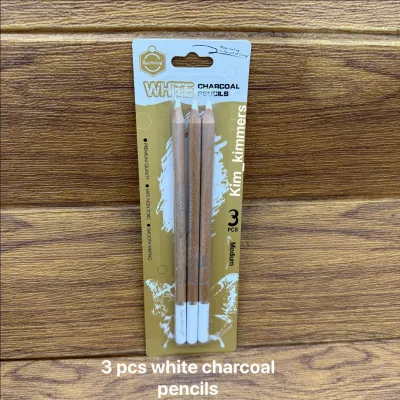
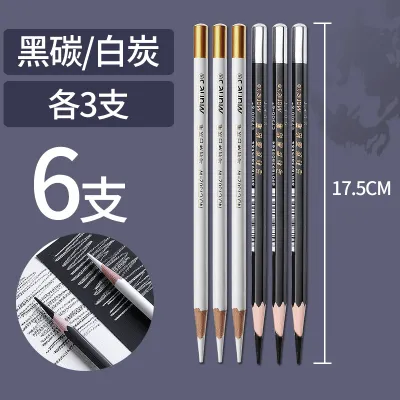
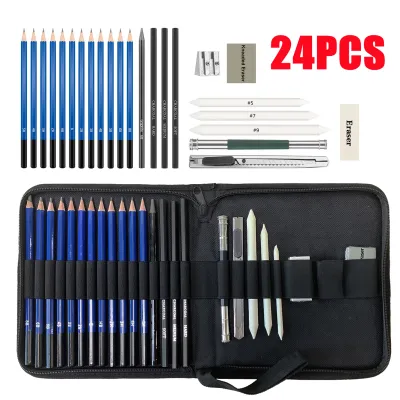
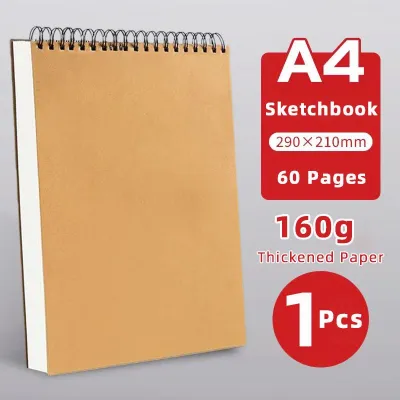
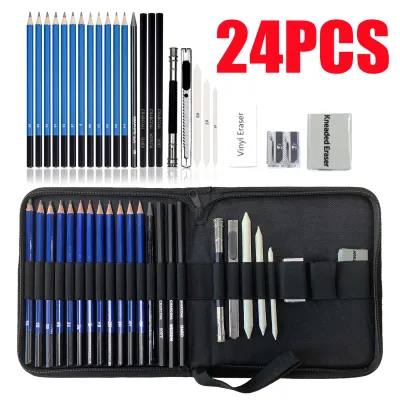
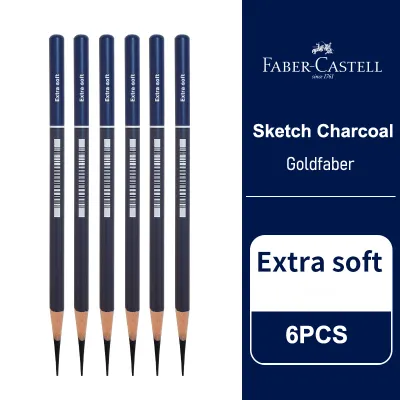
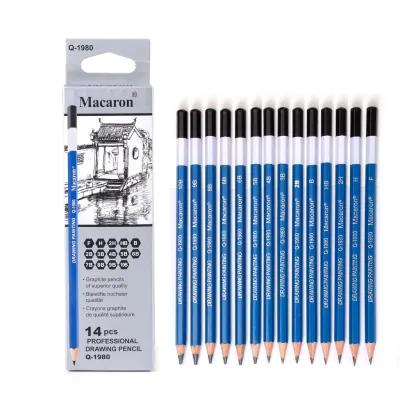
Prices are valid at publication and may change. Please refer to the product page for the latest price.
Compressed charcoal, on the other hand, is created by mixing powdered charcoal with a binding agent—typically gum tragacanth, clay, or wax—and pressing it into a solid core. The addition of a binder makes the pencil much harder, denser, and significantly darker than natural vine charcoal. Compressed charcoal pencils produce intense, deep blacks that are highly permanent and difficult to erase completely. Because the binder holds the particles together, these pencils can be sharpened to a fine point for detailed linework, though they require more pressure to apply and can scratch the paper if the core contains impurities.
Understanding the hardness grading scale is equally essential when selecting your first set. Charcoal pencils generally follow a scale similar to graphite, using markings like HB (hard/medium), 2B (medium), 4B (soft), and 6B (extra soft). However, charcoal grades do not align perfectly with graphite; even a “hard” charcoal pencil (HB) will produce a much darker, matte black line than an HB graphite pencil. Harder charcoal pencils contain more binder, allowing them to hold a sharp point longer, which is ideal for fine details and clean outlines. Softer grades (4B and 6B) contain very little binder, laying down thick, rich layers of dark pigment that wear down rapidly and smudge effortlessly.
Because there is no universal standard for charcoal hardness, grading and darkness can vary significantly between different manufacturers. A “medium” pencil from one brand might feel as soft and dark as an “extra soft” from another. To verify how a specific set performs, you should conduct a simple gradient test on a scrap piece of drawing paper. Apply consistent, gradual pressure with each pencil in the set to observe how the pigment transitions from a light gray to a deep black. This trial will help you understand the unique friction, smoothness, and tonal range of your specific pencils before you begin a formal drawing.
Evaluating the Set: What Should Be Included?
When assessing the practical value of a charcoal pencil set, look closely at the ratio of light to dark pencils included in the package. A well-designed beginner set should offer a balanced progression across the hardness scale rather than multiple duplicates of a single grade. For example, a set containing one HB, two 2B, two 4B, and one 6B pencil is far more versatile than a set that only provides ultra-soft pencils. This balanced range allows you to practice building values gradually, starting with light guidelines and finishing with deep, dramatic shadows.

Beyond the pencils themselves, a complete starter set should include essential accessories that make working with charcoal manageable. A kneaded eraser is non-negotiable; unlike standard plastic erasers that scrape the paper and leave messy crumbs, a kneaded eraser can be molded into custom shapes to gently lift charcoal particles from the page, creating clean highlights. Blending stumps (also known as tortillons) are tightly rolled paper sticks used to smooth out gradients and blend tight areas without transferring oils from your fingers to the drawing. A specialized sharpener or a sandpaper block is also highly beneficial, as standard office sharpeners will easily shatter fragile charcoal cores.
Casing quality is another critical factor that directly impacts your drawing experience. High-quality charcoal pencils are typically encased in straight-grained cedar wood, which protects the fragile core from breaking during transit and use. When evaluating a set, look closely at the exposed ends of the pencils to ensure the charcoal core is perfectly centered within the wood casing. If the core is off-center, sharpening the pencil will unevenly expose the charcoal, leading to frequent breakage and wasted material. The wood should feel smooth and splinter-free, which are clear, observable signs of good craftsmanship.
Paper Compatibility and Blending Tools
To get the best performance out of your charcoal pencil set, you must pair it with the correct paper. Charcoal consists of tiny physical particles that require a textured surface—known as “tooth”—to cling to. Smooth papers, such as standard photocopy paper or bristol board, lack this texture, causing the charcoal powder to slide off, smudge excessively, and fail to build up deep, dark values. Textured papers, such as sketch paper, pastel paper, or cold-press watercolor paper, have microscopic valleys that grab and hold the charcoal dust, allowing for rich layering and clean transitions.
In tropical climates with high relative humidity, such as the Philippines, paper fibers can absorb moisture from the air, making them soft and slightly damp. This moisture alters how charcoal behaves, often causing the powder to clump or drag rather than glide smoothly across the page. To combat this, store your drawing paper and charcoal pencils in a sealed plastic bin or a dry drawer with a few silica gel packets. This simple step keeps your materials dry, ensuring the paper tooth remains crisp and the charcoal applies smoothly without unexpected smudging.
Blending tools included in your set interact dynamically with different paper textures to create soft gradients and realistic textures. Blending stumps press the charcoal particles deep into the paper’s tooth, creating solid, dark values and smooth transitions. Soft brushes can be used to sweep loose charcoal dust across the page for a delicate, smoky effect, while a chamois cloth is excellent for wiping away large areas of vine charcoal to establish mid-tones. Before committing to a detailed drawing, perform an observable check: draw a small block of charcoal on your paper and test each blending tool to see how easily the pigment spreads, lifts, and settles into the texture.
Building Your Shortlist: Recommended Set Configurations
To help you match a charcoal pencil set to your specific learning goals and budget, consider these two common configurations as you build your shortlist:
The Minimalist Sketching Set
This configuration is ideal for quick gesture studies, life drawing classes, and basic shading practice. It typically features three core pencils (usually an HB, 2B, and 4B) and a single kneaded eraser. This streamlined selection keeps things simple, preventing beginners from getting overwhelmed by too many tools. It is highly portable, fits easily into a small pencil case, and is highly cost-effective for those who want to try charcoal drawing without a significant financial commitment.
The Comprehensive Studio Set
Designed for detailed rendering, long-form portraits, and layered techniques, this configuration includes a full range of hardnesses (from HB through 6B), white charcoal pencils for highlights, multiple blending stumps, a sandpaper block, a kneaded eraser, and sometimes a workable fixative. This set allows you to explore advanced techniques, such as reverse drawing, where you darken an entire sheet of paper with soft charcoal and use your erasers to carve out the light shapes. It offers maximum versatility for artists working in a dedicated studio space.
Before making your final purchase, run through a quick pre-purchase checklist to ensure you get the best value. First, verify the exact hardness range listed on the packaging to ensure it matches your drawing needs. If you are buying from a physical art supply store, gently shake the tin or box; a rattling sound can sometimes indicate loose, broken cores inside the wood casings. When purchasing from online marketplaces, review the seller’s return policy regarding damaged or broken items, as rough transit can easily shatter fragile charcoal cores. Look for listings that mention protective packaging, such as bubble wrap or sturdy tin cases, to ensure your pencils arrive intact.
Frequently Asked Questions (FAQ)
Do I need a fixative spray in my first charcoal set?
A fixative spray is a liquid resin dissolved in a fast-drying solvent that is sprayed over finished drawings to bind the loose charcoal particles to the paper, preventing smudging and preserving the artwork. While a fixative is highly useful for protecting finished pieces, it is not strictly mandatory for a beginner’s practice sketches. Furthermore, fixatives can alter the drawing’s tone, often darkening the lighter gray areas and reducing the velvety texture of the deep blacks if applied too heavily. If your starter set does not include a workable fixative (which allows you to draw over the sprayed layer), you can easily purchase a dedicated art fixative separately later once you begin creating finished pieces you wish to preserve.
Can I use regular pencil sharpeners for charcoal pencils?
No, standard office pencil sharpeners are designed for tough graphite-clay cores and will quickly shatter fragile charcoal cores. The blade angle and pressure in a standard sharpener put too much lateral stress on the charcoal, causing the tip to snap off repeatedly inside the mechanism. Instead, use specialized manual art sharpeners, sandpaper blocks, or a utility craft knife. To sharpen manually with a knife, hold the pencil firmly and shave the wood casing away from your body at a shallow angle, exposing about half an inch of the charcoal core. Once the core is exposed, gently rub it against a sandpaper block to hone it to a sharp point. Always exercise extreme caution when using sharp blades, keeping your fingers behind the cutting edge at all times to prevent injury.

Community discussion
Share your experience or ask a question. Comments are reviewed before publication.