
Choosing a fish pen is a delightful way to bring a touch of aquatic whimsy to your desk, but finding one that balances novelty design with reliable writing performance requires a careful eye. Whether you are looking for a playful conversation starter for your office or a unique gift for a stationery enthusiast, a fish-themed pen must do more than just look charming on a display stand. It needs to function comfortably as a writing instrument. Evaluating a fish pen involves inspecting its structural design, material durability, ergonomic comfort, and ink delivery system to ensure it remains a practical tool rather than a forgotten novelty.
In tropical climates like the Philippines, where high humidity and warm temperatures can affect both the physical materials of a pen and the behavior of its ink, making an informed choice is especially important. From checking the resilience of the outer casing against moisture to verifying that the ink refill is easily replaceable in local stationery shops, a systematic approach to your purchase will save you from common pitfalls. By focusing on key quality indicators, you can select a fish pen that writes smoothly and stands the test of time.
Identifying the Type and Purpose of the Fish Pen
Before purchasing a fish pen, it is essential to clarify how you intend to use it, as this dictates the level of detail and structural design you should look for. Fish pens generally fall into two main categories: fully three-dimensional sculpted pens and standard cylindrical barrels featuring two-dimensional fish patterns or prints. A fully sculpted 3D pen, often shaped like a realistic koi, a playful shark, or a colorful clownfish, serves as an excellent desk accessory or collector’s item. However, its irregular shape may make it less practical for rapid, long-form writing during school lectures or office meetings.
Products mentioned in this guide
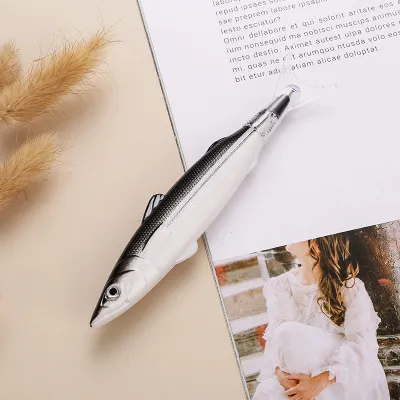
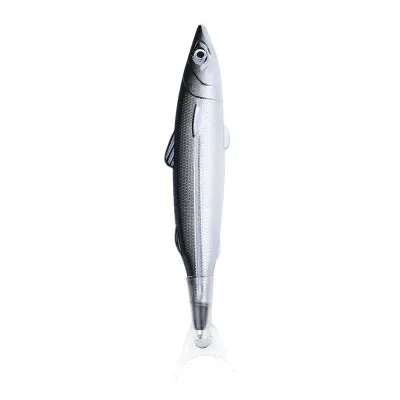
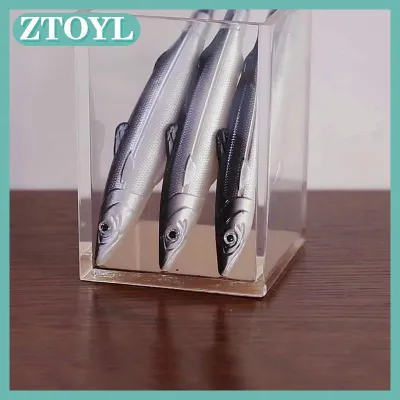
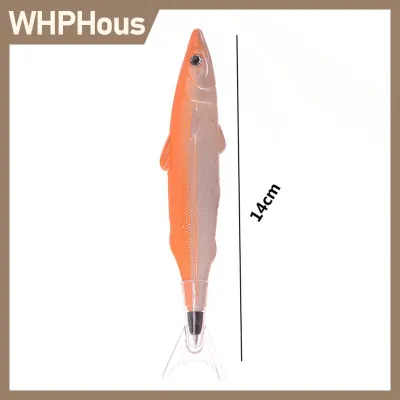
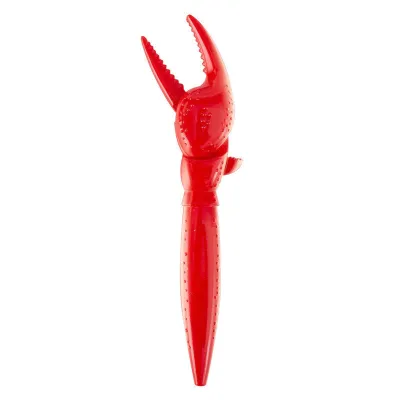
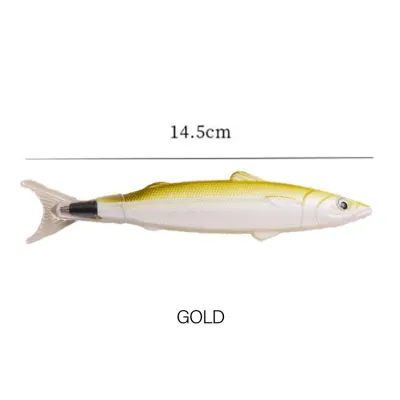
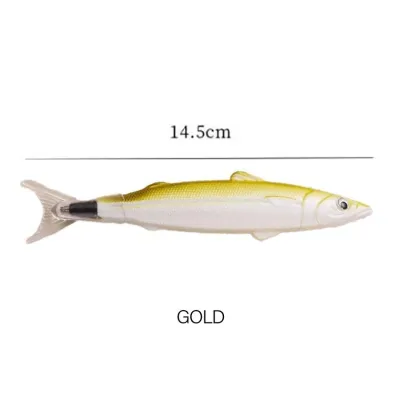
Prices are valid at publication and may change. Please refer to the product page for the latest price.
Conversely, a standard pen barrel adorned with high-quality 2D prints, engravings, or delicate lacquer work offers a more traditional writing experience while still celebrating your love for marine life. If your primary goal is daily note-taking or journaling, a 2D themed pen provides the familiar comfort of a standard writing instrument. If the pen is intended as a gift or a decorative display piece, a highly detailed 3D sculpture will offer the visual impact you desire. Aligning the pen’s design with its intended environment ensures you do not sacrifice utility for aesthetics.
Additionally, pay close attention to how thematic elements are integrated into the pen’s functional parts. Many fish pens feature creative design choices, such as a fish-tail pocket clip or a fin-shaped cap. While these details are visually appealing, you must inspect them to ensure they do not snag on shirt pockets, pencil cases, or paper. A poorly designed clip that is too rigid or has sharp plastic edges can easily tear delicate fabrics or chip off under pressure. Ensure that any protruding thematic elements are smoothed down and securely attached to the main body of the pen.
Inspecting Build Materials and Structural Integrity
The durability of a fish pen depends heavily on the materials used for its outer casing and internal structure. Common materials for novelty pens include molded resin, lightweight metals, flexible silicone, and durable acrylic. When inspecting a 3D sculpted pen, look closely at the seams where the mold halves meet. High-quality pens feature seamless joints and a smooth, uniform finish, whereas cheaper alternatives often have rough, raised plastic ridges that can irritate your fingers and indicate a higher likelihood of splitting over time.

Paint quality and surface finishes are also critical, particularly in warm, humid environments where moisture and hand oils can cause cheap coatings to bubble, peel, or become sticky. If the pen features painted details, check if a protective clear coat has been applied over the paint to seal it. For silicone fish pens, which are popular for their flexible and rubbery texture, ensure the material is high-grade and non-porous so it does not attract excessive dust or lint from your desk or pencil case.
Weight distribution is another vital factor that is easily overlooked when evaluating novelty shapes. Because fish bodies are naturally tapered and asymmetrical, a 3D sculpted pen can have an irregular center of gravity. If the tail end is excessively heavy, the pen will pull backward while you write, causing hand strain. Furthermore, round, finless fish designs have a tendency to roll off flat desks, which can damage the writing tip or crack the casing. Look for designs that incorporate a subtle flat edge, a strategically placed fin, or a functional clip that acts as a roll-stop to keep the pen securely in place on your workspace.
Finally, examine the cap closure or retractable click mechanism. A loose cap or a sticky clicker can allow air to reach the writing tip, causing the ink to dry out prematurely—a common issue accelerated by tropical heat. If the pen has a cap, it should snap or screw on securely with a satisfying click or smooth thread alignment. For retractable models, the spring mechanism should feel firm and responsive, ensuring the writing tip retracts fully inside the protective body when not in use.
Evaluating Ergonomics and Grip Comfort
Even the most visually stunning fish pen will quickly lose its appeal if it is painful or awkward to hold. Ergonomics should be a primary consideration, especially if you plan to use the pen for more than a few quick signatures. Start by evaluating the grip section, which is the area where your fingers rest while writing. Ideally, this section should have a moderate thickness and a non-slip texture. Silicone and textured plastics naturally offer a better grip, preventing your fingers from sliding down toward the tip when writing in warm weather.
Protruding design elements near the front of the pen are a common source of discomfort. Inspect the area within two to three centimeters of the writing tip for sharp fins, raised scales, or molded eyes. If these decorative features sit directly under your thumb or index finger, they will create painful pressure points during extended writing sessions. The transition from the grip section to the main body of the fish should be smooth, allowing your hand to maintain a natural, relaxed writing posture without forcing your fingers into an awkward, cramped position.
The overall length and diameter of the pen must also match your hand size. Some novelty fish pens are excessively long or bulky to accommodate detailed sculpting, which can make them top-heavy and difficult to control. A well-designed fish pen balances its artistic details with a manageable diameter, ensuring that the hand does not have to work extra hard to stabilize the pen. If possible, hold the pen in a writing position before purchasing to verify that its unique contours align comfortably with your natural grip.
Checking Nib, Ink, and Writing Performance
A pen’s primary duty is to write, and a beautiful exterior cannot compensate for a scratchy nib or skipping ink. When choosing a fish pen, identify the writing mechanism it uses: fountain pen, rollerball, ballpoint, or gel ink. Gel ink and rollerball pens are highly popular for novelty designs because they offer vibrant colors and a smooth, fluid writing experience. However, you must verify the tip size—typically ranging from ultra-fine 0.38mm to bold 1.0mm—to ensure it matches your writing style and the paper you use daily.
One of the most critical checks for any specialty pen is refill compatibility. Many inexpensive novelty pens are designed as disposable items with proprietary, non-replaceable ink cartridges. To ensure your fish pen has a long lifespan, look for models that accept standard, widely available refills, such as international short cartridges for fountain pens, or standard gel and ballpoint refills that you can easily purchase at local stationery stores. Avoid pens that seal the ink reservoir permanently inside the body, as you will be forced to discard the entire pen once the ink runs dry.
When testing the writing performance, observe how the ink flows onto the paper. The pen should write immediately without requiring excessive downward pressure, and the line should remain consistent without skipping or pooling. In humid climates, some gel and rollerball inks can take longer to dry, leading to smudging on standard paper. If you are testing a fountain pen version, check that the metal nib is properly aligned and does not scratch the paper fibers. A reliable writing mechanism ensures that your novelty pen remains a functional tool you look forward to using.
Final Verification and Care Instructions
Before finalizing your purchase, take a moment to inspect the packaging and any included accessories. High-quality specialty pens often come with protective sleeves, display stands, or a set of starter refills. A dedicated display stand is particularly valuable for 3D fish pens, as it showcases the artistic design while keeping the pen safe from rolling off surfaces. If you are purchasing the pen as a gift, elegant packaging adds a layer of sophistication that complements the unique theme.
Maintaining your fish pen is essential for preserving both its appearance and its functionality. Intricate 3D details, such as molded scales, gills, and fins, are prone to trapping dust, skin oils, and stray ink smudges over time. To clean these hard-to-reach areas, use a soft, dry brush—such as a clean makeup brush or a soft-bristled toothbrush—to gently sweep away debris. For stubborn dirt, a slightly damp microfiber cloth can be used. Avoid using harsh chemical solvents, alcohol, or acetone, as these substances can easily dissolve the protective clear coat, strip away the painted details, or damage plastic and silicone bodies.
Proper storage will also extend the life of your pen. When not in use, store the pen in a protective pouch or upright in a pen cup with the tip pointing down (for gel and ballpoint pens) or up (for fountain pens, to prevent leaking). Keeping the pen away from direct sunlight is especially important, as prolonged exposure to UV rays can fade vibrant paint colors and cause plastic or silicone materials to become brittle over time. By taking these simple precautions, you can enjoy your unique aquatic writing instrument for years to come.
Frequently Asked Questions (FAQ)
Can I use a fish pen for everyday school or office work?
Yes, you can use a fish pen for daily tasks, but its practicality depends heavily on its design. Standard barrels with 2D fish prints function exactly like regular pens and are perfectly suited for long writing sessions. However, highly detailed 3D sculpted pens may have irregular grips or heavy tail sections that cause hand fatigue over time. If you plan to use a 3D fish pen for school or office work, look for models with a smooth, unobstructed grip section and a lightweight body, or reserve the highly sculpted designs for quick notes, signatures, and desk display.
How do I clean intricate details on a 3D fish pen without damaging the paint?
To clean the detailed crevices of a 3D fish pen, use a soft, dry brush, such as a clean eyeshadow brush or a soft-bristled toothbrush, to gently dislodge dust and lint. For oils or ink smudges, wipe the surface with a microfiber cloth slightly dampened with plain water. Never submerge the pen in water or use harsh chemicals like rubbing alcohol, acetone, or household cleaners, as these can strip the paint, degrade the protective clear coat, or cause the plastic and silicone materials to break down.
Community discussion
Share your experience or ask a question. Comments are reviewed before publication.