
Crafting with fuse beads, commonly known as perler beads, has become a highly popular creative outlet. From creating custom keychains and coasters to intricate pixel art of favorite characters, this hobby offers a satisfying blend of focus and artistic expression. For beginners and experienced crafters alike, purchasing a complete perler beads set with an iron is the most practical way to start. These all-in-one kits promise to deliver everything you need to create, fuse, and display your designs immediately. However, the quality of these kits varies significantly, and a poor choice can lead to unevenly melted designs, warped pegboards, or a broken iron after just a few uses.
To ensure your crafting sessions are enjoyable and successful, you must evaluate several critical factors before making a purchase. A great kit should not only contain a generous number of vibrant beads but also feature reliable tools that can withstand repeated heating. By paying close attention to the quality of the plastic, the specifications of the included iron, and the durability of the pegboards, you can find a set that offers excellent value and long-lasting performance. This guide outlines exactly what to look for to make an informed decision.
Essential Components to Verify in a Complete Kit
When browsing online craft stores or local stationery shops, the term “complete kit” can sometimes be misleading. A truly comprehensive perler beads set with iron must include five mandatory items to allow you to start crafting immediately: a diverse selection of beads, at least one reusable pegboard, a dedicated mini craft iron, heat-resistant ironing paper, and a pair of fine-tipped tweezers. If any of these components are missing, you will find yourself searching online marketplaces for supplementary craft supplies, which adds unexpected costs and delays your projects.
Products mentioned in this guide
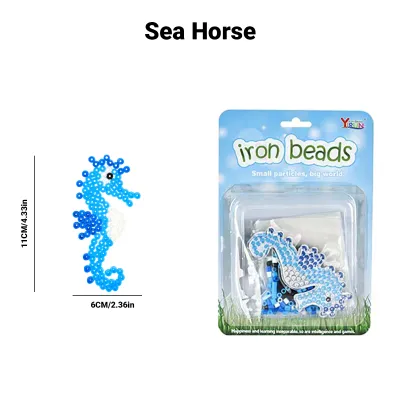
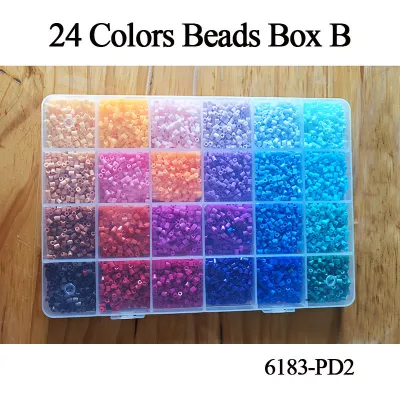
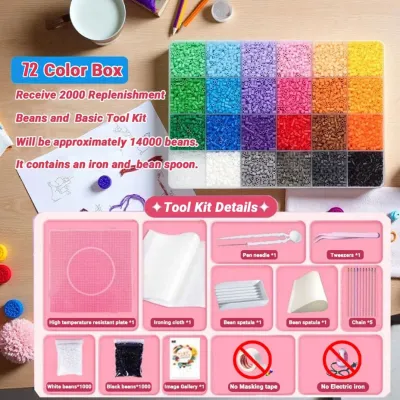
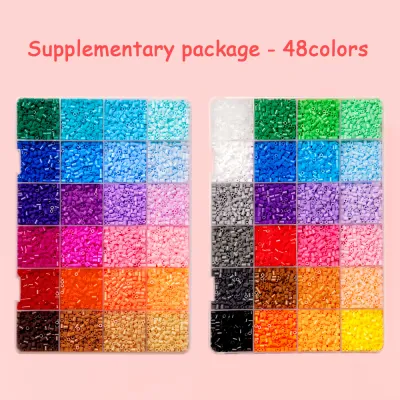
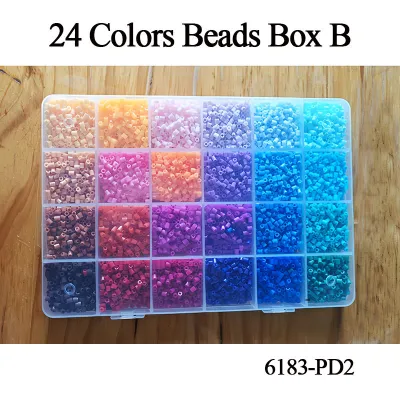
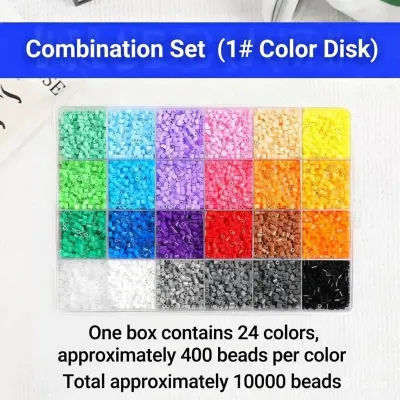
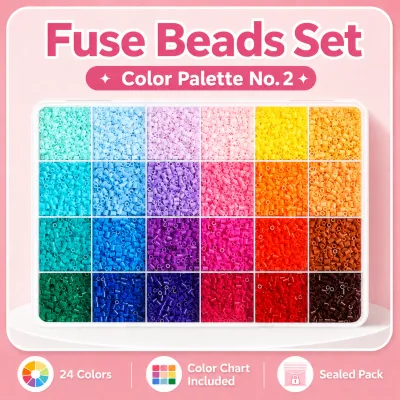
Prices are valid at publication and may change. Please refer to the product page for the latest price.
Ironing paper is a frequently overlooked component that can make or break your experience. High-quality kits include reusable parchment paper or specialized ironing sheets that distribute heat evenly without sticking to the melted plastic. Avoid kits that substitute proper parchment with cheap wax paper, as wax will melt onto your iron’s soleplate and ruin your design. It is always wise to check if the kit provides multiple sheets of ironing paper, as these sheets eventually wear out and crease after multiple uses.
Another critical element to evaluate is the storage and organization system included with the packaging. Perler beads are incredibly small and easy to spill, making a sturdy storage solution essential. In a warm and humid climate, loose beads stored in flimsy plastic bags are highly susceptible to scattering, collecting dust, or sticking together due to static. Look for kits housed in rigid, multi-compartment plastic organizers with secure latches. These containers keep your colors neatly sorted, prevent accidental spills, and make it easy to transport your craft supplies between rooms or to workshops.
How to Evaluate Bead Quality and Material Consistency
The quality of the beads themselves is the most important factor in achieving a clean, professional-looking finished product. When beads are manufactured poorly, they will have inconsistent heights, varying wall thicknesses, and uneven center holes. When you apply heat, these physical discrepancies cause the beads to melt at different rates. Some beads will completely collapse and lose their shape, while adjacent, thicker beads will barely soften, resulting in a fragile design that easily falls apart.

To assess bead quality before buying, look closely at product photos and unboxing feedback from other crafters. High-quality beads feature clean, straight cuts along their edges with no visible plastic fraying or “flashing” left over from the molding process. If you notice excessive plastic dust or tiny fragments at the bottom of the storage compartments in user photos, it is a strong indicator of low-quality manufacturing. The beads should also have a uniform circular shape; oval or squashed beads will not fit properly onto the pegboard pegs, leading to alignment issues that ruin your pixel patterns.
The material composition of the beads also dictates how they behave under heat. Most reputable fuse beads are made from either Low-Density Polyethylene (LDPE) or Ethylene-Vinyl Acetate (EVA). EVA beads are generally softer, melt at slightly lower temperatures, and retain a degree of flexibility once cooled, making them excellent for wearable items like keychains or bag charms. LDPE beads are harder and produce a more rigid, durable structure when fused, which is ideal for standing figures or coasters. Check the product specifications or packaging labels to identify the material used, and verify that the manufacturer guarantees colorfastness so your vibrant designs do not fade or bleed into one another during the ironing process.
What to Check When Assessing the Included Iron and Tools
The mini iron included in your perler beads set is the tool responsible for the chemical and physical transformation of your artwork. Therefore, it requires the most rigorous inspection. A reliable craft iron must feature an adjustable temperature dial rather than a simple on-off switch. Because different plastic formulations melt at different temperatures, having control over the heat level prevents you from accidentally scorching your beads or melting your pegboards.
The soleplate of the iron must be completely flat and smooth. Standard household steam irons often have deep steam vents and textured patterns on their soleplates, which can leave unsightly circular marks or uneven textures on your fused beads. The mini iron in your kit should ideally have a solid, non-stick soleplate without steam holes. If the iron does have steam capabilities, you must be able to completely disable the steam function and keep the water tank entirely dry. Introducing moisture or steam to the ironing paper will cause it to wrinkle, trapping air bubbles and leading to an uneven, patchy melt.
Consider the size and weight of the iron relative to your projects. A small, lightweight soleplate is highly maneuverable and perfect for precise, localized heating on small designs. However, if you plan to create larger pixel art pieces, a tiny soleplate requires you to constantly move the iron in circular motions for a long period, increasing the risk of even heat distribution. Additionally, evaluate the quality of the included tweezers. Fine-tipped metal tweezers are far superior to thick plastic ones, as they allow you to pick up individual beads with precision, place them easily on crowded pegboards, and significantly reduce hand fatigue during long crafting sessions.
Evaluating Pegboard Durability and Design Versatility
Pegboards serve as the foundation for your bead designs, holding each piece in place until it is ready to be fused. Because these boards are subjected to direct heat from the iron, their material composition is critical. Cheap, thin plastic pegboards are highly prone to warping or melting if the iron is held in one place for too long. Once a pegboard warps, the pegs will no longer stand perfectly vertical, making it impossible to align your beads correctly for future projects. Look for pegboards made from thick, rigid, and heat-resistant plastics that can withstand repeated thermal exposure.
The variety and design of the pegboards included in the kit will determine the scope of your projects. Many beginner kits include shaped pegboards, such as stars, hearts, or animals. While these are excellent for quick, structured projects, they limit your creative freedom. For maximum versatility, ensure your kit includes at least one large, square pegboard. Ideally, these square boards should feature interlocking tabs on their edges, allowing you to connect multiple boards together to create a massive canvas for larger, more complex pixel art designs.
Finally, you must verify that the peg spacing and peg diameter on the boards strictly match the size of the beads included in the kit. The stationery and craft industry generally categorizes fuse beads into midi (5mm) and mini (2.6mm) sizes. A midi pegboard has thicker, widely spaced pegs that cannot hold mini beads, while mini pegboards have tiny, closely packed pegs that are far too small for midi beads. Mixing up these standards will render your kit unusable, so always double-check that the pegboard specifications align perfectly with the bead dimensions provided.
Building Your Shortlist: Safety, Value, and Age Checks
To finalize your purchase and choose the right perler beads set with iron, you must match the kit’s specifications to the user’s profile. If you are buying the kit for young children, midi beads (5mm) are the standard choice. These larger beads are easy for small hands to grasp, helping to develop fine motor skills and hand-eye coordination without causing frustration. For teenagers and adults who want to create highly detailed, intricate pixel art, mini beads (2.6mm) are much more suitable, though they require a higher level of patience and dexterity.
Safety is paramount, especially when children are involved in a craft that requires heat. Always verify that the perler beads set carries recognized non-toxic safety certifications, such as ASTM D-4236 or EN71, on its packaging. These certifications ensure that the plastic beads do not release harmful chemical fumes when heated. Because the fusing process involves melting plastic, it should always be conducted in a well-ventilated room. In tropical environments, where indoor spaces can become warm and humid, opening windows or using a fan to maintain good air circulation during the ironing phase is highly recommended.
To determine the true value of a kit, perform a quick cost-per-bead calculation. Divide the total price of the set in ₱ by the number of beads included. For example, a kit priced at ₱750 containing 5,000 beads costs approximately ₱0.15 per bead. However, do not let a low cost-per-bead figure blind you to poor tool quality. A budget-friendly kit that includes thousands of beads but features a flimsy, single-temperature iron and warping pegboards will ultimately cost you more when you have to replace those tools. Investing slightly more in a set with a durable, adjustable mini iron and rigid pegboards offers far better long-term value and a much more satisfying crafting experience.
Frequently Asked Questions (FAQ)
Can I use a regular clothing iron if the included one breaks?
Yes, you can substitute the kit’s mini iron with a standard household clothing iron, provided you take specific precautions. The clothing iron must have a completely flat soleplate and reliable, adjustable temperature settings, as you will need to set it to a low-to-medium heat level to avoid scorching the plastic beads. It is absolutely critical to empty the water tank completely and turn off the steam function. Any steam or moisture released during the ironing process will warp the ironing paper, trap heat unevenly, and ruin the structural integrity of your fused bead design.
How do I know if beads from different sets will melt together properly?
To successfully mix beads from different sets or brands, you must verify their material compatibility and melting characteristics. Different manufacturers use varying plastic formulations, such as LDPE or EVA, which melt at different temperatures. Before committing to a large, complex project using mixed beads, always conduct a small test fuse on a scrap pegboard. Place a few beads from each set side-by-side, cover them with ironing paper, and apply heat. Observe whether they melt at the same rate and bond securely; if one color melts completely while the other remains solid, they are incompatible and should not be used together.
Community discussion
Share your experience or ask a question. Comments are reviewed before publication.