
To find a reliable tire pen permanent paint, you must look for an oil-based or specialized acrylic paint formulation that bonds with flexible rubber, a valve-action tip for controlled ink flow, and verified weatherproofing on the manufacturer label. Standard office markers lack the elasticity and pigment density required to survive the harsh environment of a spinning tire, making specialized stationery selection essential.
When shopping for these markers, you will want to prioritize formulations that resist water, intense heat, and ultraviolet radiation. The physical design of the pen, particularly the nib material and the internal flow valve, determines how smoothly the paint applies to textured sidewalls. By verifying these technical specifications before purchasing, you can ensure your custom lettering or tire accents remain vibrant and intact over many kilometers.
Quick Answer: Key Specifications for Tire Paint Pens
Selecting the right tire pen permanent paint requires focusing on three core specifications: formulation, tip design, and environmental resistance. Standard permanent markers rely on thin, dye-based inks that quickly sink into porous rubber or wash away when exposed to road grime. Dedicated tire paint pens utilize highly pigmented, oil-based or specialized acrylic-based paints that form a solid, flexible film on top of the rubber.
Products mentioned in this guide
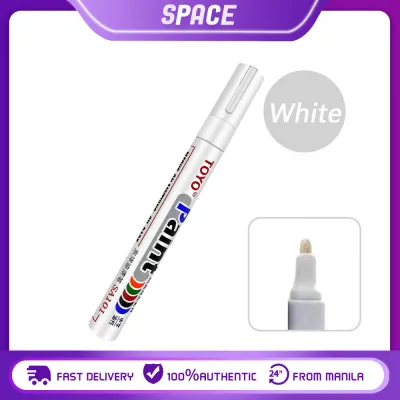
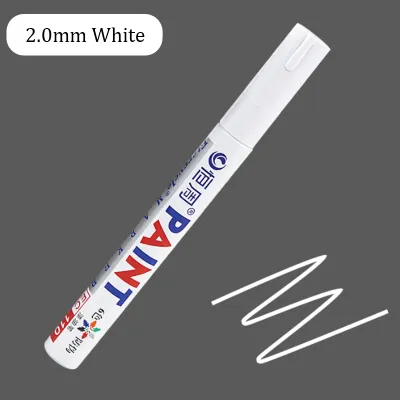
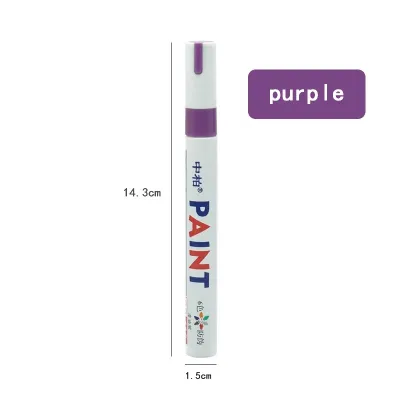
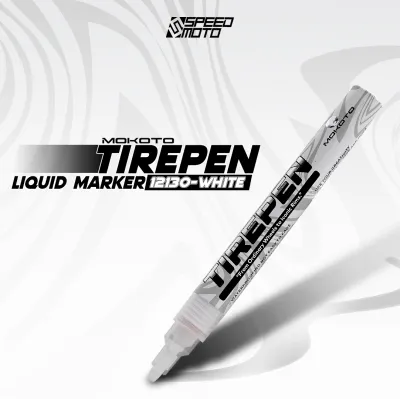
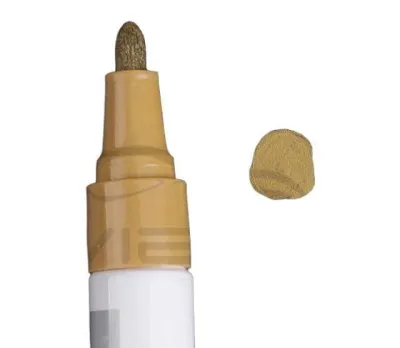
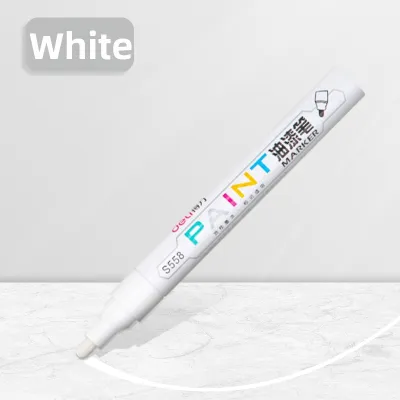
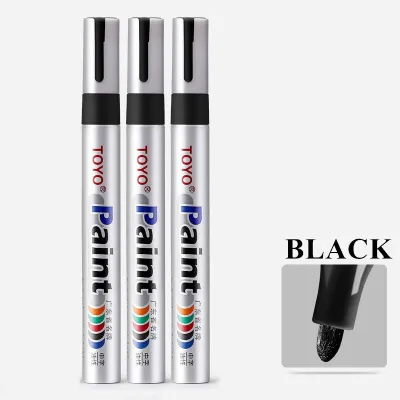
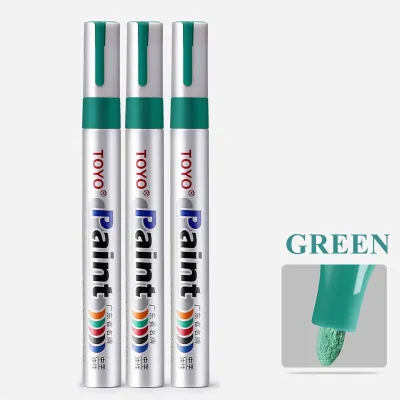
Prices are valid at publication and may change. Please refer to the product page for the latest price.
For the delivery mechanism, a valve-action tip is highly recommended over standard capillary felt tips. This design allows you to control the paint flow by priming the nib, preventing the paint from drying out in the reservoir. Finally, always verify the weatherproofing claims on the product packaging, looking for explicit mentions of water resistance and ultraviolet protection to withstand harsh outdoor conditions.
Evaluating Paint Formulation and Rubber Adhesion
Rubber is an elastomer, meaning it constantly stretches, compresses, and flexes during driving. Standard permanent markers use thin, rigid inks that crack and peel almost immediately when subjected to this mechanical movement. To achieve a lasting bond, you must select a paint pen formulated with a flexible binder that can move in tandem with the rubber surface.

When browsing online marketplaces or local stationery shops, look closely at the product labels for terms such as “flexible,” “rubber-safe,” “elastomeric,” or “tire-specific.” These designations indicate that the paint carrier and binder are designed not to degrade the rubber compound while maintaining a strong physical grip. Oil-based paint markers are generally preferred for this application because they offer superior adhesion to non-porous and semi-porous outdoor surfaces compared to standard water-based alternatives.
Opacity and pigment density are equally critical when working on dark tire sidewalls. Because black rubber absorbs light, low-quality paints will appear translucent, requiring multiple coats that can become thick and brittle. High-quality tire pens feature dense, opaque pigments that provide stark contrast in a single pass, ensuring bright whites, vivid yellows, or striking reds remain highly visible.
In tropical climates like the Philippines, high humidity and intense road heat can accelerate the breakdown of weak paint binders. Choosing a high-grade oil-based formula helps ensure the paint cures correctly even when the air is damp. This chemical resilience prevents the pigment from chalking or washing away during sudden afternoon downpours.
Choosing the Right Tip Design and Ink Flow Mechanism
The physical construction of the pen tip, or nib, directly impacts how easily you can apply paint to a curved, textured tire. Valve-action markers are the industry standard for this task. These pens feature an internal ball bearing that mixes the heavy pigments when shaken, and a spring-loaded valve that releases paint only when the nib is pressed down against a surface.
This valve mechanism is crucial because it keeps the paint reservoir sealed from the air, preventing the solvent from evaporating. Standard capillary-action markers, which lack this valve, dry out quickly when exposed to the dust and oils present on tire rubber. With a valve-action pen, you can easily re-saturate the tip whenever the paint flow begins to thin.
Tip size and shape should match the complexity of your design. For tracing intricate manufacturer logos or fine lettering on motorcycle tires, a fine bullet tip (around 1mm to 2mm) offers the precision needed to stay within the lines. For larger block letters on truck or SUV tires, a medium bullet tip or a broad chisel tip (4mm to 8mm) allows you to fill in large areas quickly and evenly.
Additionally, pay attention to the nib material. Rough tire rubber acts like sandpaper, which can quickly fray soft felt tips and clog the ink flow. Look for pens equipped with durable acrylic, nylon, or synthetic fiber nibs. These harder materials maintain their shape under pressure, ensuring a clean, consistent line throughout the entire application process.
Assessing Durability: Weather, Water, and Friction Resistance
Once applied, tire paint must withstand an incredibly hostile environment. The combination of spinning friction, road debris, water splashes, and intense sunlight will quickly degrade standard stationery. Therefore, verifying the durability ratings on the manufacturer’s packaging is a vital step before making a purchase.
Ultraviolet radiation is one of the primary causes of paint failure on tires. Over time, sunlight breaks down the chemical bonds in the paint binder, causing white lettering to turn a dull yellow and bright colors to fade. To prevent this, look for paint pens that explicitly list “UV-resistant” or “lightfast” properties on their labels.
Water resistance is another non-negotiable feature. The paint must be able to survive high-pressure car washes, deep puddles, and road salt without peeling or dissolving. While most oil-based paints are naturally water-resistant, checking for an outdoor-grade rating provides extra assurance that the formula can handle wet road conditions.
Finally, consider the curing requirements specified by the manufacturer. Some high-durability paint pens require a specific drying window, often up to 24 hours, before the vehicle can be driven. Others may suggest applying a specialized clear topcoat to protect the paint from friction. Adhering to these guidelines is essential for achieving the maximum lifespan from your tire lettering.
Preparing the Tire Surface for Optimal Paint Adhesion
Even the highest-quality tire pen permanent paint will fail if the rubber surface is not prepared correctly. Tires are coated with mold release agents from the factory, and they accumulate road grime, brake dust, and silicone-based tire shines during daily use. These contaminants create a slick barrier that prevents the paint from bonding to the rubber.
To prepare the surface, begin by scrubbing the tire sidewall thoroughly with a stiff-bristled brush and a strong degreaser or dedicated rubber cleaner. This step removes the heavy dirt and oils trapped in the textured surface. For stubborn silicone residues left behind by tire gloss products, wiping the area with isopropyl alcohol on a microfiber cloth is highly effective.
After cleaning, allow the tire to dry completely. Any moisture trapped within the porous rubber will prevent the paint from adhering, leading to bubbling and premature peeling. It is best to perform this task in a shaded, well-ventilated area to ensure the cleaning solvents evaporate fully before you begin painting.
When applying the paint, shake the pen vigorously with the cap on for at least 30 seconds to distribute the pigments evenly. Prime the tip by pressing it gently on a piece of scrap cardboard until the paint begins to flow. Apply the paint to the tire in thin, controlled layers, allowing each coat to dry completely before applying the next to build up a durable, opaque finish.
Building Your Shortlist: Verifying Labels and User Feedback
Before finalizing your purchase at a local stationery store or online marketplace, compile a checklist to evaluate your options. This systematic approach ensures you do not accidentally purchase a standard craft marker that will wash off during your next drive. Budgeting around ₱150 to ₱500 per pen is typical for high-quality, specialized automotive paint markers.
- Verify the Medium: Ensure the product description explicitly lists "rubber," "tires," or "automotive use" as compatible surfaces.
- Check the Base: Confirm the paint is oil-based or a specialized outdoor-grade acrylic rather than water-based.
- Inspect the Nib: Look for durable acrylic or polyester tips rather than soft felt, and check if replacement nibs are included or available.
- Look for Safety Standards: Verify that the pen carries non-toxic certifications, especially if you plan to work in a semi-enclosed garage space.
When reading user feedback on ecommerce platforms, look past generic reviews about delivery speed and focus on long-term performance. Search for comments that mention how well the paint held up after several weeks of driving or multiple car washes. Pay close attention to any reports of rapid yellowing, cracking, or tip clogging, as these are common indicators of a low-quality formulation.
Lastly, check the shelf life or manufacturing date if visible on the packaging. Paint pens stored in warm warehouses for extended periods can dry out or suffer from pigment separation. Choosing a reputable seller with a clear return policy protects you in case the pen arrives dry or fails to prime during your initial setup.
Frequently Asked Questions (FAQ)
Can I use a standard permanent marker on my tires?
No, standard permanent markers are not suitable for use on tires. These markers typically use thin, dye-based inks designed for porous paper or flat plastic surfaces. Because rubber is highly flexible and porous, standard ink will quickly sink into the tire, fade under UV light, and crack or wash away when exposed to road moisture and tire flexing.
How do I fix mistakes or remove tire paint pen marks?
To correct application errors or remove old tire paint, you should check the manufacturer’s instructions for recommended solvents. Isopropyl alcohol or mild mineral spirits applied to a microfiber cloth or cotton swab can gently dissolve the paint. Always test the solvent on an inconspicuous area of the tire first to ensure it does not degrade or discolor the rubber compound.
Community discussion
Share your experience or ask a question. Comments are reviewed before publication.