
Finding the perfect robot-themed ballpen requires balancing eye-catching novelty design with reliable writing performance. While these pens are often purchased for their playful aesthetics, collectible appeal, or as unique gifts, they must still function effectively as writing instruments. A poorly constructed novelty pen can quickly become a frustrating desk ornament if the ink skips, the joints break, or the grip causes hand fatigue.
To make a worthwhile purchase, you must evaluate three primary pillars: the structural integrity of the moving parts, the compatibility and quality of the ink system, and the overall ergonomic comfort during use. Unlike standard office pens designed solely for utility, specialty robot pens feature unique geometries and materials that alter how they write and wear over time. Setting realistic expectations is key, as these pens prioritize visual character, but selecting one with the right specifications ensures you do not have to sacrifice smooth writing for a great design.
By focusing on material durability, refill standards, and weight distribution, you can find a robot-themed pen that serves as both an engaging collectible and a dependable daily writer. Whether you are shopping for a student, a desk toy enthusiast, or your own collection, this guide details exactly what to look for before making a purchase.
Products mentioned in this guide
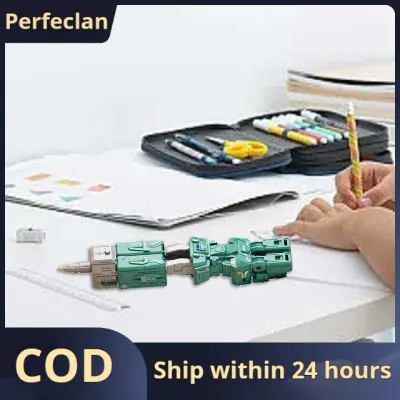
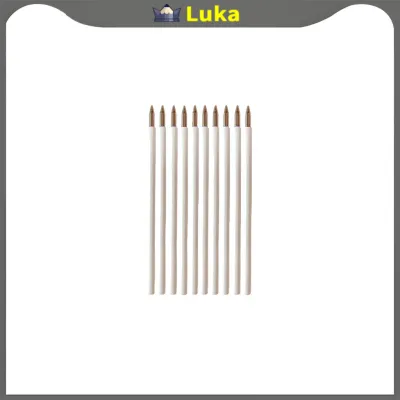
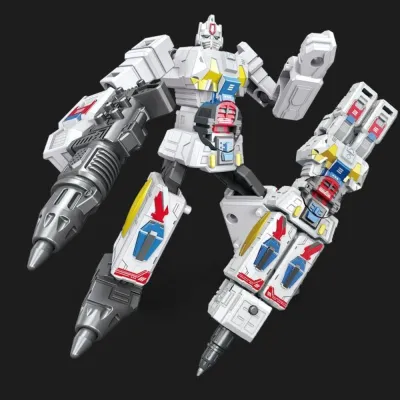
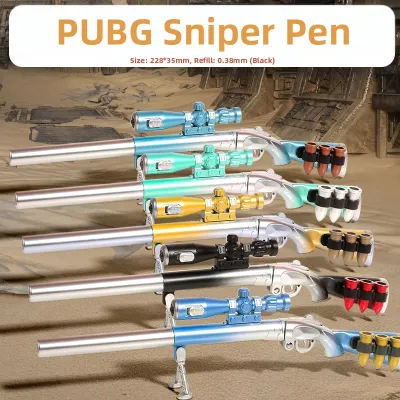
Prices are valid at publication and may change. Please refer to the product page for the latest price.
Assessing Design, Articulation, and Build Quality
The physical construction of a robot-themed pen determines how long it will survive daily handling, pocket transit, or desk display. Many robot pens feature articulated joints, allowing the arms, legs, or head of the robot to move. Before buying, inspect these articulation points closely to ensure they are tight and secure. Loose joints can cause parts to wobble while you write, which ruins your control and can lead to pieces detaching and getting lost. Look for friction-fit joints that require a deliberate, firm touch to move, rather than loose hinges that swing freely.
Material composition is the next critical factor in durability. Most budget-friendly robot pens are made from Acrylonitrile Butadiene Styrene (ABS) plastic, which is lightweight and relatively impact-resistant. However, thin or low-grade plastics can crack easily under pressure, especially around screw threads or joint pins. If you prefer a more premium, substantial feel, look for pens that incorporate die-cast metal accents or full metal bodies. Metal components add structural strength and resist wear, though they also increase the overall weight of the pen.
Finally, examine the quality of the exterior finish. Robot pens often feature bright paint, metallic plating, or detailed decals to define their robotic features. In high-contact areas like the grip section, cheap paint can quickly chip, peel, or wear away due to the natural oils and sweat from your fingers. To prevent this, check if the pen has a clear protective topcoat or if the colored sections are made from molded-in colored plastic rather than surface paint. Molded-in color is highly durable because the color goes all the way through the material, ensuring the robot retains its look even after months of heavy use.
Evaluating Writing Performance and Refill Compatibility
A great robot design is of little use if the pen cannot lay down a clean, consistent line of ink. The writing performance of any ballpen depends heavily on its tip size and ink formulation. Tip sizes generally range from ultra-fine (0.5mm) to bold (1.0mm). If you have small, compact handwriting or write on thin paper, a 0.5mm or 0.7mm tip is ideal because it prevents ink bleeding and keeps your letters sharp. For those who prefer a smoother, gliding sensation and bolder lines, a 1.0mm tip is excellent, though it uses more ink and takes slightly longer to dry.

The type of ink inside the pen also plays a major role in your writing experience, especially in warm, humid tropical climates. You will generally choose between three main ink types:
- Oil-Based Ink: This is the traditional ballpen ink. It is highly viscous, water-resistant, and dries almost instantly, making it highly reliable in humid conditions where other inks might smudge. However, it requires more downward pressure to write.
- Gel Ink: Formulated with water-based gel, this ink flows incredibly smoothly and offers vibrant, saturated colors. The trade-off is a longer drying time, which can lead to smudging on glossy paper or under humid conditions.
- Hybrid Ink: Combining the best of both worlds, hybrid ink offers the low-viscosity smoothness of a gel pen with the fast-drying, water-resistant properties of oil-based ink.
Refill compatibility is the single most important factor for the long-term survival of your pen. Many novelty pens are discarded prematurely because they use proprietary, non-replaceable ink cartridges. To avoid this waste, verify that the pen accepts standard international refill formats. The most common compatible formats for specialty pens include Parker-style G2 refills, slim D1 refills (often used in multi-function or very thin pens), or standard plastic mini refills. Choosing a pen that accepts these standard sizes ensures you can easily buy high-quality replacement ink from any local stationery store.
Ergonomics, Weight Distribution, and Grip Comfort
Writing comfort is often where novelty pens struggle the most. Because the pen body is shaped like a robot, the center of gravity is frequently shifted away from the tip. Top-heavy designs—such as those with large, solid robot heads or heavy metal shoulder armor at the back end—create a lever effect. This forces your hand to grip the pen much tighter to keep it stable, leading to rapid hand fatigue and cramping during long writing sessions. For the best balance, look for designs where the heaviest components sit closer to the writing tip or where the weight is evenly distributed along the barrel.
The grip section itself must be comfortable to hold. If the robot’s torso or legs serve as the grip, ensure there are no sharp plastic seams, protruding screws, or awkward ridges that press painfully into your fingers. A good grip section should be relatively uniform in diameter, ideally between 8mm and 11mm, to accommodate standard finger placement. Some well-designed robot pens feature a dedicated, smooth grip zone just below the decorative robot body, which provides a comfortable holding area without compromising the visual design.
Additionally, consider how the pen opens and closes. If the pen uses a cap, ensure the cap fits tightly and snaps or screws securely into place so it does not fall off in your bag. If it is a retractable click pen, the mechanism should operate smoothly without catching. A reliable click mechanism is especially important for pocket safety, preventing the pen tip from accidentally extending and staining your clothes or bag lining.
Navigating Purchases and Verifying Product Authenticity
When shopping for robot-themed ballpens, sourcing your writing instruments from reputable channels helps ensure you receive a durable, functional product. Specialty stationery shops, physical toy stores, and official brand stores on online marketplaces are the safest options. These sellers are more likely to offer genuine products with clear manufacturer specifications and reliable return policies if you receive a unit with defective joints or a dried-out ink cartridge.
Before purchasing online, take the time to read through customer reviews, paying close attention to feedback regarding build quality and joint stiffness. Look for reviews that mention how well the pen writes after several weeks of use, as initial impressions can sometimes overlook slow ink leaks or rapid paint wear. Be cautious of listings that feature generic, computer-generated product renders instead of actual photos of the physical pen.
There are several red flags to watch out for when browsing online marketplaces:
- Missing Specifications: Listings that fail to state the tip size, ink color, or refill type often indicate low-quality, generic manufacturing.
- Unbranded Packaging: Pens that arrive in plain plastic baggies without any brand markings or manufacturer contact information are more likely to suffer from poor quality control.
- Suspiciously Low Prices: While simple plastic novelty pens can be very affordable, highly detailed, articulated, or metal robot pens offered at unusually low prices (such as under ₱30) are often cheap counterfeits made from brittle plastics that break easily.
Frequently Asked Questions (FAQ)
Are robot-themed ballpens practical for everyday school or office use?
Robot-themed ballpens are generally best suited as secondary writing instruments, desk showpieces, or quick note-takers rather than primary tools for heavy writing. While they are highly engaging and fun to use, their unique shapes, moving parts, and altered weight distribution can cause hand fatigue during long writing sessions, such as taking school exams or writing extensive meeting minutes. For heavy, continuous writing, a standard ergonomically optimized pen is highly recommended, while your robot pen can be kept on hand for quick signatures, creative brainstorming, or as a fun desk companion.
How do I clean and maintain the moving joints of a robot pen?
To keep the moving joints of your robot pen working smoothly, clean them periodically using a dry, soft-bristled brush (like a clean makeup brush or toothbrush) or a dry microfiber cloth to sweep away dust and pocket lint. Avoid using liquid solvents, water, or household oils on the joints, as these can degrade the plastic, dissolve the internal adhesives, or strip away the decorative paint and clear coats. If a joint becomes excessively stiff, loose, or begins to make a grinding noise, stop moving it and consult the manufacturer’s care instructions or a qualified repair professional to avoid snapping the delicate parts.
Community discussion
Share your experience or ask a question. Comments are reviewed before publication.