
Selecting suitable aqua beads for jewelry making requires a careful balance of material durability, precise sizing, and color stability. Because jewelry is worn directly against the skin, the beads you choose must withstand friction, body oils, and environmental factors like high humidity and heat. Whether you are designing a delicate everyday bracelet or a bold statement necklace, understanding how different bead materials, hole dimensions, and surface finishes interact with your stringing components is essential for creating pieces that last. By focusing on verifiable specifications rather than generic product labels, you can avoid common pitfalls such as premature fading, structural breakage, or mismatched components. This guide will walk you through the essential factors to consider when sourcing aqua beads, helping you select materials that maintain their beauty and structural integrity over time.
Evaluate Material Durability for Wearable Aqua Beads
When sourcing aqua-colored beads, the material composition dictates both the aesthetic appeal and the physical longevity of your finished jewelry. Aqua beads are widely available in glass, natural gemstones, and acrylic, each offering distinct physical properties that suit different design goals. Glass beads, including lampwork, pressed glass, and seed beads, provide a classic weight and a highly reflective surface. They resist scratching exceptionally well, making them excellent for daily-wear items like bracelets that frequently rub against desks or clothing. However, high-quality glass can be brittle, so it is important to inspect beads for internal stress fractures, chips, or sharp edges around the drill holes that could cut your stringing thread.
Natural gemstones, such as aquamarine, amazonite, or dyed quartz, offer unique organic patterns and a cool, substantial feel against the skin. Genuine aquamarine displays a subtle, watery blue-green hue with natural inclusions, which are tiny internal characteristics that prove the stone’s authenticity. When purchasing gemstone beads, be aware that many budget-friendly options are actually dyed quartz or chalcedony. While these alternatives provide a vibrant aqua shade, they require careful handling to prevent the dye from fading. Always check product descriptions for explicit material disclosures, looking for terms like “natural,” “reconstituted,” or “synthetic” rather than relying solely on the color descriptor “aqua.”
Products mentioned in this guide
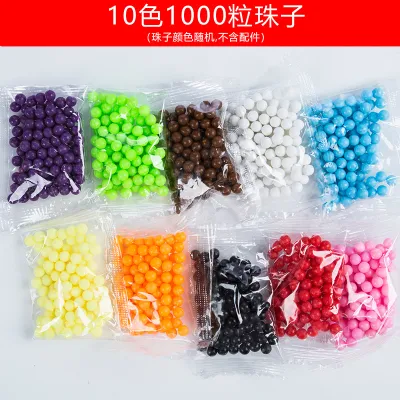
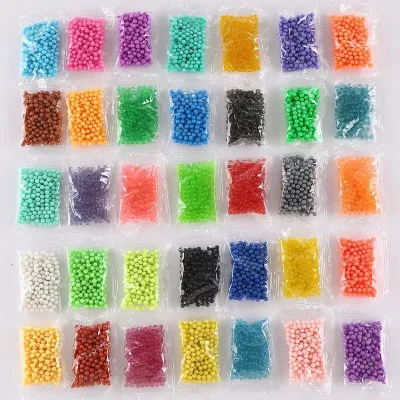
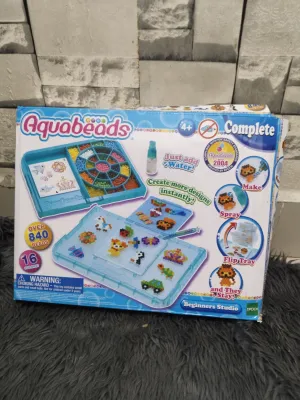
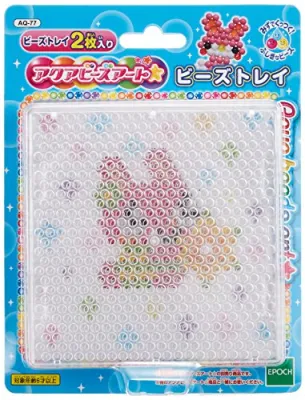
![[PH Stock&COD] DIY Magic Water Beads Aquabeads Crystal Sticky Set 4400PCS 24 Colors Plastic & Alloy Educational Toy for Kids 36 Months+](https://img.lazcdn.com/g/p/e37e28ee01e8b953eb1e2384f48b8a3d.jpg_400x400q80.jpg_.webp)
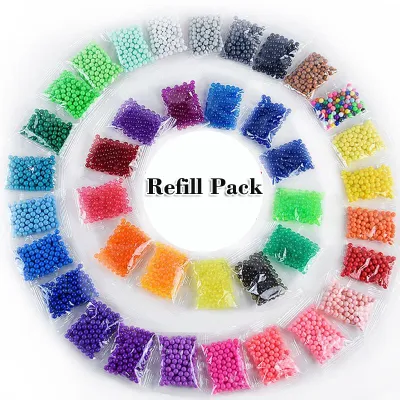
![【100% original From Japan 】 Aqua beads sold separately [Fluffy animal set] AQ-307](https://img.lazcdn.com/g/p/5bbc5fb01759762cdf4da4e2e3543123.jpg_400x400q80.jpg_.webp)
Prices are valid at publication and may change. Please refer to the product page for the latest price.
Acrylic and plastic beads present a lightweight, highly affordable alternative, making them popular for large statement pieces or children’s crafts. However, they are highly susceptible to scratching and can lose their luster over time when exposed to skin oils, lotions, and cosmetics. To identify high-quality acrylic beads, look for uniform molding and the absence of prominent seam lines or rough gate marks where the plastic was injected into the mold. High-grade acrylics are often polished to mimic the appearance of glass, offering a similar shine without the associated weight, which is ideal for oversized earrings or chunky necklaces.
Match Bead and Hole Sizes to Your Stringing Material
Achieving a professional finish in jewelry making depends heavily on matching the bead diameter and the inner hole size to your stringing material. Aqua beads are measured in millimeters, typically ranging from tiny 2mm seed beads to substantial 12mm or 14mm focal beads. For delicate jewelry like drop earrings or minimalist layering necklaces, beads in the 4mm to 6mm range offer a refined look without weighing down the wearer. Larger beads, from 8mm to 12mm, are better suited for statement necklaces or stretch bracelets where the individual beads can showcase their color and texture.

The inner hole diameter is a critical specification that is often overlooked. If the hole is too small, your stringing wire or thread will not fit; if it is too large, the beads will wobble, slide unevenly, or swallow the crimp beads and knots. Standard glass and gemstone beads usually feature hole sizes between 0.5mm and 1.0mm. When working with elastic cord for stretch bracelets, you will need a hole size of at least 0.8mm to accommodate durable elastic, plus extra space if you plan to hide the knot inside a bead. For heavy gemstone beads, using a multi-strand nylon-coated stainless steel wire (often referred to as tiger tail) is recommended to prevent the sharp edges of the stone’s inner channel from cutting through the thread.
It is also important to account for size variations, especially when working with natural stone beads. Unlike machine-cut glass or molded acrylic, natural gemstones are often hand-drilled and cut, leading to slight discrepancies in bead diameter and hole alignment. When planning structured, symmetrical designs, purchase slightly more beads than your pattern requires. This allows you to sort through the strand and select the most uniform pieces, reserving the outliers for asymmetrical designs or spacer accents. Always verify the hole size listed by the seller and compare it to the decimal millimeter thickness of your wire or cord to ensure a seamless fit.
Inspect Color Fastness and Finish Quality
The tropical climate of the Philippines, characterized by high humidity and warmth, poses a unique challenge for jewelry makers. Sweat, sunscreen, and humidity can react with bead dyes and surface coatings, causing colors to bleed onto the skin or fade rapidly. To ensure your aqua jewelry retains its vibrant hue, you must distinguish between naturally colored, dyed, and surface-coated beads. Naturally colored glass and untreated gemstones are inherently colorfast because the pigment is integrated throughout the material. These options are highly stable and will not fade or rub off during wear.
Dyed beads, particularly dyed quartz, howlite, or jasper, are common in the market because they offer rich aqua shades at a lower cost. Before committing a dyed bead to a finished design, perform a simple colorfastness test. Dampen a soft white cloth with water or a small amount of rubbing alcohol and gently rub a sample bead for several seconds. If any blue or green residue transfers to the cloth, the dye is unstable and will likely stain the wearer’s skin or clothing during hot, humid days.
Surface finishes, such as electroplated metallic coatings, AB (aurora borealis) finishes, or painted details, add beautiful luster but require close inspection. Check the beads for signs of chipping, peeling, or uneven application, especially around the drill holes where the coating is most vulnerable. Avoid assuming that a bead is water-resistant or UV-stable unless the manufacturer explicitly states these properties. For everyday jewelry that may be exposed to handwashing, sweat, or sunlight, prioritize solid-color glass or high-quality natural stones over surface-painted alternatives.
Choose Bead Shapes for the Right Drape and Structure
The shape of your aqua beads determines how a finished piece of jewelry sits on the body, affecting both its visual flow and physical comfort. Round beads are the most versatile shape, providing a smooth, continuous line that drapes naturally around the neck or wrist. They distribute weight evenly and minimize friction between adjacent beads, making them the ideal choice for classic strands and stretch bracelets.
Faceted beads and bicones feature flat geometric cuts that catch and reflect light, adding sparkle and texture to your designs. However, these sharp angles can restrict movement if the beads are strung too tightly together. When using faceted aqua glass or crystal bicones, consider placing small, smooth seed beads or metal spacers between them. This technique, known as spacing, allows the faceted beads to pivot freely, improving the drape of necklaces and preventing the piece from feeling stiff or rigid.
Chip beads and irregular freeform shapes offer an organic, bohemian aesthetic that highlights the natural beauty of semi-precious stones. Because chip beads have irregular thicknesses and angles, they pack together tightly, creating a dense, textured look. This density can add significant weight to a piece, which is an important consideration for earrings or long necklaces. When designing with heavy stone chips, balance the structure by mixing them with lightweight wood, acrylic, or hollow metal spacers to keep the finished jewelry comfortable for all-day wear.
Additionally, the choice of shape influences how the color aqua is perceived. Faceted beads tend to look lighter and more brilliant because light passes through multiple angles, while smooth round beads display a deeper, more saturated hue. When designing a cohesive collection, mixing different shapes of the same aqua shade can create a sophisticated, multi-dimensional look without requiring multiple different bead colors.
Apply a Verification Checklist for Online Bead Purchases
Sourcing aqua beads from online craft stores and ecommerce platforms offers unparalleled variety, but it also requires a systematic approach to avoid disappointing purchases. Because digital screens display colors differently, the vibrant aqua bead you see online may look quite different in hand. To minimize risks, always verify the exact specifications listed in the product description rather than relying solely on the product images.
First, check the bead count per strand or package. Sellers often list beads by strand length (typically 15 to 16 inches) rather than an exact count. You can estimate the number of beads by dividing the strand length by the bead diameter, but always allow a margin of error for damaged or unusable beads. Second, look for explicit size tolerances. A listing that specifies “8mm beads with a +/- 0.5mm tolerance” indicates a higher level of quality control than a listing with vague dimensions.
Additionally, review the seller’s policies regarding color accuracy and returns. Reputable bead suppliers often include photos of their products under different lighting conditions (such as natural sunlight and studio light) to give a realistic representation of the aqua shade. Finally, avoid purchasing unverified “assorted” or “random mix” sets if your project requires uniform sizes and consistent color matching. For patterned beadweaving or symmetrical jewelry, purchasing single-size, single-color strands ensures your finished piece looks cohesive and professional.
Before finalizing your purchase, read customer reviews specifically looking for mentions of color bleeding, brittle beads, or incorrect hole sizes. If a seller does not provide clear measurements for the bead diameter, hole size, or material origin, send a direct inquiry to clarify these details before spending your money. Taking these precautionary steps ensures that your online shopping experience yields high-quality materials that are ready for production.
Frequently Asked Questions (FAQ)
Can I use water-growing polymer beads for wearable jewelry?
No, water-growing polymer beads (often sold as sensory beads or vase fillers) are not suitable for wearable jewelry. These beads are designed to absorb water and expand, making them structurally weak, squishy, and prone to breaking under minimal pressure. When exposed to air, they gradually dehydrate, shrink back to their original tiny size, and become brittle. For wearable jewelry, always choose solid, durable materials such as glass, gemstone, or acrylic beads that maintain their shape, size, and structural integrity regardless of moisture exposure.
How do I prevent dyed aqua beads from fading or staining skin?
To prevent dyed aqua beads from bleeding or fading, you can seal them before assembly. Apply a thin, even coat of a specialized jewelry sealant or a clear, non-toxic acrylic spray sealer to the beads and let them dry completely. This creates a protective barrier that shields the dye from sweat, skin oils, and humidity. Additionally, advise wearers to store their jewelry in a cool, dry place away from direct sunlight, and to remove the pieces before swimming, bathing, or engaging in heavy physical activities that cause sweating.
What stringing material works best for heavy aquamarine stone beads?
Heavy aquamarine and other natural gemstone beads are best strung on nylon-coated stainless steel wire, commonly known as bead stringing wire or tiger tail. This material combines the strength of steel with a smooth plastic coating that resists the abrasive edges often found inside hand-drilled gemstone holes. For secure finishing, use sterling silver or brass crimp beads and crimping pliers rather than simple knots, which can slip under the weight of heavy stones. If you prefer a traditional knotted look with maximum flexibility, high-quality silk or nylon bead cord with built-in needles is an excellent alternative.
Community discussion
Share your experience or ask a question. Comments are reviewed before publication.