
Finding the ideal filing folder for documents depends on your paper volume, how often you need to access those papers, and where you plan to store them. Choosing the wrong system leads to cluttered desks, damaged documents, and wasted time spent searching for critical records. In the tropical climate of the Philippines, where high humidity can quickly warp paper and rust metal fasteners, selecting the correct folder type and material is even more critical for long-term document preservation.
By matching your specific workflow with the right folder mechanism, you can establish an organized system that keeps your paperwork pristine and easily retrievable. Whether you are managing household receipts, organizing school handouts, or archiving corporate financial statements, identifying your precise organizational profile is the first step toward clutter-free efficiency.
Assess Your Volume Before Choosing a Filing Folder for Documents
Before purchasing any filing folder for documents, you must evaluate the actual volume of paper you currently handle and anticipate receiving. A common mistake is buying a folder based on its appearance rather than its capacity. If you only need to store a dozen monthly utility bills, a massive lever arch file will sit mostly empty, wasting valuable desk space. Conversely, attempting to squeeze a year’s worth of multi-page project reports into a slim presentation folder will tear the seams and damage your documents.
Products mentioned in this guide
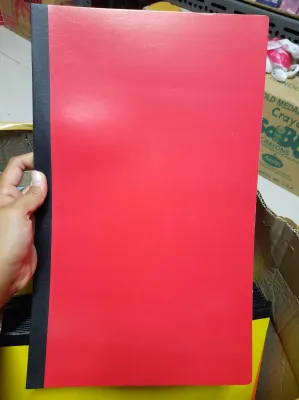
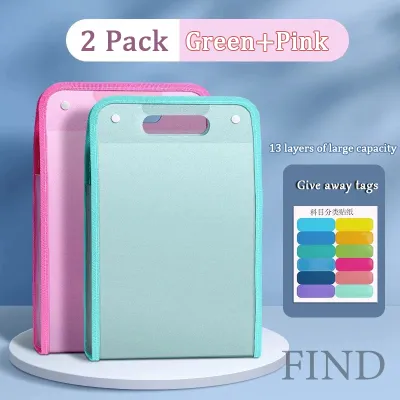


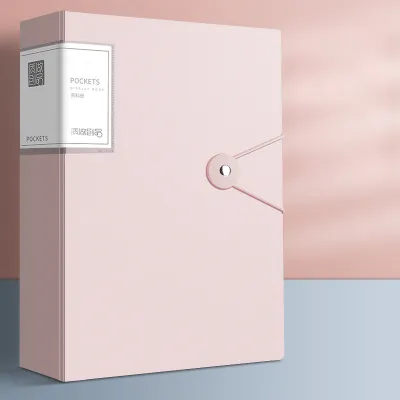
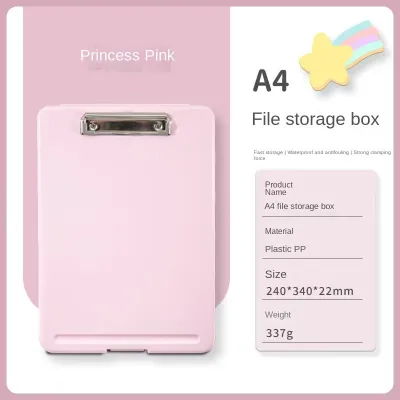
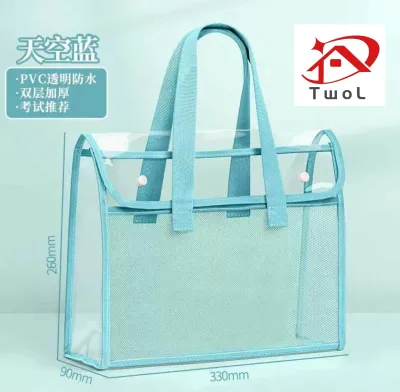
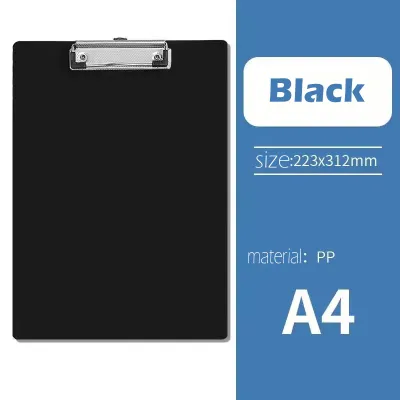
Prices are valid at publication and may change. Please refer to the product page for the latest price.
Take a moment to gather your loose papers and group them by category. Estimate the sheet count for each group. A standard ream of paper contains 500 sheets, which serves as an excellent visual benchmark. If your pile is less than a quarter of a ream (under 125 sheets), you fall into the light-duty category. A pile between a quarter-ream and a full ream represents a moderate-duty need, while anything exceeding 500 sheets requires heavy-duty archival solutions.
Next, examine your physical storage environment, as this directly dictates the physical form of the folders you can use. If your primary storage area is a standard desk drawer, you will need a system that fits horizontally, such as hanging folders or flat expanding files. If you rely on open bookshelves or metal racks, vertical spine-bound files like ring binders or lever arch folders are ideal because they stand upright and display their spine labels clearly. For those with limited space, a compact desktop organizer or a portable expanding file may be the only practical option.
Portability is another crucial dimension of your physical storage assessment. Determine whether your documents will remain stationary on a shelf or if they must travel with you to client meetings, classrooms, or different job sites. Portable folders require secure closures—such as elastic bands, snap buttons, or zippers—and should be lightweight yet rigid enough to protect papers inside a bag. Stationary storage, on the other hand, can prioritize high capacity and quick-access designs over secure, travel-safe closures.
Match Your Retrieval Frequency to the Right Folder Mechanism
How often you need to insert, remove, or read your papers determines the best folder mechanism for your daily routine. Aligning your retrieval frequency with the folder’s opening and closing design prevents frustration and keeps your filing system from breaking down over time. If a folder is too difficult to open, papers will inevitably pile up on top of it instead of being filed away correctly.

For high-frequency access, where you retrieve or add documents on a daily or weekly basis, you need quick-open mechanisms or open-top designs. Look for pocket folders, slash jackets, or desktop organizer files that allow you to slide papers in and out without unfastening any clips or rings. Clear books with top-loading plastic sleeves are also excellent for high-frequency reference materials, such as price lists, standard operating procedures, or daily schedules, because they allow you to read the pages clearly while protecting them from dirty hands and spills.
When dealing with moderate-access documents that you reference monthly or on a project-by-project basis, secure yet flexible medium-capacity options are ideal. Standard ring binders and multi-pocket expanding files work beautifully here. They keep your documents grouped tightly and securely so nothing falls out during handling, yet they remain relatively easy to open when you need to update a section or retrieve a specific report. These systems strike a balance between security and accessibility, making them perfect for active project files, tax documents, and academic coursework.
For low-frequency or archival storage, where documents are accessed only a few times a year or kept purely for compliance and historical records, prioritize maximum protection and capacity over quick retrieval. Heavy-duty lever arch files, boxed files, and deep storage boxes are the standard choices for this category. These options feature fully enclosed designs or strong locking mechanisms that compress the papers tightly, minimizing exposure to dust, light, and ambient air. Once filed, these documents remain safe and undisturbed for years, preserving their legibility without cluttering your active workspace.
Compare Common Filing Folder Types Based on Your Setup
To make an informed purchase, you must understand the specific strengths, limitations, and ideal use cases of the most common filing folder types available on the market.
Lever Arch Files and Ring Binders
Lever arch files and ring binders are the backbone of professional spine-bound filing systems, designed specifically for punched documents. Lever arch files feature a heavy-duty metal mechanism with a locking lever that easily opens and closes thick metal prongs, making them capable of holding large volumes—often 400 to 600 sheets of paper. They typically include a compressor bar that clamps down on the paper stack to keep it flat and prevent sagging when the file stands upright on a shelf.
Standard ring binders, utilizing O-ring or D-ring mechanisms, are better suited for moderate volumes of 100 to 300 sheets. D-ring binders are generally preferred over O-ring designs because the flat side of the D-ring allows pages to lie flat and align perfectly along the edge, reducing wear on the punched holes. Both systems require a paper hole punch or plastic sheet protectors, but they offer the distinct advantage of allowing you to flip through pages like a book, making them highly efficient for structured reading and sequential reference.
Accordion and Expanding Files
Accordion and expanding files are multi-pocket organizers designed to hold unpunched documents of various sizes. These files feature pleated sides that expand outward as you add more papers, allowing them to accommodate fluctuating volumes without taking up excess space when relatively empty. They typically contain internal dividers with tabbed index inserts, enabling you to categorize documents alphabetically, chronologically, or by subject.
Because they do not require you to punch holes in your papers, expanding files are the perfect choice for preserving original, high-value documents such as land titles, birth certificates, contracts, and business permits. They are highly portable, often featuring a protective top flap secured by an elastic cord or a plastic latch. This makes them popular among freelancers, field agents, and students who need to carry a complete, categorized filing system on the move.
Suspension and Hanging Folders
Suspension or hanging folders are engineered specifically for drawer-based filing systems and require a compatible filing cabinet or a desk drawer equipped with built-in metal rails. These folders feature rigid plastic or metal hooks on either side that slide along the rails, allowing the folders to hang vertically without touching the bottom of the drawer.
This design prevents papers from slipping underneath each other and keeps folders perfectly upright, regardless of how full the drawer is. Hanging folders act as outer carriers; you place thinner, tabbed manila folders inside them to subdivide your documents. This system is the gold standard for high-volume corporate offices, medical clinics, and legal practices where staff must quickly pull and replace individual client files throughout the day without disturbing the surrounding folders.
Clear Books and Display Folders
Clear books, also known as display folders, consist of a semi-rigid outer cover containing a fixed or refillable set of transparent plastic sleeves. These folders are designed for presentation and high-frequency visual reference rather than bulk storage. You simply slide your printed sheets back-to-back into the pockets, allowing you to display up to two pages per sleeve.
These folders are ideal for menus, creative portfolios, certificates, instruction sheets, and frequently consulted reference guides. The plastic sleeves protect the paper from fingerprints, moisture, and tearing during heavy handling. However, clear books are not suitable for archival or bulk storage; they are expensive on a per-page basis, add significant physical bulk and weight, and make it difficult to write notes directly on the paper without removing it from the sleeve.
Choose Materials That Withstand Humidity and Daily Wear
In the Philippines, the tropical climate introduces unique challenges to document storage. High relative humidity can soften traditional paper products, leading to sagging, warping, and the growth of mold or mildew. When selecting a filing folder for documents, material composition is just as important as the folder’s mechanism.
Plastic or polypropylene (PP) folders offer superior moisture resistance compared to traditional cardboard, manila paper, or kraft paper. PP covers do not absorb moisture from the air, meaning they will not warp, soften, or lose their structural integrity over time, even in non-air-conditioned storage rooms. Furthermore, plastic surfaces are easy to wipe clean with a dry or slightly damp microfiber cloth if they accumulate dust or mold spores.
If you prefer cardboard folders for their rigidity or environmental sustainability, look for heavy-duty board covers wrapped in a protective plastic layer, such as PVC or PP lamination. This hybrid design gives you the structural strength of thick greyboard with the moisture-resistant benefits of plastic. For purely paper-based folders, opt for high-density kraft paper or pressboard, which resist tearing and bending much better than standard lightweight manila folders.
Pay close attention to the metal components of your folders, such as rings, levers, compressor bars, and corner protectors. In humid environments, untreated metal can rust quickly, leaving permanent orange stains on your important papers and causing mechanisms to jam. Prioritize folders that specify rust-resistant coatings, nickel plating, or stainless steel components. As an added precaution, you can use plastic sheet protectors or paper reinforcement rings to prevent metal rings from coming into direct contact with high-value documents.
Finally, perform a simple physical check of the folder’s structural rigidity before committing to a purchase. Press down on the covers to ensure they do not bend easily under light pressure. For spine-bound folders like lever arch files, check that the spine is wide enough to support the weight of the intended paper volume and that the bottom edges are reinforced with metal shoes or plastic bands. These reinforcements prevent the folder from scuffing, splitting, or leaning when slid repeatedly across wooden or metal shelves.
Signs You Need to Replace or Reorganize Your Current Folders
Filing systems require periodic maintenance and replacement to remain effective. Recognizing the warning signs of a failing folder helps you protect your documents before they become damaged or lost.
Physical wear is the most obvious indicator that it is time to purchase a new filing folder for documents. Inspect your folders for torn seams, split spines, or covers that have become soft and floppy. Examine the metal mechanisms: if rings no longer align perfectly, they will snag and tear the paper holes when you turn the pages. Rusted clips, broken levers, or stretched elastic bands are clear signs that the folder can no longer secure its contents and should be replaced immediately.
Functional warning signs are more subtle but equally disruptive to your productivity. If you find yourself struggling to slide a folder out of a drawer because it is jammed against its neighbors, or if papers are spilling over the top edges of an expanding file, your system is overcapacity. Spending more than a minute searching for a specific document within a single folder indicates that your sub-categorization has failed, and you need to split the contents into multiple, more focused folders.
When reorganizing, establish a clear path forward. For active files that have grown too large, split them chronologically (e.g., separating “Invoices 2026” into “Invoices Jan-Jun 2026” and “Invoices Jul-Dec 2026”). For older documents that you must keep but rarely access, transfer them from expensive, high-access ring binders into low-cost cardboard archival boxes, freeing up your premium folders for active projects. Introducing a simple color-coded system—such as blue folders for financial records, red for legal documents, and green for personal files—can also dramatically improve visual retrieval times and make your daily filing routine much more intuitive.
Community discussion
Share your experience or ask a question. Comments are reviewed before publication.