
Opening a slime fairy slime kit reveals a world of sensory play, but the science behind the stretch and squish is pure chemistry. A complete kit typically contains a structural base, a chemical activator, colorants, and various decorative add-ins. Knowing what each component does allows you to evaluate the quality, completeness, and safety of these craft sets before purchasing them for your family.
In tropical climates like the Philippines, high humidity and warm temperatures can significantly affect how these ingredients interact. Slime that behaves beautifully in a cool room might become sticky or runny when exposed to warm air. Understanding the role of each ingredient helps you adjust your crafting process to achieve the desired consistency every time.
The Base: Glue and Slime Bases
The foundation of any slime is the base, which is almost always a polymer-rich liquid like polyvinyl acetate (PVA) glue. When evaluating a slime fairy slime kit, you will usually find either white school glue, clear glue, or a pre-made, semi-activated slime base. White PVA glue contains fillers that create an opaque, thick, and buttery texture, making it ideal for fluffy or cloud slimes. Clear PVA glue, on the other hand, is completely translucent, allowing you to create glass-like, shiny slimes that showcase colorful glitters and charms beautifully.
Products mentioned in this guide
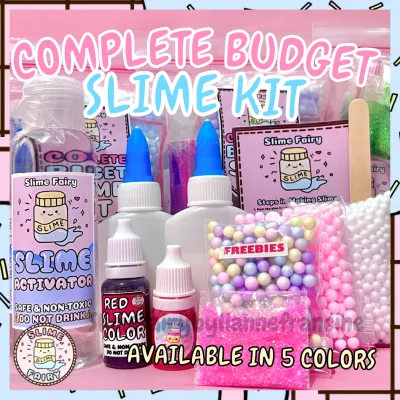
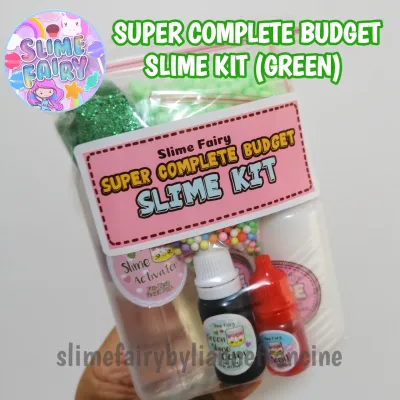
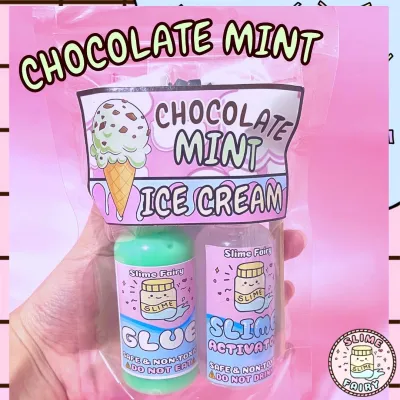
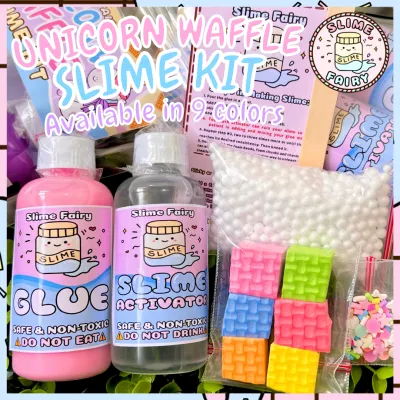
Prices are valid at publication and may change. Please refer to the product page for the latest price.
Before purchasing, it is essential to check the product labels for washable properties and non-toxic indicators. Washable glues are highly preferred because they easily dissolve in warm water, making cleanup from hands, clothes, and tables much simpler. Non-toxic certifications ensure that the base is safe for prolonged skin contact during mixing and playing.
The type of base included directly dictates the final volume and stretchiness of your creation. Clear bases tend to be more rubbery and require a delicate hand during activation, while white bases are generally more forgiving for beginners. Some advanced kits provide pre-made bases, which bypass the initial mixing stage entirely, allowing users to focus solely on customization and texture design.
The Activator: How Slime Forms
Without an activator, your slime base remains nothing more than a puddle of sticky glue. The activator is the chemical agent responsible for cross-linking, a process where borate ions link the long, sliding polymer chains of the PVA glue together. This reaction transforms the liquid glue into a cohesive, elastic, and rubbery substance that pulls away from the sides of your mixing bowl.

Common activators found in commercial kits include diluted sodium borate (borax) powder, liquid sodium borate solutions, contact lens solutions containing boric acid, or proprietary liquid activators. Many parents prefer kits that provide pre-mixed, gentle liquid activators to avoid the hassle of measuring and dissolving powders themselves.
When shopping for a kit, verify whether the activator is included in a sufficient quantity. In warm, humid environments, slime naturally tends to soften and lose its structure over time, meaning you may need extra activator during both the initial creation and subsequent play sessions. Check the packaging to see if the kit is fully self-contained or if you will need to supply household items like warm water to dissolve an activator powder.
Colorants and Mix-Ins: Customizing Your Slime
Once the base and activator have formed the ideal texture, colorants and mix-ins allow for endless creative customization. Kits often include liquid dyes, mica powders, or glow-in-the-dark pigments to transform the appearance of the slime. Liquid colorants are easy to blend but should be used sparingly, as adding too much liquid can dilute the slime and make it sticky again. Mica powders add a pearlescent, metallic shimmer that catches the light beautifully, especially when folded into clear slime bases.
Mix-ins like glitter, foam beads (often called floam beads), fishbowl beads, and small plastic charms add tactile variety and visual appeal. When evaluating these decorative elements, consider the age of the user. Small beads and charms pose choking hazards for younger children, so adult supervision is crucial during play.
Additionally, check how these mix-ins are packaged within the kit. High-quality kits secure their glitters, powders, and beads in tightly sealed, resealable bags or small plastic tubs. This prevents accidental spills during transit and keeps moisture out, ensuring the decorative elements remain dry and ready for use.
Evaluating Kit Completeness and Safety Labels
A great slime kit should provide a seamless crafting experience without requiring unexpected trips to the store. Before buying, cross-reference the box contents with the tools required to complete the project. A truly complete kit should include mixing bowls, stirring sticks, measuring spoons, and, most importantly, airtight storage containers to keep the finished slime from drying out.
Safety labels on the packaging offer vital clues about the product’s quality and suitability. Look for clear age recommendations, safety warnings, and manufacturer contact details. Reliable kits will explicitly state if they conform to international toy safety standards, which is an important indicator of chemical safety for children’s crafts.
Finally, pay attention to any manufacturing or expiration dates printed on the liquid components. Over time, both PVA glue and liquid activators can degrade, especially when stored in warm warehouses or retail shelves. Checking these dates ensures that the ingredients will react correctly, saving you from the disappointment of a slime mixture that refuses to activate.
Frequently Asked Questions (FAQ)
Can I use household items if the kit's activator runs out?
Yes, if the kit’s instructions permit it, you can often create a backup activator using common household items. A popular alternative is mixing a pinch of baking soda into the glue base, followed by a few drops of contact lens solution containing boric acid and sodium borate. However, be cautious when using unmeasured household chemicals, as incorrect ratios can lead to skin irritation or a rubbery, over-activated slime that breaks instead of stretching.
How should I store the unused ingredients in the kit?
To maximize the shelf life of your kit, store all unused glues, activators, and liquid colorants in their original, tightly sealed containers. Keep the entire kit in a cool, dry place away from direct sunlight and extreme heat. In tropical climates, excessive heat can cause the liquids to separate or degrade, while high humidity can affect dry powders and paper packaging.
What should I do if the slime turns out too sticky or too stiff?
If your slime is too sticky, add the kit’s activator in tiny, incremental drops—kneading thoroughly for at least a minute between additions to give the chemical reaction time to work. If the slime is too stiff or over-activated, you can soften it by kneading in a few drops of warm water or a small amount of skin lotion, depending on the manufacturer’s troubleshooting guidelines.
Community discussion
Share your experience or ask a question. Comments are reviewed before publication.