
Finding affordable materials for doormat-making in the Philippines is a practical way to start a small home business, engage in a rewarding hobby, or create functional items for your household. The absolute foundation of this craft is sourcing high-quality “string retaso pang doormat” (yarn scraps and fabric remnants) without paying the steep markups found in retail craft stores. By looking beyond commercial hobby shops and targeting wholesale hubs, local garment factories, and community groups, you can acquire bulk materials for a fraction of the cost.
Defining the Right Retaso for Doormat Durability
To build a doormat that stands up to daily foot traffic, you must understand the materials commonly found in scrap bundles. Retaso is rarely uniform; a single wholesale sack might contain a mix of cotton, acrylic, and polyester blends. Each of these fibers behaves differently underfoot, and choosing the wrong blend for the wrong area can lead to a mat that wears out quickly or becomes a safety hazard.
Cotton scraps are highly absorbent and soft, making them the traditional choice for indoor doormats placed near bathrooms or kitchens. However, cotton holds onto moisture for a long time. In the humid tropical climate of the Philippines, a damp cotton mat that does not dry quickly can easily develop a sour odor and harbor mildew.
Products mentioned in this guide
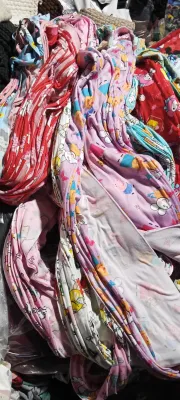
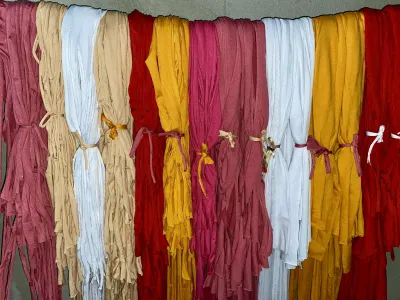
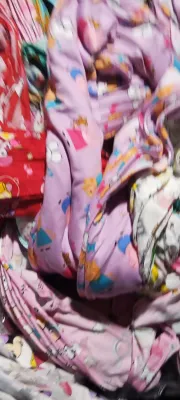
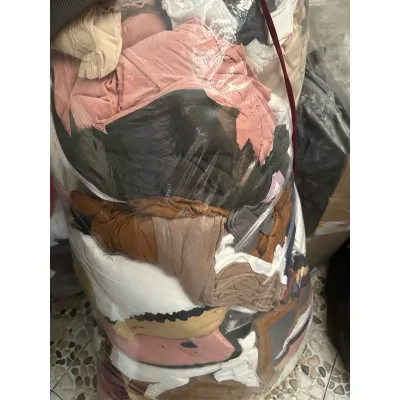
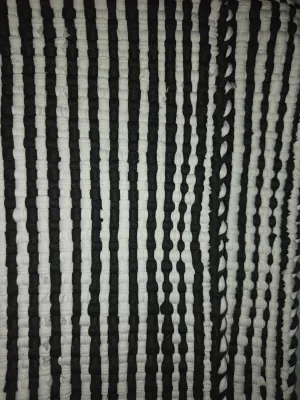
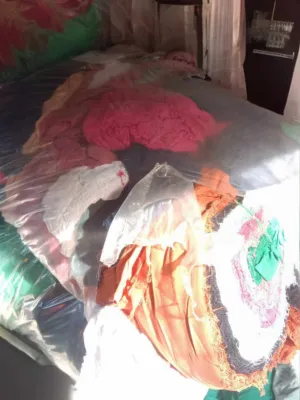
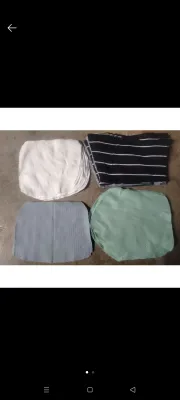
Prices are valid at publication and may change. Please refer to the product page for the latest price.
Acrylic retaso, on the other hand, is highly resistant to moisture and dries incredibly fast, but it is prone to pilling and offers less traction on smooth tiled floors. Polyester blends offer the best of both worlds in terms of sheer durability; they resist wear, dry rapidly, and maintain their structural integrity even when placed in high-traffic outdoor entryways.
When sourcing budget-friendly scraps, your primary compromises should be aesthetic rather than structural. Color inconsistencies, varying strand lengths, and mixed dye lots are perfectly acceptable compromises for budget buyers. In fact, these variations often add a rustic, artisanal charm to woven, braided, or knotted doormat designs, making each finished piece entirely unique.
However, there are several non-negotiable physical traits you must verify to ensure your materials are workable. Use this quick checklist of physical traits when sorting through potential purchases:
- Tight twist: Ensure the individual yarn strands are spun tightly so they do not unravel while you are weaving or knotting.
- Minimal lint shedding: Rub a sample strand against a dark fabric to ensure it does not shed excessive loose fibers, which can make your workspace messy and weaken the finished mat.
- Consistent strand thickness: While lengths can vary, keeping a relatively uniform thickness throughout your project prevents uneven bumps that can cause tripping.
Where to Source Budget-Friendly Yarn Scraps
Local Textile Hubs and Public Markets
Navigating major municipal public markets and wholesale fabric districts is the most direct way to source cheap materials. Areas surrounding garment manufacturing hubs—such as the dry goods sectors in Divisoria, Taytay, or local public markets in provinces known for garment weaving—are filled with vendors selling production leftovers. These businesses generate massive volumes of textile waste daily and are eager to sell them to clear out warehouse space.

When visiting these hubs, the key is knowing the local buying etiquette. Scrap yarn and fabric strings are rarely sold in neat skeins; instead, they are sold by the kilo or packed tightly into large sacks (sako). When speaking to vendors, ask for “retaso kilo-kilo” or inquire about buying by the sack to get the lowest possible rate. Purchasing a whole sack is always more economical than buying individual kilograms, and most wholesale vendors are open to price negotiations if you buy multiple sacks at once.
Timing your visit is also crucial for securing the best inventory. Arriving early in the morning during the market’s bagsakan hours gives you the first pick of newly arrived shipments before other crafters sort through them. Alternatively, visiting late in the afternoon can sometimes yield discounts, as sellers are occasionally willing to lower their prices to avoid hauling heavy, unsold sacks back to their storage areas.
Online Marketplaces and Community Craft Groups
If traveling to physical wholesale markets is difficult or expensive, digital platforms offer a convenient alternative. When searching on local e-commerce platforms, avoid generic terms like “craft yarn,” which will display expensive retail products. Instead, use specific local search terms such as “string retaso pang doormat,” “yarn scraps by kilo,” or “retaso for macrame” to find factory surplus listings and bulk wholesale distributors.
Beyond standard e-commerce platforms, social media groups dedicated to Philippine weaving, crochet, macrame, and rug-making are incredibly valuable resources. Many home-based crafters and small-scale manufacturers use these groups to post “destash” sales, offering their excess inventory at steep discounts to clear up space in their homes. Joining these communities allows you to connect directly with suppliers who can provide regular shipments of scraps.
You can also post your own “Looking For” (LF) advertisements in these groups, detailing your budget, preferred material, and general location. This often attracts direct factory suppliers or independent wholesalers who do not maintain formal online storefronts but are happy to ship bulk orders directly to your doorstep. Always avoid premium online craft boutiques, as their curated packaging and marketing add significant markups that defeat the purpose of a budget-conscious project.
Inspecting Quality and Avoiding Budget Traps
Buying cheap retaso is only a bargain if the material is actually usable. Unsorted sacks of scrap yarn can sometimes contain high amounts of waste, degraded fibers, or environmental damage. To protect your investment, you should perform several simple quality checks before committing to a large purchase.
The Tug and Fray Test: Before purchasing a bulk bundle or sack offline, pull a single strand of the yarn scrap firmly from both ends. If the strand snaps easily with minimal effort, or if it immediately starts to fray into a cloud of loose fluff, the fibers have likely been weakened by poor storage or age. High-quality string retaso should withstand a firm tug without breaking, ensuring that your finished doormat can handle the mechanical stress of being stepped on and washed repeatedly.
Moisture and Mold Check: The tropical humidity of the Philippines makes bulk textiles highly susceptible to mold and mildew. When inspecting a sack of scraps, reach deep into the center of the bundle rather than just checking the dry outer layer. Feel for any dampness, cold spots, or heavy weight anomalies, which indicate trapped moisture. Avoid any bundles that emit a musty, sour, or earthy smell, as mold spores are incredibly difficult to wash out of dense yarn and can trigger allergies once the doormat is placed inside a home.
Usable Yield vs. Gross Weight: When buying by weight, you are paying for everything inside the sack, including unusable waste. A cheap sack of retaso can quickly become expensive if half of it consists of tiny, shredded threads under two inches long, heavy knots, or excessive textile dust. Visually estimate the percentage of usable material before handing over your money; a good bundle should consist primarily of long, continuous strands that require minimal splicing.
Colorfastness Verification: To prevent your handmade doormats from staining your floors or bleeding during washing, you must verify the colorfastness of the dyed yarns. Dampen a small section of the scrap yarn with water and rub it firmly against a clean, white piece of scrap cloth or a paper towel. If the dye transfers onto the white surface, the material is not colorfast. While you can still use these scraps, you must be prepared to set the dye yourself using a salt or vinegar bath, or restrict the finished doormats to dry, carpeted areas where they won’t get wet.
Managing Hidden Costs and Maximizing Your Budget
Shipping and Logistics: Because yarn and fabric scraps are heavy and bulky, shipping costs can quickly eat into your budget. Buying a 10-kilogram sack online might seem cheap, but the shipping fee to transport that heavy package across different island groups in the Philippines can sometimes exceed the cost of the material itself. To keep logistics costs low, prioritize sellers located within your own region or province, or look for sellers who offer local pickup options. If buying online, try to consolidate your purchases to take advantage of free shipping vouchers or platform-wide promotional events.
Minimum Order Quantities (MOQ): Many factory outlets and wholesale textile suppliers offer their lowest per-kilo prices only when you meet a high minimum order quantity, such as buying a minimum of 50 kilograms or a full bale of scraps. If this volume is too large for your personal needs or exceeds your immediate budget, consider teaming up with fellow local crafters, neighbors, or members of your local barangay. By pooling your money to purchase a single wholesale bale and splitting the contents, everyone can enjoy the wholesale discount without being overwhelmed by excess inventory.
Preparation Time as a Cost: The cheapest tier of raw retaso is often unsorted, tangled, and dirty, requiring a significant investment of time before it is ready for crafting. You must dedicate hours to untangling knotted masses, washing away factory dust, and winding the strands into neat, workable balls. Evaluate your schedule honestly: if your free time is limited, it is often more economical to pay a slightly higher price per kilo for “pre-sorted” or “semi-cleaned” yarn bundles. This minor upfront cost saves you hours of tedious labor and allows you to begin weaving your doormats immediately.
Frequently Asked Questions (FAQ)
Is acrylic retaso suitable for outdoor doormats?
Yes, acrylic retaso is highly suitable for outdoor doormats because its synthetic fibers do not absorb water, making it naturally resistant to rot, mildew, and decay. It also dries much faster than cotton when exposed to rain or heavy morning dew. However, keep in mind that prolonged exposure to harsh tropical sunlight can cause acrylic fibers to degrade, fade, and become brittle over time. Additionally, because acrylic can be slippery on smooth outdoor tiles, it is best used on rough concrete entryways or paired with a non-slip rubber backing to prevent accidents.
How do I clean and prepare raw retaso before weaving?
To prepare raw, factory-sourced retaso, first shake out the loose dust and threads outdoors to keep your workspace clean. Place the scraps inside a mesh laundry bag to prevent them from tangling further during the washing process, then soak them in a basin of warm water mixed with a mild laundry detergent. Gently squeeze the bundles to work the soapy water through the fibers, avoiding aggressive scrubbing which can cause fraying. Rinse thoroughly with clean water, then hang the yarn scraps in a well-ventilated, shaded outdoor area to dry completely. Once dry, carefully untangle the strands and wind them into neat balls, sorting them by color and thickness so they are ready for your doormat project.
Community discussion
Share your experience or ask a question. Comments are reviewed before publication.