
Choosing the right daily planner layout for 2026 is a highly personal decision that directly impacts your daily productivity. A layout that clashes with your natural cognitive style will quickly end up forgotten in a drawer, while the right format acts as a seamless extension of your mind. To find your ideal match, you must look past aesthetic covers and focus on how you naturally process tasks, manage time, and navigate your daily routine.
Whether you are balancing back-to-back corporate meetings, managing a creative freelance schedule, or tracking long-term personal milestones, there is a specific layout designed to support your workflow. By diagnosing your habits and understanding the structural differences between hourly, minimalist, goal-oriented, and hybrid designs, you can select a tool that keeps you organized all year long.
Quick Diagnostic Map: Match Your Style to a Layout
Before diving into the technical details of paper weights and binding styles, it helps to narrow down your options based on your primary planning personality. Use this quick reference map to identify which layout family aligns with your daily life.
Products mentioned in this guide
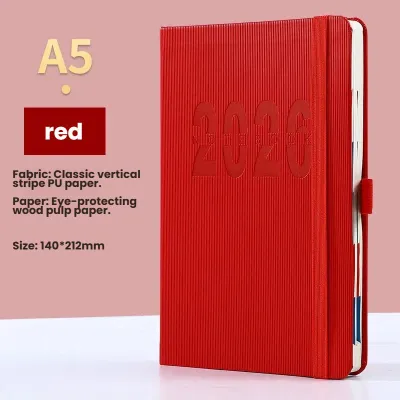
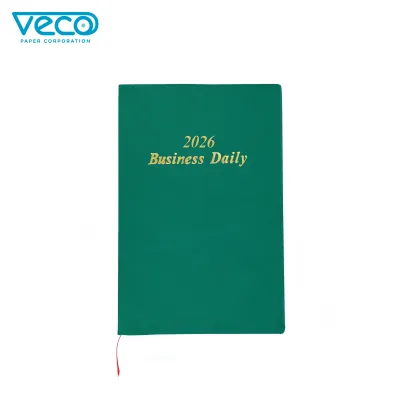
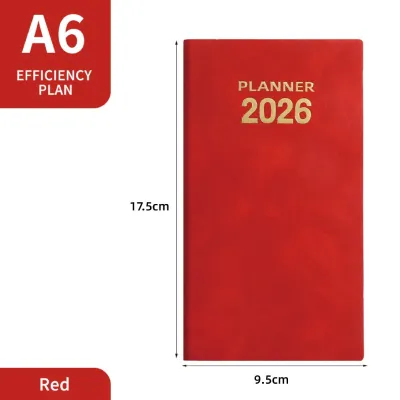
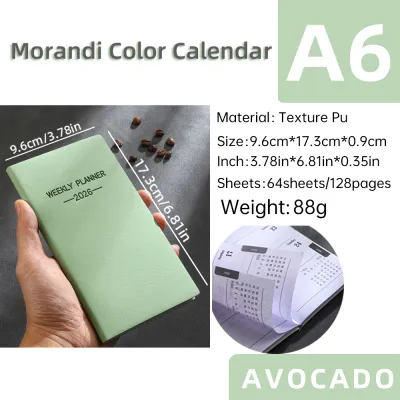
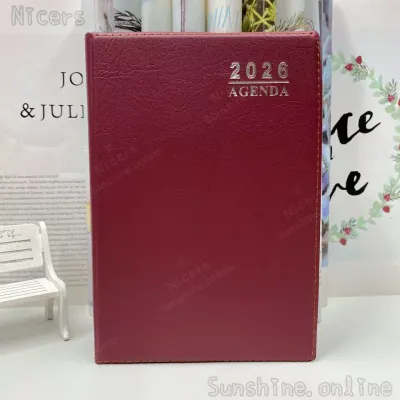
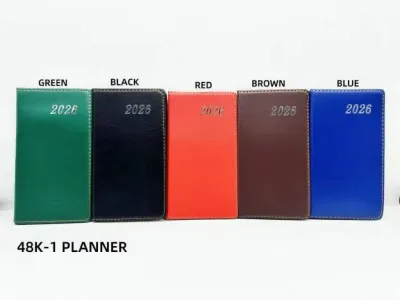
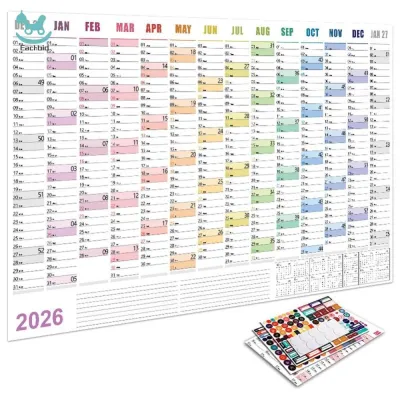
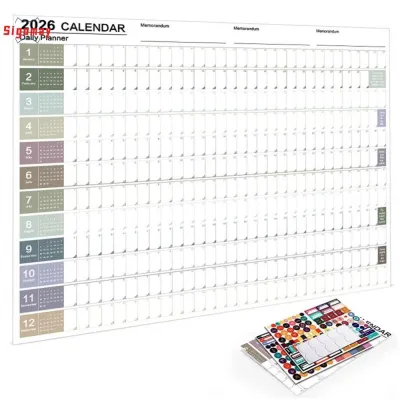
Prices are valid at publication and may change. Please refer to the product page for the latest price.
| Planning Personality | Ideal 2026 Layout | Primary Benefit |
|---|---|---|
| Meeting-Heavy & Scheduled | Hourly Time-Blocking | Visualizes open time slots and prevents overcommitment |
| Task-Driven & Creative | Simple Daily Pages | Offers maximum blank space for unstructured notes and lists |
| Goal-Oriented & Project-Focused | Goal-Tracking Sections | Aligns daily actions with monthly or yearly milestones |
| Multi-Tasking & Busy | Hybrid / Modular Layouts | Provides a comprehensive dashboard for schedules and tasks |
While this map offers a fast-track starting point, choosing a planner that you will consistently use for 365 days requires a deeper self-assessment of your daily habits and physical environment.
Step 1: Diagnose Your Daily Planning Habits
To choose a layout that sticks, you must first analyze how you actually work, rather than how you wish you worked. Start by observing the granularity of your daily schedule. Do you need to track appointments down to the half-hour, or do you simply need a checklist of five major tasks to complete by evening? If your days are highly fluid and unpredictable, a rigid hourly timeline will often go unused, leaving you with empty columns that can feel discouraging.

Next, consider how much cognitive support you need for long-term goals. Some planners are designed purely for daily execution, helping you get through the immediate 24 hours. Others integrate weekly reflections, habit trackers, and project milestones directly into the daily spread. If you struggle to connect your daily chores to your larger life objectives, a layout with built-in goal-tracking sections can provide the necessary structure.
Finally, do not overlook your physical environment and daily movement. If you commute regularly through busy transit hubs or work from local coffee shops, a large, heavy desk planner will quickly become a burden. In tropical climates where sudden downpours and high humidity are common, carrying a bulky book in your bag requires careful consideration of size and cover durability. A compact B6 planner might be a highly practical companion for a mobile lifestyle, whereas a spacious A5 layout is better suited for a permanent spot on your office desk.
Step 2: Evaluate the Four Main Layout Formats
Daily planners generally fall into four primary layout categories. Each format is engineered to solve specific organizational challenges and accommodate different cognitive styles.
Hourly Time-Blocking Layouts
Hourly layouts feature vertical or horizontal columns divided into specific time increments, typically ranging from 6:00 AM to 8:00 PM. This structure forces you to treat time as a finite resource, helping you allocate realistic windows for deep work, travel, and rest. By physically blocking out hours for specific tasks, you can easily see when you are overcommitted and where your open gaps lie.
- Best for: Professionals with packed meeting schedules, students with strict class timetables, or anyone who struggles with time-blindness.
- Trade-offs: High detail requires more writing space; can feel restrictive or discouraging if your day deviates from the plan.
Simple Daily Pages and Task Lists
This minimalist layout typically features a simple date header at the top of a blank, lined, grid, or dot-grid page. It treats each day as a fresh canvas, allowing you to write down long checklists, sketch ideas, or take detailed meeting notes without being confined by pre-printed boxes or timelines.
- Best for: Task-driven individuals, creative writers, or those whose daily routines are highly unpredictable.
- Trade-offs: Lacks built-in time management guardrails; requires high self-discipline to prioritize tasks manually.
Goal-Tracking and Project-Based Sections
These layouts are designed to bridge the gap between big-picture thinking and daily execution. Each daily page or weekly spread features dedicated boxes for tracking habits, setting daily intentions, and reviewing progress. They encourage you to identify your top three priorities before you begin writing down minor errands.
- Best for: Entrepreneurs, habit-builders, and individuals working toward multi-step personal or professional milestones.
- Trade-offs: Takes up more pages per day; may feel overwhelming or empty if your daily life consists of straightforward, repetitive tasks.
Hybrid and Modular Layouts
Hybrid layouts attempt to offer the best of both worlds by dividing a single page or two-page spread into distinct, functional zones. You might find a small, condensed hourly timeline on the left side of the page, a prioritized checklist in the center, and a blank grid section for notes at the bottom.
- Best for: Busy parents, multi-tasking students, or professionals who need to manage both a schedule and a long task list simultaneously.
- Trade-offs: Can easily look visually cluttered if you have large handwriting; often requires larger physical dimensions to remain legible.
Step 3: Verify Physical Specs Before You Buy
Once you have identified your ideal layout, you must verify the physical specifications of the planner to ensure it survives daily wear and tear. Stationery is a tactile experience, and a planner that feels unpleasant to write in will eventually be abandoned.
Start by matching the planner’s dimensions to your daily routine. An A5 planner (approximately 5.8 x 8.3 inches) is the industry standard, offering a generous writing area while still fitting into most backpacks and tote bags. If you prioritize portability and want something that can slip into a small purse or a large pocket, look for a B6 size (approximately 4.9 x 6.9 inches).
Next, pay close attention to paper quality, especially if you enjoy using fountain pens, gel pens, or highlighters. In humid tropical climates, paper can absorb moisture from the air, making it more prone to ink feathering and bleed-through. To prevent your writing from ruining the reverse side of the page, look for planners featuring high-quality, ink-friendly paper with a weight of at least 80 gsm to 120 gsm. Additionally, ensure the binding allows the book to lay completely flat on your desk; forced-closed spines make writing near the inner margins incredibly frustrating.
Finally, choose a binding type that matches your usage style. Spiral and wire-bound planners can be folded completely in half, saving valuable desk space, but the metal rings can sometimes obstruct your hand while writing. Stitched or book-bound planners offer a classic, professional look and slide smoothly into bags without catching on other items. If you want the ultimate flexibility to add, remove, or rearrange pages as your planning style evolves throughout 2026, a customizable disc-bound system is an excellent investment.
Frequently Asked Questions (FAQ)
Can I switch planner layouts in the middle of the year?
Yes, you can absolutely switch layouts if your current system is no longer serving you. Forcing yourself to use an incompatible format often leads to complete planning burnout. When transitioning, take a few days to migrate your active projects, recurring tasks, and long-term goals into the new book. If you want to avoid buying an entirely new planner mid-year, consider using a modular traveler’s notebook or a disc-bound system, which allows you to swap out individual daily inserts while keeping your premium cover.
Do I need specific pens for hourly time-blocking?
Because hourly layouts divide the page into small, compact time slots, using a thick pen can quickly make your schedule illegible. To keep your entries neat and readable, opt for fine-point gel pens or fine-liners with tip sizes between 0.38mm and 0.5mm. Keep in mind that high humidity can slightly increase the drying time of certain wet inks, so choosing quick-drying gel pens or classic ballpoints will help prevent smudging when you quickly close your planner after a meeting.
Community discussion
Share your experience or ask a question. Comments are reviewed before publication.