
Choosing the right A4 clipboard is more than just picking a flat surface with a metal clamp. The ideal clipboard serves as a reliable mobile desk, a protective shield for sensitive documents, and an active tool in your daily filing routine. To find the perfect match, you must evaluate how you handle documents, where you work, and how much protection your papers require.
To make an informed decision, focus on three core variables: the clip mechanism, the rigidity of the board material, and any integrated storage capacity. If you primarily work at a stationary desk, a low-profile clip that stacks easily might be your best option. Conversely, if you are constantly on the move in humid or outdoor environments, a weather-resistant material with a protective cover is far more practical. Before purchasing any board, always verify the standard A4 dimensions of 210 x 297 mm on the product label to ensure your papers align perfectly without awkward overhangs.
Use this quick checklist to narrow down your options based on your daily environment:
Products mentioned in this guide
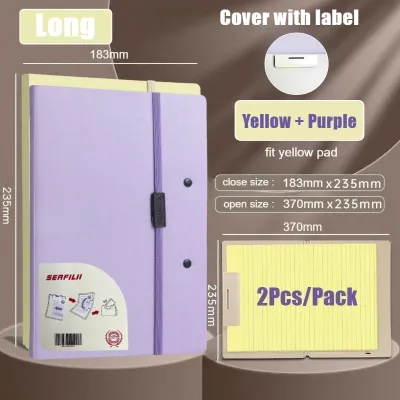
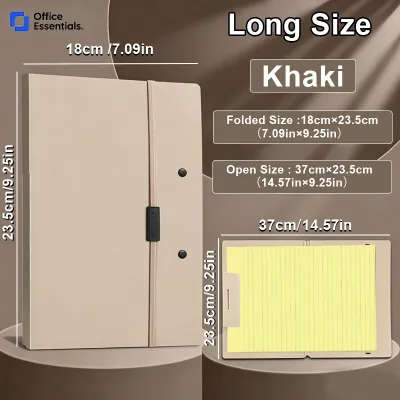
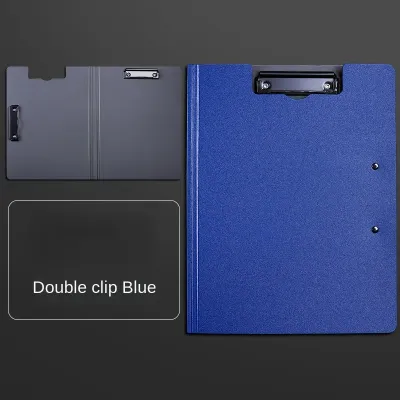
Prices are valid at publication and may change. Please refer to the product page for the latest price.
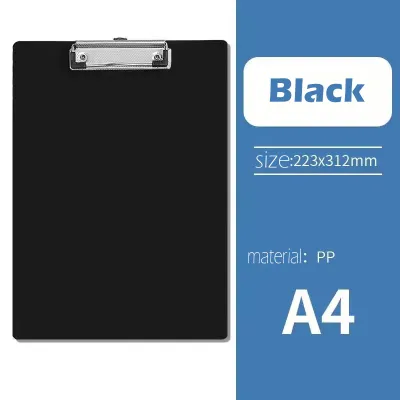
- Desk-bound filing and sorting: Opt for lightweight plastic or classic hardboard with a low-profile flat spring clip for easy stacking.
- On-the-go note-taking or inspections: Choose a high-rigidity material like heavy-duty plastic or aluminum, paired with a secure wire clip or a folding cover.
- Mobile office and utility work: Select a storage clipboard with an internal compartment to hold extra forms, pens, and small tools.
Matching Clip Mechanisms to Your Handling Routine
The clip mechanism is the primary point of interaction on your board, dictating how quickly and securely you can swap out documents. Choosing the wrong style can lead to torn pages, slow transitions, or bulky storage issues.
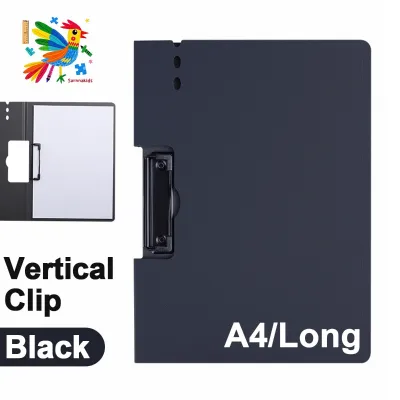
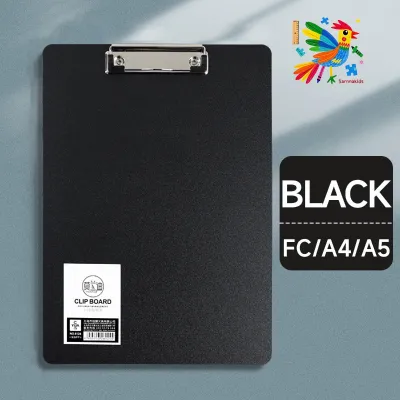
Spring Clips vs. Lever Clips Standard spring clips, often called flat or low-profile clips, utilize a tight spring-loaded bar to press papers flat against the board. These are highly stackable, making them excellent for filing cabinets, drawers, or stacking multiple boards on a desk. However, they require a firm two-handed grip to open. Lever clips, on the other hand, feature an extended metal arm that acts as a lever. This design allows for effortless, one-handed operation, which is incredibly useful when you are holding a pen or a tool in your other hand. The trade-off is bulk; lever mechanisms protrude significantly, making them difficult to stack neatly.
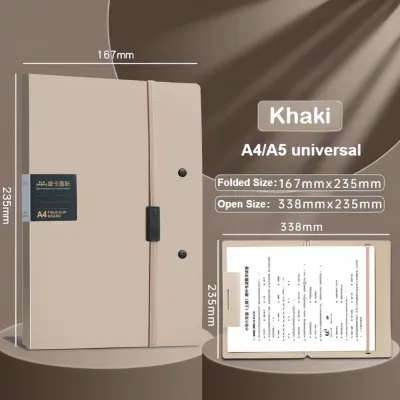
Foldable and Cover Clips For professionals who work outdoors or travel between offices, clipboards with protective covers or folding designs offer essential security. A folding cover protects sensitive documents from prying eyes and shields paper from sudden rain showers or high humidity. These models often use a side-bound or top-bound hinge that folds completely back when you need a flat writing surface, giving you the flexibility of a notebook with the rigidity of a clipboard.
Capacity Checks Do not assume all A4 clips hold the same volume of paper. Standard low-profile clips typically secure between 50 to 80 sheets of standard 80 gsm paper. Heavy-duty lever clips or deep-welled wire clips can often hold up to 100 sheets or more. Always check the manufacturer’s stated sheet capacity on the packaging, especially if you handle thick multi-part forms, carbonless copy papers, or heavy cardstock.
Grip and Paper Protection Frequent clipping and unclipping can easily tear or crease the top edge of your documents. To prevent this, look for clips equipped with rubberized or plastic corner grips. These soft-touch pads distribute the clamping pressure evenly, preventing the metal teeth from digging directly into the paper fibers. If you work with delicate tracing paper or thin financial receipts, these protective edges are vital for keeping your records intact.
Choosing the Right Board Material and Backing
The material of your clipboard determines its weight, durability, and how comfortable it is to write on when you do not have a desk supporting you.

Hardboard and MDF Traditional hardboard or Medium-Density Fibreboard (MDF) is a classic, cost-effective choice. It provides an exceptionally smooth, rigid writing surface that feels natural under a ballpoint pen. However, untreated wood fibers are highly susceptible to moisture. In humid tropical climates, unsealed MDF edges can absorb atmospheric moisture, leading to swelling, warping, and eventual peeling. If you prefer the natural feel of hardboard, look for models with fully sealed edges or a clear protective lacquer.
Plastic and Polypropylene Plastic clipboards, particularly those made from high-density polypropylene, are lightweight, colorful, and completely water-resistant. They are ideal for high-mobility environments, school classrooms, and outdoor sites where spills or rain are common. While highly durable, thinner plastic boards can flex slightly when pressed hard, which may affect your handwriting if you are standing up. When shopping, look for reinforced plastic designs with molded ribbing on the back to add structural rigidity without increasing weight.
Metal and Aluminum Aluminum clipboards offer the ultimate in durability and structural strength. They do not flex, warp, or crack, making them the preferred choice for industrial settings, warehouses, and medical facilities. Aluminum is also easy to sanitize, which is crucial for clinical environments. The primary drawbacks are weight and temperature; metal boards are heavier to carry for long periods and can feel uncomfortably warm if left under direct sunlight.
Verification Step Before finalizing your purchase, perform a quick physical check of the board’s build quality. Flex the board gently to test its rigidity; a good mobile writing surface should not bend under moderate hand pressure. Run your fingers along the edges and corners to ensure they are smooth and rounded. Sharp, poorly finished edges on cheap plastic or metal boards can scratch your hands, snag your clothing, or damage the inside of your backpack.
Evaluating Extra Features for Filing and Storage
If your daily routine involves more than just holding a single sheet of paper, specialized features can transform a basic clipboard into a highly efficient organizing system.
Storage Compartments Storage clipboards feature a hollow, box-like chassis beneath the writing surface. This internal compartment, which typically opens like a clamshell, is perfect for holding extra blank forms, completed documents, pens, rulers, and even small electronic devices. This setup keeps your essential tools dry and organized in one self-contained unit. It is highly popular among field inspectors, delivery drivers, and students.
Punch Holes and Filing Compatibility Some modern clipboards include built-in hanging pull-outs or pre-punched holes along the side or top. These features allow you to hang the clipboard on a wall hook for quick access or file the entire board directly into a large ring binder or archiving box. If you plan to integrate your clipboard into an existing filing system, verify that the hole spacing matches your office’s standard binder configurations.
Dual-Clip and Landscape Options While portrait orientation is standard, landscape clipboards are highly useful for spreadsheets, design blueprints, and presentation slides. Additionally, some specialized boards feature a secondary clip on the side or bottom. This dual-clip setup is incredibly helpful when working outdoors, as it prevents your papers from flapping, folding, or blowing away in windy conditions.
Limitations While extra features add immense utility, they also introduce bulk and weight. A heavy storage clipboard can quickly become tiring to carry during a full day of walking or standing. If your primary task is simply taking quick, occasional notes, a minimalist, lightweight flat board will serve you much better than a bulky multi-functional case.
Frequently Asked Questions (FAQ)
How do I clean and maintain a plastic or metal A4 clipboard?
To clean non-porous surfaces like plastic, aluminum, or sealed hardboard, wipe them down with a soft, damp cloth and a mild dish soap solution. Avoid using harsh chemical solvents, abrasive scrubbing pads, or strong alcohol-based cleaners, as these can degrade plastic surfaces, scratch metal coatings, or strip away protective lacquers. Always keep the metal clip mechanism dry to prevent rust, especially in humid environments. Periodically check the rivets, screws, or hinges on your clipboard to ensure they remain tight and function smoothly.
Can I use an A4 clipboard for legal or letter-sized documents?
While you can physically place smaller paper sizes like Letter (215.9 x 279.4 mm) on an A4 board, the paper may not align perfectly with the top clip, occasionally obscuring headers or leaving the sides slightly exposed. Conversely, larger formats like Legal paper (215.9 x 355.6 mm) will overhang the bottom of an A4 board by several centimeters. This leaves the lower portion of your document completely unsupported, making it highly prone to bending, creasing, or tearing while you write. For clean writing and proper document protection, always match your clipboard size directly to the primary paper format you use.

Community discussion
Share your experience or ask a question. Comments are reviewed before publication.