
Quick Answer: Which Bead Materials Offer the Best Wholesale Value?
Buying beads wholesale per kilo is one of the most effective ways to lower production costs for a jewelry-making business, but its value depends entirely on the physical density of the material and your target designs. If your goal is to maximize the sheer quantity of beads per peso, lightweight materials like acrylic and wood offer the highest yield per kilogram, making them ideal for high-volume, budget-friendly accessories. For mid-range jewelry that requires a more premium feel, glass beads provide an excellent balance of durability, weight, and aesthetic appeal, though their higher density means you will receive fewer beads per kilo than plastic.
Conversely, natural gemstone and metal beads are highly dense and carry significant risks of quality variance, chipped edges, and inconsistent sizing when purchased in bulk by weight. Rather than focusing solely on the cheapest price per kilo, successful jewelry makers evaluate the material’s density, the average bead count per package, and the expected waste rate to determine the true value of their wholesale investment.
Key Factors to Evaluate When Buying Beads Wholesale per Kilo
Weight vs. Volume
The concept of density is the most critical factor when purchasing beads wholesale per kilo. Because wholesale transactions by weight are billed per kilogram, the physical weight of the material dictates how many individual units you receive. For example, a single 8mm round acrylic bead weighs approximately 0.27 grams, meaning one kilogram yields roughly 3,700 beads. In contrast, an 8mm round glass bead of the same size weighs about 0.65 grams, reducing your yield to approximately 1,530 beads per kilo. Understanding this relationship prevents the common mistake of assuming a kilo of stone beads will produce the same volume of jewelry as a kilo of plastic or wood.
Products mentioned in this guide
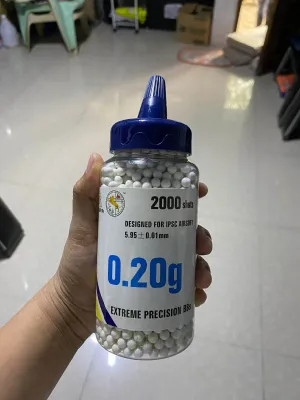
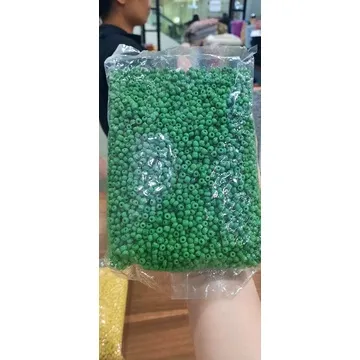
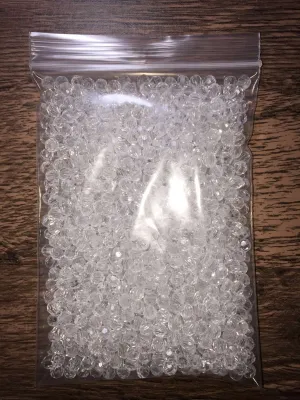
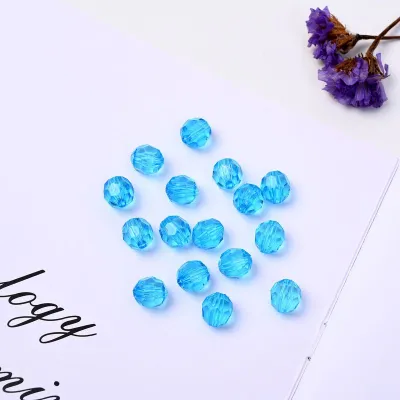
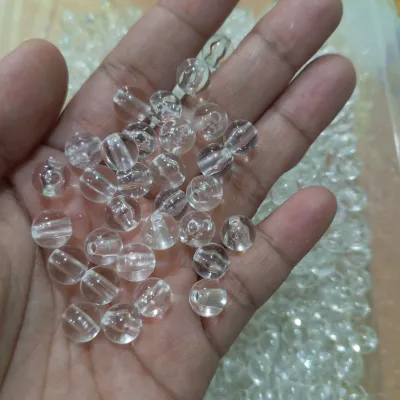
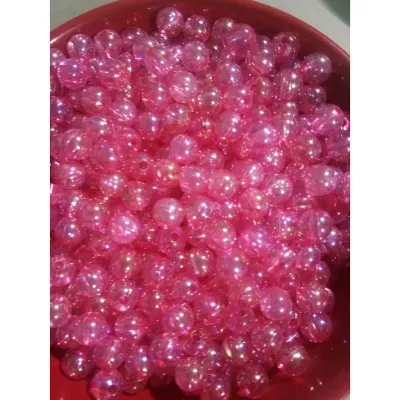
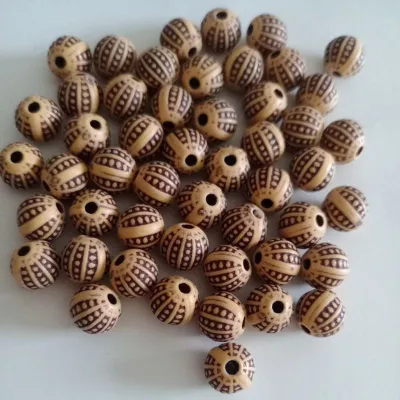
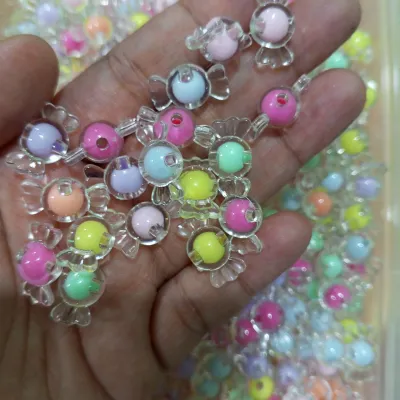
Prices are valid at publication and may change. Please refer to the product page for the latest price.

Quality Consistency
When beads are packaged and sold by weight, they rarely undergo the individual quality checks associated with stranded or carded beads. Wholesale kilo bags are filled rapidly by industrial machinery, which increases the likelihood of receiving irregular shapes, off-center drill holes, or entirely broken pieces. The consistency of the batch often depends on the manufacturing method; molded plastic and pressed glass tend to have higher consistency, while hand-cut stones or carved wood beads exhibit significant structural variations.
Waste and Yield
To calculate your true production costs, you must establish the usable yield of each wholesale kilo. If you purchase a kilogram of glass beads for ₱800, but find that 15% of the bag consists of chipped beads, fused pairs, or pieces with completely blocked holes, your actual usable weight is only 850 grams. This raises your effective cost per bead. Factoring in a standard waste margin—typically 5% to 10% for synthetic materials and up to 20% for natural stones—is essential for accurate pricing and profit margin calculations.
Shipping and Handling
In the Philippines, shipping costs can heavily impact the viability of buying beads wholesale per kilo. Whether you are sourcing from international suppliers or local distributors based in Metro Manila, shipping rates are calculated based on physical weight or volumetric weight, whichever is higher. Heavy materials like glass, ceramic, and metal can rapidly escalate shipping fees, especially when transporting goods across island provinces via local couriers. When calculating your budget, always factor in the landed cost—the wholesale price of the beads plus shipping, customs duties, and local delivery fees—to ensure your bulk purchase remains financially advantageous.
Material Comparison: Glass, Acrylic, Wood, and Stone Beads
Glass Beads
Glass beads are highly favored in the jewelry industry because they offer a premium feel, excellent light refraction, and a cool-to-the-touch sensation that consumers associate with high-quality craftsmanship. They are available in numerous styles, including seed beads, pressed glass, lampwork, and crackle glass. Because glass is moderately dense, a kilo of glass beads provides a reasonable yield while giving finished jewelry a satisfying weight.
When purchasing glass beads by the kilo, the primary quality concern is the smoothness of the drill holes. Rough or sharp glass edges inside the channel can act like a blade, slowly fraying and eventually cutting through elastic cords, nylon threads, or bead-stringing wires. Furthermore, glass is highly resistant to tropical humidity, sweat, and cosmetic chemicals, making it an incredibly durable choice for everyday wear in warm climates. To verify glass quality, check for uniform color saturation throughout the batch, as cheaper glass beads may only have a surface dye that wears off over time.
- Best for: Mid-range necklaces, durable bracelets, beaded lanyards, suncatchers, and designs requiring a premium, substantial feel.
Acrylic and Resin Beads
Acrylic and resin beads represent the most cost-effective option for high-volume jewelry production. Due to the low density of synthetic plastics, a single kilogram contains thousands of individual pieces, translating to an incredibly low cost-per-unit. These materials are highly versatile, allowing manufacturers to produce complex shapes, metallic finishes (often referred to as CCB or copper-coated beads), and vibrant, opaque, or translucent colors.
However, bulk acrylic purchases carry specific quality trade-offs. Injection-molded beads frequently exhibit visible seam lines, rough plastic burrs around the drill holes, or hollow cavities that can crack under pressure. Additionally, cheap metallic coatings or painted finishes on acrylic beads are highly susceptible to peeling, fading, or bubbling when exposed to the high humidity and sweat typical of tropical environments. When sourcing acrylics, it is crucial to test if the surface finishes are stable and safe for prolonged skin contact, particularly for children’s jewelry.
- Best for: Children's crafts, lightweight statement earrings, high-volume promotional accessories, and budget-friendly novelty items.
Wood and Natural Seed Beads
Wood and natural seed beads, such as those made from robles, bayong, or coconut shells, are highly valued for their organic textures, earthy tones, and lightweight properties. Because wood has an exceptionally low density, a wholesale kilo yields an enormous volume of beads, rivaling or even exceeding acrylic in piece count. This lightweight nature makes wood ideal for creating bold, chunky, multi-layered necklaces and bracelets that remain comfortable for the wearer throughout the day.
However, natural wood is highly sensitive to environmental conditions. In humid regions, untreated or poorly sealed wood beads can absorb moisture from the air, leading to mold growth, warping, or structural weakening. There is also a risk of dye bleeding; cheaply stained wood beads can transfer their color onto the wearer’s skin or light-colored clothing when exposed to sweat. Before committing to a bulk purchase, verify that the wood beads have been thoroughly dried, evenly stained, and coated with a non-toxic, water-resistant protective sealant.
- Best for: Bohemian-style jewelry, meditation mala beads, men's accessories, and lightweight, natural statement pieces.
Gemstone and Metal Beads
Buying gemstone and metal beads wholesale by the kilo is generally considered a high-risk strategy. Both materials are extremely dense, meaning a single kilogram will yield only a small fraction of the bead count compared to wood or acrylic. Natural gemstones, such as quartz, agate, or jasper, are subject to immense natural variations in color, pattern, and structural integrity. Wholesale lots sold by weight are often used by suppliers to clear out lower-grade stones, dyed composites, or beads with severe internal fractures that are prone to breaking during the stringing or wearing process.
Similarly, metal beads bought by weight can vary widely in quality, from lightweight hollow brass to heavy, rust-prone iron alloys. In humid climates, low-quality metal alloys will oxidize, tarnish, or turn green very quickly. Unless you are working with a certified supplier who guarantees a specific grade (such as Grade A or AA semi-precious stones) and provides clear specifications, it is usually safer and more cost-effective to purchase gemstone and metal beads by the strand or by the piece to ensure quality control.
- Best for: High-end focal points, premium accent beads, and luxury jewelry lines where material authenticity is guaranteed.
How to Inspect and Verify Quality in Bulk Kilo Orders
Visual Sorting
When your wholesale order arrives, do not immediately mix the new beads with your existing stock. Instead, set up a dedicated quality control area with bright, natural lighting or a daylight-balanced desk lamp. Spread a representative sample of about 100 beads onto a flat, light-colored tray or a soft beading mat. Carefully inspect the sample for visible defects, such as off-center drill holes, surface cracks, uneven dye distribution, or mismatched sizes. If more than 5% to 10% of your sample exhibits severe defects, it is highly likely that the entire kilo contains a similar defect rate, which should prompt a discussion with your supplier.
Tactile and Sound Tests
Your sense of touch and hearing can reveal a great deal about the material quality of your bulk purchase. Run your fingers through the pile of beads to detect any sharp edges, rough mold seams, or sticky residues left behind during the manufacturing or polishing process. To verify the material authenticity, perform a simple acoustic check: scoop up a handful of the beads and gently let them cascade back into the container. Genuine glass and natural stone beads will produce a distinct, clear, high-pitched clinking sound. In contrast, acrylic beads will produce a dull, hollow, plastic-on-plastic thud. This test is particularly useful for detecting cheap plastic imitations mixed into a shipment of glass or stone.
Drill Hole Verification
The drill hole is the most critical functional element of any bead. To ensure compatibility with your jewelry-making consumables, select 20 random beads from different areas of the bulk bag and test them with your target stringing medium. Attempt to thread them onto standard jewelry wire (such as 0.38mm or 0.45mm tiger tail), elastic cord (such as 0.8mm or 1.0mm polyurethane), or headpins. Check if the stringing material passes through smoothly without catching on internal burrs. Also, inspect if the holes are clogged with polishing paste, glass dust, or plastic flash, which would require manual clearing with a bead reamer, significantly increasing your production time.
Weight Verification
Because you are buying beads wholesale per kilo, verifying the exact weight of your shipment is essential to ensure you received what you paid for. Use a calibrated digital kitchen or postal scale to measure the package. First, weigh the sealed bag to get the gross weight. Then, after opening and transferring the beads, weigh the empty plastic bags, cardboard headers, and protective bubble wrap. Subtract the weight of the packaging from the gross weight to find the true net weight of the beads. A reputable wholesale supplier should deliver a net weight of at least 1,000 grams per kilo, often adding a few extra grams to compensate for any dust or chipped fragments that may have accumulated during transit.
Decision Framework: Choosing the Right Material for Your Project
To make a confident and profitable purchasing decision, use this structured, conditional framework to match your business needs with the ideal bead material:
- Choose Acrylic if: Your primary goal is high-volume production, strict budget control, and maximizing the bead count per peso. This is the optimal choice for children's jewelry, promotional merchandise, or lightweight, colorful statement pieces where individual unit costs must remain under a few centavos.
- Choose Glass if: You want to produce durable, mid-range jewelry that offers a premium weight, vibrant shine, and high resistance to wear and tear. Glass is highly recommended for everyday bracelets, necklaces, and accessories where consumers expect a satisfying, cool-to-the-touch feel and long-lasting color stability.
- Choose Wood if: Your brand identity revolves around organic, bohemian, or natural aesthetics. Wood offers an exceptionally high bead count per kilo, allowing you to design massive, multi-layered, or chunky jewelry pieces that remain incredibly lightweight and comfortable to wear, provided they are treated with a reliable moisture-resistant sealant.
- Avoid buying Gemstones or Metals by the kilo unless: You have a long-term, trusted relationship with a certified supplier who guarantees specific material grades and uniform drilling. For premium designs, purchasing semi-precious stones and metal components by the strand or individual piece remains the safest way to minimize waste, ensure design consistency, and protect your profit margins.
Frequently Asked Questions (FAQ)
How do I calculate the number of beads in a kilo?
To estimate the total number of beads in a one-kilogram (1,000 grams) bulk package, you can use a simple weight-to-count conversion. First, count out exactly 10 beads from your batch. Weigh this 10-bead sample on a digital scale to find the weight in grams, and then divide that number by 10 to find the average weight of a single bead. Finally, divide 1,000 by the average single-bead weight to get the estimated total count. For example, if 10 glass beads weigh 6 grams, the average weight per bead is 0.6 grams. Dividing 1,000 by 0.6 yields approximately 1,666 beads per kilo. Remember that natural materials like wood and stone will have slight variations in density, which can cause minor fluctuations in the final count.
Is it cheaper to buy beads by the kilo or by the strand?
Buying beads by the kilo offers a significantly lower cost per individual bead, making it the most economical choice for high-volume jewelry production, simple patterns, and bulk craft kits. However, buying by weight carries a higher risk of receiving defective, misshapen, or damaged beads, which requires extra time and labor to sort through the batch. On the other hand, buying by the strand is more expensive per unit but guarantees a pre-sorted, highly uniform selection of beads with consistent sizing, color, and pre-cleared drill holes, which saves valuable assembly time and eliminates material waste.
Community discussion
Share your experience or ask a question. Comments are reviewed before publication.