
Keeping school projects, legal documents, and office files organized in the Philippines often feels like a constant battle against the elements, as standard metal binder clips quickly develop unsightly brown rust that stains important papers. To prevent rust and corrosion in high tropical humidity, you should choose binder clips made from high-grade stainless steel, plastic, or heavy-duty vinyl-coated metal, while avoiding cheap, poorly plated carbon steel alternatives. The combination of high relative humidity and elevated temperatures creates an aggressive environment for office supplies, making careful material selection essential for document preservation. When standard clips fail, they do not just lose their aesthetic appeal; they can permanently ruin archival records, student portfolios, and corporate contracts. Understanding the materials and protective coatings of your stationery is the first step toward securing your documents.
Why Do Standard Metal Binder Clips Rust in Tropical Humidity?
Standard metal binder clips rust because they are typically manufactured from carbon steel, an iron-carbon alloy that reacts rapidly with ambient moisture and oxygen to form iron oxide. In the tropical climate of the Philippines, high relative humidity provides a persistent liquid film on the metal surface, even if the clips never touch water directly. This moisture acts as an electrolyte, facilitating the transfer of electrons between the iron in the steel and oxygen in the air.
For offices and homes located in coastal areas, the air carries microscopic salt particles (sodium chloride). Salt dramatically accelerates the corrosion process by increasing the electrical conductivity of the moisture film, turning a slow oxidation process into rapid degradation.
Products mentioned in this guide
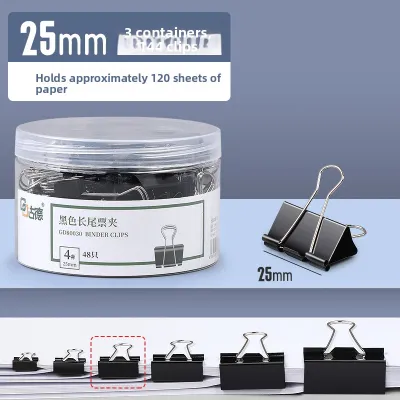
21 Lazada user ratings
Great product, really good quality, and the clips are large and very practical! I'll definitely buy again next time!
The product is good, and the customer service is nice. Totally worth buying!
Great value for the money, the clips are big and practical! Will buy again!
Got it, and I really like it!
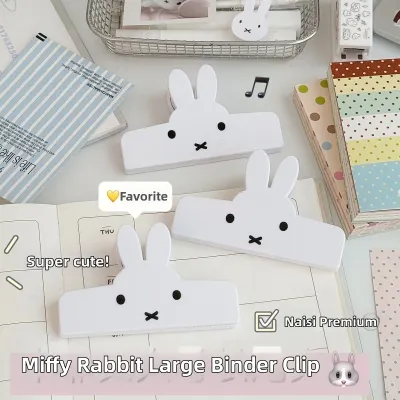
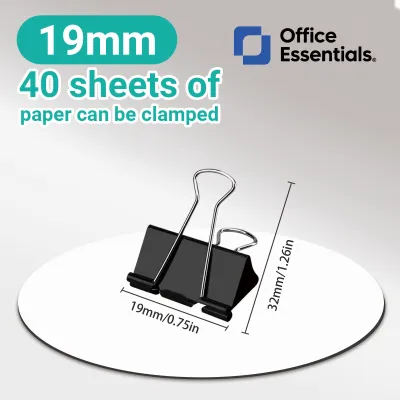
259 Lazada user ratings
Price:very affordable Design:simple but usable Durability:I think Thank you so much seller and store for sending good condition and complete…Read full reviewShow less
Price:very affordable Design:simple but usable Durability:I think Thank you so much seller and store for sending good condition and complete orders, appreciated. Thanks for on time delivery and service. Thanks courier and Lazada 👍👍👍👍👍
sturdy. works well. cheap and gets the job done. repeat customer here and will probably purchase more soon. Ideal for office use,
the product is great! delivery is quite fast and the packaging is safe! item is as per advertised.
Durability:legit mayroon na magamit sa trabaho pang clip sya po..tnx👍🌞😎
nice packaging. thank u seller.. no damage.. delivery also good
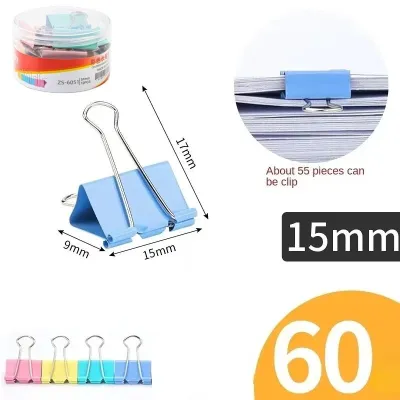
375 Lazada user ratings
Strong grip without damaging paper, Multi-functional usage options, and the kids were you going backwards compatible okay with you I think t…Read full reviewShow less
Strong grip without damaging paper, Multi-functional usage options, and the kids were you going backwards compatible okay with you I think tomorrow would be better for you
size 51mm pero hindi 60 pieces 12 lang ang isang plastic container. Strong grip without damaging paper, Multi-functional usage options,
Strong grip without damaging paper, Available in multiple sizes, Multi-functional usage options,
Available in multiple sizes, Multi-functional usage options, Strong grip without damaging paper,
Design: 10 Price: 10 Durability: 10 Excellent durability,
Prices are valid at publication and may change. Please refer to the product page for the latest price.
The degradation begins with micro-pitting—tiny, almost invisible craters on the clip’s surface where the protective finish has failed. Soon after, a reddish-brown powder forms, which easily transfers to paper fibers, causing permanent stains that are incredibly difficult to remove without tearing the document.
Furthermore, the mechanical design of a binder clip exacerbates this issue. The constant tension and friction at the pivot points where the wire handles meet the spring steel body scrape away any basic protective coatings. Once this raw metal is exposed, the combination of trapped moisture and oxygen initiates localized galvanic corrosion, weakening the clip’s structural integrity and leading to premature failure.
Which Binder Clip Materials Resist Rust and Corrosion?
Stainless steel, vinyl-coated steel, and high-density plastics are the most effective materials for resisting rust and corrosion in humid environments.

Stainless steel contains chromium, which reacts with oxygen to form an invisible, self-healing passive layer of chromium oxide on the surface. However, not all stainless steel is identical. When shopping, look for specific alloy designations like 304 or 316 stainless steel, which offer superior corrosion resistance compared to lower-grade ferritic alloys. These high-grade alloys maintain their structural integrity even when exposed to salty coastal air and high humidity.
Plated carbon steel is another common option, usually featuring a thin layer of nickel, chrome, or zinc. While these coatings offer initial protection, they are highly vulnerable to mechanical wear. Every time you squeeze the handles or slide the clip onto a thick stack of paper, the friction can chip or scratch the plating, especially at the high-stress hinge points, exposing the raw carbon steel underneath to ambient moisture.
For highly sensitive documents or long-term archival storage, non-metallic options provide excellent safety. All-plastic binder clips or metal clips completely encased in a thick vinyl or polymer coating eliminate metal-to-paper contact entirely. While they may not offer the same extreme clamping force as heavy-duty steel for massive stacks of paper, they are completely immune to atmospheric rust.
When selecting these materials, it is also important to consider the paper medium. For example, thermal paper used for receipts and certain medical records is highly sensitive to both chemical reactions and physical pressure. Using a heavy, rusting metal clip on thermal paper can accelerate the fading of the print, whereas a smooth, non-corrosive plastic clip preserves the legibility of the document for a longer period.
How Can You Verify a Binder Clip's Rust Resistance Before Buying?
You can verify a binder clip’s rust resistance by carefully checking the manufacturer’s material specifications on the packaging, inspecting the physical uniformity of the coating, and performing a simple magnet test.
When browsing stationery stores or online marketplaces, look for explicit labels indicating “stainless steel,” “rust-resistant coating,” or “anti-corrosion plating.” Avoid products that simply list “metal” or “steel” without specifying the alloy or protective treatment, as these are almost always standard carbon steel.
Examine the clips closely before purchase. Look for a smooth, uniform finish without bubbles, thin spots, or exposed dark metal, particularly around the coiled spring and the folding wire handles. Any imperfection in the plating is a starting point for rust.
If you are shopping in a physical store, carrying a small magnet can help you identify the type of metal. Standard carbon steel and low-grade stainless steels are strongly magnetic. High-quality austenitic stainless steel (such as 304 grade) is typically non-magnetic or only weakly magnetic. While not a definitive laboratory test, a weak magnetic pull is a strong indicator of a more corrosion-resistant alloy.
Additionally, check the flexibility and alignment of the wire handles. High-quality manufacturing processes ensure that the handles fit snugly into the spring body without scraping the protective coating during movement. If the handles feel loose or grind against the body when squeezed, the protective barrier will likely degrade quickly during daily use.
What Storage and Maintenance Habits Prevent Corrosion Over Time?
Storing your binder clips in airtight containers with desiccants and minimizing exposure to rapid temperature fluctuations are the most effective habits for preventing corrosion.
Do not leave bulk stationery supplies loose in open desk drawers or cardboard boxes, which absorb and hold atmospheric moisture. Instead, transfer your spare binder clips to airtight plastic containers or resealable zip-top bags. Adding a few silica gel packets—often salvaged from shoe boxes or electronics packaging—will actively absorb any trapped moisture inside the container.
In many Philippine offices, air conditioning is turned on during the day and shut off at night. This rapid temperature shift causes condensation to form on cold metal surfaces, much like water droplets on a cold glass. If you handle clips that have been subjected to these shifts, wipe them down with a dry microfiber cloth before attaching them to important documents.
Keep your active files and stationery away from direct sunlight, open windows, damp concrete walls, and areas prone to liquid spills. If a binder clip does get wet, dry it immediately and thoroughly, paying close attention to the inner spring mechanism where water tends to pool and linger.
Furthermore, avoid overloading the clips beyond their specified sheet capacity. Over-stretching the spring steel not only weakens its clamping force over time but also creates micro-fractures in the protective plating, allowing moisture to penetrate deep into the metal substrate and initiate rust from within.
When Should You Replace a Rusty Binder Clip to Protect Your Documents?
You should replace a binder clip at the very first sign of surface discoloration, micro-pitting, or resistance when opening the handles, before the rust can transfer to your documents.
Once rust begins to form, it cannot be reliably stopped or reversed in a stationery context. Waiting until a clip is covered in brown powder increases the risk of permanent staining on archival papers, legal contracts, or school certificates. If you notice a rough texture or a slight orange tint on the inner clamping surfaces, discard the clip immediately.
Removing a corroded clip requires care to avoid tearing the paper. If the metal has begun to fuse with the paper fibers due to rust buildup, do not yank or slide the clip off. Instead, gently pry the clamping jaws apart using a small flat tool or your fingernails, lifting the clip vertically off the stack rather than pulling it horizontally.
It might be tempting to clean rusty clips using household rust dissolvers, penetrating oils, or abrasive cleaners. However, these chemicals leave behind oily residues, acidic compounds, or fine powders that will stain, degrade, or dissolve paper fibers even faster than the rust itself. For office and school supplies, replacing a compromised clip is always safer and more cost-effective than attempting chemical restoration.

Community discussion
Share your experience or ask a question. Comments are reviewed before publication.