
Choosing the right board paper depends on your medium, the level of structural rigidity required, and whether the project is a temporary school display or a permanent illustration. For heavy wet media or professional rendering, rigid illustration board is ideal; for detailed ink, drafting, or dry media, multi-ply Bristol board offers flexibility and smoothness; while poster board and foam board serve best for lightweight school projects, mounting, and 3D models.
In tropical climates, high humidity can cause thin or poorly stored boards to warp, making material selection and storage crucial. Selecting the wrong surface can lead to bleeding ink, buckled paper, or torn fibers, which can ruin hours of careful work. By understanding the physical properties of each board type, you can confidently match your tools to the correct surface.
Identify Your Project Requirements
Before purchasing any board paper, it is essential to diagnose your exact project needs and constraints. The primary factor to consider is your creative medium. Wet media, such as watercolor, gouache, acrylics, or heavy ink washes, introduce moisture that can easily warp standard paper. Dry media, including graphite, charcoal, colored pencils, and pastels, require a surface with enough texture to grip the pigment.
Products mentioned in this guide
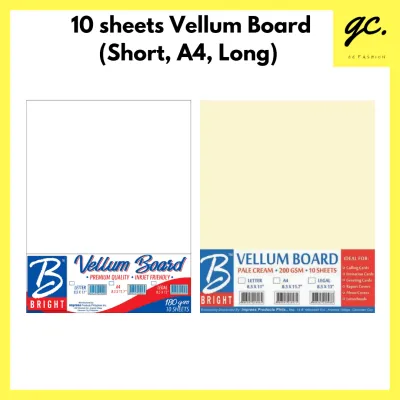
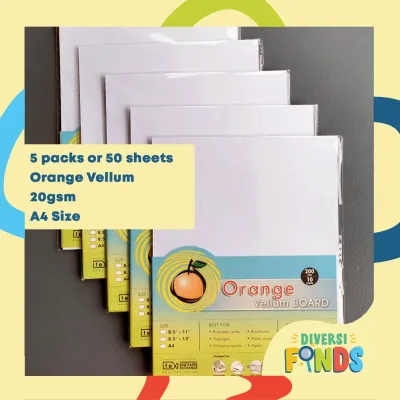
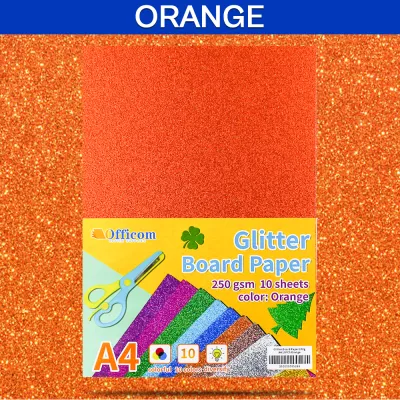
Prices are valid at publication and may change. Please refer to the product page for the latest price.
You must also assess how much you plan to rework, erase, or layer your work. If your process involves heavy erasing, scraping, or applying multiple layers of media, a thin paper will quickly tear or pill. You need a heavy-duty board with a resilient surface layer that can withstand friction without losing its structural integrity.
Finally, define the end use and display method of your project. A temporary school presentation or a quick classroom poster does not need archival-grade materials, whereas a final design draft, a client illustration, or a 3D architectural model requires structural stability and warp resistance. If you plan to frame, bind, or mount the finished piece, the board’s thickness and flexibility will dictate how easily it can be handled.
Compare Common Board Paper Types
Board papers generally fall into two structural categories: heavy multi-ply paper boards and composite or laminated boards. Multi-ply boards are made by bonding layers of paper together to achieve thickness, while composite boards feature a lightweight core, such as foam, sandwiched between paper liners.

The core construction dictates how the board behaves under pressure, moisture, and cutting tools. Understanding these structural differences helps you choose a material that remains flat and intact throughout your creative process.
Illustration Board vs. Bristol Board
Illustration board features a heavy, rigid cardboard backing with a high-quality drawing paper mounted on one or both sides. Because of this solid core, it does not bend easily, making it excellent for heavy rendering, wet media, and professional mounting where warping must be avoided. It is available in both hot press (smooth) and cold press (textured) surfaces to accommodate different artistic styles.
Bristol board, on the other hand, is a multi-ply paper board that lacks a rigid center core. It is semi-flexible and can be fed through some printers or easily bound into portfolios. It is highly favored for dry media, fine pen-and-ink work, and light washes, offering a highly durable surface that resists erasing damage.
When shopping, check the manufacturer’s labels for the ply count, weight, and surface finish to verify suitability. A higher ply count indicates a thicker, more durable sheet, while the specified surface finish will tell you whether it is optimized for wet or dry techniques.
Poster Board and Foam Board
Poster board is a thin, lightweight, and highly cost-effective option designed primarily for temporary displays, school projects, and basic signage. It handles dry markers, light glue, and stencils well, but it will warp quickly if exposed to heavy wet paint or high humidity. It is highly flexible and easy to cut with standard scissors, making it a staple for classroom activities.
Foam board consists of a lightweight polystyrene foam center sandwiched between two sheets of paper. This structure provides exceptional rigidity and flatness without adding weight, making it the standard choice for mounting prints, building architectural models, and creating sturdy exhibition backdrops.
Before purchasing, verify the thickness and inspect the edges on the packaging. For structural crafts or precise cutting, look for boards with high edge crush resistance to ensure clean, sharp cuts that do not collapse or fray under a utility knife.
Match the Board to Your Medium and Tools
Using the wrong board can lead to frustrating issues like buckling, bleeding, or pilling. To ensure your tools perform as intended, match your medium directly to the board’s specifications.
For wet media like watercolor or gouache, check the manufacturer’s specifications for sizing and weight. Sizing is a starch or gelatin treatment that controls how water absorbs into the paper; without proper sizing, wet paint will sink in too quickly, causing the surface to buckle and colors to look dull.
For dry media like pencil, charcoal, or pastels, evaluate the surface tooth. A board with a textured surface grips dry pigments much better than a slick surface, allowing you to build up multiple layers of shading without the medium sliding off.
When working with markers and ink, look for bleed-proof or bleed-resistant claims on the packaging. Alcohol-based markers can bleed through thin boards or feather along the edges; always perform a quick test on a scrap piece or a corner of the board before starting your final piece.
If your project involves adhesives and cutting, ensure the core material can handle craft knives and glue without tearing or delaminating. When cutting foam board or heavy illustration board, use a sharp utility knife and make multiple light passes rather than forcing a single deep cut, which can tear the paper backing.
Check Size, Thickness, and Surface Finish
Before finalizing your purchase, verify the physical specifications of the board paper to ensure it fits your workspace, tools, and display plans.
Consider the standard dimensions of the board and account for trimming, binding, or framing margins. If you plan to frame your finished illustration, ensure you leave at least a 1-inch (or 2.5 cm) margin around your artwork so it can be securely mounted behind a mat board without covering your design.
Thickness is typically measured in ply (layers) or points (thousandths of an inch). Thicker boards offer superior rigidity but are difficult to fold or feed through printers; check your equipment compatibility if you plan to use digital printing or mechanical cutters.
Surface finish is generally divided into hot press (smooth) and cold press (textured). Hot press boards have a flat, sleek surface ideal for fine pen lines, detailed drafting, and marker rendering, while cold press boards have a textured surface that absorbs washes beautifully and provides excellent grip for dry media.
When to Upgrade or Switch Your Board Paper
Recognizing when your materials are limiting your progress is key to improving your work. If you notice your board warping after a light wash, pilling when you use an eraser, or allowing ink to bleed through to the core, it is time to upgrade to a higher-grade board.
You can comfortably stick with basic, budget-friendly boards for quick sketches, school drafts, temporary classroom layouts, or initial design brainstorming. These projects do not require long-term preservation, so cost-effective poster boards or standard Bristol sheets are perfectly adequate.
However, you should invest in archival-grade, acid-free professional boards for final illustrations, client commissions, or any piece intended for long-term display. Acid-free boards resist yellowing and degradation over time, ensuring your artwork remains vibrant and structurally sound for years, even in humid tropical climates.
Frequently Asked Questions (FAQ)
Can I use regular cardboard instead of specialized board paper?
While regular packaging cardboard is highly accessible, it is generally unsuitable for serious art or school projects. Packaging cardboard contains high levels of acid, which causes it to turn yellow, become brittle, and degrade both the board and your art media over time. Additionally, its ribbed internal structure (corrugation) creates an uneven surface that makes smooth drawing or painting nearly impossible, and its uncoated surface absorbs ink unevenly, leading to severe bleeding and poor adhesion.
How should I store unused board paper to prevent warping?
To keep your board papers perfectly flat and ready for use, store them completely flat in a cool, dry environment. High humidity, which is common in tropical climates, can cause paper fibers to expand and warp, so keeping them in sealed plastic portfolios or drawers is highly recommended. Avoid leaning boards vertically against a wall for long periods, and keep them away from direct heat sources, damp concrete floors, or heavy, uneven weights that could crease the corners.
Community discussion
Share your experience or ask a question. Comments are reviewed before publication.