
Selecting the right bulk beads for your jewelry and craft projects requires balancing aesthetic appeal with structural integrity. To ensure your creations last, you must match the physical characteristics of the beads—such as weight, hole diameter, and material composition—to the specific demands of your design and the stringing materials you plan to use. In warm, humid climates like the Philippines, environmental factors such as moisture and perspiration can also accelerate the tarnishing of metallic finishes or degrade low-quality elastic cords, making material selection even more critical. By understanding how different bead families behave, you can avoid common pitfalls like broken threads, uneven drapes, and mismatched batches.
Common Bulk Bead Types and Their Core Characteristics
When purchasing beads in bulk, understanding the physical traits of each bead family is essential for planning your inventory and budget. Bulk purchases are highly economical for production lines, workshops, or large-scale crafting, but they also carry the risk of compounding minor defects across hundreds of pieces. The primary factors to evaluate before ordering are weight, hole size consistency, and material uniformity. Heavy beads require robust structural support, while lightweight beads allow for airy, multi-layered designs that remain comfortable to wear throughout the day.
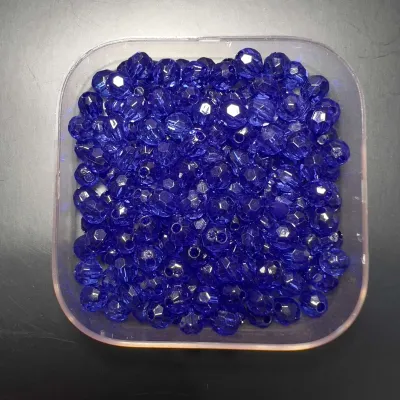
It is important to recognize that material names alone do not guarantee a specific level of quality or performance. For instance, beads labeled simply as “glass” or “crystal” can vary wildly in their dimensional uniformity, surface finish, and structural integrity depending on how they were manufactured. When sourcing in bulk, you must verify the supplier’s detailed specifications regarding shape consistency and surface treatments rather than relying solely on generic product titles. A lack of uniformity can lead to misaligned patterns in bead weaving or unexpected gaps in stringing projects.
Products mentioned in this guide
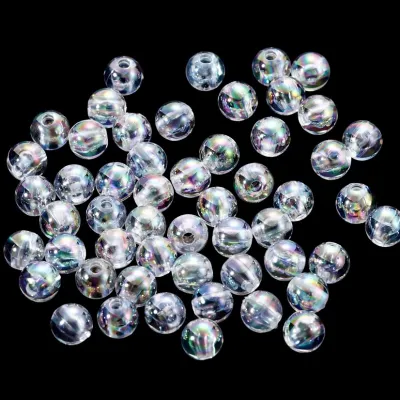
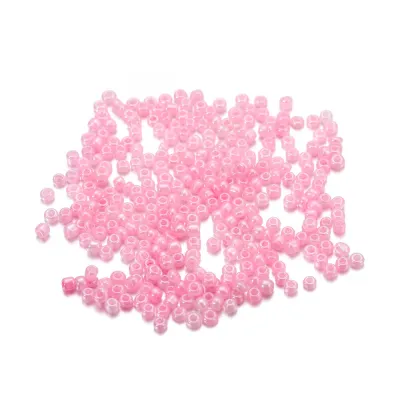
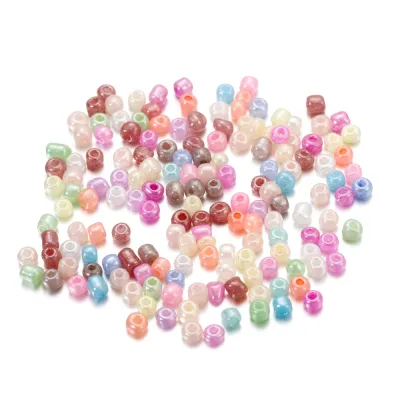
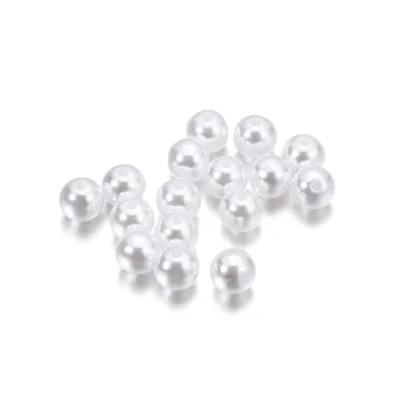
Prices are valid at publication and may change. Please refer to the product page for the latest price.
The physical weight of your chosen beads directly dictates the type of stringing material required to support the finished piece. Heavy materials like solid glass, metal, and natural gemstones exert constant tension on threads and wires, which can lead to stretching or sudden breakage if the support material is inadequate. Conversely, lightweight materials like acrylic, wood, and hollow plastics exert minimal tension, allowing for the use of delicate elastics or fine nylon threads. Balancing this weight-to-strength ratio is the foundation of durable jewelry construction.
Seed Beads and Micro Beads
Seed beads and micro beads are the foundation of intricate bead weaving, loom work, and detailed embroidery. These tiny beads are categorized using the aught sizing system, which is expressed as a number followed by a slash and a zero (for example, 6/0, 8/0, 11/0, or 15/0). In this system, the larger the number, the smaller the physical bead. For instance, an 11/0 seed bead is significantly smaller than a 6/0 bead; understanding this inverse relationship is crucial when planning the scale and detail of your project.
Working with these miniature components requires specialized tools, specifically fine beading needles and high-tensile threads. Standard sewing needles are typically too thick to pass through the tiny holes of seed beads, especially when multiple thread passes are required for complex weaving patterns. Specialized nylon or polyethylene threads are engineered to resist fraying and stretching while remaining thin enough to slide easily through the smallest bead apertures without splitting.
When purchasing seed beads in bulk, verifying colorfastness and dye lot consistency is paramount. Many budget-friendly seed beads feature dyed or galvanized finishes that can rub off during handling or fade when exposed to sunlight and skin oils. To prevent ruined projects, test a small sample by rubbing the beads vigorously with a damp cloth or soaking them in warm water before committing to a large production run. Additionally, check for shape uniformity, as lower-grade bulk seed beads often contain a high percentage of deformed or clogged pieces that must be culled during the crafting process.
Pony Beads, Crow Beads, and Large-Hole Varieties
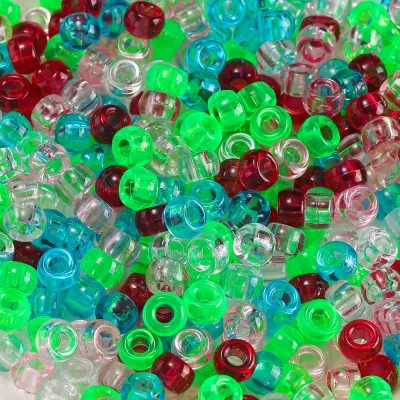
Pony beads, crow beads, and other large-hole varieties are characterized by their generous inner diameters, which typically range from two to four millimeters. This spacious opening makes them exceptionally compatible with thick stringing materials such as leather cords, cotton twine, hemp, and heavy elastic bands. Because they do not require specialized needles or fine motor precision to thread, these beads are highly popular for educational crafts, beginner projects, and structural designs like keychains and hair ornaments.
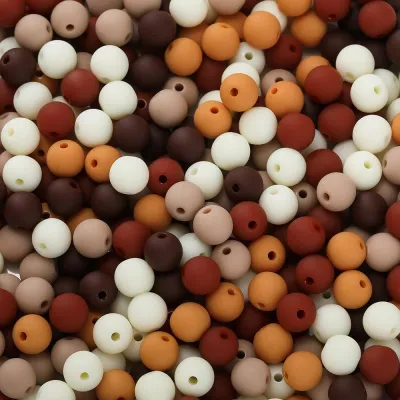
These beads are commonly manufactured from plastic, acrylic, or wood, offering a lightweight alternative to glass and metal. Acrylic and plastic pony beads are highly resistant to moisture and impact, making them suitable for casual, everyday accessories. Wooden varieties provide a rustic, organic aesthetic but require careful inspection to ensure the inner holes are smooth and free of splinters that could snag or wear down the stringing cord over time.
While excellent for structural and casual crafts, large-hole beads are generally unsuitable for delicate, high-end, or heavy-wear jewelry. Their bulky profile and visible seam lines—often present on molded plastic varieties—can detract from a refined aesthetic. Furthermore, the lightweight nature of plastic and acrylic means these beads lack the substantial drape and premium feel expected in formal jewelry pieces, making them best reserved for casual, novelty, or utility items.
Gemstone, Glass, and Metal Beads
Gemstone, glass, and metal beads represent the premium tier of jewelry-making components, valued for their rich colors, natural variations, and substantial weight. Because these materials are significantly heavier than plastic or wood, they require careful weight distribution planning. Statement necklaces or heavy bracelets made from these materials must be constructed using multi-strand stainless steel beading wire or reinforced nylon threads to prevent sagging and ensure the piece maintains its intended shape over time.
One of the most common challenges when working with natural gemstone beads is the irregularity of their drilled holes. Unlike machine-made glass or metal beads, natural stones are often drilled manually or with variable equipment, resulting in smaller, off-center, or slightly tapered holes. When purchasing gemstone beads in bulk, it is essential to verify the minimum hole diameter specified by the supplier to ensure your intended wire or thread can pass through every single bead in the batch.
Additionally, the drilling process for hard materials like glass, metal, and stone can leave sharp, abrasive edges inside the bead holes. These hidden edges act like tiny blades, gradually sawing through nylon threads or elastic cords as the jewelry moves against the wearer’s skin. To mitigate this risk, inspect the entry and exit points of the holes, and consider using bead reamers to smooth out rough interiors, or insert soft metal spacer beads to act as protective buffers between abrasive surfaces and delicate threads.
Matching Bulk Beads to Specific Jewelry Projects
To achieve professional results, you must align the physical properties of your bulk beads with the specific mechanical demands of the finished jewelry piece. Different projects subject beads to varying levels of friction, tension, and environmental exposure.

For bracelets, durability and flexibility are the primary considerations. Elastic cord bracelets are highly popular for their ease of wear, but they require lightweight to medium-weight beads with smooth, non-abrasive holes to prevent the elastic from snapping. If you are designing heavy gemstone or metal bracelets, it is safer to use nylon-coated steel wire secured with crimp beads and a reliable clasp system rather than relying on elastic. The constant movement of the wrist also means bracelet beads must have highly durable finishes that can withstand friction against desks, clothing, and skin.
Necklaces offer more freedom in terms of weight, but they require careful planning regarding drape and balance. Heavy focal beads should be positioned strategically, often at the center of the piece, to prevent the necklace from pulling uncomfortably or sitting awkwardly on the collarbone. Lighter spacer beads, such as small glass beads or metal rounds, can be placed between heavier elements to improve flexibility and ensure the necklace contours smoothly around the neck. The overall length of the necklace will dictate the strength of the clasp and stringing wire needed to support the cumulative weight.
Embroidery and fabric embellishment demand low-profile, lightweight beads that will not weigh down or distort the underlying textile. Flat-back beads, small seed beads, and delicate sequins are ideal for this application because they sit flush against the fabric surface. Using heavy or bulky beads on garments can cause the fabric to sag, pucker, or tear under the weight. Additionally, ensure that any beads used on clothing are colorfast and resistant to the heat and moisture of laundering or dry cleaning.
| Project Type | Recommended Bead Categories | Minimum Hole Size | Compatible Stringing Materials |
|---|---|---|---|
| Elastic Bracelets | Acrylic, lightweight glass, smooth wood | 0.8 mm to 1.2 mm | Polyurethane elastic cord, silicone thread |
| Statement Necklaces | Gemstones, heavy glass, cast metal | 1.0 mm | Nylon-coated stainless steel wire (49-strand) |
| Beaded Embroidery | Seed beads (11/0 to 15/0), flat-backs | 0.5 mm | Fine nylon beading thread, bonded polyester |
| Casual/Utility Crafts | Pony beads, wooden beads, crow beads | 2.0 mm to 4.0 mm | Leather cord, hemp twine, thick elastic |
Essential Checks Before Buying Beads in Bulk
Purchasing beads in bulk is a significant investment, often costing hundreds or thousands of pesos (₱), making it crucial to perform several quality and compatibility checks before finalizing your order. The most common source of frustration for crafters is receiving a large shipment of beads only to discover they cannot be threaded onto their existing supplies.
First, always verify the exact millimeter measurements of both the bead’s outer diameter and its inner hole size. Do not rely on visual estimates from product photos, which can be highly misleading due to close-up macro photography. Compare the manufacturer’s specified hole size against the decimal millimeter thickness of your stringing wire or thread. As a general rule, your stringing material should be at least 0.1 mm to 0.2 mm thinner than the bead hole to allow for easy threading, and even thinner if you plan to make multiple passes through the same bead.
To avoid under-ordering or over-ordering, use a simple mathematical formula to estimate the quantity of beads required for your production run. First, convert your target project length into millimeters (multiply inches by 25.4). Divide this total length by the outer diameter of a single bead to find the baseline quantity needed. For example, if you want to create a 180 mm bracelet using 8 mm beads, the calculation is 180 divided by 8, which equals 22.5 beads. Always round up and add a 10% to 15% safety margin to account for defective beads, dropped pieces, or design adjustments.
Batch consistency is another critical risk when buying in bulk. Dye lots can vary significantly between manufacturing runs, meaning beads ordered today may not perfectly match the color of the same beads ordered next month. If you are producing a cohesive collection, try to purchase the entire required quantity in a single order to ensure color uniformity. Before committing to a massive purchase, ask the supplier if they offer small sample packs, or review their return and exchange policies regarding color discrepancies and defective rates.
Finally, plan for proper storage before your bulk shipment arrives. In tropical climates with high relative humidity, such as the Philippines, improper storage can quickly ruin your inventory. Moisture can cause metal beads to tarnish, wooden beads to warp or mold, and certain bead finishes to become sticky or peel. Store your bulk beads in airtight plastic organizers or clear jars, and place silica gel packets inside each compartment to absorb excess moisture. Keeping your inventory organized by size, color, and material type will also streamline your crafting process and prevent duplicate purchases.
Frequently Asked Questions (FAQ)
How do I calculate how many bulk beads I need for a bracelet?
To calculate the number of beads required for a single bracelet, use the following formula: divide your target bracelet length (including a small ease allowance for comfort) by the outer diameter of the bead. For example, if your target wrist circumference is 170 mm and you add a 10 mm ease allowance for a total length of 180 mm, and you are using 6 mm beads, you will divide 180 by 6 to get 30 beads. Remember to subtract the physical length of your clasp, jump rings, and crimp beads from your total target length before performing this calculation, as these components will reduce the actual beaded area.
Can I mix different bulk bead materials in one project?
Yes, you can mix different bead materials, but you must account for physical and mechanical compatibility. Combining heavy gemstone or glass beads with lightweight acrylic or wooden beads can create weight imbalances that cause the finished piece to drape unevenly or twist awkwardly when worn. Additionally, hard, sharp materials like cut glass can rub against softer materials like wood or plastic, causing surface scratches or wearing down the stringing cord. When mixing materials, ensure that any sharp edges are buffered with smooth metal spacer beads, and test the colorfastness of dyed materials to prevent colors from bleeding onto adjacent porous beads.
Community discussion
Share your experience or ask a question. Comments are reviewed before publication.