
Choosing the right clay slime depends entirely on whether you want to sculpt semi-permanent figures, enjoy quiet stress relief, or experience satisfying auditory feedback. Clay slime bridges the gap between traditional modeling clay and classic liquid slime, combining the hold of the former with the stretch of the latter. Because different formulations behave uniquely under varying environmental conditions, matching the texture to your specific goals ensures a satisfying tactile experience without unexpected mess.
Identify Your Primary Use Case and Sensory Preferences
Before browsing online marketplaces or local craft stores, clarify what you want to achieve with your clay slime. If your goal is active crafting, you need a material that holds its shape and cures cleanly. For passive stress relief during long study or work hours, a soft, low-resistance texture that you can knead mindlessly is more appropriate. Those seeking sensory stimulation often prefer auditory feedback, which requires a textured slime that produces pops and crunches when squeezed.
Tactile preferences vary widely. Some users enjoy high elasticity, where the slime can stretch across a wide span without tearing. Others prefer smooth spreadability, resembling the sensation of spreading frosting. You should also consider your tolerance for stickiness and residue. In warm, humid tropical climates, such as in the Philippines, slimes can become sticky more quickly, making residue-free formulations highly desirable for those who dislike cleaning their hands or play surfaces after every session.
Products mentioned in this guide
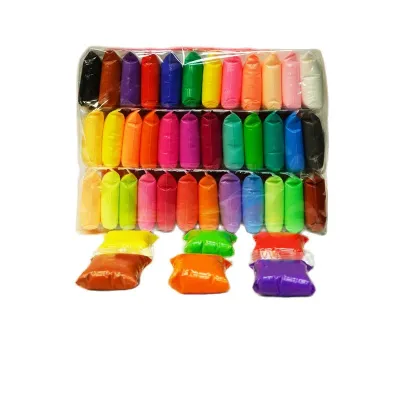
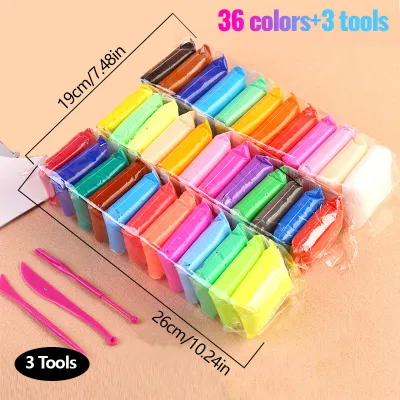
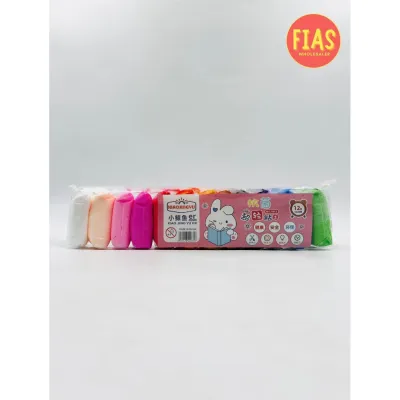


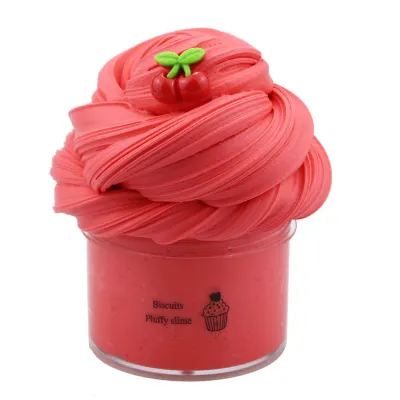
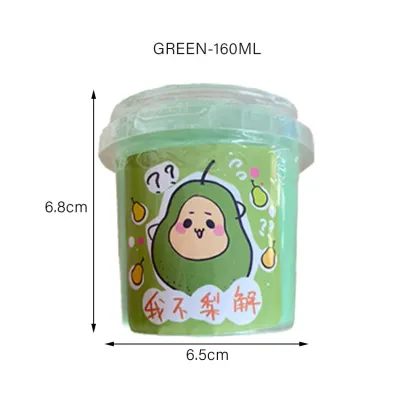
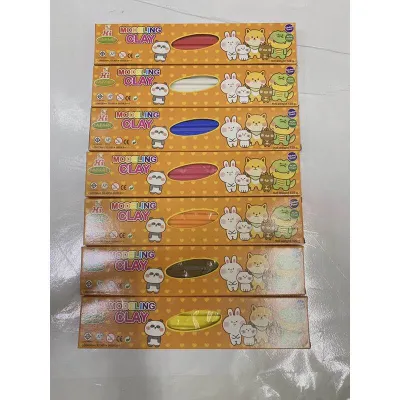
Prices are valid at publication and may change. Please refer to the product page for the latest price.
Match Slime Textures to Your Diagnosed Needs
Clay slimes generally fall into distinct categories based on their ingredients and physical properties. While individual brand formulations and storage conditions heavily influence the final texture, understanding these core categories helps narrow down your choices.

Stretchy and Moldable Clay Slime for Crafting and Sculpting
Stretchy and moldable clay slimes are designed for users who want to create physical objects or enjoy highly elastic play. These slimes contain a higher ratio of lightweight air-dry clay, giving them a denser, more substantial feel than standard slimes. When handled, they offer moderate resistance, making them excellent for hand-strengthening exercises and active pulling.
If you plan to use this slime for semi-permanent crafts or miniature figurines, verify its shape retention and drying characteristics. High-quality moldable slimes should hold fine details when pressed into silicone molds or sculpted by hand. Over a period of 24 to 48 hours exposed to air, these creations typically cure into a lightweight, foam-like solid. However, if you intend to reuse the slime repeatedly, you must store it in an airtight container immediately after play to prevent it from hardening.
Before purchasing, observe the elasticity limits of the product. A well-balanced moldable slime stretches smoothly when pulled slowly but tears cleanly when yanked quickly. This dual behavior allows you to sculpt distinct parts, tear them apart, and join them back together without leaving messy, stringy trails.
Butter Slime for Smooth Stress Relief and Spreading
Butter slime is a popular variant created by blending a smooth clay, such as lightweight polymer or air-dry clay, into a soft slime base. The result is a matte, buttery texture that is incredibly soft to the touch. This type is highly suited for low-resistance sensory play and quiet relaxation, as it requires very little physical effort to manipulate.
The defining characteristic of butter slime is its spreadability. You can spread it flat across a table or play mat using your fingers or toy clay knives, creating a smooth, satisfying surface. Because it is designed for kneading and spreading rather than holding shape, butter slime will not support standing 3D sculptures; any shapes you mold will gradually sag and flatten over time.
When selecting a butter slime, check user descriptions for potential residue. Some formulations use oils or specific clay types that can leave a greasy or powdery film on your hands, wooden desks, or plastic mats. High-quality butter slimes should leave your hands feeling clean and dry after play, making them a convenient option for quick stress-relief breaks at your desk.
Floam Slime for Crunchy Sensory Exploration
Floam slime incorporates small polystyrene beads into a clay-infused slime base, creating a highly textured, bumpy material. This variant is designed specifically for auditory and tactile sensory exploration. Squeezing, stretching, and pressing floam produces a distinct crunching sound and a bubbly texture that many find deeply satisfying.
A key factor to evaluate when choosing floam is bead retention. Lower-quality floams often suffer from bead shedding, where the tiny foam beads detach from the slime base during play and scatter across your floor or furniture. To avoid a difficult cleanup, look for formulations where the base slime is sticky enough to hold the beads securely without feeling overly tacky to your fingers.
Additionally, the presence of foam beads increases the surface area of the slime, which can accelerate drying. Exposed beads allow air to penetrate the mixture more easily, meaning floam slime generally has a shorter lifespan than smooth clay slimes. To maximize its usability, keep play sessions reasonable and store the floam in a tightly sealed container away from direct sunlight and drafts.
Practical Checks Before You Buy
To ensure a safe and satisfying experience, perform a few practical checks before finalizing your purchase. First, review the ingredient labels carefully. Because clay slime involves prolonged body contact, look for non-toxic certifications and check for common allergens or skin irritants, especially if the slime is intended for young children or individuals with sensitive skin.
Second, examine the product packaging. In humid environments, poor packaging can lead to moisture loss or mold growth during transit. Ensure the slime comes in a sturdy, airtight plastic tub with a secure lid rather than a simple plastic bag. This packaging not only protects the product during shipping but also serves as its permanent storage container.
Finally, verify the seller’s return or replacement policy. Slime is highly sensitive to temperature fluctuations during transit, and batches can occasionally arrive dried out, melted, or separated. Purchasing from reputable sellers who offer clear resolution paths for defective items protects your investment.
Frequently Asked Questions (FAQ)
How do I fix clay slime if it becomes too sticky?
Clay slime can become sticky or melted due to warm storage conditions or high humidity. To restore its firm texture, you can gradually add a standard slime activator. A common household activator is a diluted borax solution (typically one teaspoon of borax powder dissolved thoroughly in one cup of warm water) or contact lens solution mixed with a pinch of baking soda.
Add the activator in very small amounts—just a few drops at a time—and knead the slime thoroughly after each addition. Kneading distributes the activator evenly throughout the clay mixture. Avoid pouring large amounts of activator directly onto the slime, as over-activating will make the material rubbery, stiff, and prone to tearing, stripping away its signature stretchiness.
Can I mix different types of clay slime together?
While you can physically mix different types of clay slime, doing so will permanently alter the physical properties of both. For example, combining a crunchy floam with a smooth butter slime will result in a semi-crunchy, semi-spreadable hybrid. Once mixed, these materials bond completely and cannot be separated back into their original forms.
If you want to experiment with custom textures, always test the combination using a small pinch of each slime first. This trial allows you to observe how the different bases react to one another. Occasionally, mixing incompatible formulations can cause the slime to degrade, turn watery, or lose its elasticity entirely, so a small-scale test prevents you from ruining two full batches.
Community discussion
Share your experience or ask a question. Comments are reviewed before publication.