
Choosing the right coloring materials set depends entirely on how you plan to use it. A set that excels in a professional illustration studio might be frustrating for a young learner, just as basic school supplies won’t satisfy an adult colorist seeking smooth blending. To find your ideal match, you must evaluate how different mediums interact with your paper, your workspace, and your creative goals. By understanding the unique properties of markers, colored pencils, and crayons, you can select a set that feels natural to use and delivers the exact visual results you want.
Every coloring medium behaves differently depending on environmental factors like humidity and paper quality. In tropical climates, high humidity can soften paper fibers and slow down ink drying times, making the choice of materials even more critical. Whether you are budgeting ₱300 for a student kit or investing upwards of ₱3,000 for a professional-grade collection, matching the tool to the task ensures you do not waste money on materials that bleed, smudge, or break under pressure.
Identifying Your Primary Coloring Scenario
Before browsing online marketplaces or stationery aisles, define your primary coloring environment and goals. Casual school projects, adult relaxation, and professional illustration each demand different tool characteristics. A student working on a poster board needs fast-drying, high-visibility colors that cover large areas quickly. An adult colorist focusing on intricate mandalas requires fine control, smooth layering, and comfortable ergonomics for long sessions.
Products mentioned in this guide
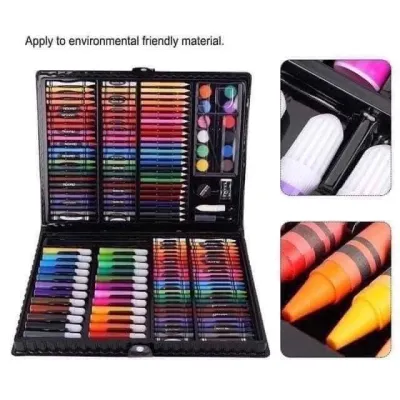
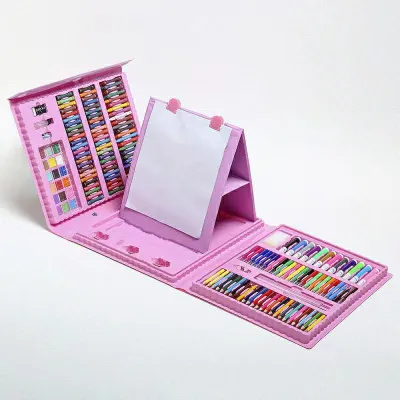
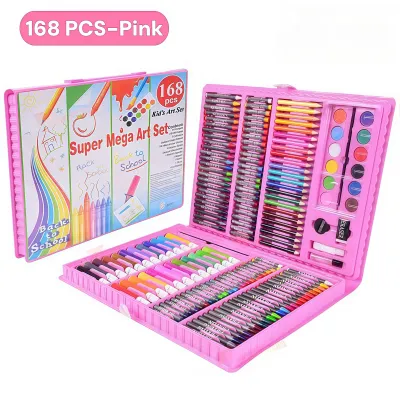
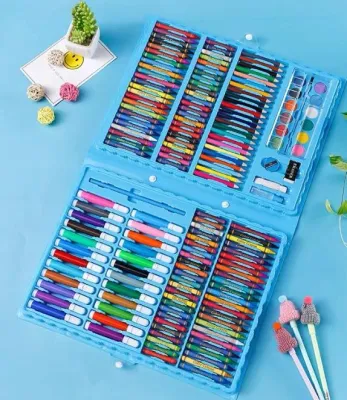
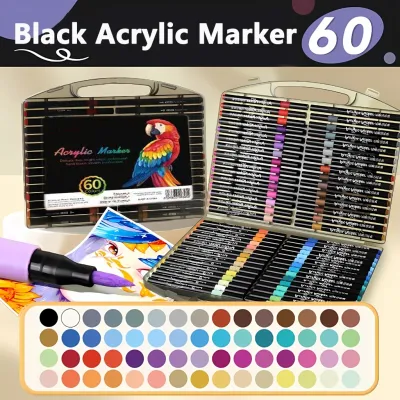
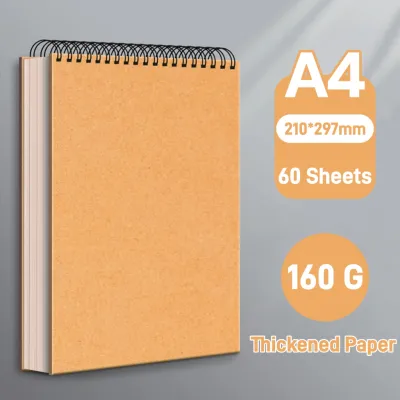
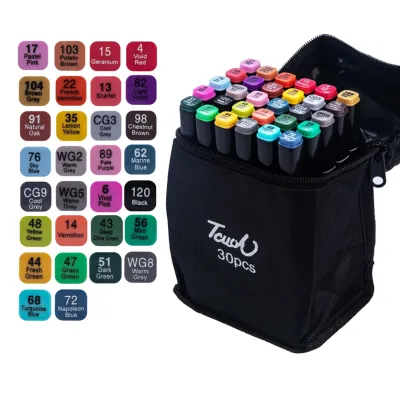
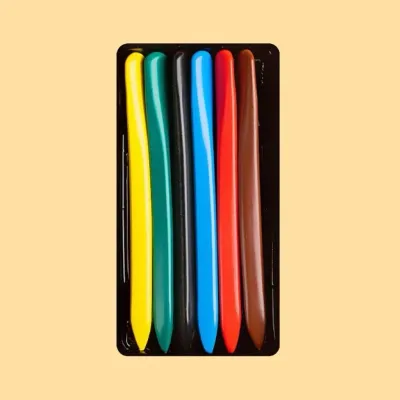
Prices are valid at publication and may change. Please refer to the product page for the latest price.
User age and physical development also dictate the best choice. Young children who are still developing their fine motor skills and grip strength benefit from thicker, break-resistant tools that do not require precise pressure. Conversely, older students and hobbyists can handle delicate, thin-lead pencils or flexible brush tips that respond to subtle changes in hand pressure.
Workspace constraints and portability should also influence your decision. If you plan to color during your daily commute, at a local café, or in a classroom, you need a highly portable set with secure packaging that prevents spills. Desk-bound artists can opt for larger, multi-tiered sets that remain stationary. Additionally, consider how local humidity might affect your workspace; highly humid environments can make heavy watercolor washes or slow-drying inks difficult to manage without specialized paper.
Markers: Vibrant Coverage for School and Design
Marker sets are unmatched when you need bold, saturated color and rapid coverage. They are the go-to choice for school posters, hand lettering, and graphic design layouts. Because markers lay down liquid ink, they create flat, vibrant fields of color that make illustrations pop. However, their performance depends heavily on the tip style and ink chemistry you select.

Tip shape determines your line control and versatility. Fine tips are excellent for precise outlines and writing, while broad chisel tips allow you to fill large background areas quickly. Brush tips offer the most flexibility, mimicking a traditional paintbrush to create variable line widths based on your hand pressure. Many modern sets feature dual tips, combining a fine point on one end and a brush or chisel on the other to give you the best of both worlds.
Ink type is another critical specification to verify. Water-based markers are generally low-odor, washable, and less likely to bleed through standard notebook paper, making them ideal for school environments. Alcohol-based markers are favored by designers and illustrators because they dry almost instantly and blend smoothly without warping the paper. However, alcohol inks are permanent, have a stronger odor, and will easily bleed through thin sheets.
Because smoothness, drying speed, and bleed resistance depend on the exact combination of ink and paper, you should always perform an observable trial. Before starting a major project, test your markers on a small scrap or a hidden corner of your paper. Watch how quickly the ink dries to avoid smudging, and check the reverse side of the page to ensure the ink does not bleed through and ruin subsequent sheets.
Colored Pencils: Precision and Control for Detailed Work
For detailed illustrations, soft shading, and adult coloring books, colored pencil sets offer unparalleled precision. Unlike markers, pencils allow you to build color gradually through layering, giving you complete control over gradients and highlights. They are clean, highly portable, and do not pose a risk of ink stains or bleed-through.
The core binder material defines how the pencil behaves on paper. Wax-based pencils have a soft, creamy texture that makes blending and layering effortless. However, they are prone to breaking under heavy pressure and can develop “wax bloom”—a cloudy white film that rises to the surface over time, especially in warm, humid conditions. Oil-based pencils feature a harder core that holds a sharp point much longer, making them excellent for fine details, though they require more effort to layer and blend.
Lead hardness is a key specification to check based on your drawing style. Soft-core pencils lay down rich, vibrant pigment with minimal hand pressure, but they require frequent sharpening. Hard-core pencils are highly durable and perfect for crisp outlines, but they can scratch the paper if you try to force deep color saturation. Choosing between them is a trade-off between vibrant coverage and lasting detail.
Ergonomics play a vital role during extended coloring sessions. Round barrels are traditional, but hexagonal or triangular barrels provide a more secure grip and prevent the pencils from rolling off your desk. Look for sets with comfortable coatings or slightly thicker barrels if you experience hand fatigue while drawing.
Crayons: Safe and Textured Options for Early Learners
Crayons are the classic choice for early childhood development, offering a tactile and highly textured coloring experience. They are ideal for young children who are exploring color recognition and basic motor skills. Because crayons require physical pressure to transfer their wax pigment, they help build hand strength and coordination in early learners.
Safety is the most important factor when choosing a crayon set for children. Always verify that the packaging carries a recognized non-toxic certification, such as the AP (Approved Product) seal. This ensures the materials are safe for prolonged skin contact and accidental ingestion. Additionally, look for washable formulas that allow easy clean-up from skin, clothing, and household walls using just warm water and mild soap.
Crayon form factors should match the child’s developmental stage. Standard thin crayons can easily snap in half under the enthusiastic grip of a toddler. For small hands, jumbo-sized crayons are much easier to hold and far more durable. Triangular-shaped crayons are another excellent option, as they naturally guide fingers into a proper writing grip and prevent the crayons from rolling off school desks.
Cross-Scenario Compatibility: Can One Set Do It All?
If you have diverse creative interests, you might wonder if a single hybrid set can handle all your projects. Multi-tool sets and versatile mediums can bridge the gap between different styles. For example, watercolor pencils function as standard colored pencils for dry detail work, but they transform into vibrant paint washes when you sweep a wet brush over your lines.
However, hybrid sets come with distinct trade-offs. A watercolor pencil will not blend as smoothly in its dry state as a dedicated wax-based colored pencil, and dual-tip markers may run out of ink faster than single-tip alternatives because the ink reservoir must feed two points. While a versatile starter kit is excellent for exploring different techniques, it may not satisfy the performance demands of specialized, single-medium projects.
If you are a beginner, starting with a general, high-quality mixed-media set is a practical way to discover which medium you enjoy most. Once you find yourself consistently reaching for one specific tool—such as pencils for shading or markers for bold designs—you can upgrade to a dedicated, professional-grade set of that specific medium to unlock better blending, richer pigments, and superior durability.
Key Specs to Check Before Buying
When evaluating a coloring materials set online or in-store, look past the eye-catching packaging and focus on practical specifications. First, consider the color count versus actual usability. A massive 120-piece set might look impressive, but it often contains duplicate shades or highly similar colors that you will rarely use. A well-curated 24- or 36-piece set with distinct, highly usable tones is often more practical and easier to manage than an oversized collection.
If you plan to display or sell your finished artwork, check the packaging for lightfastness ratings. Lightfastness indicates how well the pigment resists fading when exposed to sunlight over time. Professional-grade colored pencils and markers clearly display these ratings on the barrel or packaging, whereas student-grade sets typically do not offer this protection.
Sustainability and long-term costs are also worth verifying. Check if the manufacturer offers individual replacements or refills for the colors you use most frequently. For markers, look for refillable ink bottles and replaceable nibs. For colored pencils, ensure you can purchase single replacement pencils so you do not have to buy an entirely new set just because your favorite blue has been sharpened down to the stub.
Finally, evaluate the included storage solution. A flimsy cardboard box will quickly fall apart, leading to lost or damaged tools. Look for sets housed in durable tin cases, zippered fabric binders, or tiered plastic trays. A good storage case keeps your workspace organized, protects your tools from physical damage, and shields them from dust and humidity when not in use.
Frequently Asked Questions (FAQ)
How do you keep markers from drying out?
To maximize the lifespan of your marker set, always store dual-tip markers horizontally. This keeps the ink evenly distributed between both ends, preventing one tip from drying out while the other becomes oversaturated. Always press the caps on firmly until you hear a distinct click to seal out air, and keep your markers stored away from direct sunlight and heat sources.
What paper works best to prevent marker bleed-through?
To prevent ink from bleeding through, use heavy-weight paper with a high GSM (grams per square meter) rating, typically 200 GSM or higher. For alcohol-based markers, look for specialized bleed-proof marker paper, which features a coated backing that stops ink from penetrating the sheet. Always test a small corner of your paper before starting your project to verify its compatibility with your markers.
How can you blend colored pencils smoothly?
To achieve smooth gradients, apply multiple light layers of color instead of pressing down hard all at once, which can flatten the paper texture and cause wax buildup. You can use a colorless blender pencil or a paper blending stump to soften transitions. For wax-based pencils, a tiny amount of solvent or baby oil applied with a cotton swab can dissolve the binder to create a seamless, paint-like blend.
Community discussion
Share your experience or ask a question. Comments are reviewed before publication.