
Choosing the right Deli scented pen variant depends on matching the ink type, tip size, and scent intensity to your specific task—whether that is long study sessions, detailed journaling, or creative crafting. In tropical climates like the Philippines, where high humidity can affect ink drying times and scent dispersion, selecting the correct pen format ensures your pages remain clean, legible, and delightfully fragrant. By evaluating how you write and the paper you use, you can easily find a variant that enhances your daily stationery experience.
Quick Match Guide: Finding Your Ideal Deli Scented Pen
Finding the right pen requires looking at how you work and what you want to achieve on the page. Different writing tasks demand different ink behaviors and scent levels. A pen that is perfect for a quick, colorful craft project might easily smudge during a rapid-fire lecture or overwhelm your senses during a late-night study session. Matching your primary activity to the correct pen characteristics saves time and prevents ruined pages.
To simplify your selection, consider these common writing scenarios and their ideal pen matches:
Products mentioned in this guide
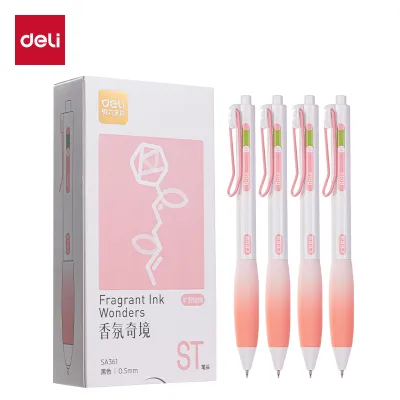
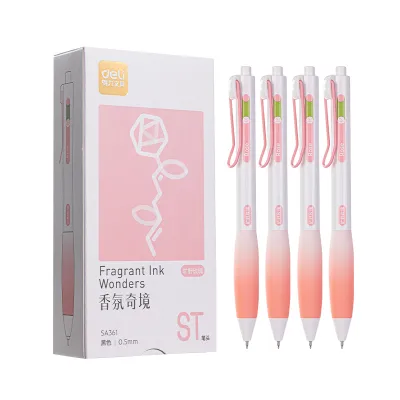
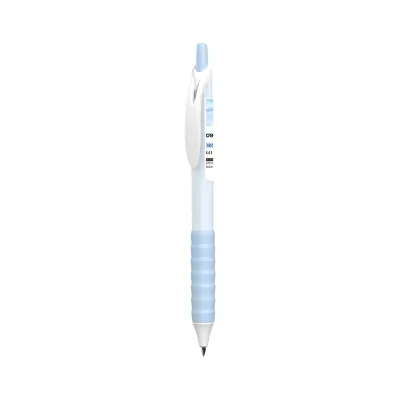
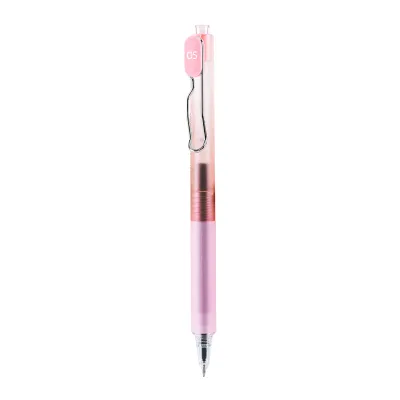
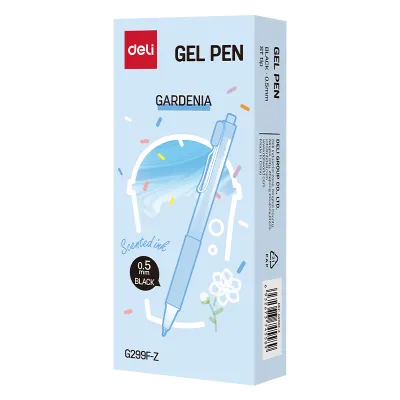
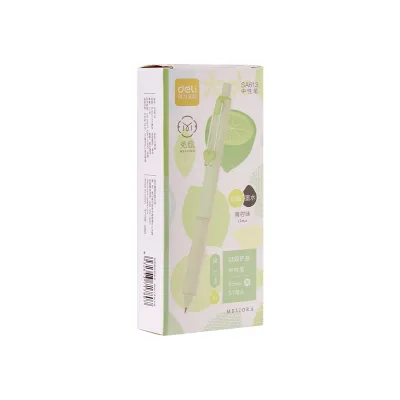
Prices are valid at publication and may change. Please refer to the product page for the latest price.
- Detailed Journaling: This activity benefits from fine-tip gel pens (0.5mm or smaller) that allow for neat, compact handwriting. Opt for mild, calming scents like light floral or soft fruit profiles that remain pleasant over long writing sessions without becoming distracting.
- Rapid School Notes: Students need reliable, fast-drying ink to keep up with lectures. Medium-tip retractable gel pens or ballpoint variants with refreshing citrus scents help maintain focus and prevent smudging as you flip pages quickly.
- Large-Scale Crafting: Creative projects, poster making, and card decorating call for bold colors and thicker tips (0.7mm to 1.0mm). Rich, dessert-like scents add a fun, sensory layer to your art, making the creative process even more engaging.
When browsing online marketplaces or local stationery aisles, pay close attention to the packaging keywords. Look for terms such as “Quick-Drying,” “Retractable,” “Super Smooth,” or specific scent collections like “Fruit Series” or “Sweet Shop.” These indicators help you quickly identify the pen’s primary design focus.
Keep in mind that general recommendations are excellent starting points, but actual performance can vary. Scent formulas, ink viscosity, and casing designs can change slightly between production runs. It is always wise to verify the specific batch details on the packaging or check recent user feedback regarding the exact variant you plan to purchase.
Matching Scent Profiles to Your Daily Tasks
The fragrance of a scented pen does more than just make your notebook smell pleasant; it actively shapes your writing environment. Scent intensity plays a major role in how comfortable you feel during prolonged use. A strong, sugary fragrance that feels delightful for a two-minute greeting card inscription can easily become overwhelming during a three-hour exam preparation session in a closed room.

Scent profiles generally fall into three major categories, each suited to different tasks and moods:
- Fruity Scents (Citrus, Green Apple, Grape): These bright, crisp fragrances are widely associated with alertness and energy. They are excellent for morning planning, active brainstorming sessions, and high-focus note-taking.
- Floral Scents (Lavender, Jasmine, Rose): Softer and more subtle, floral notes promote relaxation and stress relief. They are ideal for evening journaling, creative writing, or winding down after a busy day.
- Dessert Scents (Chocolate, Vanilla, Caramel): These rich, sweet fragrances are highly indulgent and fun. They are best reserved for short crafting sessions, scrapbooking, or decorating gifts where the scent acts as a playful highlight.
If you plan to use your pens in shared spaces, such as classrooms, open offices, or small study cubicles, consider your surroundings. Heavily scented pens can sometimes bother nearby classmates or colleagues who have sensitive noses or allergies. In these environments, look for low-odor or mildly scented variants that keep the fragrance close to the paper rather than dispersing it widely into the air.
Evaluating Pen Formats and Tip Types for Your Medium
The physical format of the pen and the shape of its tip determine how the ink flows onto your paper. Scented pens are typically available in either gel ink or ballpoint formats, and choosing between them changes your entire writing experience. Gel ink uses water-based pigments that deliver incredibly vibrant, opaque colors and a smooth glide, but they require a moment to dry. Ballpoint ink is oil-based, drying almost instantly and offering excellent water resistance, though it generally requires more writing pressure and provides less intense color saturation.
Tip sizes dictate the precision of your lines and how much ink is deposited onto the page:
- Fine Tips (0.35mm to 0.5mm): These are the gold standard for tight planner layouts, small handwriting, and intricate line drawings. They release less ink, which helps the page dry faster and minimizes the risk of bleeding.
- Medium Tips (0.7mm): Offering a balanced flow, medium tips are highly versatile for everyday writing, letter drafting, and general note-taking. They provide a smoother glide than fine tips while keeping your writing highly legible.
- Bold and Brush Tips (1.0mm and above): Best suited for hand lettering, coloring, and creating bold headers. These tips lay down a generous amount of ink, maximizing both color vibrancy and scent release, but they require sturdier paper.
Paper compatibility is a crucial factor, especially in humid tropical environments where paper fibers naturally absorb moisture from the air. Standard 70gsm school notebook paper or cheap pad paper is highly porous and prone to feathering, ghosting, or complete bleed-through when used with wet gel inks. If you prefer wet, highly scented gel pens, pair them with thicker paper (80gsm to 120gsm) or coated notebook pages. Always perform a quick test on an inconspicuous corner of your notebook to see how the paper handles the ink flow before committing to a full page of writing.
Assessing Color Range and Ink Performance
Before investing in a large set of scented pens, evaluate how many colors you actually need for your daily routine. If you use a systematic color-coding method for your studies or work—such as using blue for main concepts, green for examples, and red for urgent deadlines—a multi-pack of 6 to 12 colors is highly practical. However, if you primarily write long-form journal entries or essays, a simple black or blue scented pen might be all you need to keep your pages looking clean and professional while enjoying a subtle fragrance.
Ink performance is about more than just color; it is about durability. When examining product labels, look for key performance indicators that match your needs. If you are creating keepsakes, scrapbooks, or journals that you want to preserve for decades, look for “acid-free” or “archival-quality” labels to ensure the ink will not yellow or fade over time. For everyday school and office work, smudge resistance is often the most critical factor, especially for left-handed writers who slide their hands across freshly written lines.
Because ink formulas behave differently depending on local humidity and paper quality, a practical testing strategy is highly recommended. Instead of purchasing a massive, expensive multi-pack right away, try to buy a single pen or a small three-pack first. Use this trial set to run a few simple, observable tests at home:
- The Smudge Test: Write a line of text and swipe your finger across it after one, three, and five seconds to determine the exact drying time on your favorite paper.
- The Water Test: Let a written line dry completely, then place a single drop of water on it to see if the ink runs or remains legible.
- The Scent Longevity Test: Write a paragraph, close your notebook, and open it the next day to check if the fragrance lingers on the page or dissipates quickly.
Pre-Purchase Checklist and Specification Verification
To ensure you get the best value and a safe writing experience, run through a quick verification checklist before finalizing your purchase. Scented stationery is a delight to use, but taking a few moments to verify the product specifications prevents disappointment and ensures your pens perform beautifully from the very first stroke.
Use this checklist to guide your next purchase:
- Check Safety Certifications: Always look at the packaging for recognized non-toxic labels, such as ASTM D-4236 or EN71. These certifications ensure the ink and scent additives meet strict safety standards, which is especially important for younger students.
- Verify the Manufacturing Date: Scented compounds are naturally volatile and will slowly evaporate over time, even inside sealed packaging. Look for a manufacturing or batch date on the box; choosing a fresher batch ensures the scent will last much longer once you start using the pens.
- Compare Costs in ₱: Scented pens are generally budget-friendly, but prices can vary. Individual pens typically cost between ₱15 and ₱30, while multi-packs can range from ₱100 to ₱350 depending on the tip type and color count. Calculate the price per pen to determine if a bulk set offers genuine savings for your writing volume.
- Confirm Seller Authenticity: When shopping on online marketplaces, buy from official brand stores or highly rated authorized distributors. Check customer reviews to confirm that other buyers received genuine, fresh stock rather than older, dried-out pens.
- Review the Return Policy: Ensure the seller offers a clear return or replacement policy in case your pens arrive damaged, leaking, or dried out due to improper storage during transit.
Frequently Asked Questions (FAQ)
Do scented pens dry out faster than regular pens?
Scented pens can sometimes dry out slightly faster than standard pens because the fragrance additives often contain volatile organic compounds that evaporate more readily. When these compounds escape, they can drag moisture out of the ink formula, leading to clogging or a scratchy writing experience.
To maximize the lifespan of your pens, store them horizontally on your desk so the ink remains evenly distributed along the barrel. If you are using gel variants, storing them vertically with the tip pointing downward can also prevent air pockets from forming. Always click retractable pens closed or push caps on tightly until you hear a distinct click immediately after you finish writing.
If a pen does begin to skip or dry out, you can often revive it using safe, simple methods. Try scribbling in rapid, tight circles on a scrap piece of rough paper or cardboard to friction-warm the ballpoint. For gel pens, gently rolling the pen barrel between your palms for a minute or dipping the plastic tip in warm water for five seconds can help loosen any dried ink blockages without damaging the pen body.
Are scented pens safe for young children?
Scented pens are generally safe for school-aged children, provided they carry clear non-toxic certifications like ASTM D-4236 or EN71 on the packaging. These standards guarantee that the ink and fragrance formulations do not contain harmful chemicals. However, because these pens smell like delicious fruits or sweet desserts, they present unique temptation risks for very young children.
Toddlers and preschool-aged children may be tempted to lick the ink, chew on the pen tips, or draw directly on their skin to smell the fragrance. Accidental ingestion of ink or small parts, such as removable pen caps, also poses a serious choking hazard. Furthermore, heavily scented formulas can occasionally cause mild skin irritation or redness if applied directly to sensitive young skin.
For these reasons, it is best to supervise young students when they use scented stationery. Teach children that the pleasant smells are meant to make writing fun, but the pens must never be put in their mouths, chewed, or used as body paint. Storing the pens in a secure pencil case out of reach when not in use is an excellent way to ensure safety while keeping the pens fresh.

Community discussion
Share your experience or ask a question. Comments are reviewed before publication.