
Choosing the right envelopes organizer depends on your daily workflow, physical space, and whether you need to transport documents. If you manage active daily mail, a desktop sorter keeps items visible and within arm’s reach. If you are tight on space, a wall-mounted rack clears your desk entirely. For hybrid workers, students, and professionals commuting in the Philippines, a portable accordion folder or zippered pouch protects papers from tropical humidity and sudden downpours. By matching your organizer to your specific environment, you can prevent paper clutter from taking over your workspace.
Assess Your Space and Mail Workflow for an Envelopes Organizer
Before purchasing any storage solution, you must diagnose how paper enters, moves through, and exits your workspace. The ideal envelopes organizer is one that aligns with your daily habits rather than forcing you to change them.
Mail Volume and Frequency Consider how much physical mail you handle. A high volume of daily paperwork—such as incoming invoices, utility bills, delivery receipts, and official letters—requires an active sorting system with multiple open slots. Conversely, if you only need to store a few important documents long-term, like land titles, birth certificates, or insurance policies, a high-capacity desktop sorter is unnecessary. For low-volume, high-importance items, a secure, closed filing system is far more appropriate than an open desktop rack.
Products mentioned in this guide
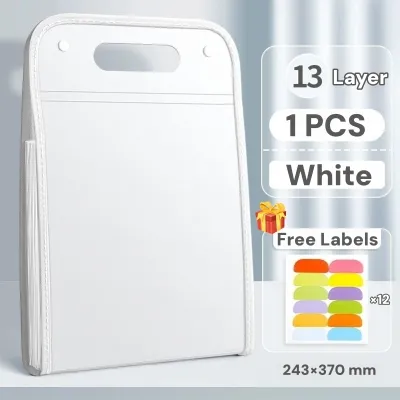
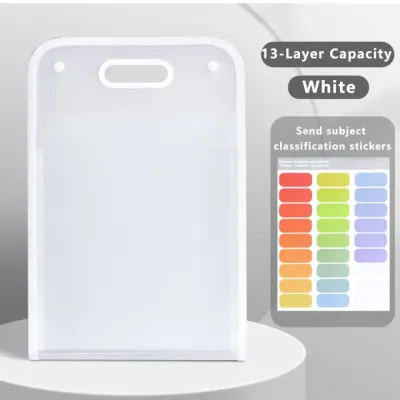
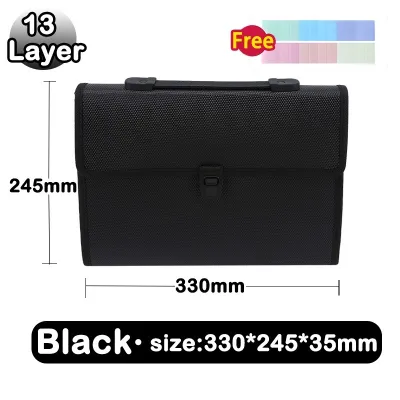

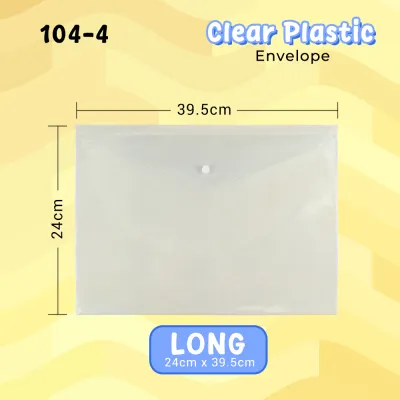
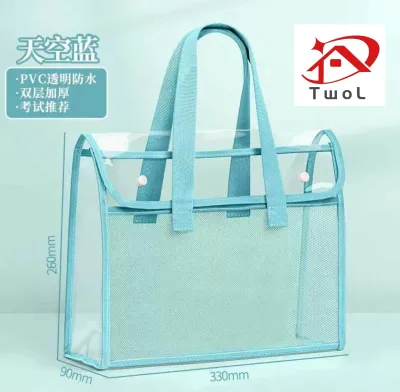
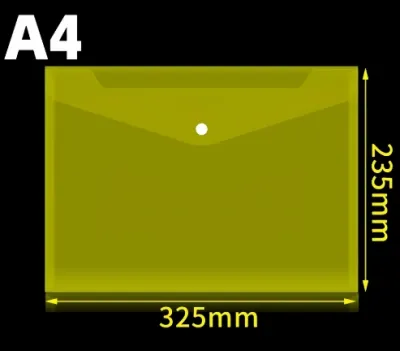
Prices are valid at publication and may change. Please refer to the product page for the latest price.
Workspace Constraints Take a hard look at your physical environment. A cluttered, compact desk cannot support a sprawling horizontal tray system without sacrificing valuable writing or typing space. If horizontal real estate is limited, look upward to your walls or the back of your door. If you work at a shared hot-desk or a temporary kitchen table setup, any organizer you choose must be easy to pack away at the end of the day.
Mobility Requirements Are you stationary, or is your work mobile? A heavy wooden desktop sorter is perfect for a permanent home office in Manila, but it is useless if you are a hybrid employee commuting to a corporate office in Makati. Students moving between university classrooms and coffee shops require lightweight, protective options that slide easily into a backpack without adding physical strain.
Self-Diagnosis Checklist To narrow down your options, identify which of these observable signs matches your current situation:
- Your desk is buried in paper: You need to clear horizontal space immediately. Look for a wall-mounted organizer or a highly compact vertical desktop sorter.
- You frequently misplace bills or letters: You need visual triage. A desktop sorter with clearly labeled, open slots will keep urgent items in your line of sight.
- You work in a hybrid setup: You must protect documents on the move. A portable, water-resistant organizer is your primary requirement.
- You share a small workspace: You need to keep your documents private and out of the way. A portable folder or a system that fits inside a drawer is ideal.
Desktop Organizers: For Active Sorting and High Volume
Desktop organizers are designed for immediate access. If your primary task is sorting incoming mail, separating paid and unpaid bills, or processing daily invoices, keeping these documents on your desk ensures they are never forgotten.

Ideal User Profile This format is best for home office professionals, administrative assistants, receptionists, or anyone who handles a steady stream of physical paperwork. It suits individuals who prefer visual cues, as having envelopes visible on the desk serves as a physical reminder of pending tasks.
Common Formats
- Tiered Trays: These feature horizontal shelves stacked vertically. They are excellent for sorting documents by priority or department, though they require a larger horizontal footprint.
- Vertical Standing Sorters: These hold envelopes upright in narrow, parallel slots. They take up very little desk space and keep the edges of envelopes exposed for quick identification.
- Expanding Desktop Files: These accordion-style organizers sit flat on the desk and can expand or contract based on the volume of paper inside. They often feature built-in tabs for alphabetical or chronological indexing.
Key Selection Criteria
- Slot Width and Depth: Ensure the slots can accommodate standard envelope sizes without bending. In the Philippines, office documents frequently use standard business envelopes (No. 10), DL, or C5 sizes, as well as short (letter) and long (legal) paper formats. Sorters must have deep enough slots to prevent taller envelopes from sagging.
- Footprint: Measure your available desk surface. A wire mesh sorter might look small online, but a 30-centimeter-wide unit can quickly crowd a compact study table.
- Material Rigidity: Look for sturdy materials like steel wire, powder-coated mesh, thick acrylic, or solid wood. In highly humid tropical climates, paper easily absorbs moisture from the air, losing its natural stiffness. A rigid organizer with solid dividers prevents damp, sagging envelopes from slumping into a messy pile.
Limitations Desktop units consume valuable horizontal workspace. If you do not actively purge and file your documents, a desktop envelopes organizer can quickly become a permanent pile of clutter, defeating its original purpose.
Wall-Mounted Organizers: For Clearing Desk Clutter
When desk space is at a premium, utilizing vertical surfaces is the most efficient way to keep your paperwork organized and off your writing surface.
Ideal User Profile Wall-mounted systems are perfect for small apartments, tight cubicles, dorm rooms, or minimalist offices. They are also highly effective for families who need a centralized “mail command center” near the entryway to sort household bills and school forms.
Common Formats
- Pocket Charts: Made of durable fabric, canvas, or plastic, these lightweight organizers hang from hooks or over doors, offering multiple soft pockets.
- Hanging File Racks: Rigid metal wire or plastic bins that screw directly into the wall, offering a highly durable, structured pocket for folders and large envelopes.
- Adhesive Mail Slots: Small, single-pocket plastic or acrylic holders designed to hold a few letters or keys right next to a doorway.
Installation and Safety Considerations
- Adhesive vs. Screw Mounting: Rental-friendly adhesive strips are convenient and prevent wall damage, making them ideal for dorms or leased apartments. However, heavy-duty metal racks loaded with paper require screw-mounted plastic anchors for long-term stability.
- Weight Capacity: Paper is deceptively heavy. A single pocket filled with utility bills, catalogs, and letters can easily weigh several kilograms. Always check the manufacturer's maximum weight rating before loading the organizer.
- Wall Type and Climate: In the Philippines, many residential walls are made of painted concrete or masonry. Drilling into concrete requires a masonry drill bit and wall plugs. If you choose adhesive hooks, keep in mind that high tropical humidity can degrade adhesive backings over time, causing the organizer to fall. Ensure the wall surface is thoroughly cleaned and dried before application.
Limitations Wall-mounted organizers are fixed in place, meaning you cannot easily move them to another part of the room if your workflow changes. They must also be mounted at an ergonomic height—ideally between chest and eye level—to ensure you can reach and read the contents easily.
Portable Organizers: For Commuting and Mobile Work
If your workspace changes daily, your envelopes organizer must be built for travel. Portable organizers protect your documents from the physical wear and tear of a daily commute.
Ideal User Profile This format is essential for hybrid corporate employees, students, field sales representatives, and legal or financial professionals who must carry physical documents to client meetings, campus classrooms, or different office branches.
Common Formats
- Zippered Pouches: Simple, single-compartment sleeves made of reinforced mesh, nylon, or plastic that keep documents secure and dust-free.
- Accordion Folders: Multi-pocket expanding files with a protective top flap secured by a snap button, elastic band, or latch closure.
- Bag-in-Bag Inserts: Structured felt or nylon organizers with various pocket sizes designed to slip directly into a backpack or tote bag, keeping your bag's interior organized.
Key Selection Criteria
- Closure Mechanisms: Zippers offer the highest security, preventing small receipts or loose envelopes from falling out. Elastic bands and snap buttons are faster to open but can leave small gaps at the corners.
- Flexibility and Weight: Look for lightweight materials like polypropylene (PP) or nylon. The organizer should protect your documents without adding unnecessary bulk to your daily carry.
- Water Resistance: This is a critical feature for commuting during the tropical monsoon season. Sudden downpours can easily saturate a backpack. Look for organizers made of water-resistant polyester, heavy-duty plastic, or laminated fabrics with sealed zippers to keep your envelopes completely dry.
Limitations Portable organizers have a much lower capacity than desktop or wall-mounted units. Because they lack a heavy, rigid frame, they can easily bend or get crushed inside a tightly packed bag if placed alongside heavy items like laptops, textbooks, or water bottles.
Quick Comparison and Final Decision
To help you finalize your decision, use the comparison table below to contrast the three main formats of organizers.
| Format | Best For | Space Required | Mobility | Key Limitation |
|---|---|---|---|---|
| Desktop | Active daily sorting, high-volume triage | Medium to high desk footprint | None (Stationary) | Consumes valuable desk surface |
| Wall-Mounted | Small rooms, clearing horizontal clutter | Vertical wall or door space | None (Stationary) | Fixed location; requires installation |
| Portable | Commuting, hybrid work, students | Minimal (Fits inside a bag) | High (Mobile) | Limited capacity; vulnerable to crushing |
Final Decision Matrix
- Choose a Desktop Organizer if you process physical mail daily at a dedicated, spacious desk and need to see your pending tasks at all times.
- Choose a Wall-Mounted Organizer if your desk is small, you have empty wall space, and you want to keep your workspace visually clean and minimalist.
- Choose a Portable Organizer if you work in a hybrid setup, commute regularly, or need to transport sensitive documents safely through rainy weather.
Pre-Purchase Measurement Tip Before buying any envelopes organizer from an online marketplace or stationery store, measure the length, width, and thickness of the largest envelopes you regularly receive. Compare these measurements against the manufacturer’s internal slot dimensions. Retailers often list external dimensions, which include thick decorative frames, feet, or outer packaging, leaving less usable space inside than expected.
Frequently Asked Questions (FAQ)
How do I measure my envelopes to ensure they fit the organizer?
To ensure a perfect fit, measure the height, width, and thickness of your largest envelopes, such as standard C4 or long legal-sized envelopes. Compare these numbers directly to the internal slot dimensions of the organizer. We recommend choosing an organizer that offers at least a 1.5-centimeter (0.6-inch) margin of clearance on all sides. This extra space allows you to slide envelopes in and out smoothly without catching, bending, or tearing the paper edges.
Can I use a desktop envelope organizer inside a drawer?
Yes, placing a vertical or tiered desktop organizer inside a deep desk drawer is an excellent way to hide paper clutter while keeping documents sorted. Before purchasing, measure the internal height, width, and depth of your drawer, ensuring there is enough overhead clearance to pull envelopes out comfortably. Additionally, check your desk drawer’s weight capacity, as a large volume of paper can become heavy enough to strain or misalign standard drawer glides over time.
Community discussion
Share your experience or ask a question. Comments are reviewed before publication.