
Selecting the right Faber Castell ballpen depends on matching your specific writing environment—whether it is high-volume office work, academic note-taking, or professional document signing—with the physical characteristics of the pen. The ideal choice is not a single, universally superior model, but rather the one that aligns with your hand ergonomics, writing speed, and typical paper choices.
To find your perfect match, you must look past generic marketing terms and verify technical specifications directly on the product packaging. Checking the tip size, grip design, and ink formulation will help you prevent hand fatigue and ensure clean, legible lines. In tropical climates like the Philippines, factors such as humidity can also influence how ink behaves on paper, making these physical details even more critical to your daily comfort.
Match Your Writing Context to Pen Features
Different writing environments demand distinct physical and functional trade-offs from your stationery. A pen designed for quick, repetitive office logs may not provide the comfort needed for a three-hour university lecture or the prestige required for signing executive contracts.
Products mentioned in this guide
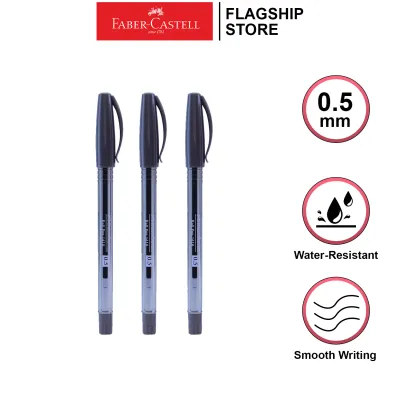
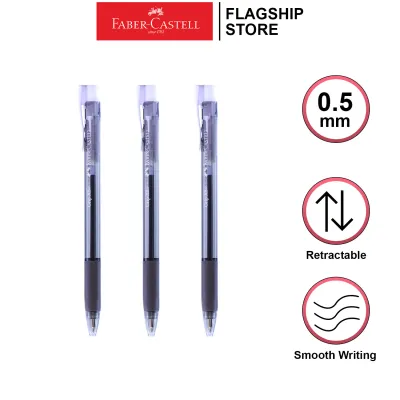
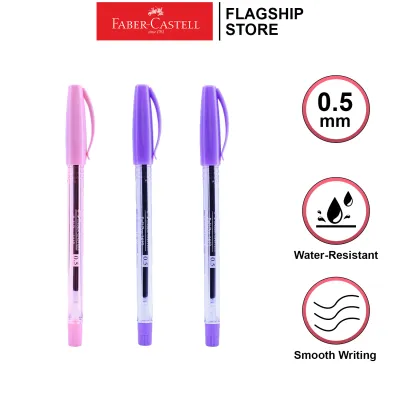
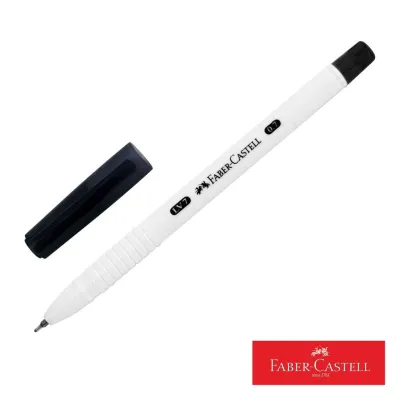
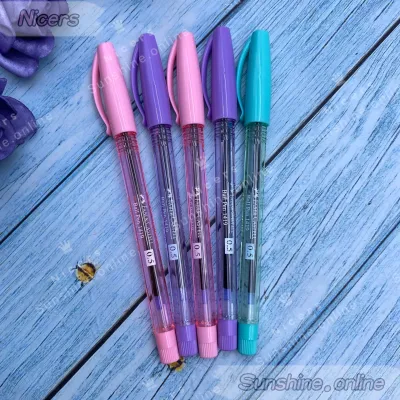
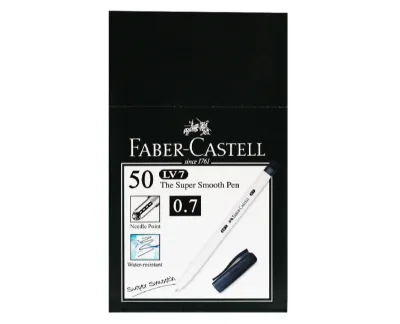
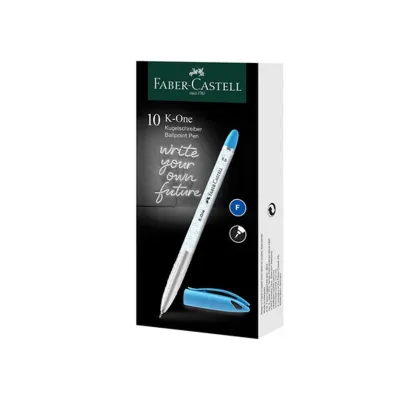
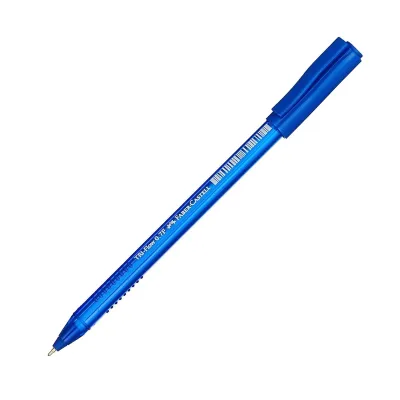
Prices are valid at publication and may change. Please refer to the product page for the latest price.
By analyzing your primary writing tasks, you can establish a practical checklist to filter your options. Use these common scenarios to guide your decisions when browsing local stationery aisles or evaluating listings on an online marketplace.
Daily Office and High-Volume Writing
Office tasks often require rapid, continuous writing, such as filling out forms, updating physical logs, or taking quick notes during meetings. For these activities, a lightweight plastic barrel is highly advantageous because it minimizes the muscular effort required to hold and move the pen over several hours.
When selecting a pen for high-volume tasks, look for medium or broad tip sizes, typically ranging from 0.7 mm to 1.0 mm on the product label. These larger tips deposit a more generous layer of ink, reducing friction against standard copy paper and allowing the pen to glide with minimal downward pressure.
Refillability is another essential factor for daily office use to keep long-term operational costs low. Before purchasing, verify if the pen model accepts standard, widely available refills so you can easily replace the ink cartridge without throwing away the entire pen barrel.
Academic Use and Long Study Sessions
Students and researchers face unique physical challenges, including prolonged writing sessions that can lead to finger calluses and hand cramps. An ergonomic grip zone, such as a soft rubberized sleeve or a contoured triangular barrel, is crucial for distributing finger pressure evenly and preventing slipping.
Smudging is a frequent frustration during rapid note-taking, particularly for left-handed writers or those using thin, absorbent notebook paper. Check the packaging for quick-drying ink properties to ensure the lines set before your hand moves across the page.
Fine or extra-fine tips, such as 0.5 mm or smaller, are highly recommended for academic work. They allow you to write legibly in tight margins, annotate textbooks, and fit dense formulas into small grid squares without the ink bleeding into adjacent letters.
Professional Document Signing and Executive Use
For signing contracts, formal letters, and official documents, the tactile experience and visual presentation of the pen are paramount. A heavier barrel, often constructed from metal or dense composite materials, provides a balanced, deliberate weight that naturally slows down your hand for cleaner, more controlled signatures.
The ink used for executive tasks must produce sharp, bold, and consistent lines without skipping or fading. Look for low-viscosity hybrid inks or specialized archival formulas that resist water and maintain their integrity on premium, high-weight bond paper.
Aesthetic details and build quality are critical indicators of durability for executive pens. Inspect the clip mechanism, the retraction clicker, or the cap fit to ensure the pen can be securely carried in a shirt pocket or portfolio without leaking or breaking.
Key Specifications to Check on the Packaging
To make an informed purchase, you must look past marketing buzzwords and focus on the technical specifications printed on the pen’s packaging or detailed in online product listings.

Tip Size and Line Width
The tip size, measured in millimeters, refers to the diameter of the rotating ball at the point of the pen. Common sizes range from ultra-fine 0.5 mm to bold 1.0 mm options.
- Fine Tips (0.5 mm and below): These produce a thin, precise line that is ideal for detailed writing, small handwriting, and thin paper where ink spread must be minimized. However, smaller tips can sometimes feel scratchy if used on rough or fibrous paper.
- Medium Tips (0.7 mm): This size offers a balanced middle ground, providing a smooth writing sensation while remaining legible on most standard paper types.
- Broad Tips (1.0 mm and above): These provide a highly lubricated writing feel because more ink is transferred to the page. The trade-off is a thicker line that takes slightly longer to dry and may bleed through low-quality or highly porous paper.
Ink Formulation
The type of ink inside the pen determines how smoothly it writes and how quickly it dries on the page.
- Standard Oil-Based Ink: This ink is thick, highly water-resistant, and long-lasting. It is excellent for everyday forms and carbon copies that require firm writing pressure.
- Low-Viscosity Ink: Often marketed as hybrid ink, this formulation combines the smoothness of gel pens with the fast-drying, water-resistant properties of traditional ballpoints. These formulations require very little downward pressure to write, which significantly reduces hand fatigue.
- Verification Tip: Because terms like "smoothness" are highly subjective, you should treat manufacturer claims as guidelines. The actual performance of any ink formulation depends heavily on the texture and absorbency of the paper you use, so performing a quick trial on your preferred notebook is always recommended.
Grip and Barrel Material
The physical shape and material of the pen body directly impact your comfort during extended writing sessions.
- Triangular Barrels: These are designed to encourage a natural, relaxed tripod grip, which is highly beneficial for younger writers or those prone to gripping the pen too tightly.
- Rubberized Grips: Textured rubber sleeves provide traction, preventing your fingers from slipping down the barrel, especially in warm, humid environments where hands may sweat.
- Smooth Plastic or Metal: These materials offer a sleek, professional appearance but can become slippery during extended use. If you prefer a metal pen, look for models that feature textured knurling or a matte finish on the grip area.
Refill Compatibility
A pen is only as sustainable as its refill options. Some entry-level ballpens are designed to be entirely disposable, while others feature removable end caps or unscrewing barrels to allow cartridge replacement.
- Proprietary Refills: Many entry-level and mid-range pens require proprietary cartridges designed specifically for that model series. These can sometimes be harder to find in local stores.
- Standard International Refills: Premium and executive models often use standard international sizes, such as the G2 "Parker-style" refill, which are widely available from various stationery brands.
- Cost Efficiency: Choosing a model with widely compatible refills ensures you can easily find replacements at local office supply stores, extending the life of your favorite pen barrel indefinitely.
Building Your Shortlist: What to Look For in Store or Online
Whether you are browsing the stationery aisle of a local department store or searching through an online marketplace, a systematic evaluation process will help you avoid buyer’s remorse.
In-Store Testing
If you have the opportunity to test pens in person, bring a sample of the actual paper or notebook you use daily, as store-provided test pads are often of varying quality.
Write several full sentences rather than just scribbling quick loops. This allows you to assess how the pen handles transitions, whether the ink skips on certain strokes, and if the grip remains comfortable over a longer sequence of words.
Observe the ink flow immediately after uncapping or extending the tip. A quality ballpen should start writing instantly without requiring heavy scribbling to get the ink moving.
Online Purchasing
When shopping on an online marketplace, product descriptions can sometimes be vague or generic. Focus your attention on verified customer reviews and user-uploaded photos.
Look for feedback regarding how long the ink cartridge lasts, whether the pen tends to leak or “blob” ink at the tip, and if the plastic clip is prone to snapping.
Pay close attention to the exact model numbers listed in the product title to ensure you are purchasing the precise tip size and ink color you need, as product images can sometimes look identical across different specifications.
Avoiding Counterfeits
Popular stationery brands are occasionally subject to counterfeiting, resulting in poor-quality replicas that leak, skip, or break easily.
To ensure you are purchasing genuine products, buy directly from official brand stores, authorized stationery distributors, or well-established office supply chains.
Be skeptical of bulk listings offered at prices that seem unrealistically low compared to standard retail rates, and check for official holographic seals or distinct branding marks on the packaging.
Evaluating Value
A low upfront price does not always translate to the best long-term value. A slightly more expensive pen with a durable barrel and cheap, easily sourceable refills is often more economical than buying multiple cheap disposable pens.
Calculate the total cost of ownership by checking the price and availability of replacement refills alongside the initial pen purchase. For example, a durable pen body priced at ₱150 that uses ₱30 refills may save you money over a year compared to buying ten disposable pens at ₱25 each.
Consider your writing environment; if you frequently lose pens at school or work, a pack of reliable, mid-range disposable options may be more practical than a single premium executive pen.
Frequently Asked Questions (FAQ)
Can I use standard refills in all Faber Castell ballpens?
No, refill compatibility varies significantly across different model lines and price points. While some premium and executive models use standard international refills, many entry-level and mid-range pens require proprietary cartridges designed specifically for that model series. Always check the original packaging, the manufacturer’s official specifications, or the model number printed directly on the empty refill cartridge before purchasing a replacement.
How do I prevent my ballpen ink from smudging on thin paper?
To minimize smudging on thin or highly absorbent paper, select a pen with a finer tip size, such as 0.5 mm, which deposits less ink onto the page. Additionally, look for low-viscosity or hybrid ink formulations that are designed to dry rapidly upon contact with paper fibers. Left-handed writers should also pay close attention to their hand posture or consider using a ruler to guide their lines, allowing the ink a few seconds to set completely.
Are heavier metal pens better for long writing sessions?
Generally, heavier metal pens are not ideal for long, continuous writing sessions because the added weight can accelerate hand and wrist fatigue. While a weighted metal pen offers a premium feel and excellent stability for short tasks like signing documents or writing quick notes, lightweight plastic or composite pens with ergonomic rubber grips are much better suited for high-volume writing, such as taking lecture notes or completing exams.
Community discussion
Share your experience or ask a question. Comments are reviewed before publication.