
Finding the right folder organizer for document storage depends entirely on matching the physical characteristics of your papers with the design of the organizer. There is no single option that excels at everything; instead, the ideal setup often combines different styles to handle various tasks. For instance, loose utility bills and thermal receipts require quick sorting in multi-pocket expanding files, while formal contracts and school modules are better preserved in ring binders with protective sleeves. By identifying how often you need to retrieve a document and how vulnerable it is to wear, you can build a filing system that keeps your workspace tidy and your records intact.
Identify Your Document Types and Storage Needs
In the Philippines, standard office documents typically use either Letter (8.5 x 11 inches) or A4 (8.27 x 11.69 inches) sizes. Before purchasing any organizer, verify that its inner dimensions comfortably accommodate these standards without bending the edges of the paper. Additionally, consider the thickness and fragility of the items; thin thermal receipts fade and crease easily, while multi-page legal contracts or thick school modules require robust binding that can support heavy paper weights.
Some documents require daily or weekly retrieval, while others are meant for long-term archiving. If you are constantly pulling out reference sheets, lesson plans, or active project drafts, you need an open or easily accessible system that does not require tedious filing steps. Conversely, tax records, birth certificates, and property deeds are rarely accessed but must be kept in pristine condition, making secure, enclosed storage the priority.
Products mentioned in this guide
Prices are valid at publication and may change. Please refer to the product page for the latest price.
Tropical climates present unique challenges for paper storage, as high humidity can cause sheets to warp, stick together, or develop mold over time. Your storage environment—whether it is an open shelf, a deep desk drawer, or a backpack used for daily commuting—will dictate the physical limits of your organizer. Ensure your chosen solution fits your available shelf depth or bag capacity, and opt for materials that offer some degree of moisture resistance if your storage area is prone to humidity.
Match Folder Styles to Specific Document Categories
To choose the right organizer, you must evaluate three core dimensions: access speed, storage capacity, and document protection. Access speed refers to how quickly you can file or retrieve a sheet; capacity dictates how many pages the system can hold before bulging; and protection measures how well the system guards against dust, moisture, and physical tearing.

The optimal choice depends entirely on matching the folder’s physical design to the specific traits of your documents. A mismatch, such as stuffing thick contracts into a small accordion file, leads to damaged papers and broken folder seams. By categorizing your paperwork first, you can assign each group to the specific folder style designed to handle its volume and format.
Expanding Files and Accordions for Receipts and Bills
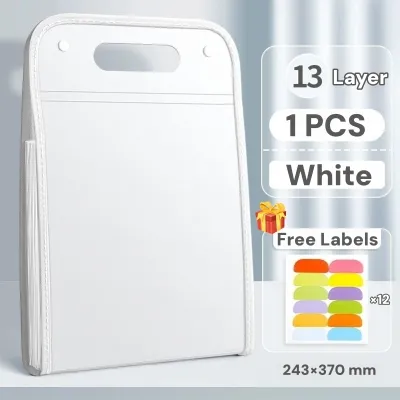
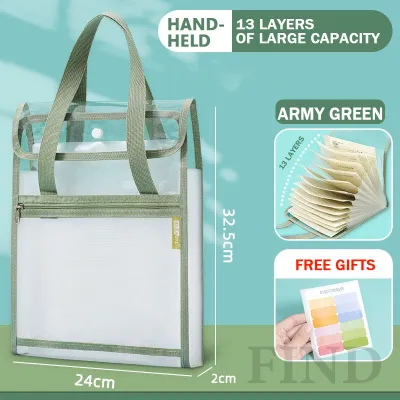
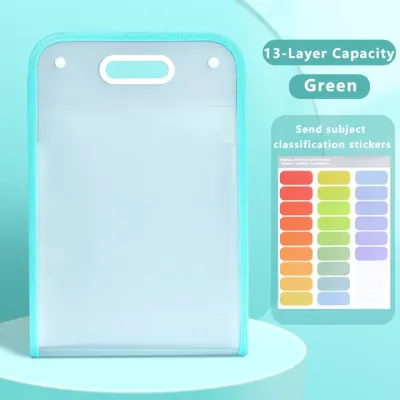
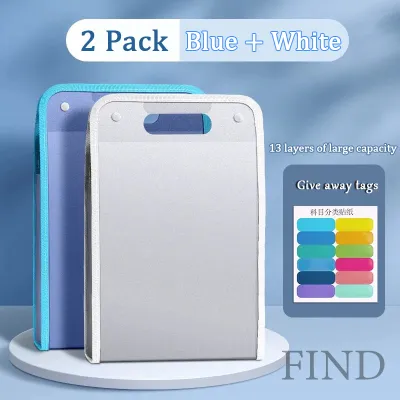
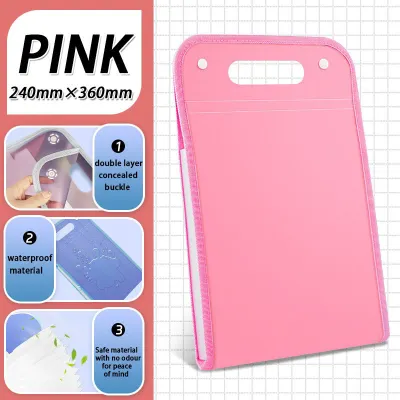
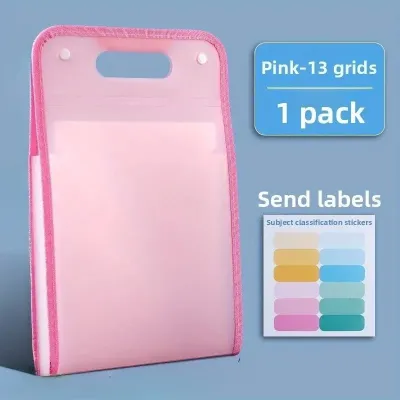
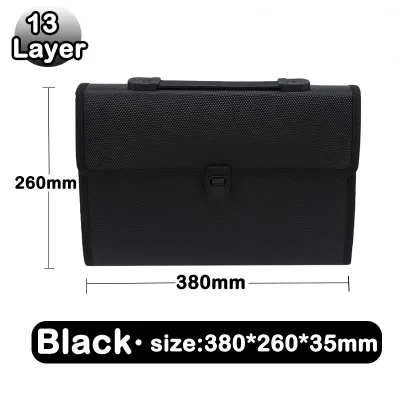
Multi-pocket expanding files and accordion organizers are highly efficient for managing loose, high-volume papers that arrive chronologically, such as monthly utility bills, credit card statements, and retail receipts. When selecting an accordion folder, check the pocket depth and the security of the bottom seams to ensure small thermal receipts do not slip underneath the dividers. A secure elastic band or button closure is essential to keep the entire unit compressed and prevent loose items from falling out during transport.
Effective categorization in these folders relies heavily on clear tab labeling. Look for organizers that include customizable tab inserts, allowing you to label sections by month, expense category, or family member. This structure makes it simple to drop bills into their designated slots immediately, keeping your desk free of loose paper piles.
However, keep in mind the physical trade-off between high capacity and bulkiness. While expanding files are designed to stretch as you add more papers, a fully loaded accordion folder can become extremely heavy and awkward to store. If you overstuff the pockets, the outer cover may warp, and the elastic closures can snap under tension, so it is best to use these for active, short-term sorting rather than multi-year archives.
Binders and Sheet Protectors for Contracts and School Papers
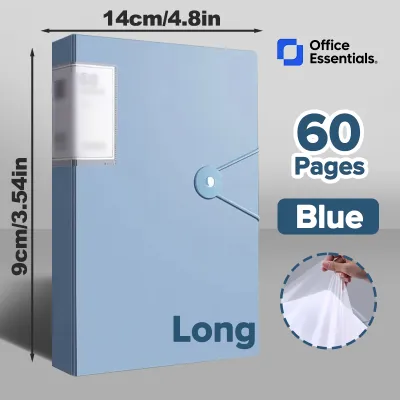
Ring binders paired with plastic sheet protectors offer an excellent balance of visibility, protection, and presentation for important documents like contracts, certificates, and school modules. When evaluating binders, verify the ring capacity—typically measured in inches or millimeters—and choose a sturdy D-ring or round-ring mechanism that opens and closes smoothly. The metal or plastic rings must align perfectly to prevent pages from snagging when you flip through them.
Incorporating plastic sheet protectors is highly recommended for documents that undergo frequent handling or need protection from spills and humid air. These sleeves shield the paper from finger oils, accidental tears, and moisture, which is especially important for preserving printed school modules or signed legal agreements. Ensure the sheet protectors are made of acid-free, non-stick polypropylene so they do not lift the ink off your printed pages over time.
The primary trade-off with this system is the preparation time required to organize your files. Inserting individual sheets into plastic sleeves or using a hole-puncher on loose papers requires active effort compared to simply dropping a page into a pocket. If you have a high volume of daily incoming mail, a binder system might feel too tedious, but for curated, high-value documents, the structural protection is unmatched.
Box Files and Archival Folders for Bulk or Long-Term Storage
For large volumes of paper that you rarely need to access but must preserve, rigid box files and heavy-duty archival folders are the most reliable options. Box files feature a wide spine—often ranging from two to three inches—and a secure internal clip or spring mechanism that holds thick stacks of paper flat. Their rigid construction allows them to stand upright on shelves like books, maximizing vertical storage space without collapsing under the weight of the documents.
When selecting materials for long-term preservation, look for acid-free cardboard or specialized archival plastics. Standard paper products contain lignin, which breaks down over time and causes documents to turn yellow and brittle, especially in warm, humid environments. Acid-free archival folders protect sensitive records, historical family documents, and old graduation certificates from this chemical degradation.
While box files excel at protecting bulk documents from dust and light, they offer very little portability. They are bulky, rigid, and designed to stay in one place, making them unsuitable for carrying in a bag or taking to meetings. They require dedicated shelf or cabinet space, so ensure you have the physical room to store them before committing to a box-file system.
Evaluate Material, Capacity, and Portability
The material of your folder organizer directly affects its durability, weight, and resistance to environmental wear. Polypropylene (plastic) folders are highly durable, lightweight, and offer excellent water resistance, making them ideal for protecting documents from sudden rain showers during a commute or from high indoor humidity. Kraft paper and heavy cardboard folders are more eco-friendly and provide excellent rigidity for shelf storage, but they are vulnerable to moisture damage and can warp or tear if they get wet.
Always check the manufacturer’s maximum sheet capacity specifications before purchasing to avoid overstuffing your organizer. Forcing too many papers into a folder puts excessive stress on the heat-sealed seams, plastic rivets, and closures, leading to premature failure. If you regularly exceed the capacity of a standard folder, it is safer to split your documents across multiple smaller organizers rather than risking damage to a single, overfilled unit.
If you frequently transport your documents between home, school, or the office, prioritize portability features. Look for organizers with integrated carrying handles, secure dual-latch closures, or full-zippered edges that seal the contents completely. These features prevent papers from sliding out inside your bag and protect the edges of your documents from getting bent or crushed by other items.
Finally, factor your budget in Philippine Pesos (₱) into the decision to balance initial cost with the expected lifespan of the organizer. While basic paper folders are highly affordable, costing only a few pesos per piece, they may need frequent replacement if used daily. Investing a bit more in heavy-duty plastic binders or reinforced expanding files can save money over time, as they withstand daily wear and tropical humidity much better than budget paper alternatives.
Organize and Maintain Your Filing System
A folder organizer is only as effective as the system you use to maintain it. Establish a consistent labeling strategy using color-coded tabs, clear date ranges, or alphabetical indexing to make retrieval intuitive. For example, you can use blue folders for financial records, green for medical documents, and red for urgent, active projects, allowing you to locate the correct file category at a glance.
To prevent your filing system from becoming overwhelmed, schedule regular purging intervals, such as at the end of every semester or fiscal year. Use this time to discard outdated utility bills, expired warranties, and old drafts that no longer serve a purpose. Keeping your folders lean ensures that you do not waste valuable storage space on junk paper and keeps your active documents easy to find.
Regularly inspect your organizers for physical signs of wear and tear that could compromise your documents. Fraying seams on expanding files, broken plastic clasps, rusted metal rings, or warped cardboard spines are clear indicators that the organizer is reaching the end of its functional life. Replacing these worn-out folders promptly prevents accidental damage to your important papers and keeps your filing system looking professional.
Frequently Asked Questions (FAQ)
How do I prevent paper from tearing inside accordion folders?
To prevent papers from tearing, always smooth out any creases or dog-eared corners before sliding them into the pockets. Avoid forcing large stacks of loose paper into a single pocket at once; instead, insert them in small, neat batches. If a pocket feels tight, do not push the paper down forcefully, as this can split the side seams of the folder or crumple the bottom edges of your documents.
Can I use the same folder organizer for both digital backups and physical copies?
Yes, you can integrate your physical folder organizer with a digital filing system to create a seamless workflow. Use your physical folders to store original, legally binding documents, while keeping scanned digital copies on your computer or cloud storage for quick reference. To link the two systems, write unique reference numbers or date codes on your physical folder labels that match the folder names in your digital directory.
Community discussion
Share your experience or ask a question. Comments are reviewed before publication.