
The most suitable heavy duty glue depends entirely on the specific materials you are joining and the environmental conditions the bond must endure. There is no single universal adhesive that excels at bonding wood, metal, plastic, and ceramic simultaneously. Instead, matching the chemical formulation—such as epoxy, polyurethane, cyanoacrylate, or construction adhesive—to the physical properties of your substrates is the key to achieving a permanent, reliable bond.
Porous materials like wood require adhesives that can penetrate fibers, while non-porous surfaces like metal and ceramic demand high-strength chemical adhesion or mechanical interlocking. Plastics present their own unique surface energy challenges that often require specialized primers or dedicated formulations.
By understanding how these different formulations interact with various surfaces, you can avoid joint failures and ensure your repair or assembly project withstands daily wear, moisture, and temperature fluctuations.
Products mentioned in this guide
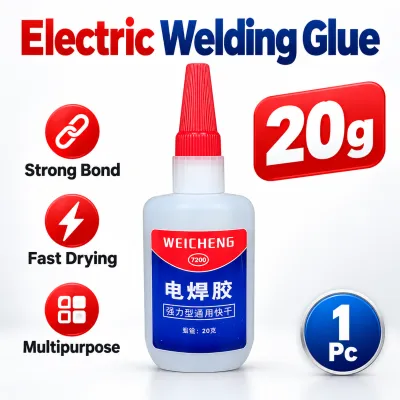
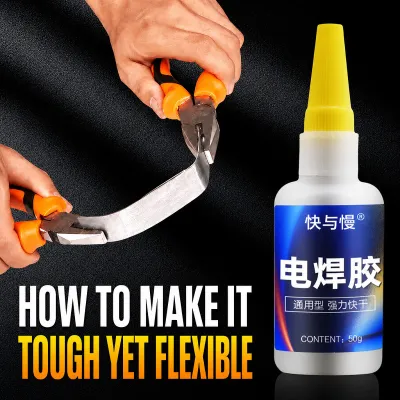
4 Lazada user ratings
Hoy mahiya naman kayo ang kapa g mukha nyo scamer kayo ang order ko super glow, ang pinadala nyo lagyanan ng sosi, ang halaga ng order ko 14…Read full reviewShow less
Hoy mahiya naman kayo ang kapa g mukha nyo scamer kayo ang order ko super glow, ang pinadala nyo lagyanan ng sosi, ang halaga ng order ko 141,60 ang halaga ng binigay nyo 15 or 10 pesos,
many product can be use and worth the price 👌
8,302 Lazada user ratings
Just got the parcel. I ordered 5 sets of 3 pcs of 25g. However, the packaging was bad, since this is CA glue, packaged per piece in an ordin…Read full reviewShow less
Just got the parcel. I ordered 5 sets of 3 pcs of 25g. However, the packaging was bad, since this is CA glue, packaged per piece in an ordinary sip lock plastic which can't handle if there was a leak. And 1 piece leaked, affecting other 4 pieces of packages. TO THE SELLER, THIS IS MY SECOND ORDER, the 1st order I placed was just 1 piece. This should be packed in a box carton TO AVOID LEAK/S due to transportation or whatsoever. I haven't tested the first order I got which was the 1 piece 25g. I hope this will work as I would have imagined it.
Strong adhesive power, Great for stationery and crafts, Ideal for heavy-duty projects, Quick and easy to use, Convenient and mess-free, Dura…Read full reviewShow less
Strong adhesive power, Great for stationery and crafts, Ideal for heavy-duty projects, Quick and easy to use, Convenient and mess-free, Durable and long-lasting, Versatile and multifunctional, Provides a strong bond,
My 1st order of this CA glue. I observed with the ordinary small zip lock bag there was a little leak, fortunately the plastic didn't melt. …Read full reviewShow less
My 1st order of this CA glue. I observed with the ordinary small zip lock bag there was a little leak, fortunately the plastic didn't melt. I hope this is a good CA glue to use.
got my orders correctly. easy to use. pag open pweds n ipaglalagay s mga need idikit. sna tumagal since oil based cia.
thank you seller sa maayos at mabilis na pag deliver at sa malaking pa discount... hanging sa uulitin.... salamat
Prices are valid at publication and may change. Please refer to the product page for the latest price.
Understanding Common Heavy Duty Glue Formulations
“Heavy duty” is a broad marketing term used by manufacturers to signal high strength, but the actual performance of any adhesive is governed by its chemical base. To make an informed purchase at local hardware stores or online marketplaces in the Philippines, you must look past the front label and identify the specific active ingredients.
Two-part epoxies consist of a resin and a hardener that must be mixed in precise ratios, usually 1:1, to initiate a chemical reaction. This formulation is highly valued for its exceptional structural strength, gap-filling capabilities, and resistance to water and chemicals, making it a standard choice for rigid, high-stress bonds.
Polyurethane adhesives are moisture-curing formulas that expand slightly as they set, allowing them to penetrate deeply into porous materials. They offer excellent water resistance and a degree of flexibility, which helps the bond absorb impacts and accommodate the natural expansion and contraction of materials like wood.
Specialized cyanoacrylates, commonly known as super glues, are modified with rubber or other additives in heavy-duty variations to improve impact resistance. These single-part adhesives cure rapidly when exposed to trace moisture on surface interfaces, making them ideal for quick, tight-fitting repairs on non-porous materials.
Construction adhesives are thick, high-viscosity pastes designed to bridge large gaps and bond heavy materials to vertical or horizontal surfaces. They are typically packaged in cartridges for caulking guns and are formulated from synthetic rubber, polyurethane, or acrylic polymers to provide high initial tack and long-term durability.
To identify these chemical bases, always turn the packaging over to read the technical specifications, ingredient lists, and manufacturer instructions. The fine print will explicitly state whether the adhesive is an epoxy, polyurethane, cyanoacrylate, or polymer blend, guiding you toward the correct application.
Matching Adhesive Types to Your Specific Materials
Selecting the right adhesive requires a systematic approach that prioritizes material compatibility over generic strength claims. Applying a glue designed for porous wood to a smooth, non-porous sheet of metal will almost certainly result in a weak bond that shears under minimal stress.

Before purchasing any heavy duty glue, you must inspect the product packaging for an explicit list of compatible materials. Manufacturers test their formulations on specific substrates, and their compatibility charts are the most reliable source of truth for ensuring a successful, long-lasting repair.
Bonding Wood and Porous Surfaces
Wood and other porous materials possess fibrous structures that absorb liquid adhesives, which can starve a joint if the glue is too thin. Polyurethane adhesives and specialized wood glues are highly effective for these applications because they penetrate the wood grain to create a deep mechanical bond.
When working on wooden structures, it is essential to check the product label for gap-filling properties, especially if the joint faces are uneven or do not fit perfectly flush. Some formulations shrink as they dry, while others, like polyurethane, expand to fill minor voids, though they still require firm clamping to achieve maximum strength.
Environmental exposure is another critical factor to verify on the adhesive packaging before starting your project. If your wooden item will be placed outdoors, exposed to rain, or kept in high-humidity areas, ensure the label explicitly rates the formula as waterproof or highly moisture-resistant.
Indoor wood projects, such as furniture repairs or decorative frames, may not require extreme weatherproofing but still benefit from formulas that allow for sanding and painting. Checking the label for post-cure workability ensures that excess adhesive can be cleaned up or blended seamlessly into the finished surface.
Bonding Metal and Non-Porous Surfaces
Metals present a unique challenge because their smooth, dense, and non-porous surfaces offer no natural pores for an adhesive to grip. Structural repairs on steel, aluminum, or brass typically require high shear strength, which is best provided by two-part epoxies or specialized metal-bonding adhesives.
These formulations cure through a chemical reaction rather than solvent evaporation, allowing them to harden consistently even when trapped between two completely impermeable metal sheets. The resulting bond is highly rigid and capable of resisting significant pulling and twisting forces.
Before selecting a metal adhesive, verify its temperature resistance and structural load ratings directly on the manufacturer’s packaging. Metals conduct heat rapidly, and an adhesive used on automotive parts, outdoor fixtures, or machinery must be rated to withstand the specific thermal operating range of that item.
Additionally, look for rust-inhibition properties or chemical compatibility notes if the metal will be exposed to moisture or corrosive environments. Some adhesives contain compounds that protect the bonded interface from oxidation, preventing rust from creeping under the glue line and degrading the joint over time.
Bonding Plastics and Polymers
Plastics are notoriously difficult to bond because many common polymers possess low surface energy, which causes liquids to bead up rather than wet the surface. Standard heavy duty glues often fail to adhere to plastics like polypropylene (PP), polyethylene (PE), and polytetrafluoroethylene (PTFE).
To achieve a successful bond, you must first identify the specific type of plastic you are repairing. Look for the molded recycling triangle on the item, which typically contains a number or abbreviation indicating whether it is made of PP, PE, PVC, ABS, or polystyrene.
Once you have identified the polymer, cross-reference this code with the adhesive manufacturer’s compatibility chart on the packaging. Many general-purpose glues explicitly state “not for use on PE or PP,” signaling that you will need a specialized plastic bonding kit that includes a surface activator or primer.
These specialized primers temporarily alter the surface chemistry of low-surface-energy plastics, allowing the heavy duty adhesive to wet the material and form a secure chemical bond. Skipping this step on incompatible plastics will inevitably lead to the adhesive peeling away cleanly from the surface.
Bonding Ceramics, Glass, and Stone
Ceramics, glass, and stone are brittle, dense materials that require adhesives with high tensile strength and excellent impact resistance to prevent future fractures. Because these items are often decorative or functional household objects, the aesthetic appearance of the cured adhesive is also a primary consideration.
Clear-drying epoxies or specialized ceramic and glass adhesives are ideal for these repairs because they dry to a transparent finish, minimizing the visibility of the repair line. Some formulations are specifically engineered to match the refractive index of glass, making the joint nearly invisible when applied correctly.
For items that will be exposed to sunlight, such as outdoor stone ornaments or window-mounted glass fixtures, check the product label for UV resistance. Standard adhesives can yellow, become brittle, and degrade when exposed to ultraviolet radiation, leading to premature joint failure.
Thermal shock tolerance is another vital specification to verify if the repaired item will undergo rapid temperature changes, such as ceramic mugs or stone countertops. The adhesive must be flexible enough to expand and contract at a rate similar to the substrate, preventing the bond from cracking under thermal stress.
Essential Specifications to Check Before Purchasing
When browsing the aisles of local hardware stores or comparing options on online marketplaces in the Philippines, understanding technical specifications is crucial. The first critical distinction to look for on the product label is the difference between “set time” and “cure time.”
Set time refers to the brief window during which the adhesive bonds sufficiently to hold the parts together without sliding, allowing you to release manual pressure. Cure time, on the other hand, is the total duration required for the adhesive to undergo complete chemical polymerization and reach its maximum rated strength.
Clamping plans must be based entirely on these times; an adhesive with a five-minute set time may still require a full 24-hour cure time before the bonded item can be safely subjected to weight or stress. Failing to respect the full cure window is one of the most common causes of adhesive joint failure.
Environmental resistance claims must also be carefully evaluated based on the intended location of the repaired item. Look for specific terms like “waterproof” rather than “water-resistant” if the object will be submerged or exposed to heavy rain, and verify the maximum temperature limits if the item is used near heat sources.
Viscosity is another practical specification that dictates how the adhesive behaves during application. Low-viscosity liquids flow easily into tight, flush-fitting joints through capillary action, making them perfect for clean breaks where no material is missing.
Conversely, high-viscosity gels, pastes, or epoxies are necessary for vertical surfaces where runny liquids would drip, or for uneven joints that require gap-filling capabilities. These thicker formulas stay exactly where they are applied, providing structural support across irregular gaps.
Finally, compare the cost per milliliter or gram when evaluating different packaging sizes from local retailers. While a large cartridge of construction adhesive or a bulk tub of epoxy may seem like a better value in ₱, buying only what you need for the immediate project prevents waste, as many heavy duty glues have a limited shelf life once opened.
Surface Preparation and Safe Application Practices
The strongest heavy duty glue will fail prematurely if applied to a dirty, greasy, or poorly prepared surface. Proper surface preparation is the foundation of any successful adhesive bond, and the specific steps must be tailored to the materials you are joining.
Begin by thoroughly cleaning the surfaces to remove dust, dirt, rust, and old adhesive residue. For non-porous materials like metal, glass, and plastic, use a suitable degreasing solvent, such as isopropyl alcohol, to remove oils and fingerprints that can prevent the glue from wetting the surface.
Lightly abrading the mating surfaces with fine-grit sandpaper is highly recommended for metals, plastics, and dense woods. This process creates microscopic scratches and increases the overall surface area, providing a mechanical key that allows the adhesive to grip the material more securely.
Safety must always be a priority when working with heavy duty adhesives, as many formulations release volatile organic compounds (VOCs) or pose skin contact hazards. Always work in a well-ventilated area, preferably outdoors or near an open window with active airflow, to avoid inhaling harmful fumes.
Wear protective gloves, such as nitrile gloves, to prevent direct skin contact with epoxies, polyurethanes, or cyanoacrylates, which can cause irritation or bond skin instantly. Refer to the manufacturer’s safety data sheet (SDS) or the product label warnings for specific protective equipment recommendations.
During the curing process, proper clamping is essential to maintain close contact between the surfaces and ensure a uniform adhesive line. Use bar clamps, spring clamps, or heavy weights to secure the parts, taking care to distribute the pressure evenly without squeezing all the adhesive out of the joint.
Maintain the ideal environmental conditions specified by the manufacturer, as extreme cold or high humidity can severely delay or completely prevent the curing process. Most heavy duty adhesives cure best at moderate room temperatures, so avoid working in unconditioned spaces during exceptionally hot or damp days.
Frequently Asked Questions (FAQ)
Can I use heavy duty glue on flexible materials like rubber or fabric?
Standard rigid heavy duty adhesives, such as classic two-part epoxies and standard cyanoacrylates, are not suitable for flexible materials like rubber, leather, or fabric. These adhesives cure into a hard, brittle plastic structure that cannot bend, causing the bond to crack and peel away as soon as the material is flexed.
To bond flexible substrates successfully, you must select an adhesive specifically formulated to remain elastic after curing. Look for product labels that explicitly mention flexible polyurethane, contact cement, or specialized rubber and fabric adhesives, which are engineered to stretch and bend without losing their grip.
How should I store heavy duty glue to maximize its shelf life?
Improper storage is the primary reason heavy duty glues dry out or cure inside their containers before they can be fully used. To maximize shelf life, always wipe the nozzle clean with a dry cloth immediately after use to prevent the cap from bonding to the tube, and seal the container as tightly as possible.
Store the adhesive in a cool, dry place away from direct sunlight, moisture, and extreme temperature fluctuations, which can accelerate chemical degradation. Always consult the manufacturer’s specific storage instructions on the packaging, and check for any printed expiration dates before attempting to use older stock on a critical project.
Community discussion
Share your experience or ask a question. Comments are reviewed before publication.