
Choosing the right paint medium is one of the most critical decisions you will make as an artist, directly shaping your creative process, cleanup routine, and final visual results. If you are looking at the Jumpwind paint lineup, you will find options spanning watercolors, acrylics, and oils. Each of these mediums behaves differently on your brush and canvas, requiring distinct techniques and environmental setups.
To find your ideal match, you must balance your artistic goals with practical considerations like drying time, ventilation, and budget. This guide will help you analyze your personal painting style, evaluate your workspace, and read product labels so you can confidently select the right Jumpwind paint type for your studio.
Quick Diagnostic: Match Your Goals to a Medium
Your primary artistic goals and your patience for drying times are the fastest indicators of which paint medium will suit you best. Beginners often appreciate the immediate feedback of fast-drying paints, while those who enjoy classical portraiture or soft gradients usually prefer slower-drying options.
Products mentioned in this guide
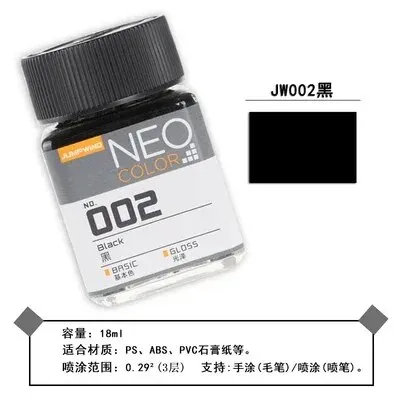
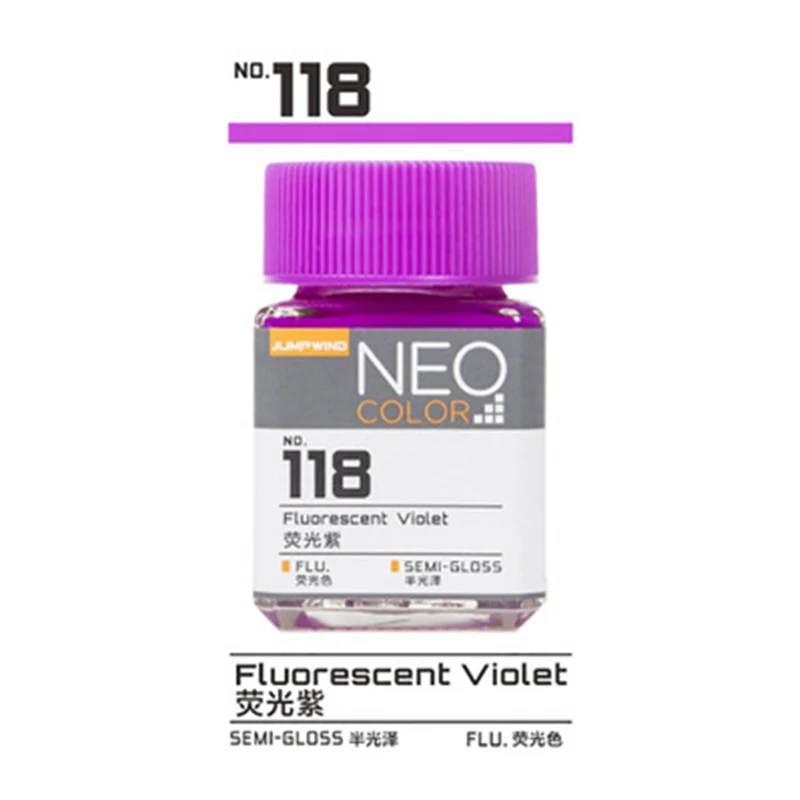
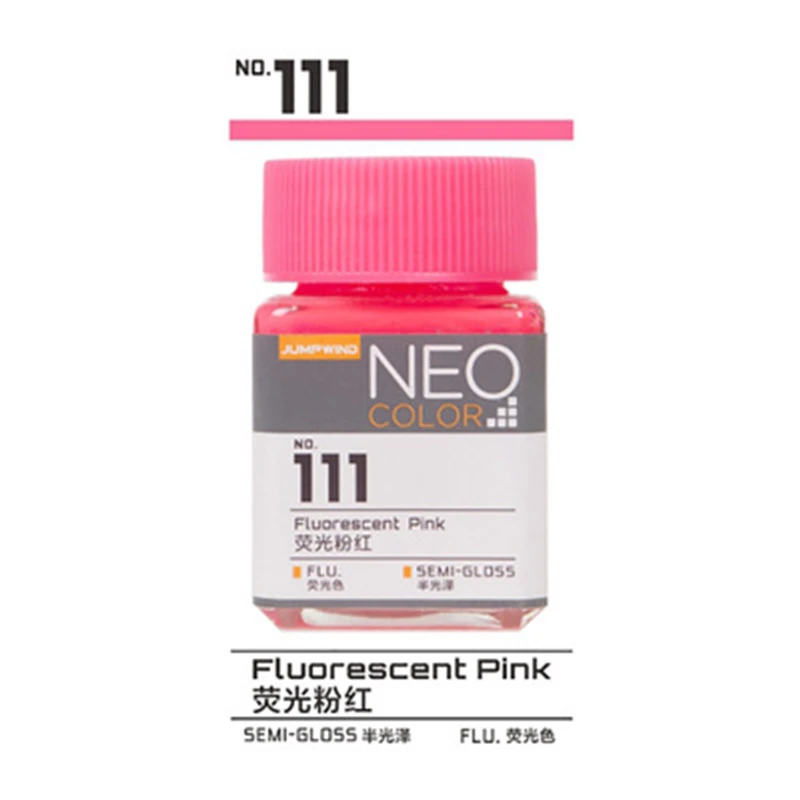
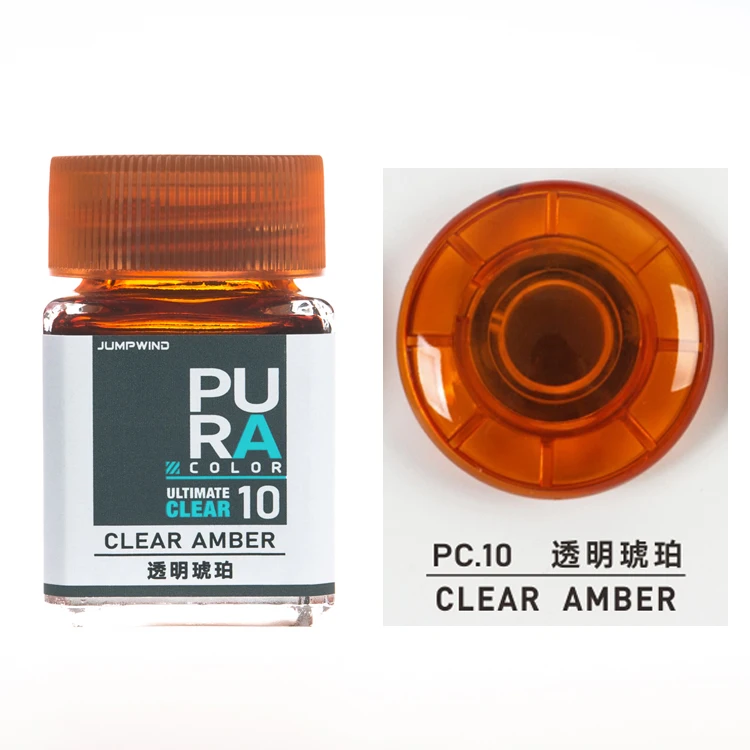
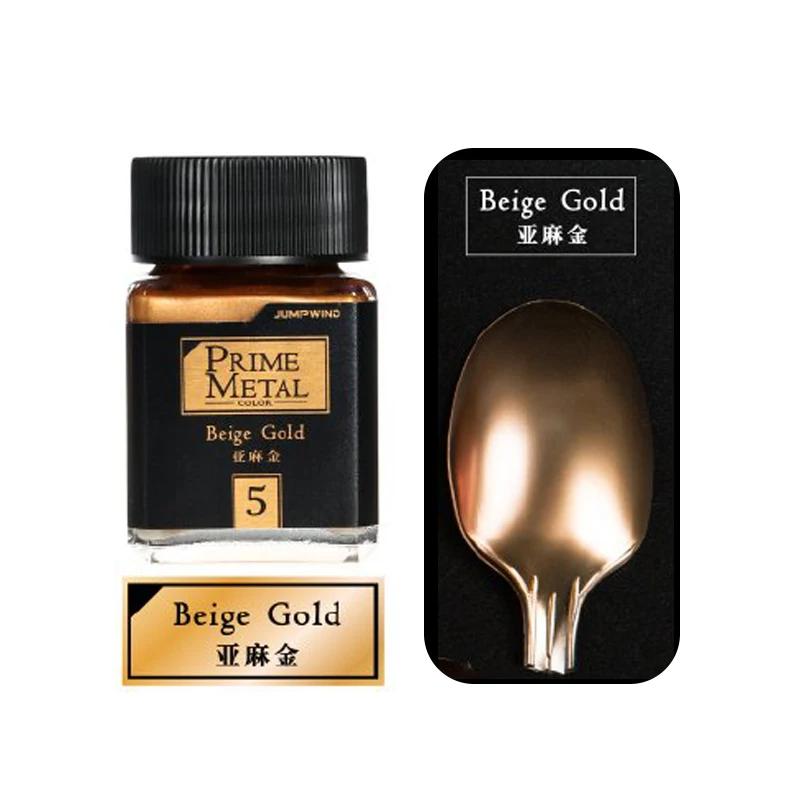
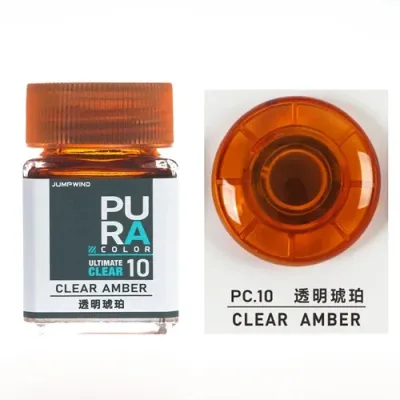
Prices are valid at publication and may change. Please refer to the product page for the latest price.
| Artistic Goal | Ideal Medium | Learning Curve | Typical Surface |
|---|---|---|---|
| Quick layering, bold colors, easy cleanup | Acrylic | Gentle / Beginner | Canvas, wood, paper |
| Soft washes, portability, luminous transparency | Watercolor | Moderate / Technique-heavy | Heavy watercolor paper |
| Smooth blending, rich depth, traditional glazing | Oil | Steep / Process-heavy | Primed canvas or board |
Your budget also plays a role in this initial decision. A basic entry-level setup for watercolors or acrylics can cost anywhere from ₱400 to ₱1,200, as they require minimal auxiliary mediums. Starting with oil paints typically requires a higher initial investment, often exceeding ₱2,000, because you must purchase solvents, specialized brushes, primed surfaces, and drying mediums alongside your basic paint tubes.
Evaluate Your Painting Style and Techniques
Your physical painting habits—how fast you work, how you apply paint, and how you correct mistakes—should dictate your medium. Each paint type interacts with its surface in a unique way, offering distinct tactile feedback.

Watercolors rely entirely on fluidity, transparency, and paper interaction. When you apply watercolor, the pigment flows with water into the fibers of the paper, creating delicate washes and soft edges. This medium requires you to work from light to dark, preserving the white of the paper for your highlights. Because watercolor remains water-soluble even after drying, you can easily reactivate and blend layers, but this also means you cannot easily paint a light color over a dark one without muddying the piece.
Acrylics are highly valued for their fast drying times, high opacity, and thick texture. If you enjoy impasto techniques—where paint is applied thickly to retain visible brushstrokes—acrylics are an excellent, accessible choice. They dry to a flexible, water-resistant plastic finish, allowing you to paint light colors directly over dark colors within minutes. This rapid drying speed makes acrylics highly forgiving for artists who like to correct mistakes quickly by simply painting over them.
Oils are the ultimate medium for extended blending times, deep color saturation, and traditional glazing. Because oil paint dries through oxidation rather than evaporation, it remains wet and workable on your canvas for days. This slow process allows you to blend seamless gradients, soft skin tones, and complex shadows without rushing. The high refractive index of the oil binder also gives the dried paint a unique depth and luster that water-based mediums struggle to replicate.
Consider Your Workspace and Practical Constraints
Your physical environment is just as important as your artistic style when choosing a paint. Some mediums require specific safety precautions and climate considerations that can disrupt a casual home studio.
Oil paints require solvents like mineral spirits or turpentine for thinning and cleanup, which release volatile organic compounds (VOCs) into the air. If you paint in a small, enclosed room without strong cross-ventilation, working with traditional oils can pose health risks. Water-based paints like Jumpwind watercolors and acrylics require only water for thinning and cleanup, making them much safer and more pleasant for small apartments or shared family spaces.
Local climate conditions also play a major role in how these paints behave. In the warm, humid tropical climate of the Philippines, drying times can shift dramatically. High humidity slows down the evaporation of water, meaning watercolors will take longer to dry on your paper, which can lead to unexpected bleeding if you are impatient. Conversely, on hot, dry days, acrylics can dry almost instantly on your palette, sometimes skinning over before you can apply them to your canvas.
Cleanup routines and storage constraints should also influence your choice. Acrylic paint must never dry on your brushes, as the cured polymer will ruin the bristles permanently. Watercolors are incredibly low-maintenance, allowing you to leave dried paint on your palette and simply reactivate it with water weeks later. Oils require a dedicated cleanup routine using specialized soaps or oils to preserve your brushes, and wet oil canvases must be stored safely away from dust and pets for several weeks while they cure.
Understanding Paint Labels and Specifications
Before purchasing any Jumpwind paint set, you must learn to read the technical specifications printed on the packaging. These labels tell you exactly what is inside the tube and how the paint will perform over time.
First, look for indicators of paint grade. Student-grade paints (often labeled “Academy” or “Studio”) contain lower pigment concentrations and more fillers, making them highly affordable but less vibrant. Professional-grade or artist-grade paints feature high pigment loads and minimal fillers, offering superior color mixing without turning muddy. If you are serious about color theory and clean mixing, investing in professional-grade tubes is highly recommended.
Next, check the pigment codes and lightfastness ratings on the back of the tube. Pigment codes (such as PW6 for Titanium White or PB29 for Ultramarine Blue) tell you whether the paint is made from a single pure pigment or a blend of multiple pigments. Single-pigment paints are much easier to mix predictably. Lightfastness ratings, usually graded from I (excellent) to III (fair) under ASTM standards, indicate how well the paint resists fading when exposed to sunlight over time.
Finally, verify the safety certifications on the packaging. Look for non-toxic seals such as the AP (Approved Product) seal or compliance with EN71 standards. These certifications ensure that the paints do not contain harmful heavy metals or toxic binders, which is especially important if you paint with children or in poorly ventilated spaces.
Next Steps: Testing and Making Your Final Choice
Instead of committing to a massive, expensive multi-color set right away, the most practical approach is to purchase a few individual tubes or a small trial set to test firsthand.
Start by buying three primary colors (a cool blue, a warm red, and a yellow) along with a mixing white. This small investment allows you to test the paint’s handling characteristics, opacity, and mixing capabilities without spending a fortune. Spend a few sessions observing how the paint behaves on your preferred surface, paying close attention to color shift—acrylics often dry slightly darker than they appear when wet, while watercolors tend to dry lighter and more matte.
Pay attention to how comfortable you feel with the working pace of the medium. If you find yourself frustrated by how quickly acrylics dry on your brush, or if you feel impatient waiting for oil layers to cure, use those observations to guide your final decision. Your personal comfort with the medium’s physical properties is the ultimate indicator of whether you will stick with it over the long term.
Frequently Asked Questions (FAQ)
Can I mix acrylic and oil paints together?
No, you cannot mix wet acrylic and oil paints directly on your palette or canvas because water and oil naturally repel each other. Attempting to mix them will cause the paint film to separate, bead up, and fail to adhere to the surface. However, you can safely paint oil colors over a completely dry acrylic underpainting, as the oil will adhere to the porous acrylic surface. You must never paint acrylics over oil paint, as the water-based acrylic layer will eventually crack and peel off the oily base.
Do I need different brushes for watercolors compared to acrylics?
Yes, watercolors and acrylics require entirely different brush characteristics to perform well and avoid damage. Watercolors require soft, highly absorbent brushes—often made of natural hair or soft synthetic blends—that can hold a large volume of water and release it smoothly. Acrylics, on the other hand, require stiffer synthetic bristles that can push the heavy, viscous paint across the canvas. Using delicate watercolor brushes with heavy acrylic paint will quickly clog and ruin the soft bristles.
How do I prevent acrylics from drying too fast on the palette?
To extend the working time of your acrylic paints, you can use a wet palette, which uses a damp sponge layer beneath permeable paper to keep the paint hydrated from below. You can also lightly mist your palette with water using a fine spray bottle during your painting session. Additionally, check your local art supply store for acrylic retarder mediums; adding a few drops of retarder directly to your paint slows down the evaporation process, giving you more time to blend your colors on the canvas.

Community discussion
Share your experience or ask a question. Comments are reviewed before publication.