
Finding the right planner is not just about picking an attractive cover; it is about matching a notebook’s structural design to the natural rhythm of your daily life. KINBOR offers a diverse ecosystem of planning formats, ranging from highly structured hourly schedules to completely open, free-form pages. To select the ideal setup, you must evaluate how you process information, how many tasks you manage daily, and whether you prefer rigid time-blocking or creative flexibility. By aligning your notebook’s layout with your cognitive habits, you transform a simple stationery item into an intuitive extension of your mind.
Identify Your Planning Habits and Lifestyle Needs
Start by analyzing your daily task density. If your day is packed with hourly meetings, time-sensitive appointments, and a long list of micro-tasks, you likely need a layout that provides dedicated space for every single hour. Conversely, if your days are shaped by broad project milestones or a few key objectives, a highly detailed daily schedule might feel restrictive or leave you with intimidating blank spaces.
Consider your tolerance for structure. Some planners thrive under the guidance of pre-printed grids, hourly timelines, and designated sections for goals and habits. Others find these pre-set boundaries restrictive, preferring a blank canvas where the layout can change from week to week depending on their current focus.
Products mentioned in this guide
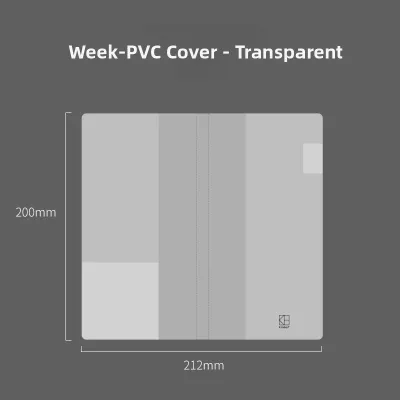
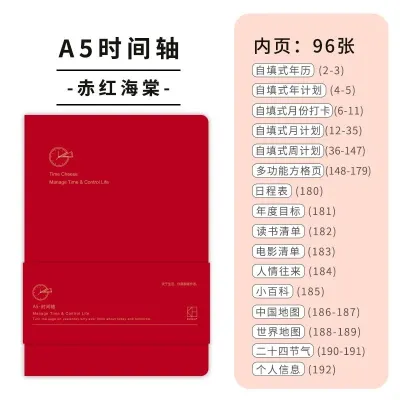
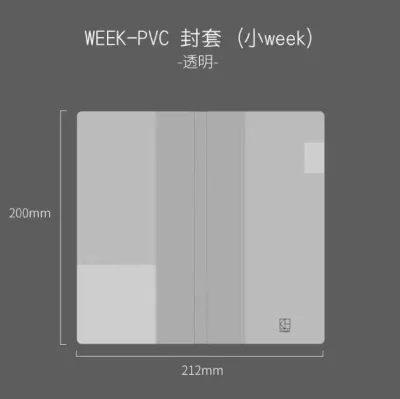


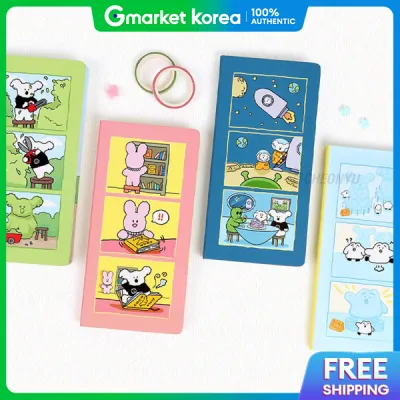

Prices are valid at publication and may change. Please refer to the product page for the latest price.
Think about the role of creativity and reflection in your routine. Are you looking strictly for a task manager, or do you want a space to paste ephemera, sketch ideas, track habits, and write reflective journal entries? In tropical climates like the Philippines, where humidity can affect paper texture and ink drying times, choosing the right format also means considering how much time you want to spend letting your pages dry before closing your book.
Match Your Style to the Right KINBOR Notebook Format
KINBOR notebooks generally fall into two main categories: pre-structured layouts designed for systematic time management, and free-form layouts built for ultimate customization. Choosing between them depends on whether you want the notebook to dictate the organization or if you want to design the system yourself.

To help you visualize the best path forward, consider this decision matrix mapping common planning styles to their ideal KINBOR formats:
| Planning Style | Core Need | Recommended KINBOR Format |
|---|---|---|
| High-density scheduling | Hourly tracking & detailed daily logs | Daily Planner (A5 or A6) |
| Balanced weekly overview | Weekly goals, habit tracking, moderate tasks | Weekly Planner / Weekly Spread |
| High-level project mapping | Monthly deadlines, academic schedules, broad views | Monthly Planner / Slim Booklet |
| Bullet journaling & tracking | Custom grids, geometric layouts, flexible lists | Grid or Dotted Notebook |
| Visual journaling & sketching | Unrestricted drawing, mind-mapping, free writing | Blank Page Notebook |
Structured Layouts for Time Management
Daily planners are the workhorses of the KINBOR lineup, designed specifically for individuals who manage high-volume task lists, detailed meeting notes, or strict hourly schedules. These layouts typically dedicate an entire page to a single day, often featuring a vertical timeline. This structure is highly beneficial for students with packed class schedules, professionals juggling multiple client meetings, or anyone who practices intensive time-blocking.
Weekly spreads offer a balanced middle ground, allowing you to view your entire week at a single glance. This format is ideal if you prefer to track moderate task lists, set weekly goals, and monitor habits without the pressure of filling a daily page. Weekly layouts often feature a horizontal or vertical weekly view on one side and a grid or blank page on the other, giving you room for miscellaneous notes and weekly summaries.
Monthly layouts focus on the big picture, making them perfect for tracking long-term project deadlines, academic semesters, or broad family schedules. These slim, lightweight booklets are easy to carry and serve as an excellent macro-level reference tool. They allow you to see upcoming events and milestones without getting bogged down by daily operational details.
Free-Form Layouts for Customization
Dotted and grid KINBOR formats are the preferred choice for bullet journalists and those who enjoy creating custom, structured layouts. The subtle dots or grid lines provide just enough guidance to keep your handwriting straight and your hand-drawn tables neat, without the visual clutter of solid lines. This format is highly adaptable, allowing you to design custom habit trackers, financial logs, or project pipelines that fit your exact needs.
Blank pages offer completely unrestricted freedom, making them the ultimate canvas for visual journaling, sketching, mind-mapping, and highly creative planning. Without any lines or dots to guide you, your pen can move in any direction, allowing for organic brainstorming sessions and artistic layouts. This format is ideal for those who view planning as a form of creative expression rather than a strict administrative task.
Verify Physical Specifications and Compatibility
Once you have selected your ideal layout, you must verify the physical specifications of the notebook to ensure it fits your daily routine. Size is one of the most critical factors to consider. An A5 notebook offers ample writing space but requires a larger bag, making it ideal for desk-bound planning. A6 or B6 sizes are highly portable, fitting easily into small bags or even large pockets, which is perfect for on-the-go note-taking during daily commutes.
Pay close attention to the paper weight and binding type listed on the product specifications. A true lay-flat binding is essential for a comfortable writing experience, especially when writing near the center spine. In humid environments like the Philippines, paper can absorb moisture from the air, which may slightly alter its texture and how it interacts with ink. Checking for a sturdy, thread-bound spine ensures the notebook remains durable and flat even with frequent handling.
Ink compatibility is another vital aspect to verify before committing to a specific notebook. Because different pens, markers, and fountain inks behave differently depending on the paper’s coating and weight, you should always check the manufacturer’s guidelines regarding ink suitability. To prevent issues like feathering, ghosting, or slow drying times in humid weather, match your writing instruments to the paper specifications. For instance, gel pens with quick-drying ink formulas are often preferred for standard planner paper to avoid accidental smudging.
Frequently Asked Questions (FAQ)
Can I combine different KINBOR formats in one planning system?
Yes, combining formats is an excellent way to manage both long-term goals and daily execution. Many planners use a slim monthly KINBOR booklet to track macro-level deadlines, travel plans, and major events, while keeping a separate daily or weekly notebook for detailed task management. To maintain consistency when using multiple notebooks, establish a clear routine, such as transferring key dates from your monthly overview to your daily planner during a weekly review session.
How do I prevent ink bleed-through on standard planner paper?
To prevent ink from bleeding through to the other side of the page, always check the paper weight specifications on the product label before purchasing. Additionally, perform a simple, observable test by writing a few characters with your favorite pens on an inconspicuous back page of the notebook. Observe how the ink behaves; if you notice significant ghosting or bleeding, consider switching to fine-tip gel pens, ballpoint pens, or specialized planning markers that use water-based, fast-drying inks.
Community discussion
Share your experience or ask a question. Comments are reviewed before publication.