
Choosing the right Kirena highlighter variant depends on balancing your specific paper type, color preferences, and daily tasks. Whether you are a student preparing for exams, a planner enthusiast organizing a weekly layout, or a professional reviewing legal documents, the physical design of the highlighter directly impacts your efficiency. Selecting the ideal marker requires looking closely at tip configurations, ink formulations, and packaging options to ensure your stationery tools perform reliably without damaging your documents.
In tropical climates like the Philippines, high humidity levels can affect how quickly ink dries and how paper fibers absorb moisture. This environmental factor makes choosing the correct ink type and tip style even more critical to prevent smudging and bleed-through. By understanding the physical characteristics of each Kirena variant, you can make an informed decision that keeps your notes clean, legible, and beautifully organized.
Understanding Kirena Highlighter Variants and Key Features
To find the best highlighter for your daily routine, you must first understand the physical differences across the Kirena product range. Highlighters are not one-size-fits-all tools; variations in tip design, ink chemistry, and packaging formats serve distinct writing and reading preferences.
Products mentioned in this guide
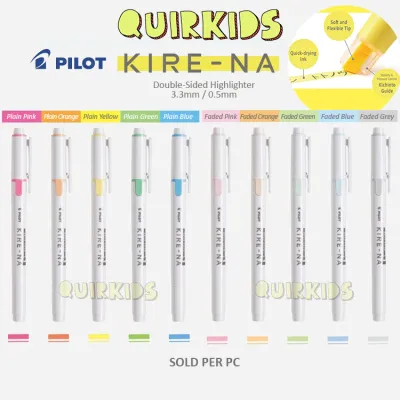
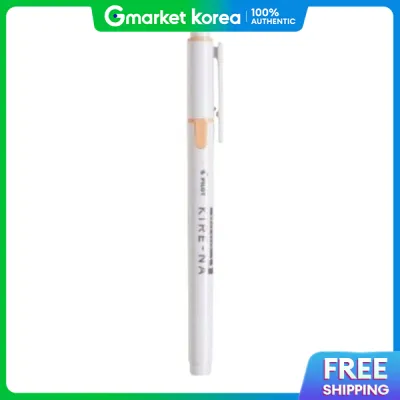
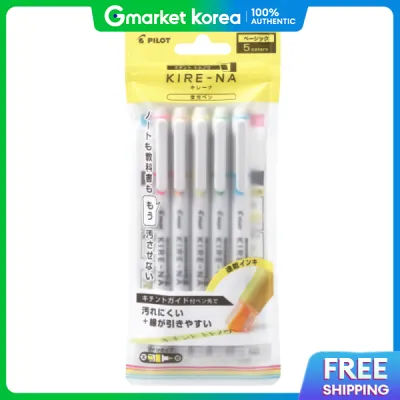
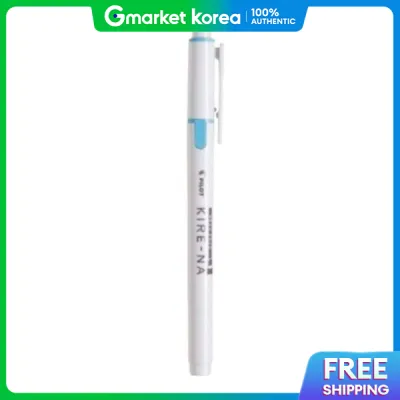
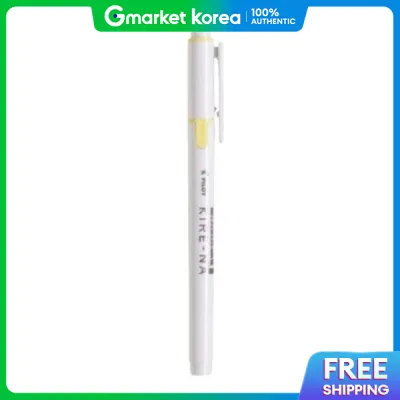
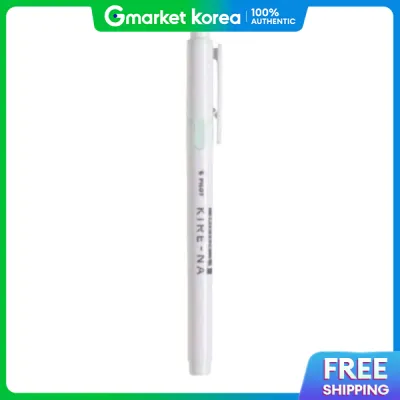
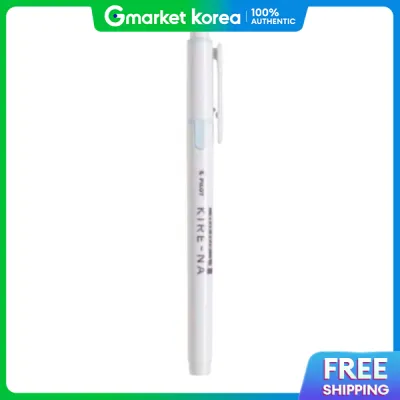
Prices are valid at publication and may change. Please refer to the product page for the latest price.
Tip Configurations and Line Widths
The tip of a highlighter determines how much control you have over your markings. Kirena highlighters generally feature either a classic chisel tip, a fine bullet tip, or a dual-tip configuration that combines both. Chisel tips are angled, allowing you to draw broad lines (typically between 3.0mm and 4.0mm) when using the flat edge, or thin lines (around 1.0mm) when using the sharp point. This versatility makes the chisel tip the standard choice for covering entire lines of printed text quickly.
Fine bullet tips, on the other hand, are designed for precision. They usually produce a consistent line of 0.5mm to 1.0mm, making them ideal for underlining specific words, writing margin notes, or drawing borders in planners. Dual-tip variants offer the ultimate flexibility by placing a chisel tip on one end and a fine tip on the other, allowing you to switch tasks instantly without changing pens.
Ink Color Profiles: Neon versus Pastel
The choice between neon and pastel ink is more than just an aesthetic preference; it directly affects visual fatigue and document readability. Neon highlighters utilize fluorescent pigments that reflect high amounts of light, making marked text stand out dramatically. This high-contrast profile is excellent for quick scanning, but it can cause eye strain during prolonged reading sessions.
Pastel highlighters use soft, low-glare, water-based pigments that provide a more subdued color palette. These shades—such as mild pink, soft mint, and pale lavender—are designed to highlight text without dominating the page. They are highly favored for aesthetic planning and intensive study sessions where you need to review highlighted pages for hours at a time.
Purchasing Formats: Sets versus Individual Replacements
Kirena highlighters are available in curated multi-color sets or as individual pens. Multi-color sets are highly cost-effective for users who need a cohesive color-coding system or enjoy decorating their journals with matching palettes. These sets are often themed, grouping warm tones, cool tones, or classic neon shades together.
Buying individual replacement colors is highly practical if you rely heavily on one or two specific shades, such as yellow or green. Purchasing singles prevents the waste of buying an entire new set just to replace a single dried-out or empty marker, allowing you to maintain your stationery collection economically.
Matching Highlighter Features to Your Specific Use Case
Different tasks demand different performance characteristics from your stationery. Matching the physical features of your Kirena highlighters to your primary activities ensures that your tools support your workflow rather than causing frustration.

Academic Studying and Textbook Annotation
Students often deal with dense textbooks printed on thin, low-weight paper or glossy pages. For these materials, pastel inks are highly recommended because they minimize visual clutter and reduce eye strain during late-night study sessions. A chisel tip is ideal here, as it allows you to highlight standard textbook font sizes in a single, smooth stroke.
Because textbook paper can vary wildly in quality, look for water-based ink formulations that do not easily saturate the paper fibers. If you are highlighting glossy pages, keep in mind that the ink will take slightly longer to dry due to the non-porous surface coating. In these cases, a lighter touch and a slightly slower highlighting speed will help prevent smearing.
Bullet Journaling and Planner Decoration
Journaling and planning require a high degree of precision and aesthetic harmony. If you use a bullet journal, you are likely working with grid or dotted paper where neatness is paramount. Dual-tip Kirena highlighters are exceptionally suited for this use case, giving you the ability to color-code calendar blocks with the chisel end and write task lists with the fine bullet end.
When journaling, paper weight is a critical factor. Standard journal pages (often ranging from 80gsm to 120gsm) handle pastel inks beautifully, allowing you to layer colors for decorative headers or hand lettering. The low-saturation nature of pastel shades ensures that the designs on one side of the page do not shadow or bleed through to the reverse side, keeping your layouts clean.
Professional Office and Legal Document Review
In a fast-paced professional or legal environment, speed and high visibility are essential. Office documents are typically printed on standard 70gsm to 80gsm copy paper using laser printers or photocopiers. For this application, high-contrast neon colors are the preferred choice because they ensure that critical clauses, signatures, or figures are immediately visible during quick document reviews.
When highlighting printed office documents, ink drying speed is crucial. Slow-drying inks can dissolve printer toner or gel pen ink, resulting in dark, messy smudges across your files. Choosing a quick-drying formulation helps maintain document professional standards, especially in humid office environments where ambient moisture can naturally prolong ink drying times.
Building Your Ideal Kirena Highlighter Shortlist
To simplify your purchasing decision, you can narrow down your options by matching your daily routine to a specific combination of features. Use the following conditional framework to identify which Kirena variant best aligns with your needs before you browse local stationery shops or online stores.
- The Dedicated Student: If your primary task is reading textbooks and summarizing lecture notes, prioritize a pastel chisel-tip set. The soft colors will protect your eyes during long study hours, and the broad tip will cover standard text lines efficiently.
- The Creative Planner: If you focus on bullet journaling, habit tracking, and creative layouts, look for a dual-tip pastel set. This gives you both the broad chisel tip for headers and the fine bullet tip for detailed writing and drawing, all within a cohesive color palette.
- The Busy Professional: If you primarily review printed contracts, invoices, or office memos, opt for a neon chisel-tip variant, ideally purchased in single yellow or green pens or small high-contrast sets. This ensures maximum visibility and quick scanning of key information.
When evaluating these options, consider the overall value of bundles versus individual purchases. While a large 12-color set may look appealing on display, ask yourself if you will realistically use every shade. If you only use yellow and pink for your color-coding system, purchasing multiple individual pens in those specific colors is a much more practical and budget-friendly choice than buying a large set containing colors you will leave unused.
Additionally, always verify the specific SKU availability and exact color compositions with your retailer. Set configurations can vary between different production batches and store shipments. Checking the back of the packaging or the online product description ensures you receive the exact shades and tip styles you need for your system.
What to Check Before Buying Kirena Highlighters Online or In-Store
To ensure a smooth purchasing experience and avoid common stationery pitfalls, there are several practical checks you should perform whether you are shopping at a local bookstore or browsing an online marketplace.
Check Product Labels for Paper Compatibility
Before purchasing, read the product packaging carefully for specifications regarding ink type and paper compatibility. Look for terms such as “water-based ink,” “acid-free,” or “smudge-resistant.” Water-based inks are generally safer for thin paper as they do not bleed as easily as alcohol-based inks. If you plan to use the highlighters on delicate papers, such as bible pages or thin tracing paper, look for variants specifically labeled as low-bleed or dry-safe.
Evaluate the Price per Unit in ₱
When comparing different sets and individual highlighters, calculate the price per unit in Philippine Pesos (₱) to find the best deal. For example, if a set of six highlighters costs ₱180, the price per pen is ₱30. Compare this to the price of a single individual pen (which might retail for ₱35 to ₱40).
While the set offers a lower price per pen, it is only a true saving if you intend to use all six colors. If you only need one color, paying ₱35 for a single pen is far more economical than spending ₱180 on a set. Keep this calculation in mind to avoid overspending on unused stationery.
Inspect Packaging and Seal Integrity
If you are shopping in a physical store, inspect the highlighter caps to ensure they are fully closed and have not been partially opened by other shoppers. A loose cap allows air to enter, which can dry out the ink before you even take the pen home. For online purchases, check the seller’s reviews to ensure they package their items securely.
In the tropical climate of the Philippines, high temperatures during transit or storage in warm warehouses can accelerate ink evaporation if the packaging is compromised. Look for listings that show sealed blister packs or shrink-wrapped boxes, and check the manufacturing or batch dates if available to ensure you are receiving fresh stock.
Frequently Asked Questions (FAQ)
Can I use Kirena pastel highlighters on thin textbook pages without bleeding through?
Whether a highlighter bleeds through thin textbook paper depends on the paper’s weight, the ink’s wetness, and how long the tip rests on the page. Pastel inks generally have lower pigment saturation, which reduces the likelihood of heavy bleed-through compared to dark neon colors. However, very thin paper (such as newsprint or bible paper) is highly porous and susceptible to shadowing.
To prevent ruining your textbook, always perform a hidden corner test. Find an inconspicuous area, such as the back index page or the inner margin of a page, and draw a small test line. Let the ink dry completely, then check the reverse side of the page for any ink bleeding or heavy shadowing. If the test line is visible on the back, apply lighter pressure and faster strokes when highlighting to minimize ink transfer.
How should I store my Kirena highlighters to prevent the ink from drying out?
Proper storage is essential to maximize the lifespan of your highlighters, especially in warm climates where evaporation can occur more quickly. For single-tip highlighters, storing them horizontally in a pencil case or drawer is generally recommended. This keeps the ink distributed evenly throughout the reservoir rather than settling entirely at one end.
For dual-tip highlighters, horizontal storage is absolutely critical. Storing a dual-tip marker vertically causes gravity to pull the ink down to one tip, leaving the upper tip dry and unusable. Always ensure that you press the caps down firmly until you hear a distinct click, which confirms an airtight seal. Keep your stationery storage away from direct sunlight, windows, or hot electronic devices to prevent the plastic casings from warping and the ink from drying out prematurely.
Community discussion
Share your experience or ask a question. Comments are reviewed before publication.