
Managing your personal finances effectively often comes down to how you physically interact with your money. While digital banking and mobile wallets are highly convenient, physical cash remains a cornerstone of daily transactions in the Philippines. For many, the physical act of dividing cash into specific categories—popularly known as “cash stuffing” or zero-based budgeting—is the most reliable way to prevent overspending. However, keeping your hard-earned bills loose in a drawer or stuffed haphazardly into a standard wallet quickly leads to organizational chaos.
To build a sustainable cash-based budget, you need a dedicated tool to categorize, protect, and track your funds. The right money folder depends entirely on your physical budgeting style, cash volume, and daily mobility. If you practice strict category-based budgeting at home and need clear visual separation, a cash envelope folder is ideal. For those who require high customization, receipt tracking, and document storage, a binder-based folder is the best fit. If you need to carry your categorized budget during daily commutes and prefer a streamlined, discreet design, a compact wallet-style folder is your superior choice.
Quick Diagnostic: Identify Your Money Management Style
Before purchasing a money folder, it is essential to analyze your daily financial habits and lifestyle. Not every budgeter handles cash the same way, and choosing a style that clashes with your routine will only lead to an abandoned budgeting system. Ask yourself these three fundamental questions to clarify your organizational needs:
Products mentioned in this guide
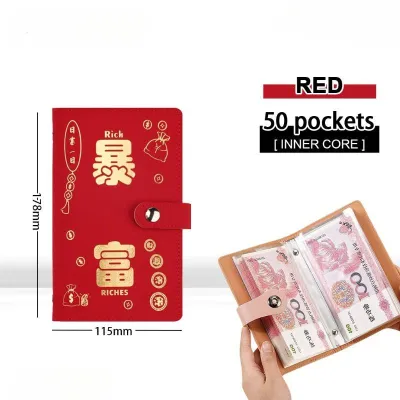
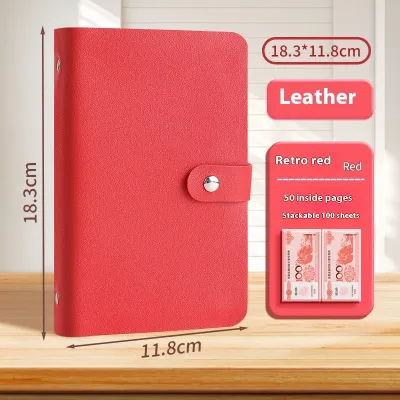
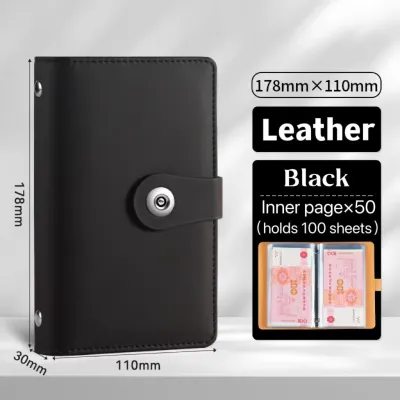
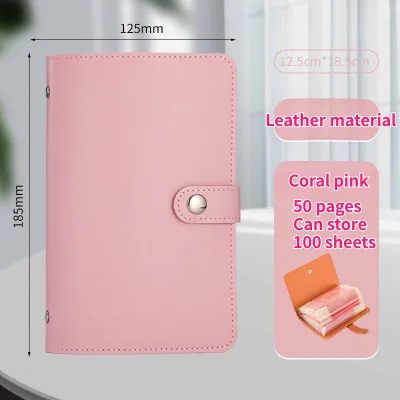
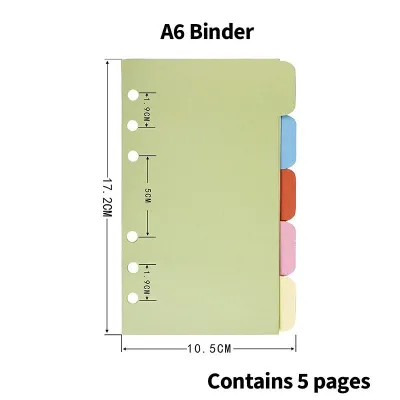
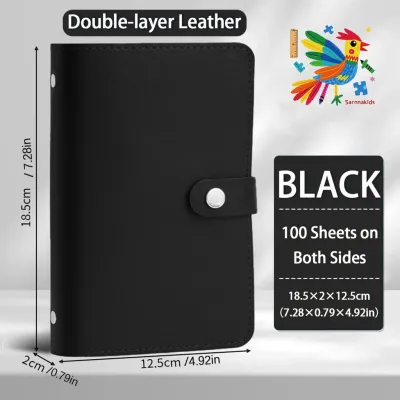
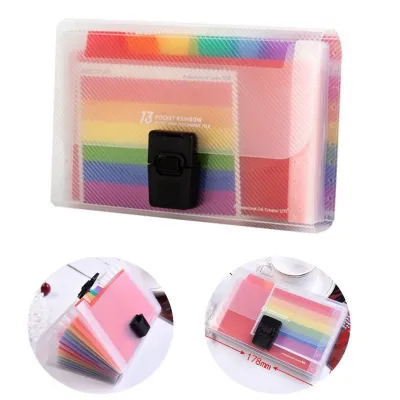
Prices are valid at publication and may change. Please refer to the product page for the latest price.
- Do you strictly separate your cash into distinct, labeled spending categories and leave the bulk of your savings safely at home?
- Do you need to carry your categorized budget with you on a daily basis in a pocket, tote bag, or backpack?
- Do you require a high-capacity organizer that stores receipts, invoices, paper trackers, and multiple cash categories in one centralized location?
Your answers point directly to a specific style of money folder. If your focus is strict category separation and home-based storage, the cash envelope folder is your match. If portability, quick access at checkout counters, and a low profile are your top priorities, you should opt for a wallet-style folder. If you need a comprehensive financial planner that holds a large volume of cash and customizable inserts, a binder-based system is the correct path forward.
Cash Envelope Folders: Best for Strict Budgeting and Cash Stuffing
Cash envelope folders are the classic choice for dedicated practitioners of the “cash stuffing” method. These folders typically consist of a durable outer cover—often made of flexible PVC, heavy-duty polypropylene, or fabric—housing multiple independent, labeled slots or pockets. Each slot is secured by a zipper, slide seal, or snap button to keep bills from slipping out. Many models feature a clear front pocket designed to hold a printed budget tracker, allowing you to see your starting balance, expenses, and remaining cash at a glance.

This style is exceptionally well-suited for individuals who follow a strict zero-based budget. If you allocate your monthly income down to the last peso into specific categories like groceries, utilities, transportation, and dining out, the cash envelope folder provides the physical boundaries you need. By isolating your funds into separate compartments, you eliminate the temptation to dip into your utility money to pay for an impulse purchase. The clear pockets also offer instant visual feedback; seeing your physical cash dwindle as the weeks progress is a powerful psychological deterrent against unnecessary spending.
Despite their budgeting benefits, cash envelope folders have specific design limitations. If you attempt to stuff too many bills, coins, or receipts into a single envelope, the folder can quickly become bulky and difficult to close. They are generally not designed for front-pocket carry, making them less practical for quick transactions during a busy commute. Additionally, the plastic slide zippers on cheaper models can easily derail or split under daily heavy use. When selecting an envelope folder, prioritize options with reinforced heat-sealed edges, smooth-gliding zippers, and high-quality clear PVC that resists becoming sticky, yellowed, or cloudy in the humid, tropical climate of the Philippines.
Binder-Based Folders: Best for High Capacity and Customization
For budgeters who value modularity, high capacity, and comprehensive financial tracking, binder-based money folders offer unmatched versatility. These systems utilize a standard 6-ring or 3-ring binder mechanism enclosed in a durable cover, typically made of textured PU leather, canvas, or hard plastic. Inside, you can clip in removable clear plastic sleeves, color-coded envelopes, paper budget sheets, and even cardholders. This modular structure allows you to build a highly personalized financial planner tailored to your exact monthly goals.
The ideal user for a binder-based folder is someone who manages a complex household budget, tracks business expenses, or saves for multiple long-term goals simultaneously. Because you can easily add, remove, or rearrange the internal sleeves, this style adapts to your changing financial needs. It allows you to keep your bills perfectly flat and crisp, which is highly beneficial for organizing larger denominations like ₱500 and ₱1,000 bills. Furthermore, the binder ring system makes it easy to integrate physical receipts, utility bills, and handwritten expense logs directly alongside your cash reserves, keeping all your financial documents in one secure place.
However, the high capacity of a binder-based folder comes with a trade-off in portability. Binders are inherently the heaviest and bulkiest money folders on the market, making them poorly suited for daily carry in small bags or pockets. Overstuffing the sleeves can put immense pressure on the metal rings, causing them to misalign or gap, which can snag your plastic envelopes. You will also need to ensure that any replacement sleeves or paper inserts you purchase match the exact ring spacing and size of your binder. When shopping, verify the quality of the ring mechanism—nickel-plated metal rings are far more durable than plastic ones—and look for thick, high-micron plastic sleeves that can withstand constant opening and closing.
Wallet-Style Folders: Best for Everyday Carry and Minimalism
If you need to carry your categorized budget with you every day without drawing unwanted attention, a wallet-style money folder is the ultimate solution. This style looks and functions like a standard long or bifold wallet on the outside, but the interior is engineered specifically for budgeting. Instead of a single open cash compartment, a wallet-style folder features multiple distinct slots, accordion dividers, or integrated mini-envelopes. This allows you to organize your daily spending cash by category while maintaining a sleek, professional aesthetic.
The wallet-style folder is designed for the on-the-go budgeter who needs quick, secure access to cash during daily activities. Whether you are paying for transport fares on a jeepney or tricycle, buying fresh produce at the local market, or grabbing a quick lunch, this style allows you to pull out the exact cash you need without fumbling through a bulky binder or a stack of loose envelopes. Additionally, because it resembles a standard wallet, it provides an extra layer of security and discretion in public spaces. Most models also include dedicated slots for debit cards, identification, and loyalty cards, allowing it to completely replace your everyday wallet.
The primary limitation of the wallet-style folder is its restricted storage capacity. Because it is built for portability, the individual compartments are relatively slim and cannot hold large stacks of bills or bulky coin collections without distorting the wallet’s shape. It is also more difficult to fit standard-sized paper budget trackers inside the compact slots, meaning you may need to track your expenses digitally or on small, folded cards. When evaluating wallet-style folders, pay close attention to the closure mechanism; a sturdy metal zipper or a strong magnetic snap is essential to ensure your bills do not slip out during a hectic commute. Look for durable, water-resistant materials like treated PU leather or tightly woven nylon to protect your cash from unexpected tropical rain showers.
Decision Matrix: Choosing the Right Folder for Your Lifestyle
To help you finalize your choice, it is helpful to compare these three styles side-by-side across their most critical functional dimensions. The table below outlines how each money folder performs in terms of capacity, portability, customization, and its ideal budgeting application.
| Folder Style | Cash Capacity | Portability | Customization Level | Best Budgeting Method | Ideal Environment |
|---|---|---|---|---|---|
| Cash Envelope | Moderate to High | Moderate | Low to Moderate | Cash Stuffing, Zero-Based Budgeting | Home-based desk or secure drawer |
| Binder-Based | High | Low | High | Comprehensive Financial Planning, Sinking Funds | Home office or dedicated study space |
| Wallet-Style | Low to Moderate | High | Low | Daily Expense Tracking, Envelope Budgeting | On-the-go, daily commuting, and shopping |
When making your final decision, consider how your daily environment and commuting habits impact your cash usage. If you rely heavily on public transit and make frequent cash transactions throughout the day, a bulky binder will quickly become a hassle, whereas a secure, zippered wallet-style folder will fit seamlessly into your routine. Conversely, if you do most of your budgeting at the end of the week at your desk and prefer to leave your savings safe at home, a high-capacity binder or a structured cash envelope folder will serve as an excellent “financial home base.” Balancing your organizational goals with your physical daily habits ensures that your chosen money folder remains an active, helpful tool in your financial journey.
Frequently Asked Questions (FAQ)
Can I use a regular wallet instead of a dedicated money folder?
While a regular wallet is perfectly fine for holding loose cash, it generally lacks the structural design required for successful category-based budgeting. Standard wallets typically feature only one or two cash compartments, which forces you to mingle your funds. This lack of physical separation makes it incredibly easy to accidentally spend money allocated for bills on casual dining or entertainment. A dedicated money folder enforces your budget by keeping each category physically isolated and clearly labeled, removing the cognitive effort of remembering which bill belongs to which expense.
What size bills fit in standard money folders?
Most standard money folders, particularly those designed around the popular A6 binder size, are perfectly dimensioned to hold Philippine Peso (PHP) banknotes. A standard PHP bill measures 160 mm by 66 mm, which fits comfortably flat inside A6 plastic sleeves, cash envelopes, and standard long wallet-style folders without the need for folding. If you frequently handle larger international currencies or older, oversized banknotes, it is highly recommended to check the exact interior dimensions of the sleeves before purchasing to ensure a smooth fit.
How do I clean and maintain a PVC or PU leather money folder?
Proper maintenance is crucial for extending the lifespan of your money folder, especially in the high humidity of the Philippines. To clean PVC sleeves or a PU leather cover, wipe the surfaces gently with a soft microfiber cloth slightly dampened with water and a drop of mild dish soap. Avoid using harsh chemical solvents, high-percentage isopropyl alcohol, or abrasive pads, as these can permanently cloud clear PVC, dissolve printed labels, or strip the protective coating off PU leather. Always allow the folder and all its compartments to air-dry completely in a well-ventilated, shaded area before restocking it with cash, as trapping moisture inside can lead to mold, mildew, and damage to your paper bills.
Community discussion
Share your experience or ask a question. Comments are reviewed before publication.