
Choosing a money savings binder is more than an aesthetic decision. The physical tool you use must align directly with how you handle cash, track your expenses, and carry your budgeting accessories. If your physical binder does not match your daily operational habits, you are highly likely to abandon the system entirely.
To find your starting point, consider this quick-reference mapping based on your primary financial workflow:
- Cash stuffing works best with an A6 zippered binder due to its secure closure and portable size.
- Comprehensive envelope budgeting is most efficient in an A4 ring binder, which offers ample space for detailed paper logs and larger sheets.
- Minimalist goal tracking aligns perfectly with a pocket-sized binder designed for low-profile, milestone-focused storage.
The following sections will help you verify this initial match by examining your daily habits, space constraints, and physical material requirements.
Products mentioned in this guide
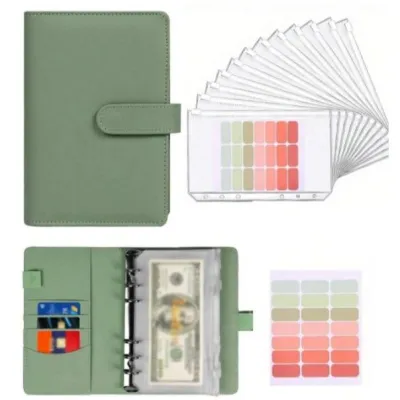
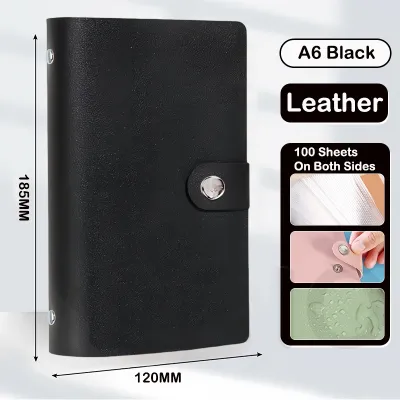
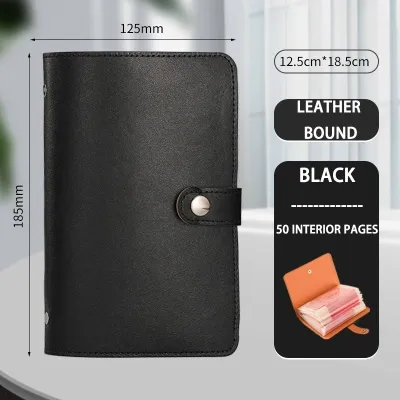
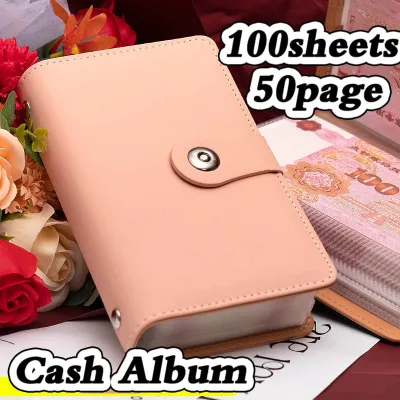
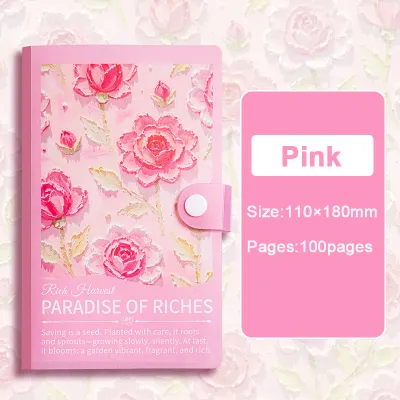
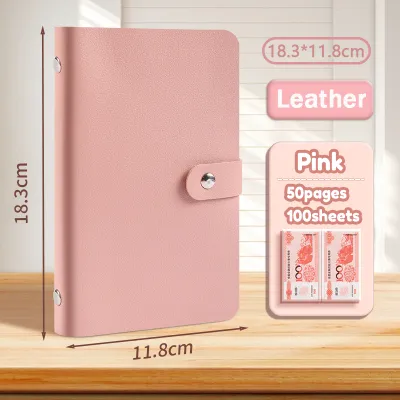
Prices are valid at publication and may change. Please refer to the product page for the latest price.
Assess Your Budgeting Style: Cash, Envelopes, or Goals?
To select the correct binder, you must first diagnose your physical interaction with money. How often do you touch physical cash, where do you do your administrative work, and how much paper do you need to store? Answering these questions prevents you from buying a binder that is either too bulky to carry or too small to hold your monthly documents.
Cash Stuffing (High Volume and Frequent Handling)
If you withdraw physical cash weekly to divide into categories like groceries, dining out, and utilities, you are practicing cash stuffing. This method requires frequent physical interaction with your binder as you add, remove, and count bills. You need a system that can travel with you to local markets or sit securely in a drawer at home.
Your physical binder must handle a high volume of uniform envelopes. Because you carry physical currency, a secure closure mechanism is non-negotiable to prevent loose bills or coins from slipping out during transit.
Envelope Budgeting (Categorization and Paper Logs)
If you prefer a comprehensive overview that combines physical cash with printed budget sheets, monthly calendars, and receipts, you are an envelope budgeter. You likely manage your finances at a dedicated desk or home workspace rather than on the go.
This approach requires a binder that accommodates larger paper inserts and lays completely flat when open. You need room to write detailed logs directly onto tracking sheets without your hand bumping into the binder rings.
Goal Tracking (Minimalist and Milestone-Focused)
If your budgeting centers on long-term milestones—such as saving for an emergency fund, a vacation, or tuition fees—you do not need to carry daily spending cash. You are focused on high-level progress tracking and need a system that remains discreet and highly portable.
Your physical requirement is a low-profile design. It should hold only a few tracker cards or mini-envelopes, fitting easily into a small bag or a desk drawer without taking up valuable space.
A6 Zippered Binders: Best for Cash Stuffing and Daily Carry
The A6 size is widely considered the standard format for the cash stuffing community. Its dimensions strike a practical balance between portability and storage capacity, making it easy to slip into a standard backpack or medium-sized handbag. Standard Philippine Peso banknotes (measuring 160 mm by 66 mm) fit comfortably inside standard A6 cash envelopes, allowing you to organize your cash without excessive folding.

When shopping for an A6 binder, the zipper closure is your most critical security feature. Unlike snap buttons, which can pop open when the binder is overstuffed, a wrap-around zipper ensures that loose coins, receipts, and banknotes remain safely contained. You should verify the zipper material on the product specification sheet; look for high-grade nylon or metal zippers with reinforced stitching along the fabric track.
Additionally, examine the interior layout of the binder cover. A practical A6 binder should feature built-in card slots for your debit cards or loyalty cards, alongside a dedicated pen loop. These features allow the binder to function as your primary wallet, reducing the number of items you need to carry daily.
You must also pay close attention to the binder’s construction materials. Common options include PU leather, PVC, and heavy-duty nylon. Check the manufacturer’s care label to verify the material’s wear resistance and cleaning instructions. While PU leather offers a professional look, it requires dry wiping and protection from direct sunlight, whereas nylon is often more forgiving of daily wear and tear.
Keep in mind that the compact A6 format has clear physical limitations. It is not designed to hold full-sized A4 monthly budget spreadsheets or large utility bills without folding them multiple times. If your budgeting method relies heavily on standard-sized printed worksheets, the restricted space of an A6 binder may feel frustratingly small.
A4 Ring Binders: Best for Envelope Budgeting and Detailed Logs
For those who treat budgeting as a comprehensive household administration task, the A4 ring binder serves as an excellent financial command center. This format provides expansive space, allowing you to store full-sized monthly budget printables, bank statements, tax documents, and large receipt envelopes side by side. It is designed to live on a shelf or desk, serving as a permanent repository for your household’s financial records.
When selecting an A4 binder, the ring mechanism is the most important structural element to evaluate. Binders generally feature either O-rings or D-rings. D-ring mechanisms are highly recommended for heavy budgeting because they allow pages and thick cash envelopes to stack flat against the straight edge of the ring. This minimizes page curling and allows you to maximize the binder’s storage capacity. Always check the manufacturer’s spine width specification; a wider spine (such as 50 mm or 75 mm) ensures the binder can accommodate thick, cash-filled envelopes without popping open.
Paper punch compatibility is another critical factor to verify before purchase. A4 binders are commonly available in 2-ring, 3-ring, or 4-ring configurations. You must ensure that the ring spacing of your chosen binder matches your existing paper hole punch or the pre-punched budget sheets you plan to buy. A mismatch here will require you to manually punch custom holes, which can look untidy and weaken the paper edges.
The primary trade-off of the A4 format is its physical bulk. It is highly impractical for daily commuting, quick trips to the grocery store, or carrying in standard handbags. If you need to make physical cash transactions throughout the day, using an A4 binder as your primary wallet is inefficient. It is best paired with a secondary, smaller wallet for daily cash transactions, leaving the A4 binder at home as your master ledger.
Pocket-Sized Binders: Best for Minimalist Goal Tracking
Pocket-sized binders are the ultimate tool for minimalist budgeters who focus on targeted savings milestones. These ultra-compact binders are designed to hold small savings challenge cards, such as a 12-week savings tracker or a specific emergency fund log. Because of their tiny footprint, they can easily fit into a small clutch, a jacket pocket, or a vehicle glove compartment, ensuring your savings goals are always within reach.
When evaluating a pocket-sized binder, pay close attention to the closure mechanism. Because these binders are frequently moved in and out of tight spaces, the closure must be durable and low-profile. Snap buttons offer a classic look but can wear out or lose their grip if the binder is packed too tightly. Elastic bands provide flexibility but can stretch out over time in warm climates. Mini-zippers offer the highest security but add slightly more bulk to the binder’s edges.
Insert size compatibility is a common pain point for pocket-sized binders. Unlike the standardized A6 and A4 formats, “pocket size” can vary significantly between manufacturers, with some brands using proprietary dimensions. Before purchasing, you must check the exact millimeter dimensions of both the binder cover and the ring spacing. Compare these measurements against any pre-made inserts or envelopes you intend to use to avoid buying incompatible accessories.
You must also accept the strict capacity limits of this format. Standard-sized banknotes cannot lay flat in a pocket-sized binder; you will need to fold bills into halves or thirds to make them fit inside the mini-envelopes. This makes the pocket binder impractical for high-volume cash stuffing, but it remains an exceptional, highly focused tool for tracking specific, incremental savings milestones.
Compatibility Checks: Rings, Inserts, and Material Durability
Before finalizing your purchase, you must verify several technical specifications to ensure your binder, inserts, and local environment work in harmony.
Hole Punch and Ring Spacing
Standardization varies widely across stationery brands. Most A6 and pocket-sized binders use a 6-ring mechanism, but the spacing between the rings can differ. Standard A6 inserts typically feature a spacing of 19mm-19mm-51mm-19mm-19mm between the holes. Always cross-reference the ring distance specified by the binder manufacturer with the hole measurements of your planned refills or your adjustable hole punch to ensure a perfect fit.
Accessory Ecosystem
A binder is only as useful as the inserts you put inside it. Before committing to a specific size, search your local stationery shops or online marketplaces to ensure a steady supply of compatible cash envelopes, budget trackers, and divider tabs. Choosing an uncommon or proprietary binder size can make finding affordable replacement envelopes difficult, forcing you to make your own from scratch.
Climate and Material Care
In tropical and humid environments, such as the Philippines, material selection directly affects the lifespan of your budgeting tools. Synthetic materials like low-grade PU leather and flexible PVC cash envelopes are highly susceptible to moisture damage. Over time, high humidity can cause PVC envelopes to become sticky, potentially transferring ink from your budget sheets or causing the envelopes to fuse together. To prevent this, check product care instructions and consider adding small silica gel packets to your binder storage drawer to absorb excess moisture.
Paper Fit and Ink Testing
When purchasing pre-printed budget sheets or refills, verify the paper weight, which is typically measured in grams per square meter (gsm). Paper below 80 gsm is highly prone to ink feathering and bleed-through, especially if you prefer using gel pens or fountain pens. Since bleed resistance depends on the exact combination of paper fibers and ink chemistry, you should perform an observable trial: write on a small, inconspicuous corner of a replacement sheet with your favorite pen and wait for it to dry to verify that the ink does not bleed through to the reverse side.
Frequently Asked Questions (FAQ)
Can I use a regular school binder for cash stuffing?
While you can technically use a school binder, it lacks the specialized features required for secure cash stuffing. Standard school binders are typically designed for flat paper sheets and do not have secure closures, meaning cash envelopes can easily slide off the rings or fall out of the sides. Additionally, school binders are often too bulky for daily carry and lack the dedicated card slots and pen loops that make savings binders functional as wallets.
How do I prevent cash envelopes from tearing in my binder?
To extend the life of your cash envelopes, avoid overstuffing them with too many bills or coins, which puts excessive pressure on the plastic seams. Regularly check the alignment of your binder rings; if the rings do not close completely, they can snag and tear the punched holes of your envelopes when you turn the pages. You can also apply small adhesive hole reinforcement stickers to the punched areas of plastic or paper envelopes to prevent tearing under heavy use.
What is the difference between A6 and personal size binders?
Although they look similar at a glance, A6 and personal size binders have distinct physical dimensions and ring configurations. An A6 binder is typically wider and shorter, designed to fit true A6 paper (105 mm x 148 mm). A personal size binder is narrower and taller, usually holding inserts that measure 95 mm x 171 mm. Because the ring spacing and paper widths differ, inserts designed for an A6 binder will not fit properly in a personal size binder, and vice versa.
Community discussion
Share your experience or ask a question. Comments are reviewed before publication.