
Grade 5 marks a significant transition in a student’s academic journey. As schoolwork intensifies, students must manage multiple subjects, increased writing volumes, and a heavier daily load in their backpacks. Choosing the right notebook is not just about picking a cover design; it directly impacts a student’s organization, writing comfort, and academic success. The best notebook type depends on specific classroom needs: composition notebooks are ideal for core subjects requiring permanent records, spiral notebooks offer excellent flexibility for daily note-taking on cramped desks, and loose-leaf binders provide a customizable system for students with strong organizational habits.
Quick Decision Guide for Grade 5 Notebooks
To make an immediate decision, parents and students should evaluate the primary writing tasks and classroom environments. In Grade 5, students typically transition between several subject teachers, each with distinct preferences.
If the school or teacher has issued a specific supply list, that directive always overrides any general recommendations. Many local schools mandate specific notebook types to ensure uniformity and to facilitate easy grading.
Products mentioned in this guide
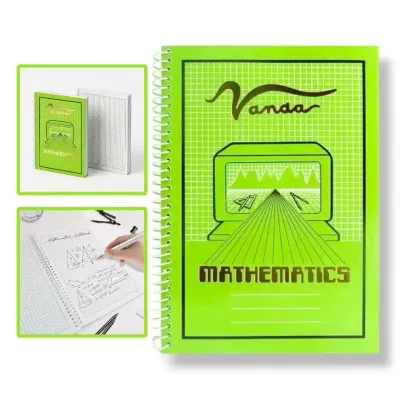
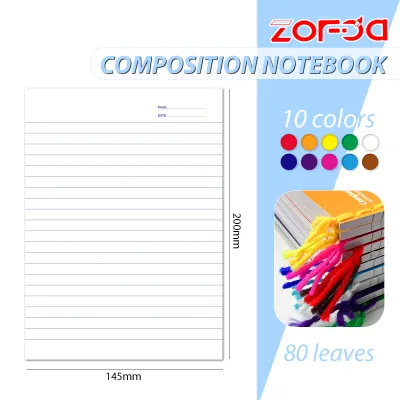
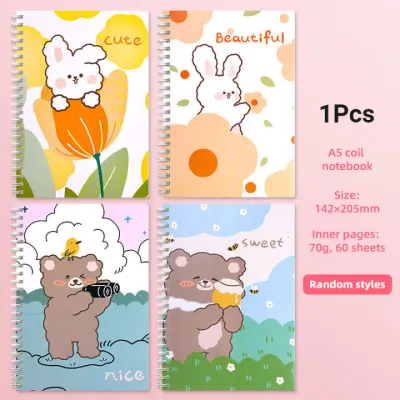
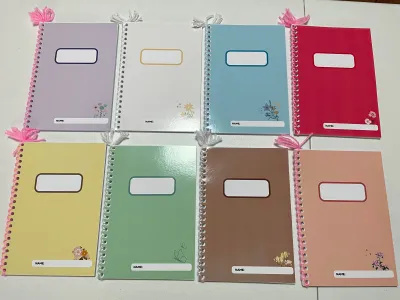
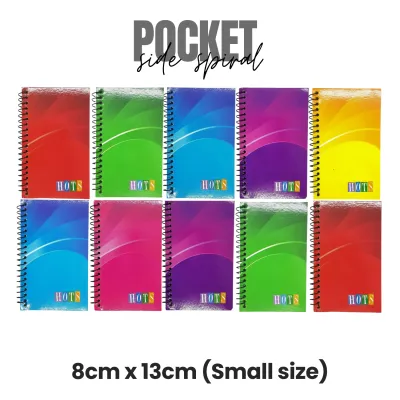
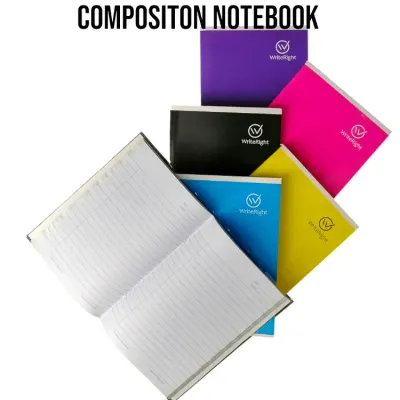
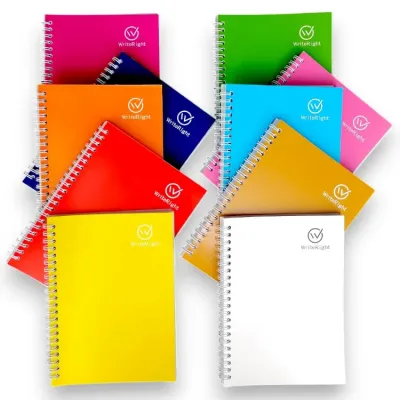
Prices are valid at publication and may change. Please refer to the product page for the latest price.
Before purchasing your school supplies, use this quick checklist to guide your decision:
- Check the Teacher's Syllabus: Verify if sewn bindings are required for core subjects to prevent lost pages.
- Assess Desk Space: If classroom desks or armchairs are small, spiral notebooks are highly practical because they can be folded in half.
- Evaluate Writing Tools: If the student prefers gel pens or heavy pencils, prioritize thicker paper to prevent ink bleed-through and tearing.
- Consider Backpack Weight: Carrying multiple heavy notebooks can cause physical strain, so balancing page counts is essential.
Comparing the Main Notebook Types
Understanding the structural differences between spiral, composition, and loose-leaf formats helps in selecting the right tool for each academic task. Each binding style offers distinct trade-offs in terms of durability, page management, and how well they survive the daily commute.

In tropical climates, school supplies face unique challenges, including high humidity and the wear and tear of the rainy season. Notebooks must be durable enough to withstand being packed and unpacked repeatedly, resisting moisture absorption and page curling.
Spiral Notebooks
Spiral notebooks feature a continuous plastic or metal coil wound through small holes along the edge of the pages. This design offers several practical advantages for the classroom, most notably the ability to lay completely flat on a desk. Students can also fold the cover and unused pages all the way back, creating a sturdy, compact writing surface that takes up only half the space of a traditional notebook—a major benefit on crowded school armchairs.
However, spiral bindings have notable drawbacks that can affect their longevity. The metal or plastic coils can easily snag on the mesh pockets of backpacks, loose threads of school uniforms, or other items in a school bag. Over time, these coils can bend or distort, making page-turning difficult. Additionally, because the pages are held by individual loops, they can easily tear out if pulled accidentally, potentially leading to lost notes before the end of the school year.
Best Use Cases: Spiral notebooks are highly suitable for subjects that require rapid note-taking, quick drafting, or scratch work, such as Mathematics or introductory science lectures. They are also excellent for students who prefer a compact writing setup and do not need to keep permanent, unalterable records of their daily work.
Composition (Hardbound) Notebooks
Composition notebooks, often referred to as hardbound or sewn notebooks, feature a bound spine where signatures of paper are stitched together and reinforced with a durable fabric tape. This construction makes them exceptionally durable, as the pages are permanently secured to the spine and cannot be easily removed without damaging the notebook’s structural integrity. The rigid front and back covers provide a solid surface, allowing students to write comfortably even when a desk is unavailable, such as during field trips or group activities.
The primary disadvantage of composition notebooks is their rigid structure. They do not lay completely flat when opened, especially near the inner margins of the spine, which can make writing across the entire page challenging for younger students. They are also heavier and bulkier than spiral alternatives, adding noticeable weight to a student’s backpack when carrying several subjects. Furthermore, because pages cannot be removed cleanly, any mistakes must be crossed out or erased rather than torn out, which can sometimes lead to untidy pages.
Best Use Cases: These notebooks are ideal for core academic subjects like English, Science, and Araling Panlipunan (Social Studies). Teachers often prefer composition notebooks for these subjects because they ensure that all classwork, essays, and homework assignments remain in a strict, chronological sequence throughout the grading periods.
Loose-Leaf and Filler Paper
Loose-leaf systems utilize individual sheets of pre-punched paper stored inside a binder or a multi-pocket folder. This format offers unparalleled flexibility, allowing students to organize, rearrange, and remove pages as needed. Instead of carrying five separate notebooks, a student can carry a single binder divided into sections, significantly reducing the physical bulk in their school bag. Refilling the binder is highly cost-effective, as parents only need to purchase packs of filler paper rather than entirely new notebooks when pages run out.
Despite these benefits, loose-leaf systems require a high level of organizational discipline that many Grade 5 students are still developing. Individual sheets can easily tear at the punched holes, slip out of the binder rings, or get lost in a cluttered backpack. Binders themselves can be bulky and heavy, and managing separate dividers, plastic sleeves, and reinforcement rings adds an extra layer of complexity to a student’s daily routine.
Best Use Cases: Loose-leaf paper is best reserved for highly organized students or for subjects that require frequent submission of individual written assignments, reports, or creative portfolios. It is also an excellent option for consolidating elective courses or supplementary activities into a single, manageable binder.
Key Features to Check Before Buying
When shopping for school supplies, looking beyond the cover design to verify the physical specifications of the paper and binding is crucial. High-quality materials ensure that the notebooks remain usable and intact from the first day of school to the final exams.
Paper Quality and Opacity: Grade 5 students frequently transition from pencils to ballpoint and gel pens. To prevent ink from bleeding through to the reverse side of the page, look for paper with adequate thickness and density, typically measured in grams per square meter (gsm). Paper that is too thin (under 60 gsm) will cause ink to feather and bleed, rendering the back of each page unusable. Additionally, the paper must have sufficient surface strength to withstand frequent erasing; low-quality paper will easily pill or tear when a student uses a standard rubber eraser to correct mistakes.
Ruling and Margins: In the elementary curriculum, Grade 5 students generally transition away from wide-spaced primary paper to standard ruled or intermediate formats. Verify the line spacing on the packaging, which should ideally be between 6mm and 8mm to accommodate the student’s developing handwriting size. Ensure the pages feature a clear, vertical red margin line on the left side, as many teachers require students to use this space for numbering questions or keeping their writing aligned.
Size and Dimensions: Notebooks come in various standard dimensions, including standard composition size (approximately 6 by 8.5 inches) and larger B5 or A5 sizes. It is important to choose a size that fits comfortably inside standard school backpacks and the plastic envelope organizers commonly used to protect school supplies from rain and humidity. Oversized notebooks may get bent or damaged at the corners if they do not fit easily into these protective sleeves.
Page Count and Weight: Notebooks are commonly available in 80-leaf, 100-leaf, or 120-leaf configurations. While a higher page count means the notebook will last longer before needing a replacement, it also adds significant weight. Carrying eight 120-leaf notebooks daily can place an unnecessary physical burden on a ten-year-old student, especially during hot, humid commutes or rainy-season walks. Balancing the page count based on the subject’s writing volume is key to keeping the backpack manageable.
Matching Notebooks to School Subjects
Allocating the right notebook type to specific subjects can enhance a student’s learning experience and help them meet their teachers’ expectations more effectively. Different subjects demand different styles of writing, drawing, and organization.
Mathematics and Science: Mathematics requires precise alignment of numbers, equations, and geometric shapes. A spiral notebook with grid or graphing paper is highly beneficial, as the grid lines help students keep their calculations organized. For Science, a composition notebook is often the preferred choice. It allows students to maintain a permanent, chronological log of laboratory observations, scientific terms, and diagrams without the risk of losing loose pages during hands-on activities.
Language Arts and History: Subjects like English, Filipino, and Araling Panlipunan involve extensive long-form writing, essay drafting, and vocabulary building. Composition notebooks are highly recommended for these classes. The secure, sewn binding ensures that months of essays, spelling tests, and lecture notes remain intact, providing an invaluable study reference when preparing for quarterly examinations.
Arts and Electives: Creative and practical subjects, such as Edukasyong Pantahanan at Praktikal na Gawain (EPP) or Technology and Livelihood Education (TLE), often involve project-based learning, sketching, and practical assignments. These subjects benefit from the flexibility of loose-leaf paper or unruled sketchpads. Students can easily sketch designs, write down recipes, or compile project plans, and then submit individual sheets to the teacher or compile them into a final portfolio folder at the end of the grading period.
Frequently Asked Questions (FAQ)
How many leaves or pages should a Grade 5 notebook have?
For most Grade 5 subjects, an 80-leaf or 100-leaf notebook provides the ideal balance between writing capacity and backpack weight. Core subjects with high writing volumes, such as Mathematics and English, may require a 100-leaf notebook to last the entire academic year. For minor subjects or electives, an 80-leaf notebook is usually more than sufficient. Always consult the teacher’s official supply list or syllabus at the start of the school year, as some educators specify exact page counts to match their curriculum plans.
Is it better to buy notebooks in bulk or as needed?
Buying standard notebooks in bulk before the school year begins is highly cost-effective and ensures that your child has a consistent supply of matching paper formats. However, storing large quantities of stationery in a humid tropical climate can lead to paper degradation, warping, or moisture absorption over time. It is best to purchase core notebooks in bulk during back-to-school sales, while keeping specialty items, such as graphing paper or loose-leaf refills, as as-needed purchases to avoid unnecessary storage issues.
What should I do if the teacher requires a specific notebook brand?
If a teacher mandates a specific brand, check local bookstores or official online storefronts of authorized stationery distributors. If the required brand is out of stock or difficult to find, do not panic. You can approach the teacher to discuss acceptable alternatives, ensuring that the substitute notebook matches the required dimensions, ruling style, and binding type of the specified brand. Most teachers are highly accommodating as long as the alternative notebook serves the same educational purpose.

Community discussion
Share your experience or ask a question. Comments are reviewed before publication.